
2026-10-05
What Micro Machining Is and How Small It Can Really Go
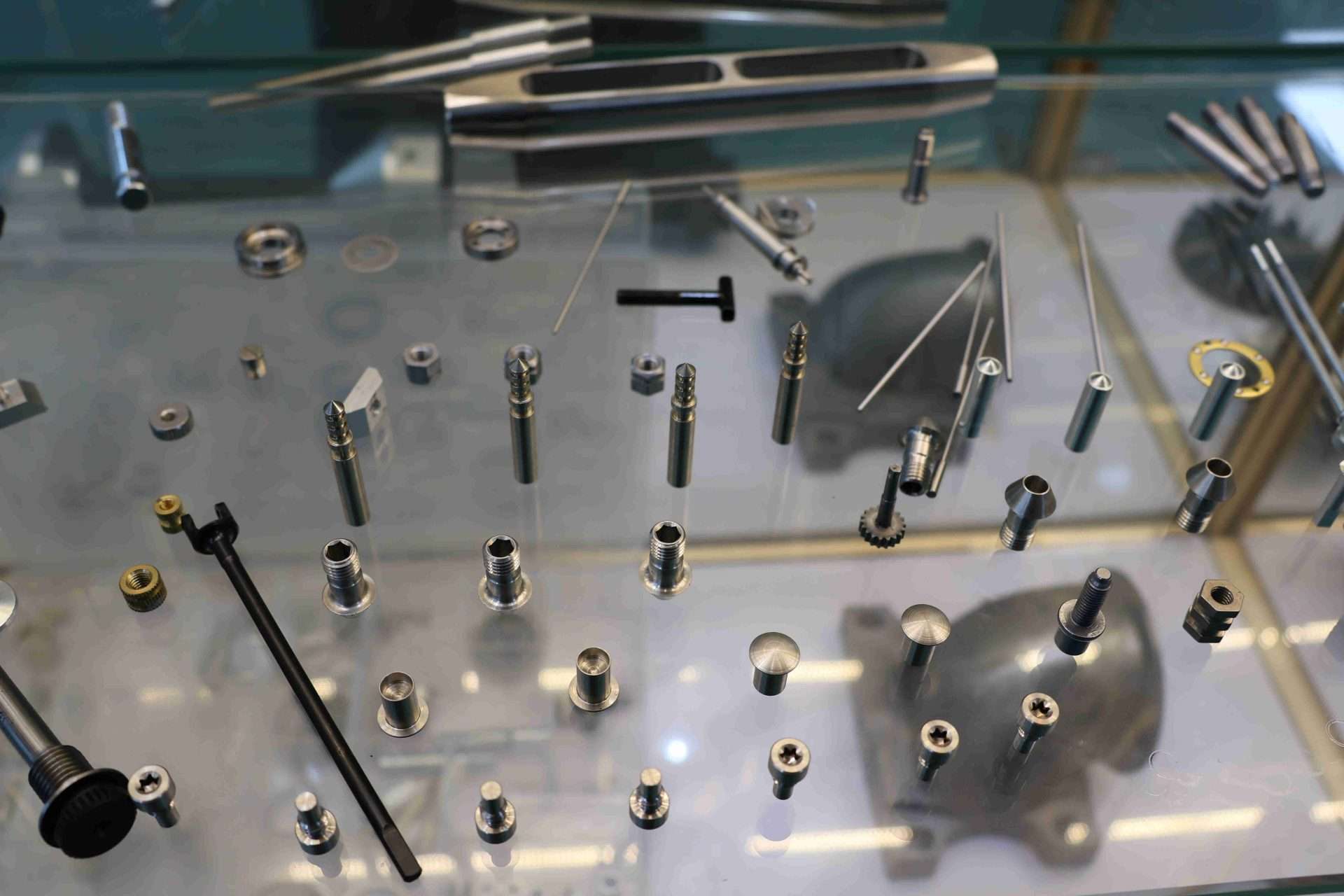
Understanding what is micro machining is essential. Micro machining is precision CNC machining used to produce extremely small parts and features, typically under 38mm, with tolerances held to single-digit microns, using scaled-down Swiss lathes, CNC mills, and specialized tooling. Unlike conventional CNC machining, it demands tighter environmental controls, slower feed rates, and finer-diameter cutting tools to avoid tool breakage and deflection. It’s used where standard machining can’t hold the required tolerance or produce features at that scale, such as medical, electronics, and aerospace components.

What Is Micro Machining and How Does It Differ from Conventional CNC Machining?
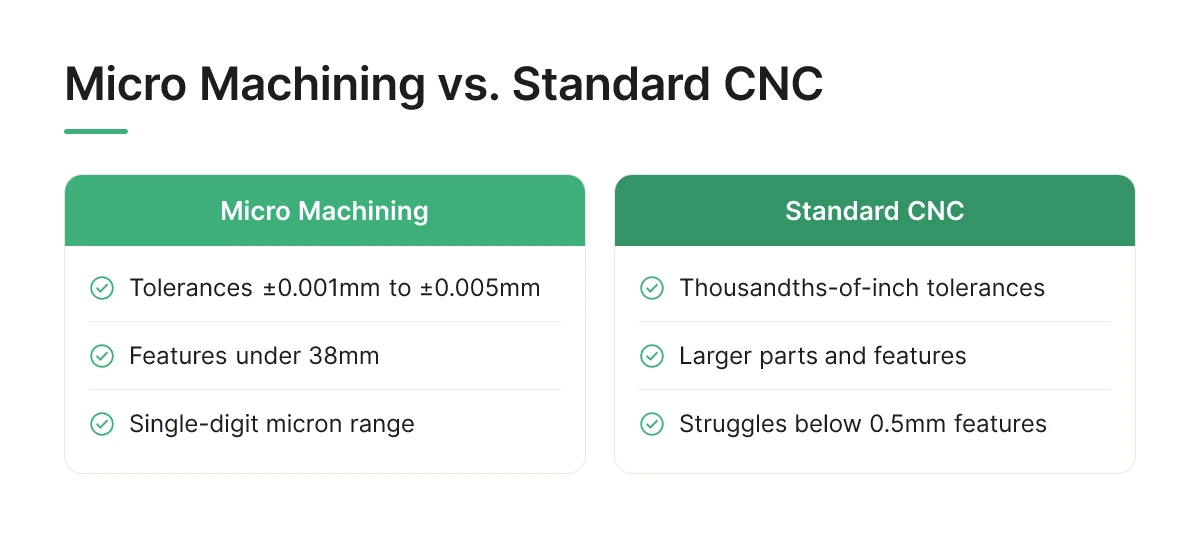
Micro machining is CNC-based machining of parts or features generally under 38mm, holding tolerances in the single-digit micron range rather than the thousandths-of-an-inch bands typical of standard shop work. Answering what is micro machining starts with that distinction: it’s not a separate technology from CNC, it’s CNC pushed to a scale where ordinary tools, feeds, and fixturing stop working.
Conventional CNC turning and milling use tools ranging from a few millimeters up to several centimeters in diameter, running at moderate spindle speeds with feed rates tuned for material removal. Micro machining flips those priorities. Tool diameters often drop below 0.5mm, spindle speeds climb into the tens of thousands of RPM to keep surface speed acceptable on a tiny cutter, and feed rates drop sharply to avoid snapping a tool that’s barely thicker than a human hair. Machine rigidity matters more, not less, any flex in the spindle or workholding translates directly into a scrapped feature at this scale.
Key Performance Differences in Tolerance, Speed, and Surface Finish
Standard CNC turning typically holds tolerances around ±0.025mm to ±0.05mm, while micro machining routinely targets ±0.001mm to ±0.005mm. Surface finish follows the same pattern: micro-machined parts often need mirror-like finishes for sealing or optical function, which requires slower, more controlled cuts rather than aggressive material removal. Cycle times per part run longer in micro work because feed rates are conservative and multiple light passes replace the single heavy pass common in conventional milling or turning.
Thermal stability and vibration control matter more at micro scale because the margin for error is proportionally tiny. A temperature swing of a few degrees can expand a workpiece enough to blow a tolerance band that’s already measured in microns, and vibration that a conventional mill shrugs off can snap a 0.3mm end mill outright.
Advantages and Limitations of Micro Machining for Ultra-Precise Parts
The advantage is clear: micro machining achieves tolerances and feature sizes that conventional CNC simply cannot reach, which is why medical, electronics, and aerospace buyers specify it for connector pins, micro-fluidic components, and miniature fasteners. The tradeoff is real too, fine tools break more easily, and material removal rates are far lower than conventional machining, which raises per-part cycle time. MFG SOLUTION addresses that tradeoff by pairing Swiss lathe and CNC mill & turn methods with 5-axis equipment to hold micron-level tolerances on parts up to 38mm, without sacrificing the batch throughput mid-market buyers need.
How Does the Micro Machining Process Work, and What Equipment Is Used?
Micro machining combines fine-diameter cutting tools, high spindle speeds, rigid workholding, and constant in-process inspection to cut features measured in microns rather than millimeters. Understanding what is micro machining in practice means following a part from raw stock to finished component through a chain where every link has to hold precision at a scale the human eye can barely register.
The process starts with tooling: cutters as small as a few thousandths of an inch in diameter, often smaller than a human hair. Spindle speeds climb into tens of thousands of RPM to keep cutting forces low enough that these fragile tools don’t deflect or snap. Workholding has to eliminate even microscopic part movement, since a vibration invisible on a standard job becomes a tolerance failure at this scale. Inspection happens throughout the run, not just at the end, using optical comparators or touch-probe systems to catch deviation before it compounds across a batch.
Methods of Micro Machining, Including Laser and Electrochemical Techniques
Mechanical methods, micro milling and micro turning, remove material with physical cutting edges and work well for metals and plastics where tool access is straightforward. Non-mechanical methods step in where a cutting edge can’t reach or would damage the part: laser micro machining vaporizes material with focused light for fine slotting and drilling, while electrochemical micro machining dissolves material through controlled current, useful on hard or exotic alloys that wear out conventional tools quickly.
The choice between methods comes down to material hardness, feature geometry, and the tolerance band required. A ductile metal with a simple bore favors micro turning; a hardened alloy with a complex micro-channel may call for electrochemical or laser methods instead.
CNC Machines and Equipment Used for Micro Machining Applications
Micromachining, broadly defined, covers CNC work at dimensions between roughly 1 and 500 micrometers, which demands equipment built specifically for that range rather than standard shop machines pushed to their limit. MFG SOLUTION runs Swiss Lathe machines, CNC Mill & Turn centers, 5-axis CNC machines, and automatic lathes to cover this range for parts up to 38mm in diameter. Swiss lathes guide bar stock through a sliding headstock, which keeps long, slender parts rigid during fine cutting. 5-axis machines reach complex geometries in a single setup, reducing the repositioning that introduces error. Automatic lathes handle repeatable turning for batch volumes once a design is locked.
Consistency across 20 automatic lathes and multiple machine types depends on process discipline, not just equipment specs. MFG SOLUTION operates under ISO 9001:2015 and IATF 16949 certification, meaning every setup, tool change, and inspection step is documented and auditable, so a part machined on one lathe matches one machined on another, batch after batch.

What Tolerances and Precision Levels Can Micro Machining Achieve for Parts Under 38mm?
Micro machining typically holds tolerances in the range of ±0.001mm to ±0.005mm, though the achievable number depends heavily on part size, material, and feature geometry. A simple turned pin at 3mm diameter will hold tighter tolerances more consistently than a part with deep micro-holes, thin walls, or interrupted cuts. This is part of why answering what is micro machining requires talking about geometry and process capability together, not just a single tolerance figure pulled from a spec sheet.
Standard CNC machining generally struggles once feature sizes drop below roughly 0.5mm or when tolerance callouts tighten past ±0.01mm. Micro machining exists specifically to close that gap, using finer tooling, lower cutting forces, and tighter environmental control. But tighter tolerance always narrows the acceptable process window, a tolerance of ±0.002mm leaves almost no room for tool wear, thermal expansion, or workholding shift before a part drifts out of spec.
Key Factors That Determine Micro Machining Precision
Five variables decide whether a micro-machined part holds its tolerance across a production run, not just on the first article:
- Machine rigidity, vibration or deflection at the spindle translates directly into dimensional error on small features.
- Tool wear, micro tools have less mass to dissipate heat and resist wear, so a cutting edge that lasts hours on a standard part may degrade within minutes on a micro feature.
- Thermal drift, temperature swings in the shop or in the cutting zone expand metal measurably at micron scales, so climate-controlled machining areas matter more as tolerances tighten.
- Workholding method, fixtures must grip without distorting thin-walled or delicate parts, since over-clamping a part that measures a few millimeters across can bend it out of tolerance before the first cut.
- Metrology capability, you cannot hold a tolerance you cannot measure, so gauge resolution has to exceed the tolerance band, not just match it.
Verifying that tolerance holds requires inspection built into the process, not just a final check. Coordinate measuring machines (CMMs) and optical comparators confirm dimensional accuracy in-process and post-process, catching drift before an entire batch runs out of spec. At MFG SOLUTION, this inspection discipline runs inside a documented quality system, ISO 9001:2015 and IATF 16949 process control, so every measurement is tracked and auditable rather than taken on faith.
Common Micro Machining Failures and How to Prevent Them
- Tool deflection, thin micro tools bend under cutting load; prevented by reducing feed rate and using shorter tool stick-out.
- Chip evacuation problems, trapped chips re-cut and damage small features; prevented with high-pressure coolant and optimized tool paths.
- Burr formation, sharp exit edges leave burrs on tiny parts; prevented through tool geometry selection and, when needed, secondary deburring.
- Dimensional drift, gradual tool wear shifts dimensions over a run; prevented with scheduled tool changes and in-process gauging.
What Materials Can Be Micro Machined, and What Are the Practical Limits?
Stainless steels, titanium, brass, aluminum, and select engineering plastics cover most of what is micro machining in production today, each chosen for a specific balance of strength, biocompatibility, or conductivity. The material dictates tool selection, cutting speed, and coolant strategy far more at micro scale than in conventional machining, because tolerances leave almost no room to compensate for a bad cut.
Real-World Examples of Micro Machined Parts Across Industries
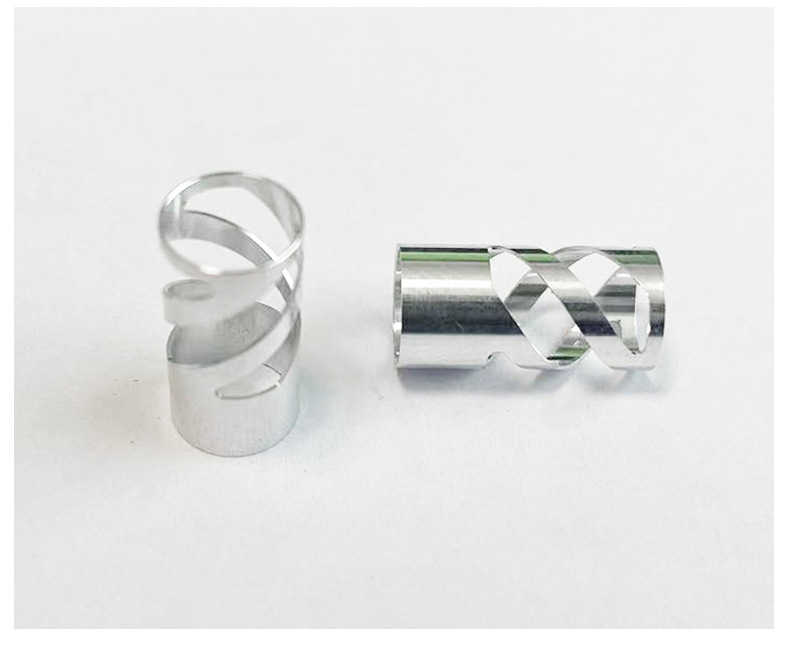
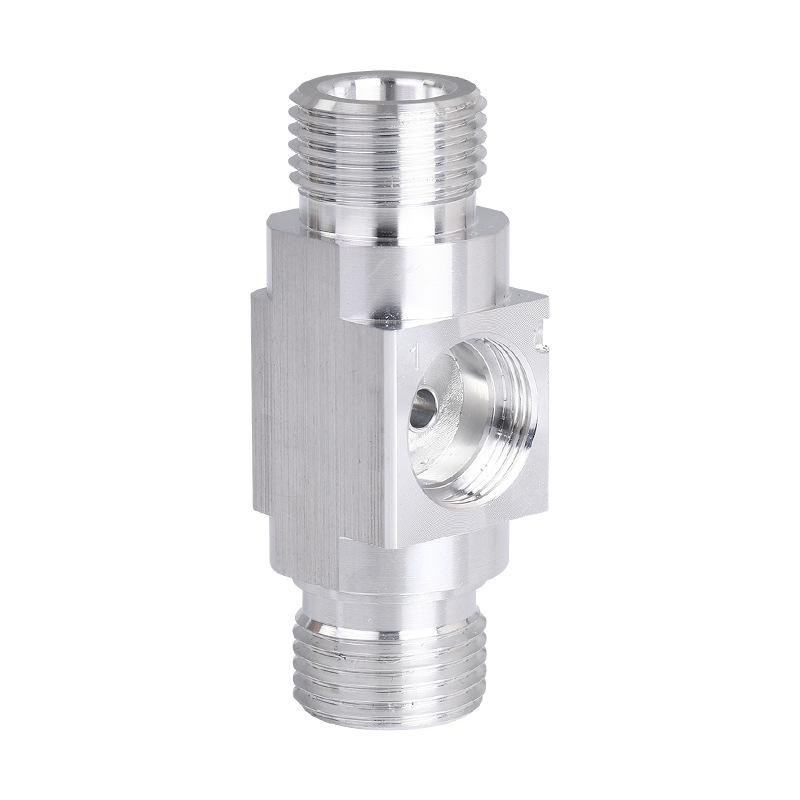
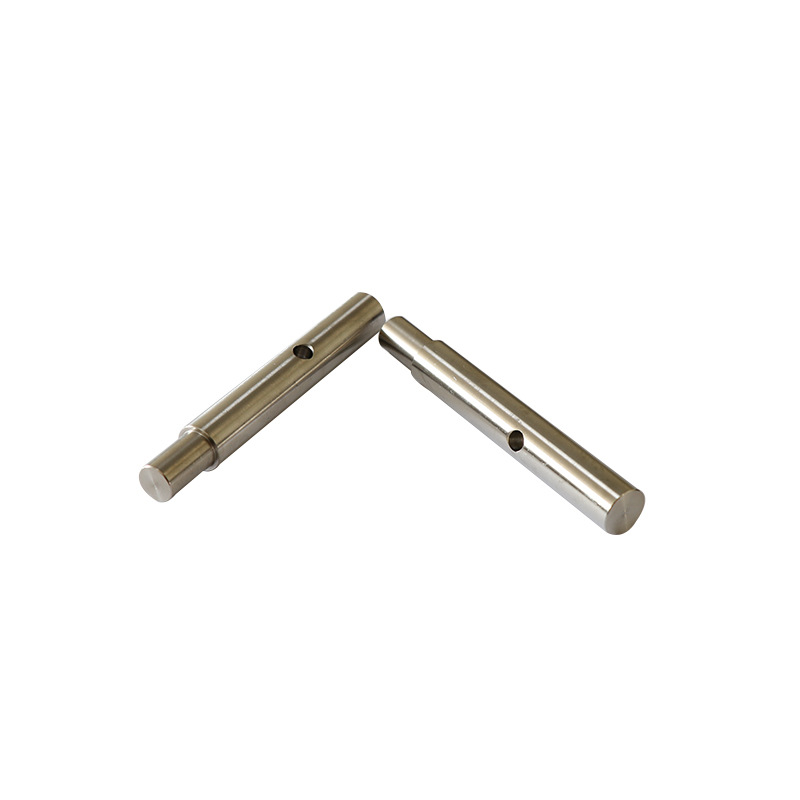
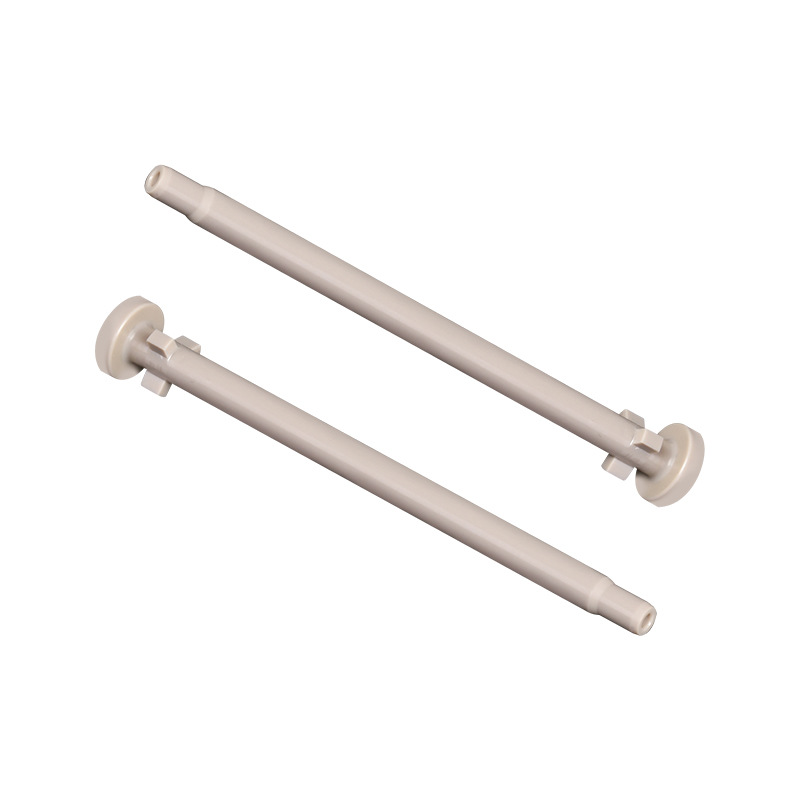
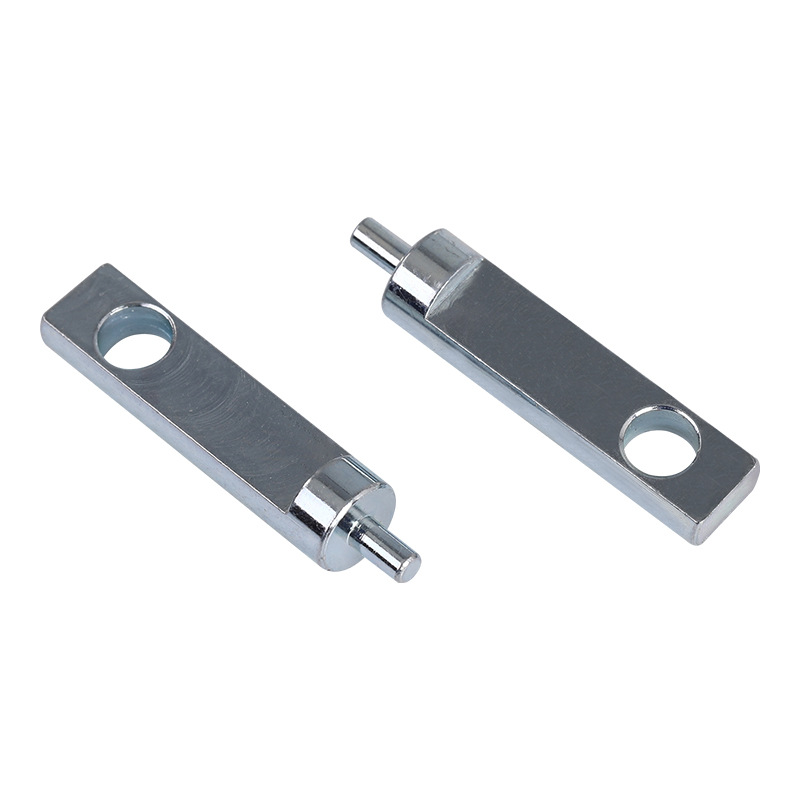
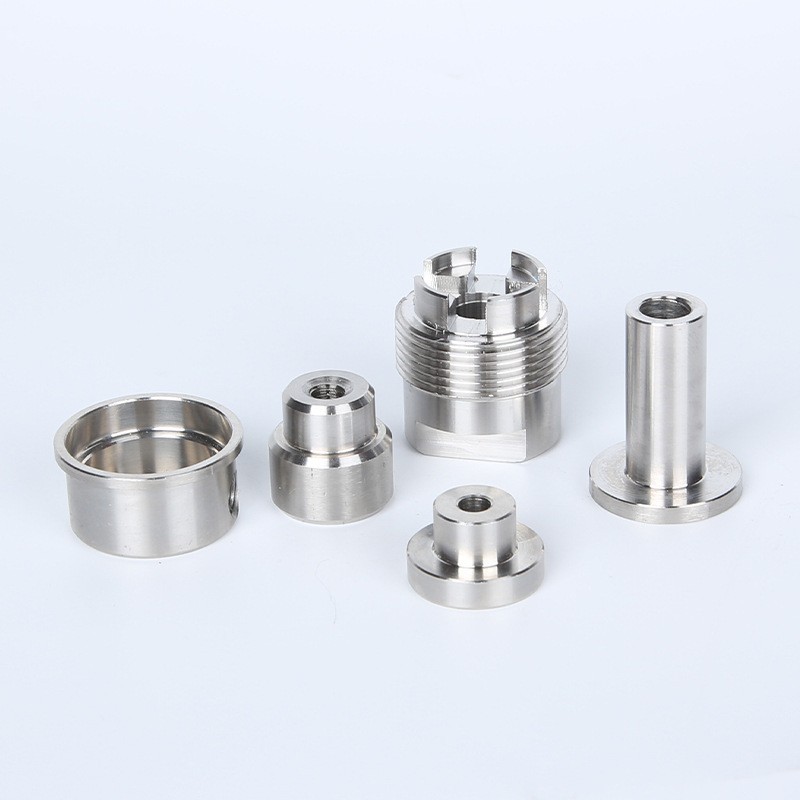
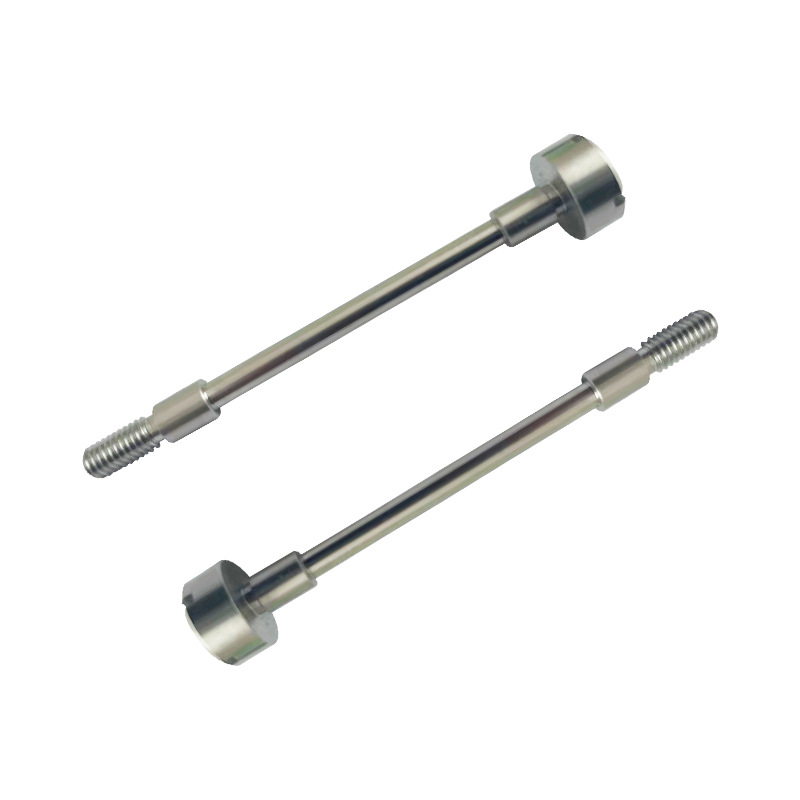
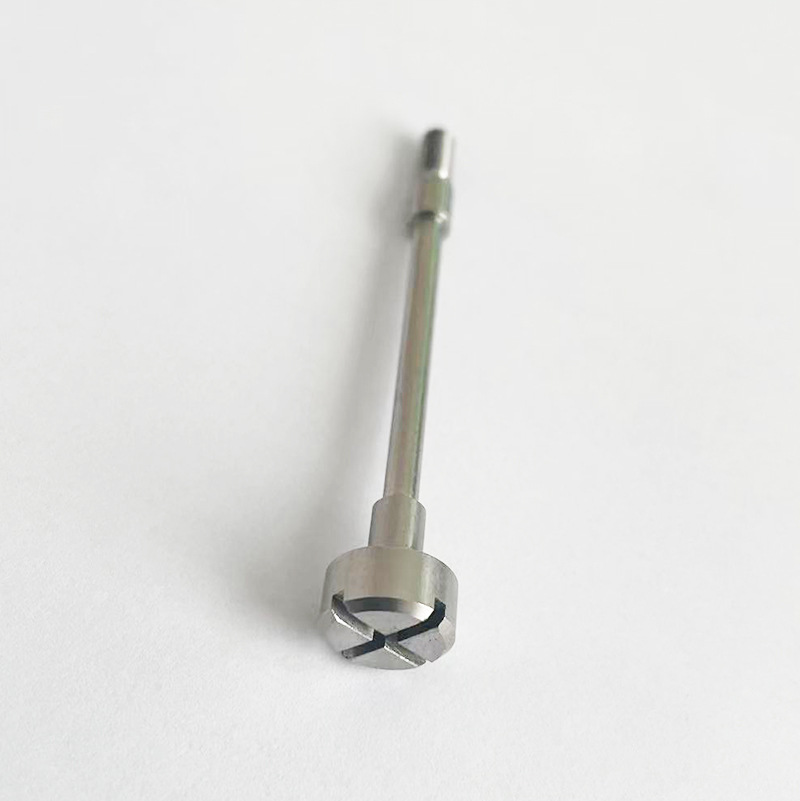
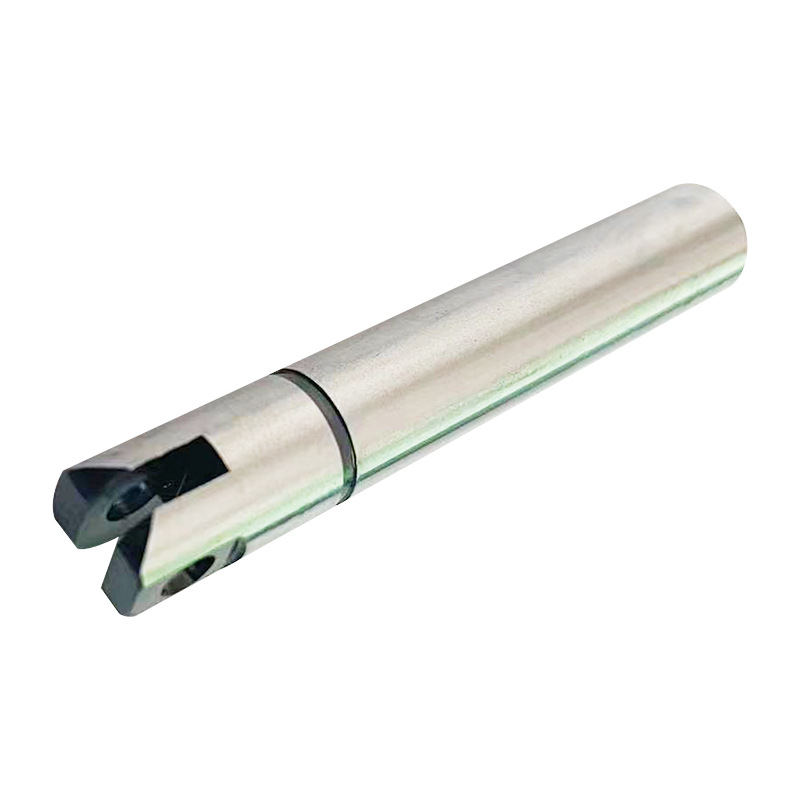
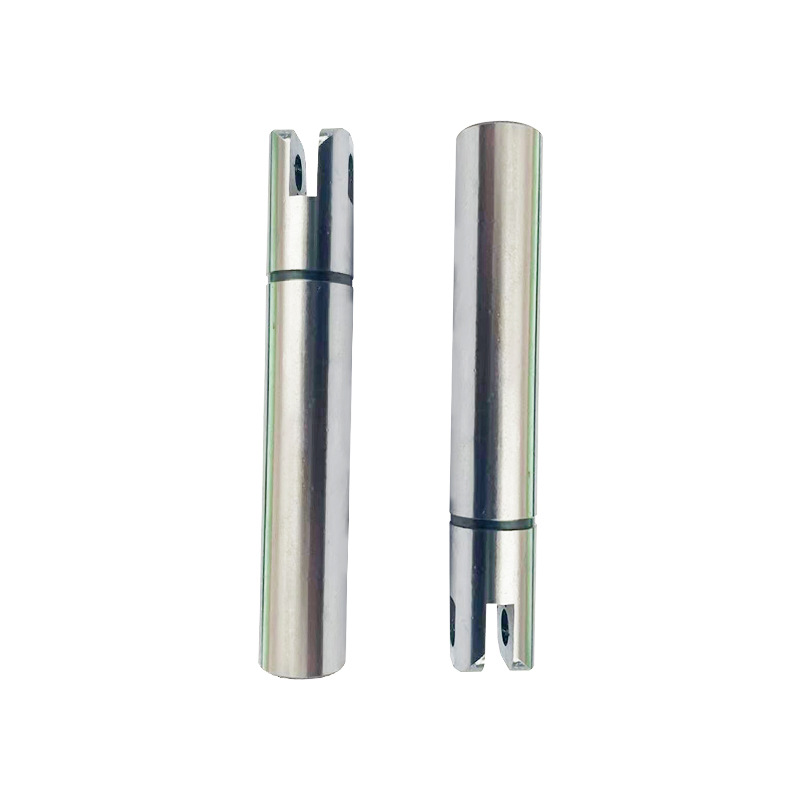
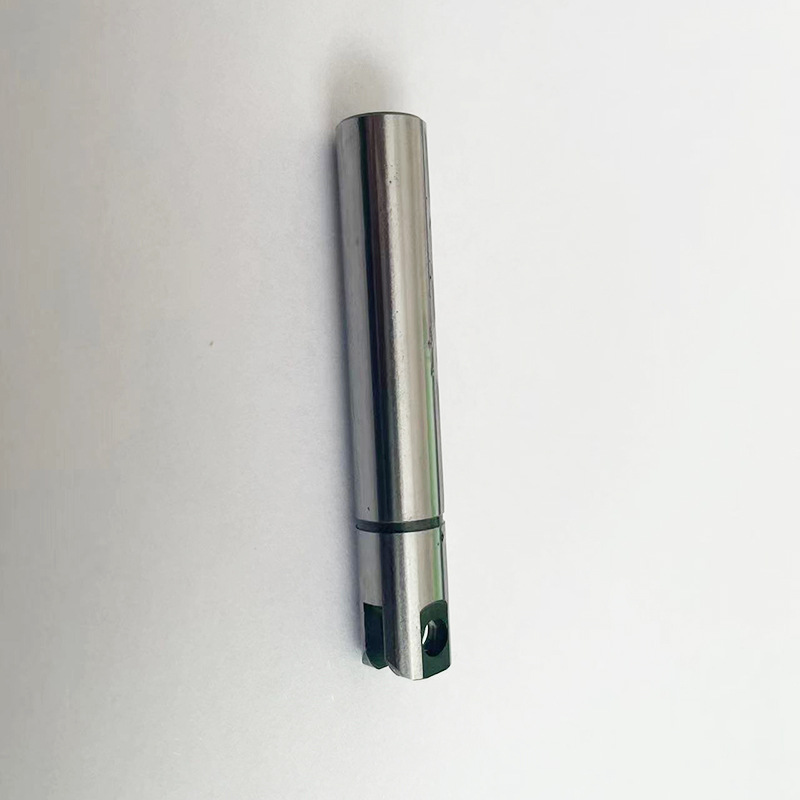
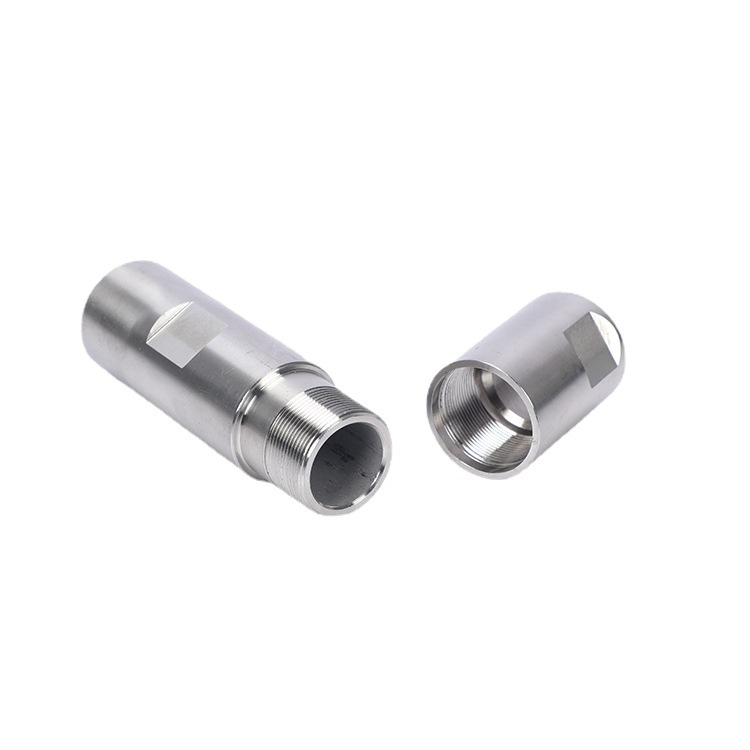
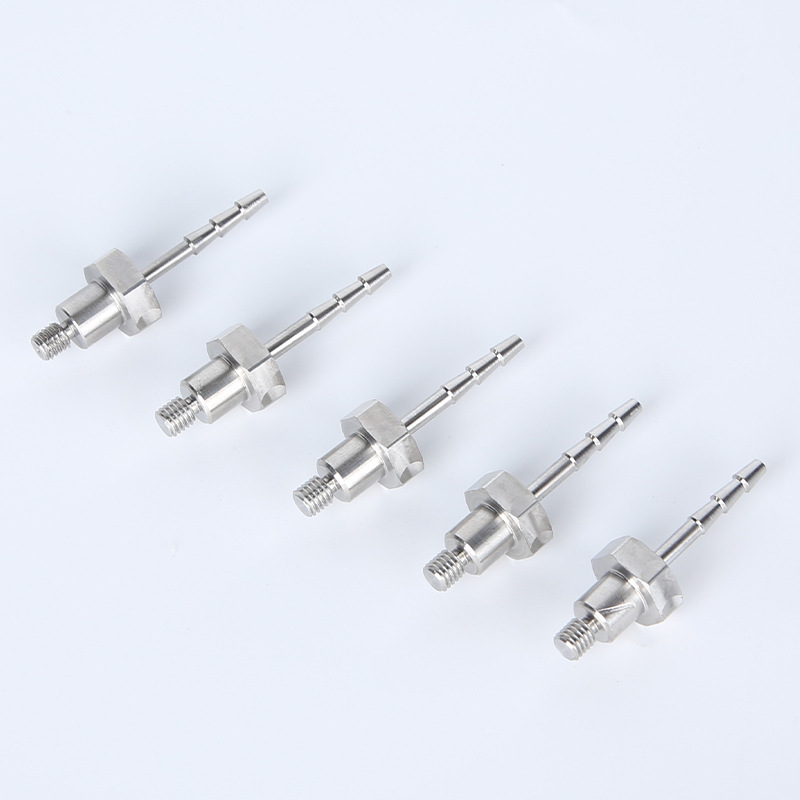
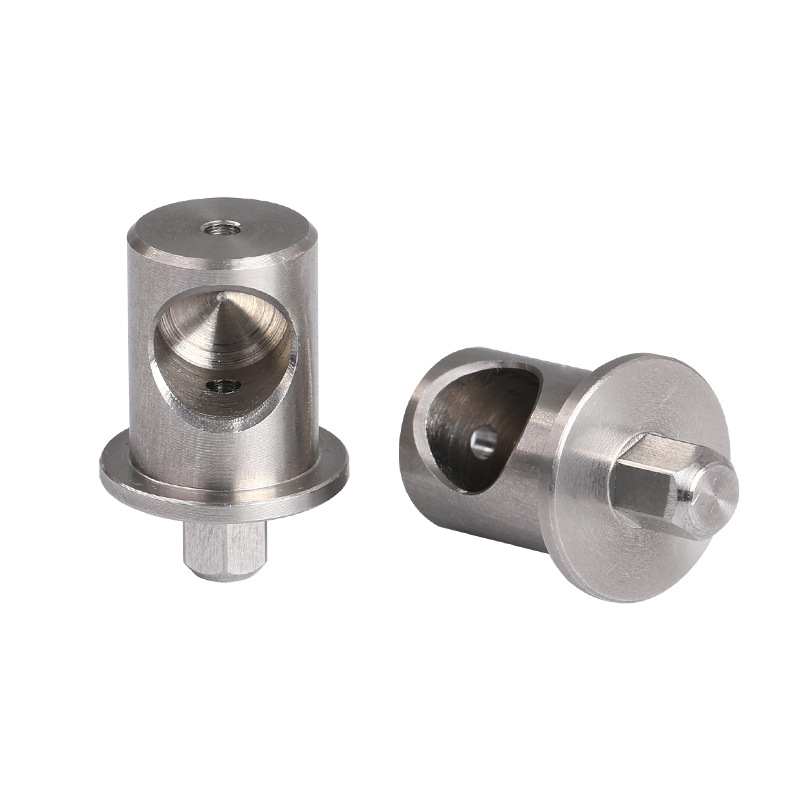
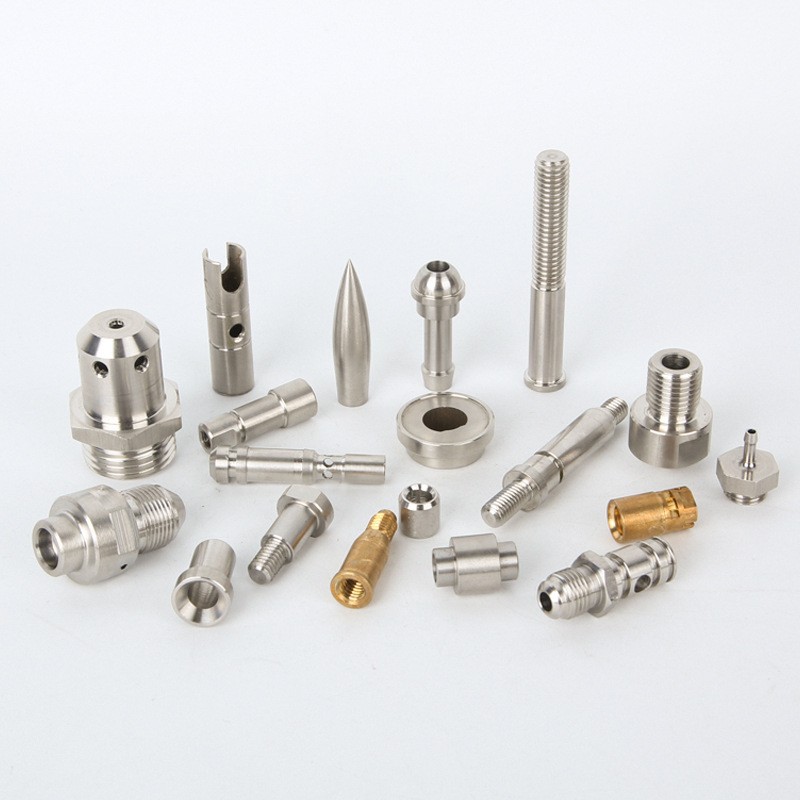
Medical device components make up one of the largest application groups, bone screws, surgical instrument tips, and catheter fittings machined from titanium or 316L stainless steel, where biocompatibility and sub-millimeter tolerances are both non-negotiable. Electronic connectors and contact pins, often brass or beryllium copper, rely on micro machining to hold precise dimensions across thousands of identical parts. Miniature fasteners, screws and pins smaller than a grain of rice, use the same process, as do aerospace fittings machined from titanium or aluminum for weight-critical assemblies. Mold cavities, electrodes, and gauges for semiconductor and optics manufacturing round out the list.
Material-Specific Challenges and How They Are Overcome
Stainless steel work-hardens quickly under a micro tool’s light cutting pressure, which can dull an edge within seconds if speed or feed is wrong. Shops counter this with sharper rake angles, coated carbide or diamond-like coatings, and consistent chip load to avoid rubbing instead of cutting. Softer alloys like brass and aluminum present the opposite problem, gumminess that causes material to smear onto the tool rather than shear cleanly. Higher spindle speeds, polished flute geometry, and targeted coolant delivery help clear chips before they re-weld to the tool tip.
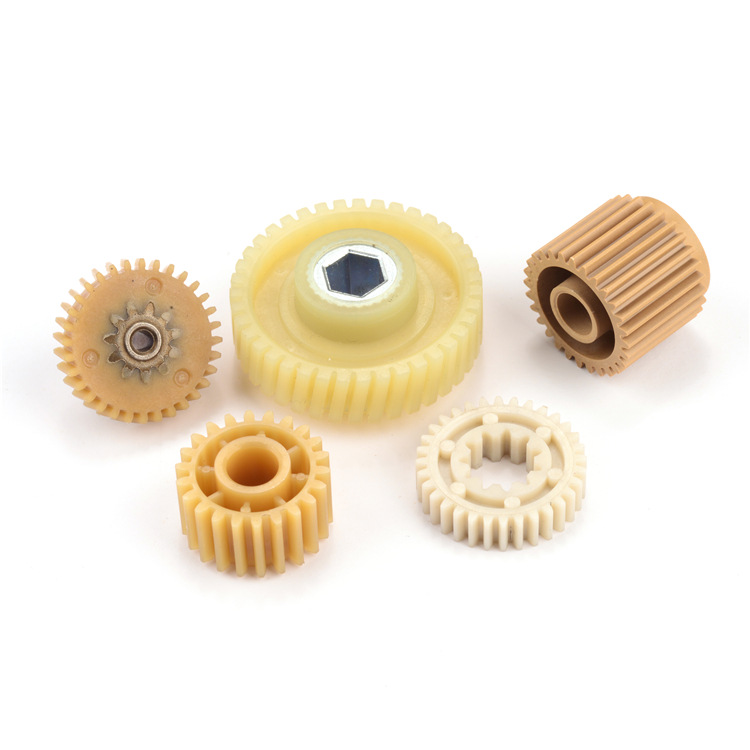
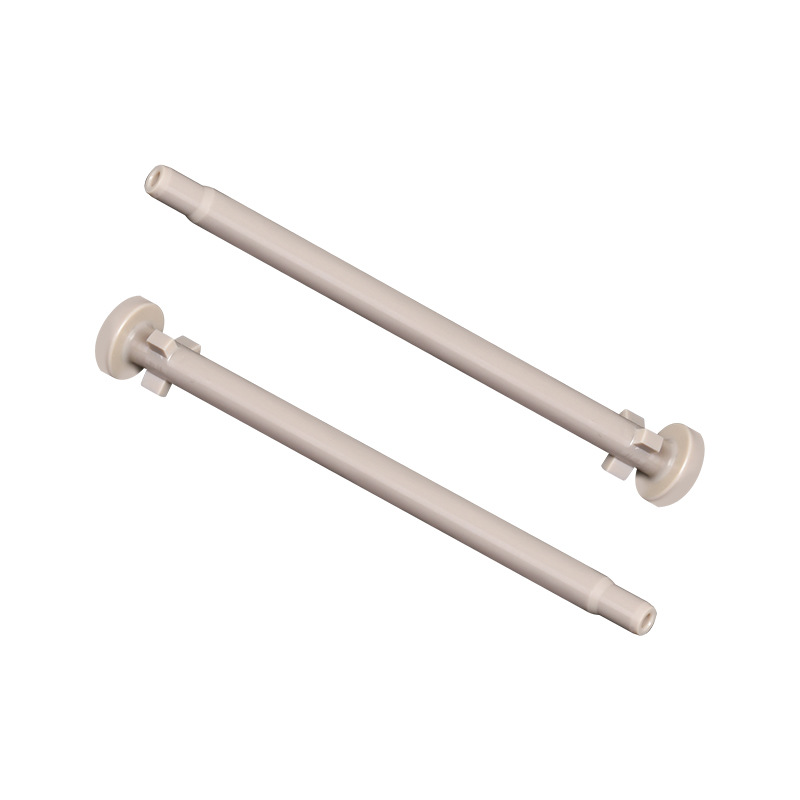
Engineering plastics bring heat sensitivity: because micro tools generate concentrated, localized heat, plastics can melt or deform before a chip even fully forms. Lower cutting speeds, sharper tools, and air or mist cooling instead of flood coolant reduce this risk. Across all materials, coolant strategy matters because micro tools have so little surface area to dissipate heat, a mismatch between coolant type and material is one of the most common causes of scrapped parts.
Practical limits exist regardless of material. Minimum wall thickness generally bottoms out around a few hundredths of a millimeter before the material risks deflecting or cracking under cutting force. Feature aspect ratio, how deep a hole or slot can go relative to its width, is similarly constrained, since a tool much longer than it is wide tends to deflect or snap. MFG SOLUTION applies this material-specific process control to parts up to 38mm in diameter, using CNC turning, Swiss lathe, and CNC mill-turn methods selected to match the alloy and geometry at hand, all within ISO 9001:2015 and IATF 16949 process documentation.
Is Micro Machining a Cost-Effective Choice for Small Precision Parts Production?
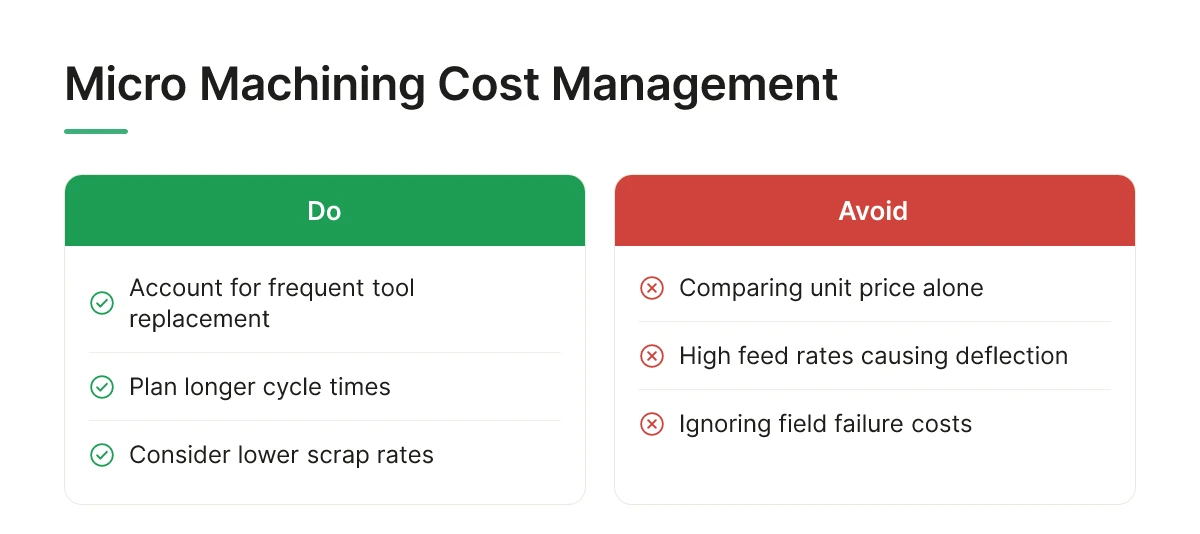
Micro machining costs more per part than conventional CNC work, but it earns that premium back through lower scrap, fewer field failures, and faster time-to-market on tight-tolerance components.
Answering what is micro machining worth to a production budget means looking past the quoted unit price and into the cost drivers that actually move the number. Tooling wear is the biggest one: cutters running at 0.015 in. or smaller dull faster than standard tooling and need more frequent replacement to hold tolerance. Cycle times also run longer because feed rates drop to avoid tool deflection and chatter at micron-level cuts. Add in the inspection intensity required to verify tolerances as tight as +/-0.001mm, plus the scrap risk when a part drifts out of spec near the end of a cycle, and the true cost picture looks different from a simple per-part comparison.
Is Micro Machining Cost-Effective Compared to Other Precision Methods?
Against stamping, EDM, and injection molding, micro machining sits in the mid-to-premium tier for small, complex, low-to-mid-volume parts, while stamping and molding stay budget-friendly at high volume once tooling is amortized.
Stamping is cost-efficient for simple geometries produced in very high volumes, but it struggles with the tight tolerances and complex 3D features micro machining handles routinely. EDM competes well on hard materials and fine detail but typically runs slower per part, pushing total cost up on larger batches. Injection molding is budget-friendly at scale, but tooling investment and lead time make it a poor fit for prototype runs or frequent design revisions. Micro machining’s value proposition is flexibility: no hard tooling to amortize, faster design iteration, and tolerance control that stamping and molding can’t always match without secondary operations.
How Rapid Turnaround Impacts Total Production Cost
Fast quoting and short ship windows cut inventory carrying cost and shrink time-to-market, which often outweighs a higher per-part machining price.
A manufacturer waiting four to six weeks for small precision parts has to carry safety stock, tie up working capital, and absorb schedule risk every time a supplier slips. MFG SOLUTION’s model, a quote within 8 hours and shipment within 3 days of approval, for parts up to 38mm in diameter, changes that math by compressing the sourcing cycle from weeks to days. Less inventory sitting in a warehouse means lower carrying cost and more cash available for other priorities.
Framed as return on investment, the higher per-part cost of micro machining is offset by what it prevents: rework, scrap, and late-stage failures caught only after a full batch ships. Tight process control under ISO 9001:2015, ISO 13485:2016, and IATF 16949 standards reduces the odds of a defect reaching final inspection, which protects the total cost of a production run far more than a lower quote ever could.
Frequently Asked Questions
How small is a micrometer in the context of micro machining?
A micrometer is one-millionth of a meter, roughly 1/70th the width of a human hair. Micromachining typically works with feature sizes and tolerances in the 1 to 500 micrometer range, which is far below what the unaided eye can resolve. At that scale, tool wear, thermal drift, and even air currents can affect accuracy.
What industries use micro machined parts most often?
Medical devices, electronics, and aerospace rely on micro machined parts most, since each demands components with zero margin for fit or performance error. Medical applications include implantable devices and surgical instruments. Electronics manufacturers use micromachining for connectors and micro-molds, while aerospace applies it to fuel system and sensor components.
Can micro machining hold tolerances tighter than conventional CNC machining?
Yes, micro machining routinely holds tolerances as tight as +/-0.001mm, well beyond what standard CNC equipment can achieve. Standard CNC machining struggles once feature sizes drop below about 0.5mm. Micromachining uses specialized tooling, rigid machine platforms, and controlled environments to maintain that precision across a full production run, not just a single part.
What size range typically qualifies as a micro machined part?
Parts with features under 0.5mm, machined with tools smaller than 0.015 inches in diameter, generally qualify as micro machined. In engineering terms, this often means working within the 1 to 500 micrometer range. MFG SOLUTION’s production capabilities extend up to 38mm part diameter, covering the small-to-micro precision parts electronics, automotive, and medical customers need most.
What should I check before choosing a micro machining supplier?
Confirm quality certifications, equipment capability, and turnaround time before committing to a micro machining supplier. Look for ISO 9001:2015 or ISO 13485:2016 certification if you need medical-grade traceability, ask what tolerances their machines document in production (not just on a spec sheet), and verify quoting and shipping timelines match your product launch schedule.
Conclusion
Micro machining solves a specific problem: parts with features under 0.5mm and tolerances tighter than +/-0.001mm that standard CNC equipment cannot reliably hold. Before committing to a process, confirm your supplier’s actual tolerance data in production, not just machine spec sheets, and match their certifications to your industry’s compliance requirements.
If your project involves small precision parts up to 38mm in diameter, submit your specifications to MFG SOLUTION for a quote within 8 hours and compare turnaround against your current vendor’s 4-6 week cycle.
Recommended Articles
Explore more from our content library: