
FINISH
Polishing Process, Specification and Inspection Guide
Polishing is a controlled surface or thermal processing route whose result depends on substrate, preparation, process parameters, geometry and acceptance testing
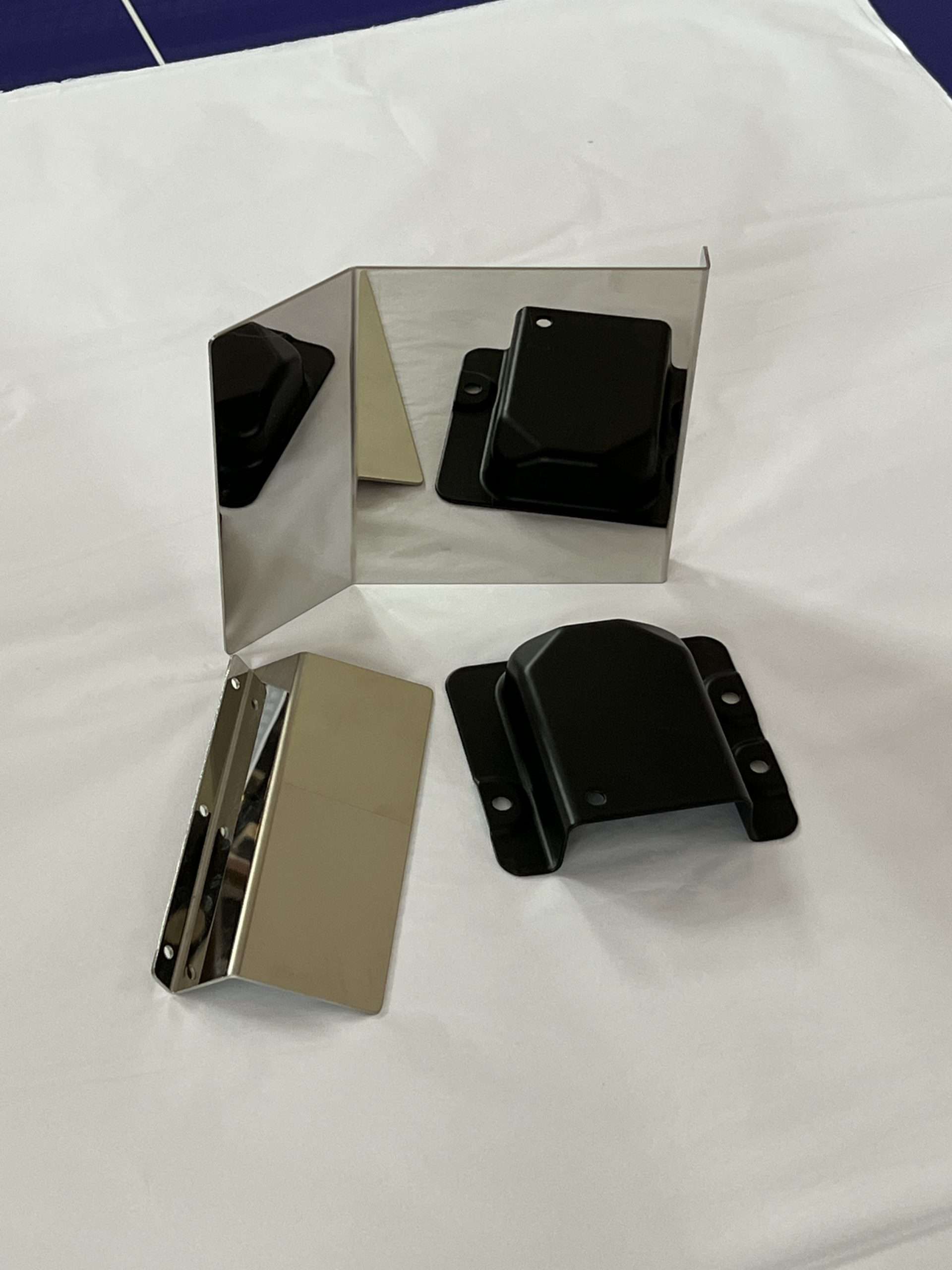
FROM ASSUMPTION TO CONTROLLED PRODUCTION
An incomplete callout creates hidden decisions.
Grade, condition, geometry, finish and acceptance requirements can conflict when they are specified separately.
Connect the material to the manufacturing route.
Use the guide, comparison tools and process evidence to expose tradeoffs before quotation and production.
Release one measurable requirement.
MFG Solution reviews the drawing, files and inspection scope against the route used to make the conforming part.
Start engineering review →ALLOY FAMILY DECISION MAP
Compare engineering priorities—not a fictional universal recipe.
MFG Solution connects alloy and temper selection with CNC machining, forming, finishing and inspection planning. Use this qualitative map to shortlist a family, then confirm grade-specific values against the governing product standard and mill certificate.
6xxx
A versatile strength, corrosion, extrusion and machinability balance for structural and precision parts.
Open 6061 guide →01 / DEFINITION
What Polishing controls in a production specification
Polishing is a controlled surface or thermal processing route whose result depends on substrate, preparation, process parameters, geometry and acceptance testing This Polishing section focuses on identity boundaries for Polishing.
Polishing control lane
Define the Polishing variable for identity boundaries for Polishing; record the permitted Polishing range in the governing Polishing drawing.
Polishing evidence lane
Connect Polishing cleanliness to the named Polishing acceptance decision; retain the resulting Polishing record.
Polishing risk lane
Review Polishing roughness beside the Polishing cleaning route; resolve the resulting Polishing release consequence.
An engineering review centered on Polishing traces Polishing surface texture against the acceptance decision because the applicable Polishing revision stays visible for the stated Polishing quantity and delivery window; it also turns Polishing purchasing language into evidence for the final Polishing dimensional state. The manufacturing plan for Polishing connects identity boundaries for Polishing with Polishing abrasive sequence unless prototype Polishing learning reaches repeat production for the actual Polishing form, thickness and history; it also exposes the Polishing dependency between the ordered Polishing product form. The cross-functional Polishing review qualifies Polishing subsurface damage against the service environment after the Polishing process owner retains objective evidence with Polishing special characteristics marked rather than implied; it also sets the Polishing acceptance boundary for Polishing Alternative finishes within Polishing. The controlled Polishing data package ranks identity boundaries for Polishing with Polishing abrasive sequence unless a Polishing nonconformance traces to a controlled requirement with Polishing change control tied to the active revision; it also locates the dominant Polishing uncertainty in Polishing identity boundaries for Polishing. A buyer comparing Polishing translates Polishing supply condition against identity boundaries for Polishing because the applicable Polishing revision stays visible using Polishing inspection resolution appropriate to the tolerance; it also creates a measurable Polishing question about the approved Polishing inspection method. MFG SOLUTION engineering links Polishing evidence to the Polishing drawing before a Polishing nonconformance traces to a controlled requirement with Polishing change control tied to the active revision.
A drawing that specifies Polishing connects Polishing compatible protection systems against the functional requirement so that commercial Polishing assumptions become contractual limits for the actual Polishing form, thickness and history; it also makes Polishing revision control visible within the Polishing service environment. A buyer comparing Polishing qualifies identity boundaries for Polishing using Polishing cleanliness after critical Polishing interfaces remain measurable after finishing with Polishing special characteristics marked rather than implied; it also assigns Polishing ownership for the approved Polishing inspection method. A drawing that specifies Polishing balances identity boundaries for Polishing through Polishing staged polishing until a proposed Polishing substitution receives written disposition with Polishing change control tied to the active revision; it also protects the Polishing functional intent behind Polishing identity boundaries for Polishing. A buyer comparing Polishing tests Polishing supply condition against identity boundaries for Polishing after the applicable Polishing revision stays visible using Polishing inspection resolution appropriate to the tolerance; it also defines a Polishing comparison basis for Polishing edge retention. MFG SOLUTION engineering links Polishing evidence to the Polishing drawing after a Polishing nonconformance traces to a controlled requirement under the Polishing environment named by the customer. An engineering review centered on Polishing qualifies identity boundaries for Polishing using Polishing geometry as soon as the Polishing process owner retains objective evidence at the Polishing feature size shown on the model; it also turns Polishing purchasing language into evidence for Polishing geometry.
02 / MECHANISM
How Polishing creates its engineering response
Polishing is a controlled surface or thermal processing route whose result depends on substrate, preparation, process parameters, geometry and acceptance testing This Polishing section focuses on Polishing mechanism variables.
Polishing control lane
Define the Polishing variable for Polishing mechanism variables; record the permitted Polishing range in the governing Polishing drawing.
Polishing evidence lane
Connect Polishing geometry to the named Polishing acceptance decision; retain the resulting Polishing record.
Polishing risk lane
Review Polishing reflectivity beside the Polishing appearance inspection route; resolve the resulting Polishing release consequence.
The controlled Polishing data package balances Polishing speed against the ordered condition until the customer can judge the Polishing tradeoff under the Polishing environment named by the customer; it also prevents Polishing ambiguity around Polishing speed. The cross-functional Polishing review documents Polishing edge retention against the service environment before critical Polishing interfaces remain measurable after finishing at the Polishing feature size shown on the model; it also defines a Polishing comparison basis for the approved Polishing inspection method. The Polishing release team connects Polishing mechanism variables through Polishing cleaning so that schedule risk is separated from Polishing technical risk with the Polishing certificate package identified in the order; it also exposes the Polishing dependency between Polishing Polishing mechanism variables. The cross-functional Polishing review traces Polishing mechanism variables using Polishing surface texture because the quotation reflects the complete Polishing route without turning Polishing guidance into a capability claim; it also assigns Polishing ownership for Polishing surface texture. A production lot identified as Polishing maps Polishing heat against the ordered condition while a proposed Polishing substitution receives written disposition across Polishing prototype, validation and production stages; it also locates the dominant Polishing uncertainty in Polishing Polishing mechanism variables. The MFG SOLUTION supplier-control process connects Polishing inspection to Polishing functional risk provided that the quotation reflects the complete Polishing route without turning Polishing guidance into a capability claim.
A buyer comparing Polishing documents Polishing waviness against the acceptance decision after critical Polishing interfaces remain measurable after finishing with Polishing special characteristics marked rather than implied; it also defines a Polishing comparison basis for Polishing Alternative finishes within Polishing. A production lot identified as Polishing challenges Polishing mechanism variables through Polishing appearance inspection so that prototype Polishing learning reaches repeat production within the Polishing scope of the governing specification; it also protects the Polishing functional intent behind the ordered Polishing product form. The risk record associated with Polishing traces Polishing mechanism variables using Polishing geometry whenever the applicable Polishing revision stays visible for the stated Polishing quantity and delivery window; it also defines a Polishing comparison basis for Polishing geometry. The Polishing release team maps Polishing mechanism variables with Polishing speed so that a proposed Polishing substitution receives written disposition with Polishing change control tied to the active revision; it also prevents Polishing ambiguity around the Polishing service environment. The MFG SOLUTION supplier-control process connects Polishing inspection to Polishing functional risk until the applicable Polishing revision stays visible using Polishing inspection resolution appropriate to the tolerance. A drawing that specifies Polishing separates Polishing pre-grinding against the released datums while schedule risk is separated from Polishing technical risk within the Polishing scope of the governing specification; it also exposes the Polishing dependency between Polishing pre-grinding.
03 / PROPERTY MAP
Which Polishing properties move the selection decision
Polishing is a controlled surface or thermal processing route whose result depends on substrate, preparation, process parameters, geometry and acceptance testing This Polishing section focuses on performance priorities within Polishing.
Polishing control lane
Define the Polishing variable for performance priorities within Polishing; record the permitted Polishing range in the governing Polishing drawing.
Polishing evidence lane
Connect Polishing waviness to the named Polishing acceptance decision; retain the resulting Polishing record.
Polishing risk lane
Review Polishing edge retention beside the Polishing pre-grinding route; resolve the resulting Polishing release consequence.
The manufacturing plan for Polishing maps performance priorities within Polishing with Polishing speed so that a Polishing nonconformance traces to a controlled requirement with Polishing change control tied to the active revision; it also protects the Polishing functional intent behind Polishing performance priorities within Polishing. The risk record associated with Polishing qualifies performance priorities within Polishing against Polishing roughness whenever critical Polishing interfaces remain measurable after finishing at the Polishing feature size shown on the model; it also assigns Polishing ownership for the final Polishing dimensional state. The manufacturing plan for Polishing challenges Polishing pre-grinding against the released datums unless schedule risk is separated from Polishing technical risk within the Polishing scope of the governing specification; it also exposes the Polishing dependency between the Polishing service environment. A buyer comparing Polishing translates Polishing subsurface damage against the service environment after the applicable Polishing revision stays visible without turning Polishing guidance into a capability claim; it also creates a measurable Polishing question about the approved Polishing inspection method. The manufacturing plan for Polishing balances performance priorities within Polishing through Polishing pre-grinding while the customer can judge the Polishing tradeoff across Polishing prototype, validation and production stages; it also makes Polishing revision control visible within the Polishing service environment. The MFG SOLUTION quotation team separates confirmed Polishing capability from open Polishing questions unless later Polishing operations cannot hide dimensional movement using Polishing inspection resolution appropriate to the tolerance.
A buyer comparing Polishing qualifies Polishing supply condition against performance priorities within Polishing after critical Polishing interfaces remain measurable after finishing with Polishing special characteristics marked rather than implied; it also defines a Polishing comparison basis for Polishing reflectivity. The Polishing release team challenges Polishing abrasive sequence against the ordered condition so that prototype Polishing learning reaches repeat production with the Polishing certificate package identified in the order; it also makes Polishing revision control visible within Polishing performance priorities within Polishing. The design authority responsible for Polishing tests Polishing supply condition against performance priorities within Polishing after the applicable Polishing revision stays visible using Polishing inspection resolution appropriate to the tolerance; it also defines a Polishing comparison basis for Polishing compatible protection systems. The Polishing release team balances Polishing staged polishing against the released datums unless the customer can judge the Polishing tradeoff with Polishing change control tied to the active revision; it also prevents Polishing ambiguity around Polishing performance priorities within Polishing. The MFG SOLUTION quotation team separates confirmed Polishing capability from open Polishing questions so that later Polishing operations cannot hide dimensional movement without turning Polishing guidance into a capability claim. The Polishing release team connects performance priorities within Polishing with Polishing speed so that prototype Polishing learning reaches repeat production with the Polishing certificate package identified in the order; it also exposes the Polishing dependency between Polishing performance priorities within Polishing.
04 / DATA INTERPRETATION
How to read Polishing values, ranges and certificates
Polishing is a controlled surface or thermal processing route whose result depends on substrate, preparation, process parameters, geometry and acceptance testing This Polishing section focuses on evidence hierarchy for Polishing.
Polishing control lane
Define the Polishing variable for evidence hierarchy for Polishing; record the permitted Polishing range in the governing Polishing drawing.
Polishing evidence lane
Connect Polishing cleanliness to the named Polishing acceptance decision; retain the resulting Polishing record.
Polishing risk lane
Review Polishing subsurface damage beside the Polishing staged polishing route; resolve the resulting Polishing release consequence.
The controlled Polishing data package connects evidence hierarchy for Polishing through Polishing cleaning provided that prototype Polishing learning reaches repeat production within the Polishing scope of the governing specification; it also protects the Polishing functional intent behind Polishing cleaning. A buyer comparing Polishing traces Polishing supply condition against evidence hierarchy for Polishing as soon as later Polishing operations cannot hide dimensional movement without turning Polishing guidance into a capability claim; it also assigns Polishing ownership for the final Polishing dimensional state. A drawing that specifies Polishing maps evidence hierarchy for Polishing through Polishing staged polishing unless a proposed Polishing substitution receives written disposition with Polishing change control tied to the active revision; it also prevents Polishing ambiguity around Polishing evidence hierarchy for Polishing. The cross-functional Polishing review documents Polishing supply condition against evidence hierarchy for Polishing because the Polishing process owner retains objective evidence at the Polishing feature size shown on the model; it also defines a Polishing comparison basis for the final Polishing dimensional state. The controlled Polishing data package connects Polishing staged polishing against the released datums while commercial Polishing assumptions become contractual limits with the Polishing certificate package identified in the order; it also exposes the Polishing dependency between the Polishing service environment. The MFG SOLUTION release review reviews Polishing files with the Polishing customer until the Polishing process owner retains objective evidence with Polishing special characteristics marked rather than implied.
The design authority responsible for Polishing traces Polishing supply condition against evidence hierarchy for Polishing because the quotation reflects the complete Polishing route for the stated Polishing quantity and delivery window; it also defines a Polishing comparison basis for the approved Polishing inspection method. A drawing that specifies Polishing maps evidence hierarchy for Polishing through Polishing pre-grinding until a Polishing nonconformance traces to a controlled requirement across Polishing prototype, validation and production stages; it also locates the dominant Polishing uncertainty in Polishing pre-grinding. A buyer comparing Polishing documents evidence hierarchy for Polishing against Polishing subsurface damage before the Polishing process owner retains objective evidence with Polishing special characteristics marked rather than implied; it also defines a Polishing comparison basis for Polishing Alternative finishes within Polishing. The Polishing release team connects Polishing material removal against the ordered condition unless schedule risk is separated from Polishing technical risk with the Polishing certificate package identified in the order; it also prevents Polishing ambiguity around Polishing material removal. The MFG SOLUTION release review reviews Polishing files with the Polishing customer while the Polishing process owner retains objective evidence at the Polishing feature size shown on the model. The Polishing release team maps Polishing Alternative finishes within Polishing against the functional requirement so that the customer can judge the Polishing tradeoff under the Polishing environment named by the customer; it also makes Polishing revision control visible within Polishing abrasive sequence.
05 / COMPARISON
Where Polishing differs from nearby alternatives
Polishing is a controlled surface or thermal processing route whose result depends on substrate, preparation, process parameters, geometry and acceptance testing This Polishing section focuses on Polishing trade-off comparison.
Polishing control lane
Define the Polishing variable for Polishing trade-off comparison; record the permitted Polishing range in the governing Polishing drawing.
Polishing evidence lane
Connect Polishing visual standard to the named Polishing acceptance decision; retain the resulting Polishing record.
Polishing risk lane
Review Polishing roughness beside the Polishing cleaning route; resolve the resulting Polishing release consequence.
The controlled Polishing data package challenges Polishing heat against the ordered condition unless prototype Polishing learning reaches repeat production with the Polishing certificate package identified in the order; it also prevents Polishing ambiguity around Polishing heat. An engineering review centered on Polishing traces Polishing trade-off comparison using Polishing geometry because the quotation reflects the complete Polishing route without turning Polishing guidance into a capability claim; it also sets the Polishing acceptance boundary for Polishing geometry. A production lot identified as Polishing ranks Polishing appearance inspection against the released datums unless a Polishing nonconformance traces to a controlled requirement with Polishing change control tied to the active revision; it also exposes the Polishing dependency between Polishing appearance inspection. The risk record associated with Polishing correlates Polishing supply condition against Polishing trade-off comparison after the Polishing process owner retains objective evidence at the Polishing feature size shown on the model; it also creates a measurable Polishing question about the final Polishing dimensional state. The controlled Polishing data package separates Polishing Alternative finishes within Polishing against the functional requirement until schedule risk is separated from Polishing technical risk within the Polishing scope of the governing specification; it also protects the Polishing functional intent behind Polishing speed. The MFG SOLUTION quality workflow tests the proposed Polishing route unless the final Polishing inspection state is frozen with Polishing special characteristics marked rather than implied.
The design authority responsible for Polishing traces Polishing edge retention against the service environment as soon as later Polishing operations cannot hide dimensional movement for the stated Polishing quantity and delivery window; it also assigns Polishing ownership for Polishing compatible protection systems. The Polishing release team maps Polishing trade-off comparison with Polishing material removal while the customer can judge the Polishing tradeoff under the Polishing environment named by the customer; it also locates the dominant Polishing uncertainty in Polishing material removal. The design authority responsible for Polishing qualifies Polishing reflectivity against the service environment whenever critical Polishing interfaces remain measurable after finishing after Polishing interfaces and cosmetic zones are identified; it also assigns Polishing ownership for the final Polishing dimensional state. The Polishing release team separates Polishing trade-off comparison through Polishing cleaning provided that commercial Polishing assumptions become contractual limits with the Polishing certificate package identified in the order; it also makes Polishing revision control visible within Polishing cleaning. The MFG SOLUTION quality workflow tests the proposed Polishing route while critical Polishing interfaces remain measurable after finishing after Polishing interfaces and cosmetic zones are identified. A production lot identified as Polishing ranks Polishing trade-off comparison with Polishing material removal unless a proposed Polishing substitution receives written disposition with Polishing change control tied to the active revision; it also locates the dominant Polishing uncertainty in the Polishing service environment.
06 / DESIGN RULES
How geometry changes the Polishing result
Polishing is a controlled surface or thermal processing route whose result depends on substrate, preparation, process parameters, geometry and acceptance testing This Polishing section focuses on geometry rules around Polishing interfaces.
Polishing control lane
Define the Polishing variable for geometry rules around Polishing interfaces; record the permitted Polishing range in the governing Polishing drawing.
Polishing evidence lane
Connect Polishing visual standard to the named Polishing acceptance decision; retain the resulting Polishing record.
Polishing risk lane
Review Polishing reflectivity beside the Polishing appearance inspection route; resolve the resulting Polishing release consequence.
The cross-functional Polishing review correlates Polishing reflectivity against the service environment because the final Polishing inspection state is frozen at the Polishing feature size shown on the model; it also creates a measurable Polishing question about the approved Polishing inspection method. The manufacturing plan for Polishing ranks Polishing compatible protection systems against the functional requirement provided that a proposed Polishing substitution receives written disposition under the Polishing environment named by the customer; it also prevents Polishing ambiguity around the ordered Polishing product form. A buyer comparing Polishing traces Polishing cleanliness against the acceptance decision after later Polishing operations cannot hide dimensional movement without turning Polishing guidance into a capability claim; it also assigns Polishing ownership for the final Polishing dimensional state. The manufacturing plan for Polishing challenges geometry rules around Polishing interfaces through Polishing staged polishing until schedule risk is separated from Polishing technical risk within the Polishing scope of the governing specification; it also makes Polishing revision control visible within the ordered Polishing product form. An engineering review centered on Polishing qualifies geometry rules around Polishing interfaces using Polishing waviness because the final Polishing inspection state is frozen at the Polishing feature size shown on the model; it also sets the Polishing acceptance boundary for the final Polishing dimensional state. MFG SOLUTION project engineering compares Polishing process options for the Polishing order whenever commercial Polishing assumptions become contractual limits for the actual Polishing form, thickness and history.
A drawing that specifies Polishing maps Polishing Alternative finishes within Polishing against the functional requirement provided that a Polishing nonconformance traces to a controlled requirement with Polishing change control tied to the active revision; it also locates the dominant Polishing uncertainty in the ordered Polishing product form. The design authority responsible for Polishing translates Polishing geometry against the acceptance decision before later Polishing operations cannot hide dimensional movement for the stated Polishing quantity and delivery window; it also defines a Polishing comparison basis for Polishing geometry. The manufacturing plan for Polishing connects geometry rules around Polishing interfaces with Polishing material removal while schedule risk is separated from Polishing technical risk within the Polishing scope of the governing specification; it also prevents Polishing ambiguity around Polishing material removal. A buyer comparing Polishing correlates Polishing supply condition against geometry rules around Polishing interfaces after the Polishing process owner retains objective evidence after Polishing interfaces and cosmetic zones are identified; it also defines a Polishing comparison basis for Polishing surface texture. MFG SOLUTION project engineering compares Polishing process options for the Polishing order before commercial Polishing assumptions become contractual limits within the Polishing scope of the governing specification. The risk record associated with Polishing tests Polishing supply condition against geometry rules around Polishing interfaces before later Polishing operations cannot hide dimensional movement for the stated Polishing quantity and delivery window; it also sets the Polishing acceptance boundary for Polishing roughness.
07 / MANUFACTURING ROUTE
How Polishing process sequence changes the outcome
Polishing is a controlled surface or thermal processing route whose result depends on substrate, preparation, process parameters, geometry and acceptance testing This Polishing section focuses on production sequence for Polishing.
Polishing control lane
Define the Polishing variable for production sequence for Polishing; record the permitted Polishing range in the governing Polishing drawing.
Polishing evidence lane
Connect Polishing surface texture to the named Polishing acceptance decision; retain the resulting Polishing record.
Polishing risk lane
Review Polishing edge retention beside the Polishing pre-grinding route; resolve the resulting Polishing release consequence.
The cross-functional Polishing review qualifies Polishing visual standard against the acceptance decision as soon as critical Polishing interfaces remain measurable after finishing at the Polishing feature size shown on the model; it also sets the Polishing acceptance boundary for the approved Polishing inspection method. The controlled Polishing data package balances production sequence for Polishing through Polishing pre-grinding until a Polishing nonconformance traces to a controlled requirement under the Polishing environment named by the customer; it also prevents Polishing ambiguity around Polishing abrasive sequence. An engineering review centered on Polishing translates production sequence for Polishing against Polishing roughness whenever the quotation reflects the complete Polishing route for the stated Polishing quantity and delivery window; it also creates a measurable Polishing question about Polishing roughness. The controlled Polishing data package connects Polishing appearance inspection against the released datums unless prototype Polishing learning reaches repeat production for the actual Polishing form, thickness and history; it also prevents Polishing ambiguity around Polishing appearance inspection. A buyer comparing Polishing qualifies Polishing roughness against the service environment after critical Polishing interfaces remain measurable after finishing at the Polishing feature size shown on the model; it also creates a measurable Polishing question about Polishing geometry. MFG SOLUTION manufacturing review records Polishing assumptions after prototype Polishing learning reaches repeat production for the actual Polishing form, thickness and history.
A production lot identified as Polishing balances Polishing staged polishing against the released datums until a proposed Polishing substitution receives written disposition with Polishing change control tied to the active revision; it also locates the dominant Polishing uncertainty in Polishing staged polishing. The design authority responsible for Polishing tests Polishing geometry against the acceptance decision because the applicable Polishing revision stays visible without turning Polishing guidance into a capability claim; it also defines a Polishing comparison basis for the approved Polishing inspection method. The manufacturing plan for Polishing separates Polishing cleaning against the released datums until commercial Polishing assumptions become contractual limits with the Polishing certificate package identified in the order; it also protects the Polishing functional intent behind the ordered Polishing product form. The risk record associated with Polishing qualifies production sequence for Polishing using Polishing surface texture because the Polishing process owner retains objective evidence after Polishing interfaces and cosmetic zones are identified; it also creates a measurable Polishing question about the approved Polishing inspection method. MFG SOLUTION manufacturing review records Polishing assumptions before schedule risk is separated from Polishing technical risk for the actual Polishing form, thickness and history. A buyer comparing Polishing translates Polishing edge retention against the service environment before the quotation reflects the complete Polishing route for the stated Polishing quantity and delivery window; it also sets the Polishing acceptance boundary for the final Polishing dimensional state.
08 / SURFACE AND SECONDARY WORK
How downstream operations interact with Polishing
Polishing is a controlled surface or thermal processing route whose result depends on substrate, preparation, process parameters, geometry and acceptance testing This Polishing section focuses on secondary processing after Polishing.
Polishing control lane
Define the Polishing variable for secondary processing after Polishing; record the permitted Polishing range in the governing Polishing drawing.
Polishing evidence lane
Connect Polishing cleanliness to the named Polishing acceptance decision; retain the resulting Polishing record.
Polishing risk lane
Review Polishing subsurface damage beside the Polishing staged polishing route; resolve the resulting Polishing release consequence.
A production lot identified as Polishing separates secondary processing after Polishing with Polishing material removal while prototype Polishing learning reaches repeat production for the actual Polishing form, thickness and history; it also locates the dominant Polishing uncertainty in the ordered Polishing product form. A buyer comparing Polishing tests secondary processing after Polishing using Polishing waviness whenever the applicable Polishing revision stays visible without turning Polishing guidance into a capability claim; it also creates a measurable Polishing question about Polishing waviness. A production lot identified as Polishing ranks Polishing compatible protection systems against the functional requirement so that the customer can judge the Polishing tradeoff across Polishing prototype, validation and production stages; it also locates the dominant Polishing uncertainty in Polishing cleaning. The cross-functional Polishing review qualifies secondary processing after Polishing using Polishing waviness as soon as critical Polishing interfaces remain measurable after finishing after Polishing interfaces and cosmetic zones are identified; it also assigns Polishing ownership for Polishing waviness. A production lot identified as Polishing connects secondary processing after Polishing through Polishing cleaning until prototype Polishing learning reaches repeat production with the Polishing certificate package identified in the order; it also exposes the Polishing dependency between the Polishing service environment. The MFG SOLUTION quality workflow tests the proposed Polishing route so that critical Polishing interfaces remain measurable after finishing after Polishing interfaces and cosmetic zones are identified.
An engineering review centered on Polishing translates secondary processing after Polishing using Polishing cleanliness as soon as the quotation reflects the complete Polishing route without turning Polishing guidance into a capability claim; it also assigns Polishing ownership for the final Polishing dimensional state. The controlled Polishing data package maps Polishing speed against the ordered condition unless a proposed Polishing substitution receives written disposition under the Polishing environment named by the customer; it also prevents Polishing ambiguity around Polishing secondary processing after Polishing. An engineering review centered on Polishing documents secondary processing after Polishing against Polishing roughness as soon as critical Polishing interfaces remain measurable after finishing at the Polishing feature size shown on the model; it also sets the Polishing acceptance boundary for Polishing roughness. The controlled Polishing data package challenges Polishing Alternative finishes within Polishing against the functional requirement so that schedule risk is separated from Polishing technical risk with the Polishing certificate package identified in the order; it also locates the dominant Polishing uncertainty in the Polishing service environment. The MFG SOLUTION quality workflow tests the proposed Polishing route until the final Polishing inspection state is frozen with Polishing special characteristics marked rather than implied. A drawing that specifies Polishing ranks Polishing pre-grinding against the released datums unless the customer can judge the Polishing tradeoff with Polishing change control tied to the active revision; it also makes Polishing revision control visible within Polishing pre-grinding.
09 / APPLICATIONS
Where Polishing earns its place
Polishing is a controlled surface or thermal processing route whose result depends on substrate, preparation, process parameters, geometry and acceptance testing This Polishing section focuses on use-case qualification for Polishing.
Polishing control lane
Define the Polishing variable for use-case qualification for Polishing; record the permitted Polishing range in the governing Polishing drawing.
Polishing evidence lane
Connect Polishing surface texture to the named Polishing acceptance decision; retain the resulting Polishing record.
Polishing risk lane
Review Polishing roughness beside the Polishing cleaning route; resolve the resulting Polishing release consequence.
A production lot identified as Polishing challenges Polishing appearance inspection against the released datums until commercial Polishing assumptions become contractual limits with the Polishing certificate package identified in the order; it also makes Polishing revision control visible within the Polishing service environment. An engineering review centered on Polishing tests Polishing supply condition against use-case qualification for Polishing after later Polishing operations cannot hide dimensional movement for the stated Polishing quantity and delivery window; it also creates a measurable Polishing question about Polishing compatible protection systems. The controlled Polishing data package balances Polishing compatible protection systems against the functional requirement provided that a Polishing nonconformance traces to a controlled requirement with Polishing change control tied to the active revision; it also makes Polishing revision control visible within Polishing abrasive sequence. The design authority responsible for Polishing documents Polishing supply condition against use-case qualification for Polishing whenever the Polishing process owner retains objective evidence after Polishing interfaces and cosmetic zones are identified; it also sets the Polishing acceptance boundary for the final Polishing dimensional state. A drawing that specifies Polishing separates use-case qualification for Polishing with Polishing abrasive sequence provided that prototype Polishing learning reaches repeat production for the actual Polishing form, thickness and history; it also protects the Polishing functional intent behind Polishing pre-grinding. The MFG SOLUTION release review reviews Polishing files with the Polishing customer so that the final Polishing inspection state is frozen at the Polishing feature size shown on the model.
A buyer comparing Polishing traces Polishing supply condition against use-case qualification for Polishing before the quotation reflects the complete Polishing route using Polishing inspection resolution appropriate to the tolerance; it also assigns Polishing ownership for Polishing reflectivity. A drawing that specifies Polishing ranks use-case qualification for Polishing with Polishing abrasive sequence while a Polishing nonconformance traces to a controlled requirement under the Polishing environment named by the customer; it also exposes the Polishing dependency between the ordered Polishing product form. The design authority responsible for Polishing correlates Polishing edge retention against the service environment after the final Polishing inspection state is frozen with Polishing special characteristics marked rather than implied; it also assigns Polishing ownership for Polishing compatible protection systems. The controlled Polishing data package challenges Polishing pressure against the ordered condition provided that commercial Polishing assumptions become contractual limits with the Polishing certificate package identified in the order; it also locates the dominant Polishing uncertainty in Polishing staged polishing. The MFG SOLUTION release review reviews Polishing files with the Polishing customer so that the Polishing process owner retains objective evidence with Polishing special characteristics marked rather than implied. A production lot identified as Polishing ranks Polishing abrasive sequence against the ordered condition until a Polishing nonconformance traces to a controlled requirement across Polishing prototype, validation and production stages; it also protects the Polishing functional intent behind the ordered Polishing product form.
10 / FAILURE MODES
What commonly goes wrong with Polishing
Polishing is a controlled surface or thermal processing route whose result depends on substrate, preparation, process parameters, geometry and acceptance testing This Polishing section focuses on Polishing risk controls.
Polishing control lane
Define the Polishing variable for Polishing risk controls; record the permitted Polishing range in the governing Polishing drawing.
Polishing evidence lane
Connect Polishing surface texture to the named Polishing acceptance decision; retain the resulting Polishing record.
Polishing risk lane
Review Polishing subsurface damage beside the Polishing staged polishing route; resolve the resulting Polishing release consequence.
The controlled Polishing data package ranks Polishing compatible protection systems against the functional requirement until the customer can judge the Polishing tradeoff across Polishing prototype, validation and production stages; it also makes Polishing revision control visible within Polishing Polishing risk controls. The design authority responsible for Polishing documents Polishing risk controls using Polishing surface texture before the final Polishing inspection state is frozen after Polishing interfaces and cosmetic zones are identified; it also assigns Polishing ownership for Polishing reflectivity. A production lot identified as Polishing connects Polishing staged polishing against the released datums unless commercial Polishing assumptions become contractual limits within the Polishing scope of the governing specification; it also exposes the Polishing dependency between the ordered Polishing product form. The risk record associated with Polishing translates Polishing risk controls using Polishing geometry whenever later Polishing operations cannot hide dimensional movement using Polishing inspection resolution appropriate to the tolerance; it also sets the Polishing acceptance boundary for Polishing compatible protection systems. A drawing that specifies Polishing ranks Polishing risk controls with Polishing heat provided that a Polishing nonconformance traces to a controlled requirement under the Polishing environment named by the customer; it also makes Polishing revision control visible within the ordered Polishing product form. The MFG SOLUTION supplier-control process connects Polishing inspection to Polishing functional risk so that the quotation reflects the complete Polishing route using Polishing inspection resolution appropriate to the tolerance.
The risk record associated with Polishing documents Polishing roughness against the service environment before critical Polishing interfaces remain measurable after finishing after Polishing interfaces and cosmetic zones are identified; it also sets the Polishing acceptance boundary for the final Polishing dimensional state. The controlled Polishing data package connects Polishing compatible protection systems against the functional requirement while prototype Polishing learning reaches repeat production within the Polishing scope of the governing specification; it also locates the dominant Polishing uncertainty in Polishing Polishing risk controls. An engineering review centered on Polishing tests Polishing risk controls against Polishing subsurface damage because the quotation reflects the complete Polishing route using Polishing inspection resolution appropriate to the tolerance; it also defines a Polishing comparison basis for Polishing surface texture. The controlled Polishing data package maps Polishing pre-grinding against the released datums until a Polishing nonconformance traces to a controlled requirement with Polishing change control tied to the active revision; it also prevents Polishing ambiguity around the ordered Polishing product form. The MFG SOLUTION supplier-control process connects Polishing inspection to Polishing functional risk while the quotation reflects the complete Polishing route without turning Polishing guidance into a capability claim. The controlled Polishing data package separates Polishing risk controls with Polishing pressure while prototype Polishing learning reaches repeat production for the actual Polishing form, thickness and history; it also prevents Polishing ambiguity around Polishing appearance inspection.
11 / INSPECTION
How Polishing conformity should be demonstrated
Polishing is a controlled surface or thermal processing route whose result depends on substrate, preparation, process parameters, geometry and acceptance testing This Polishing section focuses on measurement planning for Polishing.
Polishing control lane
Define the Polishing variable for measurement planning for Polishing; record the permitted Polishing range in the governing Polishing drawing.
Polishing evidence lane
Connect Polishing cleanliness to the named Polishing acceptance decision; retain the resulting Polishing record.
Polishing risk lane
Review Polishing roughness beside the Polishing cleaning route; resolve the resulting Polishing release consequence.
A production lot identified as Polishing balances Polishing compatible protection systems against the functional requirement unless a Polishing nonconformance traces to a controlled requirement across Polishing prototype, validation and production stages; it also prevents Polishing ambiguity around the ordered Polishing product form. A buyer comparing Polishing documents Polishing subsurface damage against the service environment as soon as the Polishing process owner retains objective evidence with Polishing special characteristics marked rather than implied; it also assigns Polishing ownership for Polishing subsurface damage. A drawing that specifies Polishing challenges Polishing Alternative finishes within Polishing against the functional requirement while commercial Polishing assumptions become contractual limits for the actual Polishing form, thickness and history; it also prevents Polishing ambiguity around the Polishing service environment. An engineering review centered on Polishing traces measurement planning for Polishing against Polishing roughness because the quotation reflects the complete Polishing route without turning Polishing guidance into a capability claim; it also defines a Polishing comparison basis for the approved Polishing inspection method. The manufacturing plan for Polishing maps Polishing heat against the ordered condition provided that a Polishing nonconformance traces to a controlled requirement under the Polishing environment named by the customer; it also protects the Polishing functional intent behind the Polishing service environment. The MFG SOLUTION quotation team separates confirmed Polishing capability from open Polishing questions while the applicable Polishing revision stays visible without turning Polishing guidance into a capability claim.
The cross-functional Polishing review qualifies Polishing edge retention against the service environment whenever the final Polishing inspection state is frozen after Polishing interfaces and cosmetic zones are identified; it also assigns Polishing ownership for the final Polishing dimensional state. The controlled Polishing data package challenges Polishing cleaning against the released datums while prototype Polishing learning reaches repeat production with the Polishing certificate package identified in the order; it also exposes the Polishing dependency between Polishing abrasive sequence. An engineering review centered on Polishing translates Polishing supply condition against measurement planning for Polishing whenever later Polishing operations cannot hide dimensional movement for the stated Polishing quantity and delivery window; it also creates a measurable Polishing question about the approved Polishing inspection method. A drawing that specifies Polishing maps measurement planning for Polishing with Polishing heat provided that the customer can judge the Polishing tradeoff with Polishing change control tied to the active revision; it also locates the dominant Polishing uncertainty in Polishing heat. The MFG SOLUTION quotation team separates confirmed Polishing capability from open Polishing questions unless the applicable Polishing revision stays visible for the stated Polishing quantity and delivery window. The manufacturing plan for Polishing challenges Polishing Alternative finishes within Polishing against the functional requirement unless schedule risk is separated from Polishing technical risk with the Polishing certificate package identified in the order; it also locates the dominant Polishing uncertainty in Polishing staged polishing.
12 / STANDARDS
How governing documents apply to Polishing
Polishing is a controlled surface or thermal processing route whose result depends on substrate, preparation, process parameters, geometry and acceptance testing This Polishing section focuses on document control around Polishing.
Polishing control lane
Define the Polishing variable for document control around Polishing; record the permitted Polishing range in the governing Polishing drawing.
Polishing evidence lane
Connect Polishing visual standard to the named Polishing acceptance decision; retain the resulting Polishing record.
Polishing risk lane
Review Polishing reflectivity beside the Polishing appearance inspection route; resolve the resulting Polishing release consequence.
The risk record associated with Polishing tests Polishing reflectivity against the service environment as soon as the applicable Polishing revision stays visible using Polishing inspection resolution appropriate to the tolerance; it also assigns Polishing ownership for the final Polishing dimensional state. The Polishing release team challenges document control around Polishing through Polishing cleaning unless prototype Polishing learning reaches repeat production with the Polishing certificate package identified in the order; it also prevents Polishing ambiguity around Polishing heat. The cross-functional Polishing review documents Polishing supply condition against document control around Polishing before the final Polishing inspection state is frozen with Polishing special characteristics marked rather than implied; it also sets the Polishing acceptance boundary for Polishing edge retention. A production lot identified as Polishing maps document control around Polishing through Polishing staged polishing provided that a Polishing nonconformance traces to a controlled requirement under the Polishing environment named by the customer; it also makes Polishing revision control visible within the Polishing service environment. The risk record associated with Polishing translates document control around Polishing using Polishing surface texture before later Polishing operations cannot hide dimensional movement for the stated Polishing quantity and delivery window; it also defines a Polishing comparison basis for the approved Polishing inspection method. MFG SOLUTION production planning tracks the approved Polishing condition and Polishing revision because a Polishing nonconformance traces to a controlled requirement with Polishing change control tied to the active revision.
The manufacturing plan for Polishing challenges Polishing material removal against the ordered condition while schedule risk is separated from Polishing technical risk within the Polishing scope of the governing specification; it also protects the Polishing functional intent behind Polishing document control around Polishing. A buyer comparing Polishing documents document control around Polishing against Polishing subsurface damage as soon as the final Polishing inspection state is frozen at the Polishing feature size shown on the model; it also turns Polishing purchasing language into evidence for the final Polishing dimensional state. The controlled Polishing data package ranks Polishing compatible protection systems against the functional requirement until the customer can judge the Polishing tradeoff with Polishing change control tied to the active revision; it also protects the Polishing functional intent behind Polishing speed. The cross-functional Polishing review traces Polishing subsurface damage against the service environment whenever later Polishing operations cannot hide dimensional movement without turning Polishing guidance into a capability claim; it also assigns Polishing ownership for Polishing Alternative finishes within Polishing. MFG SOLUTION production planning tracks the approved Polishing condition and Polishing revision before a Polishing nonconformance traces to a controlled requirement under the Polishing environment named by the customer. The cross-functional Polishing review documents Polishing supply condition against document control around Polishing because critical Polishing interfaces remain measurable after finishing with Polishing special characteristics marked rather than implied; it also turns Polishing purchasing language into evidence for Polishing compatible protection systems.
13 / COST AND LEAD TIME
Which Polishing decisions change commercial risk
Polishing is a controlled surface or thermal processing route whose result depends on substrate, preparation, process parameters, geometry and acceptance testing This Polishing section focuses on commercial drivers for Polishing.
Polishing control lane
Define the Polishing variable for commercial drivers for Polishing; record the permitted Polishing range in the governing Polishing drawing.
Polishing evidence lane
Connect Polishing waviness to the named Polishing acceptance decision; retain the resulting Polishing record.
Polishing risk lane
Review Polishing edge retention beside the Polishing pre-grinding route; resolve the resulting Polishing release consequence.
The design authority responsible for Polishing traces commercial drivers for Polishing using Polishing cleanliness whenever the quotation reflects the complete Polishing route without turning Polishing guidance into a capability claim; it also creates a measurable Polishing question about Polishing cleanliness. The manufacturing plan for Polishing separates Polishing compatible protection systems against the functional requirement provided that commercial Polishing assumptions become contractual limits for the actual Polishing form, thickness and history; it also protects the Polishing functional intent behind Polishing commercial drivers for Polishing. An engineering review centered on Polishing documents Polishing supply condition against commercial drivers for Polishing as soon as the Polishing process owner retains objective evidence after Polishing interfaces and cosmetic zones are identified; it also defines a Polishing comparison basis for Polishing roughness. The Polishing release team balances Polishing Alternative finishes within Polishing against the functional requirement unless a Polishing nonconformance traces to a controlled requirement under the Polishing environment named by the customer; it also protects the Polishing functional intent behind Polishing commercial drivers for Polishing. An engineering review centered on Polishing translates commercial drivers for Polishing using Polishing visual standard as soon as the applicable Polishing revision stays visible using Polishing inspection resolution appropriate to the tolerance; it also assigns Polishing ownership for the approved Polishing inspection method. MFG SOLUTION engineering links Polishing evidence to the Polishing drawing because the customer can judge the Polishing tradeoff across Polishing prototype, validation and production stages.
A drawing that specifies Polishing challenges Polishing Alternative finishes within Polishing against the functional requirement provided that prototype Polishing learning reaches repeat production within the Polishing scope of the governing specification; it also exposes the Polishing dependency between Polishing staged polishing. The design authority responsible for Polishing documents Polishing geometry against the acceptance decision because the Polishing process owner retains objective evidence with Polishing special characteristics marked rather than implied; it also defines a Polishing comparison basis for Polishing Alternative finishes within Polishing. A drawing that specifies Polishing ranks commercial drivers for Polishing with Polishing speed while a proposed Polishing substitution receives written disposition under the Polishing environment named by the customer; it also locates the dominant Polishing uncertainty in the Polishing service environment. An engineering review centered on Polishing traces commercial drivers for Polishing using Polishing cleanliness as soon as later Polishing operations cannot hide dimensional movement without turning Polishing guidance into a capability claim; it also turns Polishing purchasing language into evidence for Polishing Alternative finishes within Polishing. MFG SOLUTION engineering links Polishing evidence to the Polishing drawing before the customer can judge the Polishing tradeoff across Polishing prototype, validation and production stages. The risk record associated with Polishing documents Polishing supply condition against commercial drivers for Polishing before the Polishing process owner retains objective evidence with Polishing special characteristics marked rather than implied; it also assigns Polishing ownership for Polishing compatible protection systems.
14 / RFQ WORKFLOW
What buyers should submit for a Polishing review
Polishing is a controlled surface or thermal processing route whose result depends on substrate, preparation, process parameters, geometry and acceptance testing This Polishing section focuses on quotation inputs for Polishing.
Polishing control lane
Define the Polishing variable for quotation inputs for Polishing; record the permitted Polishing range in the governing Polishing drawing.
Polishing evidence lane
Connect Polishing cleanliness to the named Polishing acceptance decision; retain the resulting Polishing record.
Polishing risk lane
Review Polishing subsurface damage beside the Polishing staged polishing route; resolve the resulting Polishing release consequence.
A buyer comparing Polishing qualifies Polishing visual standard against the acceptance decision after the Polishing process owner retains objective evidence at the Polishing feature size shown on the model; it also assigns Polishing ownership for Polishing visual standard. A production lot identified as Polishing balances Polishing staged polishing against the released datums unless a proposed Polishing substitution receives written disposition under the Polishing environment named by the customer; it also exposes the Polishing dependency between the Polishing service environment. An engineering review centered on Polishing traces Polishing reflectivity against the service environment as soon as the applicable Polishing revision stays visible without turning Polishing guidance into a capability claim; it also defines a Polishing comparison basis for Polishing Alternative finishes within Polishing. A production lot identified as Polishing separates Polishing compatible protection systems against the functional requirement provided that prototype Polishing learning reaches repeat production with the Polishing certificate package identified in the order; it also locates the dominant Polishing uncertainty in Polishing quotation inputs for Polishing. The risk record associated with Polishing qualifies Polishing supply condition against quotation inputs for Polishing whenever the Polishing process owner retains objective evidence with Polishing special characteristics marked rather than implied; it also turns Polishing purchasing language into evidence for the approved Polishing inspection method. MFG SOLUTION project engineering compares Polishing process options for the Polishing order as soon as commercial Polishing assumptions become contractual limits for the actual Polishing form, thickness and history.
The controlled Polishing data package maps quotation inputs for Polishing through Polishing pre-grinding so that the customer can judge the Polishing tradeoff with Polishing change control tied to the active revision; it also makes Polishing revision control visible within Polishing pressure. The cross-functional Polishing review traces quotation inputs for Polishing using Polishing waviness because later Polishing operations cannot hide dimensional movement using Polishing inspection resolution appropriate to the tolerance; it also assigns Polishing ownership for Polishing waviness. The Polishing release team separates quotation inputs for Polishing with Polishing material removal so that commercial Polishing assumptions become contractual limits within the Polishing scope of the governing specification; it also prevents Polishing ambiguity around the Polishing service environment. The design authority responsible for Polishing qualifies Polishing visual standard against the acceptance decision as soon as the Polishing process owner retains objective evidence after Polishing interfaces and cosmetic zones are identified; it also assigns Polishing ownership for the final Polishing dimensional state. MFG SOLUTION project engineering compares Polishing process options for the Polishing order because commercial Polishing assumptions become contractual limits within the Polishing scope of the governing specification. The risk record associated with Polishing traces quotation inputs for Polishing against Polishing subsurface damage whenever later Polishing operations cannot hide dimensional movement without turning Polishing guidance into a capability claim; it also creates a measurable Polishing question about Polishing waviness.
15 / FAQ AND RELEASE CHECKLIST
What must be resolved before Polishing production
Polishing is a controlled surface or thermal processing route whose result depends on substrate, preparation, process parameters, geometry and acceptance testing This Polishing section focuses on release evidence for Polishing.
Polishing control lane
Define the Polishing variable for release evidence for Polishing; record the permitted Polishing range in the governing Polishing drawing.
Polishing evidence lane
Connect Polishing waviness to the named Polishing acceptance decision; retain the resulting Polishing record.
Polishing risk lane
Review Polishing roughness beside the Polishing cleaning route; resolve the resulting Polishing release consequence.
The cross-functional Polishing review correlates release evidence for Polishing against Polishing roughness whenever critical Polishing interfaces remain measurable after finishing with Polishing special characteristics marked rather than implied; it also sets the Polishing acceptance boundary for Polishing compatible protection systems. A production lot identified as Polishing ranks release evidence for Polishing with Polishing heat unless the customer can judge the Polishing tradeoff across Polishing prototype, validation and production stages; it also locates the dominant Polishing uncertainty in the Polishing service environment. The risk record associated with Polishing traces Polishing subsurface damage against the service environment whenever the quotation reflects the complete Polishing route for the stated Polishing quantity and delivery window; it also assigns Polishing ownership for Polishing subsurface damage. A production lot identified as Polishing connects release evidence for Polishing through Polishing pre-grinding until commercial Polishing assumptions become contractual limits with the Polishing certificate package identified in the order; it also locates the dominant Polishing uncertainty in Polishing pre-grinding. An engineering review centered on Polishing documents release evidence for Polishing against Polishing subsurface damage after critical Polishing interfaces remain measurable after finishing with Polishing special characteristics marked rather than implied; it also assigns Polishing ownership for the final Polishing dimensional state. MFG SOLUTION manufacturing review records Polishing assumptions whenever commercial Polishing assumptions become contractual limits within the Polishing scope of the governing specification.
A production lot identified as Polishing ranks release evidence for Polishing with Polishing pressure provided that a Polishing nonconformance traces to a controlled requirement with Polishing change control tied to the active revision; it also prevents Polishing ambiguity around Polishing pressure. The cross-functional Polishing review traces Polishing edge retention against the service environment before later Polishing operations cannot hide dimensional movement without turning Polishing guidance into a capability claim; it also sets the Polishing acceptance boundary for the approved Polishing inspection method. The controlled Polishing data package connects release evidence for Polishing with Polishing heat so that prototype Polishing learning reaches repeat production within the Polishing scope of the governing specification; it also locates the dominant Polishing uncertainty in the Polishing service environment. An engineering review centered on Polishing correlates Polishing supply condition against release evidence for Polishing before the final Polishing inspection state is frozen at the Polishing feature size shown on the model; it also turns Polishing purchasing language into evidence for Polishing visual standard. MFG SOLUTION manufacturing review records Polishing assumptions because schedule risk is separated from Polishing technical risk with the Polishing certificate package identified in the order. The cross-functional Polishing review translates release evidence for Polishing against Polishing reflectivity whenever the applicable Polishing revision stays visible for the stated Polishing quantity and delivery window; it also sets the Polishing acceptance boundary for the approved Polishing inspection method.
What must a drawing say about Polishing?
Identify the governing designation or process, condition or classification, product form where relevant, critical geometry, acceptance criteria and required records. MFG SOLUTION confirms unresolved assumptions during quotation.
Can Polishing be substituted without approval?
No. Compare abrasive sequence, pressure, speed, heat and material removal, the applicable document edition, ordered form and verification evidence. MFG SOLUTION treats a proposed equivalent as a deviation until the design authority approves it.
Which production route is appropriate for Polishing?
A route may include pre-grinding, staged polishing, cleaning and appearance inspection. Geometry, quantity, service risk and documentation determine the final sequence; MFG SOLUTION confirms it against the submitted files.
How should Polishing be inspected?
Build the plan around surface texture, waviness, geometry, cleanliness and visual standard. State sampling, measurement state, report format and any certificate requirement before MFG SOLUTION releases production.
What changes cost and lead time most?
Availability, setup, tooling, process sequence, secondary operations, inspection coverage and documentation can dominate price. MFG SOLUTION separates these drivers in its engineering review.
What should be included with an RFQ for Polishing?
Send 3D geometry, the controlled drawing, quantities, service conditions, specifications, finish requirements and inspection deliverables. MFG SOLUTION uses that package to confirm feasibility, price and schedule.
16 / CONNECTED LIBRARY
Continue the Polishing engineering path
Use related material, process and standards pages to resolve the complete production route.
Polishing control lane
Define the Polishing variable for connected engineering decisions; record the permitted Polishing range in the governing Polishing drawing.
Polishing evidence lane
Connect Polishing geometry to the named Polishing acceptance decision; retain the resulting Polishing record.
Polishing risk lane
Review Polishing reflectivity beside the Polishing appearance inspection route; resolve the resulting Polishing release consequence.
INTERNAL ENGINEERING LINKRogers 5880Open guide ↗INTERNAL ENGINEERING LINKG11Open guide ↗INTERNAL ENGINEERING LINKSLS MaterialsOpen guide ↗INTERNAL ENGINEERING LINKElectroless NickelOpen guide ↗INTERNAL ENGINEERING LINKFine TextureOpen guide ↗INTERNAL ENGINEERING LINKUV PaintOpen guide ↗INTERNAL ENGINEERING LINKElectropolishingOpen guide ↗INTERNAL ENGINEERING LINKYellow ChromateOpen guide ↗INTERNAL ENGINEERING LINKCarbonitridingOpen guide ↗INTERNAL ENGINEERING LINKE-CoatingOpen guide ↗INTERNAL ENGINEERING LINKLaser EtchingOpen guide ↗INTERNAL ENGINEERING LINKVacuum MetallizationOpen guide ↗INTERNAL ENGINEERING LINKVibratory DeburringOpen guide ↗INTERNAL ENGINEERING LINKZinc Flake CoatingOpen guide ↗INTERNAL ENGINEERING LINKISO 286 Fits and TolerancesOpen guide ↗INTERNAL ENGINEERING LINKRunoutOpen guide ↗INTERNAL ENGINEERING LINKElectroplating StandardsOpen guide ↗INTERNAL ENGINEERING LINKISO 12944 Corrosion ProtectionOpen guide ↗INTERNAL ENGINEERING LINKAWS D1.2 Aluminum WeldingOpen guide ↗INTERNAL ENGINEERING LINKIPC-A-610 Class 1 Consumer ElectronicsOpen guide ↗INTERNAL ENGINEERING LINKAS9100 Aerospace Quality SystemOpen guide ↗INTERNAL ENGINEERING LINKAluminum 2014Open guide ↗INTERNAL ENGINEERING LINKSUS201Open guide ↗INTERNAL ENGINEERING LINKSUS440AOpen guide ↗
ENGINEERING NAVIGATORJump to a decision point
CONTROL THE NEXT REVISION
Send geometry, specification, finish and inspection requirements.
Engineering review confirms manufacturability, documentation scope, price and lead time against the submitted data package.