
2026-10-01
How to Find a Precision Machining Supplier You Can Trust

Understanding how to find precision machining supplier is essential. To find a precision machining supplier you can trust, evaluate four things in order: technical capability match for your part complexity, quality systems and inspection processes, communication and accountability patterns, and total cost of ownership rather than just quoted price. Request a trial part or small batch order before committing to volume. Suppliers who hesitate on documentation, traceability, or inspection reports are showing you how they’ll behave once you’re a locked-in customer, treat early transparency as the strongest predictor of a reliable long-term partnership.

Prerequisites: What to Gather Before You Start Vetting Suppliers
Before you send a single RFQ, assemble four things: full part specs, a realistic volume forecast, your industry’s compliance checklist, and a standard quote packet.
Skipping this step is the most common reason procurement teams struggle with how to find precision machining supplier candidates that actually fit. Without a documented baseline, you end up comparing quotes that aren’t measuring the same thing, one shop assumes a looser tolerance, another quotes a different material grade, and you can’t tell which number reflects real cost versus a misunderstanding.
Document part complexity first
Write down tolerances, material specs, required surface finish, and any secondary operations, plating, heat treat, passivation, your part needs. A supplier capable of holding ±0.005mm on a Swiss lathe may not have in-house plating, which changes lead time and total cost even if their machining quote looks competitive.
Define volume and cadence honestly
Decide whether you need a one-off prototype, a low-volume production run, or a part that scales over the next 12 to 24 months. A prototype shop optimized for quick turnaround on single units runs a different operation than one set up for 20 automatic lathes running batch production, and asking the wrong one for volume pricing wastes both sides’ time.
Identify compliance requirements before you call anyone
Medical device parts generally require ISO 13485:2016 traceability; automotive components typically call for IATF 16949 process controls. Knowing which certifications apply to your industry before outreach lets you filter candidates immediately instead of discovering a compliance gap mid-negotiation.
Build one RFQ packet, send it to everyone
- Finalized drawings with tolerances called out explicitly
- Material and finish specifications
- Quantity breaks (prototype, pilot run, full production)
- Target dates for quote response and delivery
Sending the identical packet to every candidate, rather than a verbal description that shifts slightly each call, is what makes supplier comparisons fair instead of reactive.
How to Find a Precision Machining Supplier by Matching Capability to Your Part
Start with your part’s complexity profile, not a generic equipment list, tolerances, axis count, and material determine which suppliers belong on your shortlist at all.
Most procurement teams begin the search by asking what machines a shop owns. That’s backward. A supplier can list CNC mills, Swiss lathes, and 5-axis centers on their website and still be the wrong fit if your part needs tight-tolerance turning on a 6mm shaft or cold forging for a high-volume fastener. The faster path when figuring out how to find precision machining supplier candidates is to define your part’s hardest requirement first, tightest tolerance, smallest feature, most exotic alloy, then ask each supplier whether they run that spec in production today, not whether they could theoretically handle it.
Should You Prioritize Equipment, Capacity, or Communication Speed?
None of the three predicts reliability on its own, equipment capability, production capacity, and communication speed only matter together, and a weakness in one undermines the other two.
A shop with five-axis machines and idle capacity is worthless if quotes take two weeks to arrive. A shop that responds in hours but runs a single shift with a three-month backlog will blow your launch date regardless of how well it communicates. Evaluation guides from other machining partners make the same point: capability questions (can they hold the tolerance) and operational questions (how do they plan, how do they communicate when something changes) need to be scored separately, because a shop can pass one and fail the other. This is where rapid-quoting suppliers earn their value, MFG SOLUTION returns quotes within 8 hours and ships completed orders within 3 days, which removes communication lag as a variable before you even get to a trial order.
Matching Complexity Handling to Your Part Requirements
Match machine type to part geometry directly, a Swiss lathe suits long, slender turned parts; CNC mill-turn suits parts needing milled features after turning; more axes don’t automatically mean a better fit.
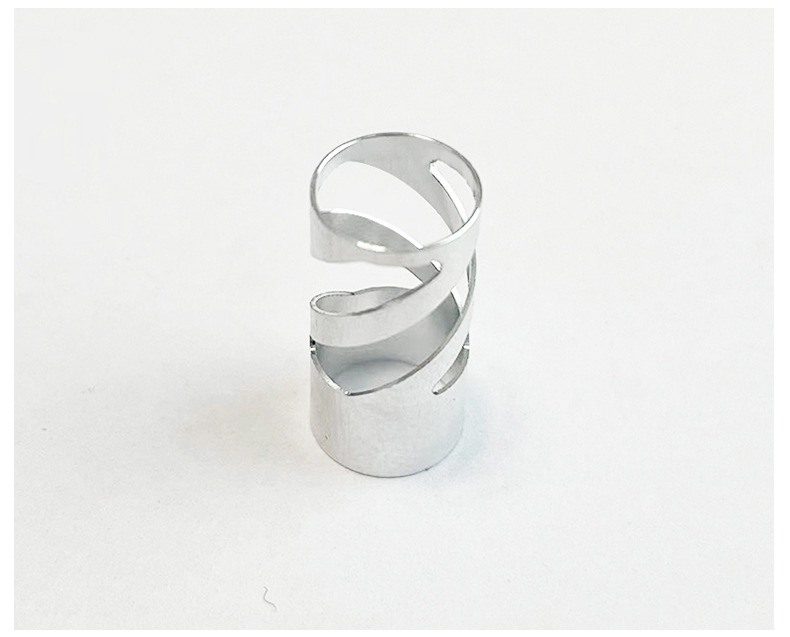
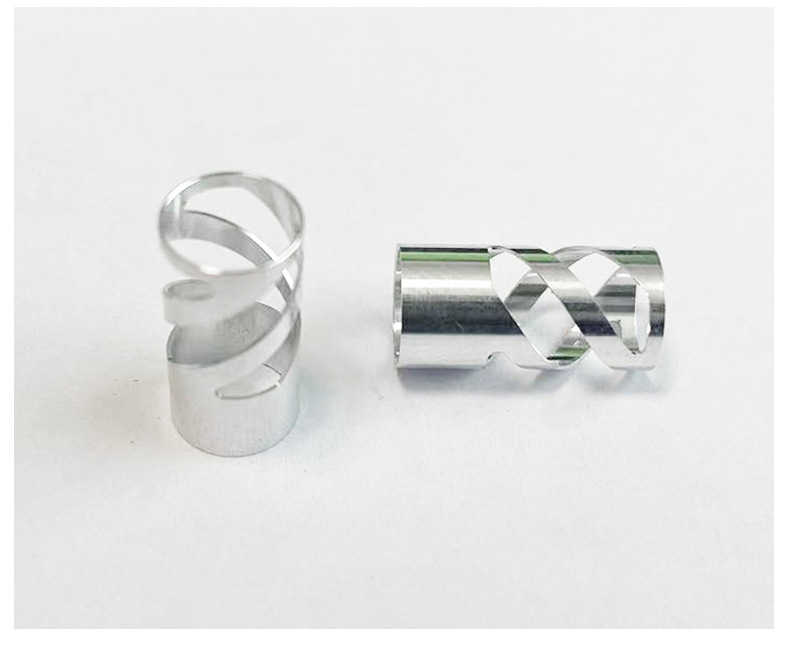
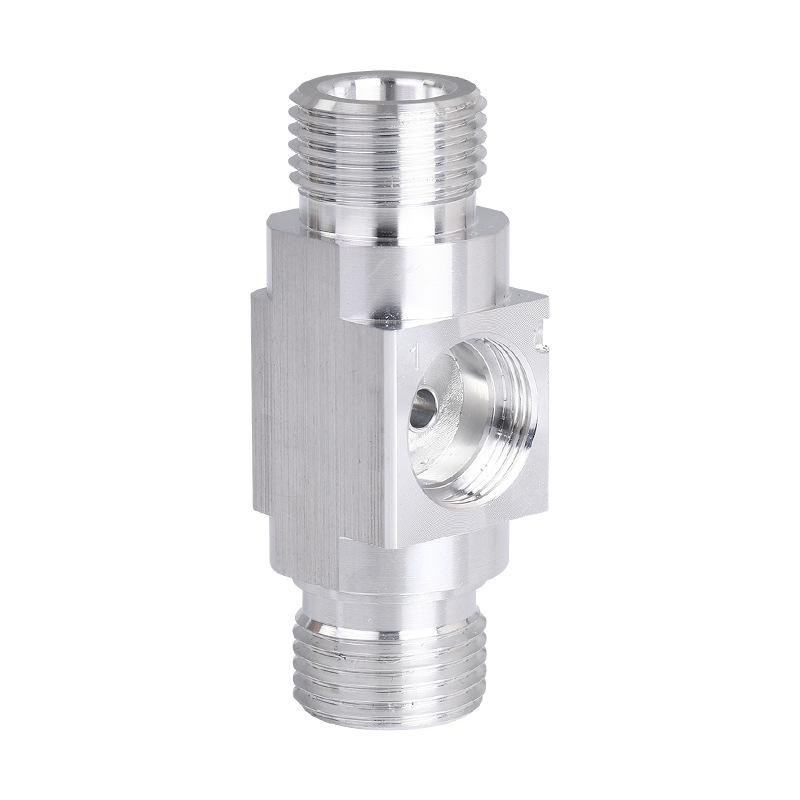
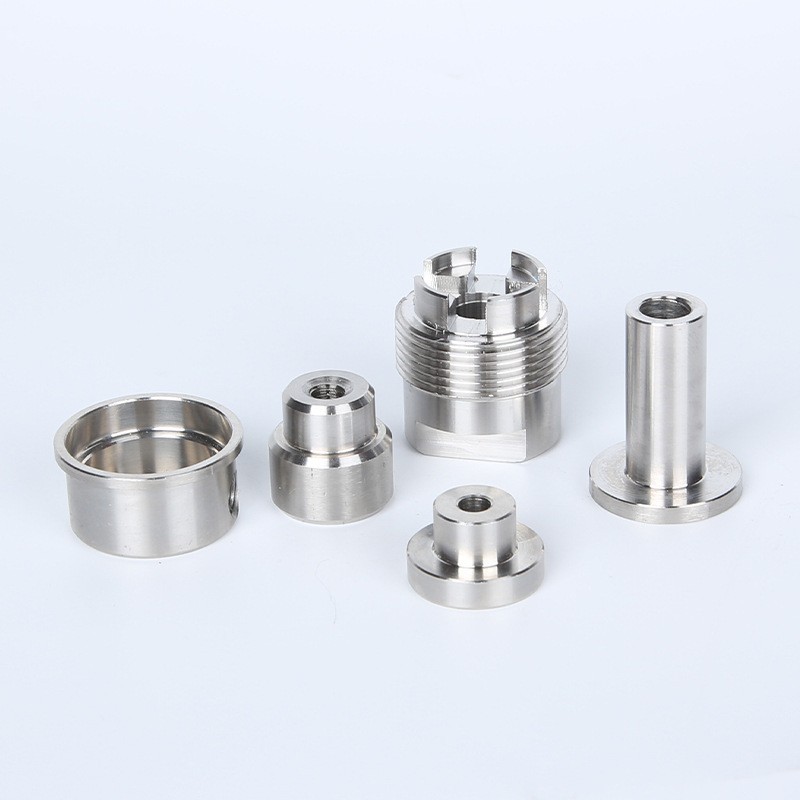
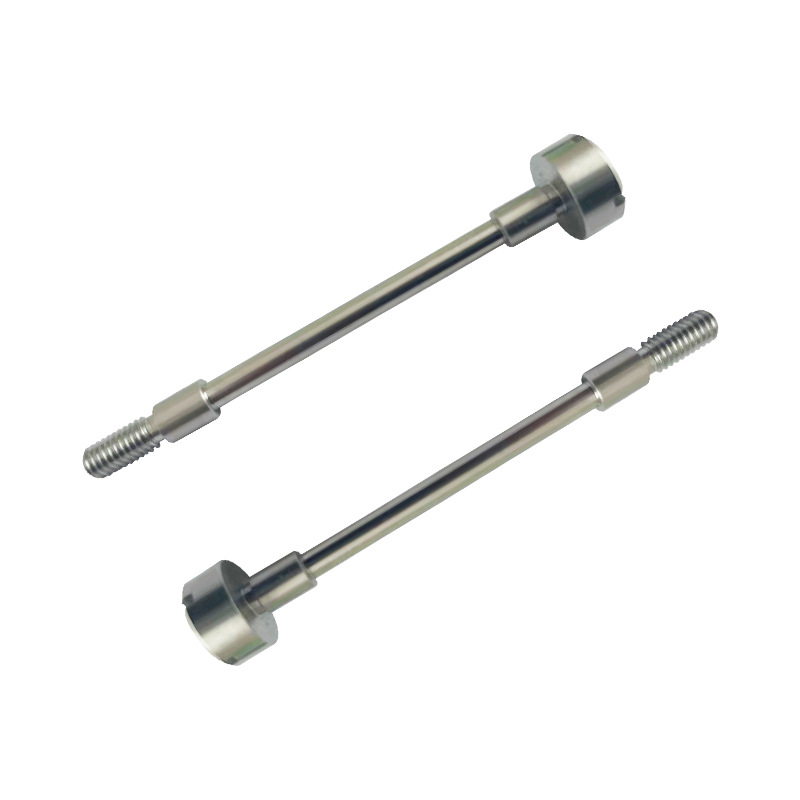
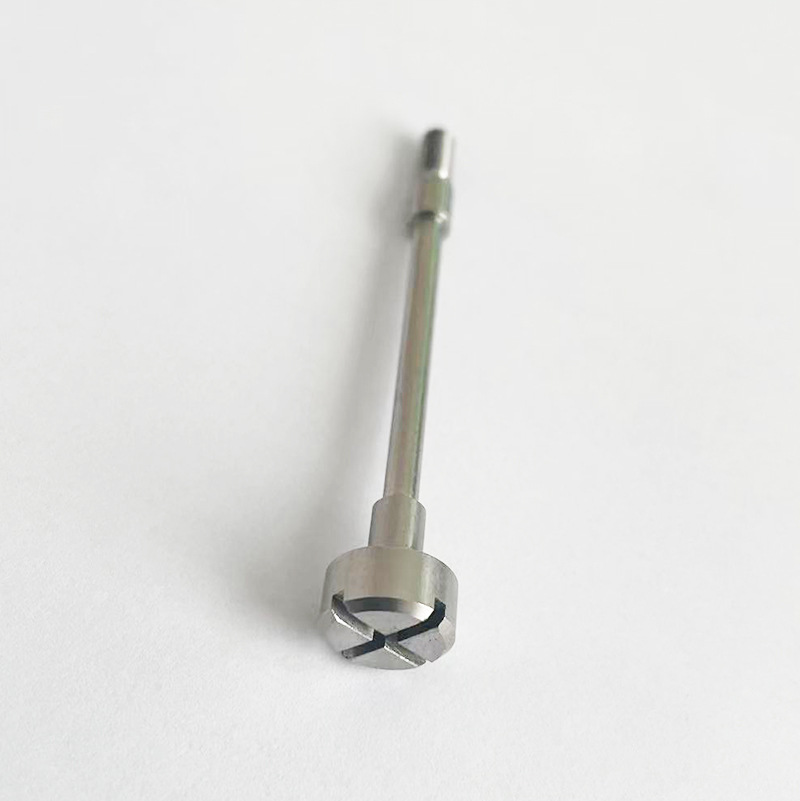
A small shaft under 38mm with tight concentricity runs more efficiently on a Swiss lathe than on a general-purpose mill, even though the mill has more axes on paper. A bracket needing both turned and milled features in one setup calls for CNC mill-turn, where axis count matters more directly. Machine quantity alone tells you little; the question is whether the specific process matches your part’s geometry and tolerance band. MFG SOLUTION runs CNC turning, Swiss lathe, cold forging, automatic lathe, and CNC mill-turn specifically so parts get routed to the most economical process for their geometry, rather than forced onto whatever machine happens to be free.
Finally, size capacity to your forecast, not your current order. A supplier that comfortably handles a 5,000-unit pilot run can become a bottleneck at 50,000 units a year later, check shift count, machine redundancy, and growth history before you commit, not after you’ve outgrown them.

Verify Technical Capability, Quality Systems, and Engineering Process
A supplier’s quality system and engineering discipline matter more than its marketing claims about tolerances, ask for documented proof, not a capability brochure.
Part of learning how to find precision machining supplier partners who won’t cause problems downstream is accepting that a glossy capability list tells you almost nothing about how a shop actually behaves under pressure, on a rush order, a tricky material, or a drawing with an ambiguous callout. The real signal sits in their inspection records, their engineering review process, and how they handle the inevitable nonconformance.
What Inspection and QA Systems Indicate a Reliable Partner?
Look for a quality system that catches problems before parts ship, not one that relies on a final inspection to find them. In-process checks, dimensional verification at defined intervals during a production run, matter more than a single end-of-line sample pull, because they catch tool wear and drift while the batch is still correctable.
- Confirm first-article inspection (FAI) is standard practice, with a documented report tied to the first part off every new setup.
- Ask for the calibration schedule on gauges and measurement equipment, a supplier that can’t produce one is telling you its measurements aren’t trustworthy either.
- Check for material traceability: can they trace a finished part back to the specific raw material heat or lot it came from? This matters for regulated industries and for root-causing a failure months after shipment.
Evaluating Engineering Planning, Not Just Machine Specs
How a supplier reviews your drawing before cutting any metal reveals more about their competence than their equipment list ever will. A capable engineering team flags design-for-manufacturability issues early, a tolerance that’s tighter than the part function requires, a wall thickness prone to warping, a feature that will demand a custom fixture, and proposes alternatives before quoting, not after the first batch fails inspection.
Ask how they plan fixturing and process steps for a part similar to yours. A shop that walks through setup sequencing and inspection points in that conversation is operating a real planning process; one that just repeats machine specs is not.
Concrete ways to test this before committing a purchase order:
- Request a sample first-article or in-process inspection report from a comparable part.
- Ask how nonconformances get documented and resolved, request an example of their corrective action process.
- Ask to see a certificate of conformance for a past job, so you know what documentation will accompany your own shipments.
Certifications like ISO 9001:2015, ISO 13485:2016, and IATF 16949 are a useful baseline filter, they confirm a supplier has documented process control and an auditable quality system. They don’t confirm fit for your specific part, material, or tolerance. MFG SOLUTION holds all three certifications and backs them with full process control, meaning every production step is tracked and documented for audit, which is the detail worth asking any candidate supplier to demonstrate rather than simply claim.
Identify Red Flags and Supply Chain Risks Before You Commit
The fastest way to learn how to find precision machining supplier partners you can trust is to watch how they behave before they have your business, not after.
Spotting Suppliers Who Lack Accountability or Transparency
Vague answers about who signs off on quality decisions are the clearest sign a supplier hasn’t built real process control into its operation. If no one can name the person or role responsible for final inspection approval, you’re looking at a shop that treats quality as an afterthought rather than a documented step.
- Reluctance to share inspection data. A supplier confident in its process will hand over CMM reports, first-article inspection records, or SPC charts without hesitation. Stalling or offering only a “pass/fail” summary suggests they either don’t collect this data or don’t want you to see it.
- Inconsistent quoting. If the price, lead time, or process recommendation changes materially between your first call and your written quote, with no change in part specs, that inconsistency often points to a disorganized estimating process, which tends to carry over into production scheduling.
- Ownership dodging after delivery. Ask directly: “If a batch fails inspection, who owns the fix and the cost?” A supplier that can’t answer plainly in the sales stage won’t answer it better once you’ve committed tooling and volume to them.
Communication speed during the RFQ stage is itself a signal. A supplier that takes a week to answer a tolerance question, or deflects it to “we’ll figure that out once you order,” is showing you exactly how they’ll behave once you’re dependent on them for a production run with a hard ship date. MFG SOLUTION’s 8-hour quote turnaround exists partly because fast, specific answers at the quoting stage are a proxy for how a shop will communicate once parts are in production.
Assessing Supply Chain Risk and the Need for Supplier Redundancy
Single-source material dependency is a quiet risk that only surfaces when a mill runs short or a resin lot gets allocated elsewhere. Ask suppliers directly where their raw material comes from and whether they hold a second qualified source for the alloys or polymers your parts require.
The same logic applies to machine capacity. A shop running every job on one overbooked 5-axis cell has no cushion if that machine goes down mid-run. Ask how they’d reroute your order if a primary machine failed, a credible answer names backup equipment or a sister facility, not a shrug.
For critical or sole-source parts, qualify a second supplier even when your primary relationship is working well. This isn’t distrust, it’s continuity planning, and it costs far less than a missed shipment to an automotive or medical customer. A small trial order or pilot batch, run before any full production commitment, is the cheapest way to expose these red flags: it tests responsiveness, documentation, and on-time delivery with limited downside if something goes wrong.
Common Mistakes to Avoid When Comparing and Negotiating with Suppliers
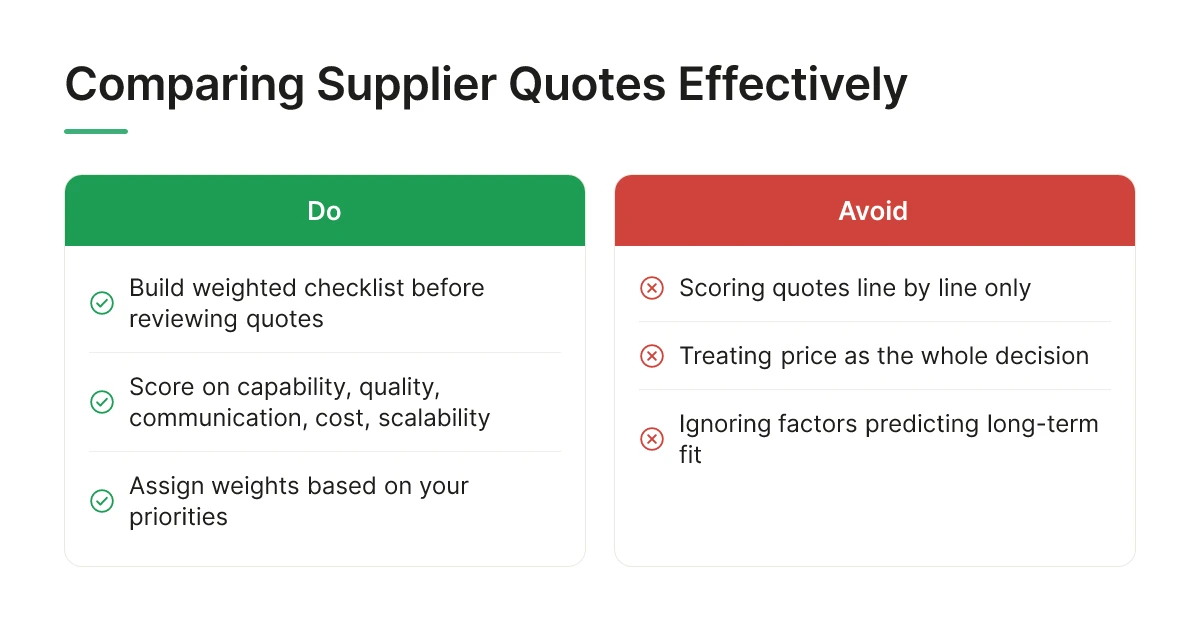
The biggest mistake in supplier comparison is scoring quotes line by line instead of weighing the factors that actually predict a good long-term fit. Price is one input, not the whole decision.
Build a simple weighted checklist before you look at a single number. Score each finalist on capability fit, quality systems, communication responsiveness, cost structure, and scalability, then assign each category a weight based on what matters most for your part and your business. A medical device buyer might weight quality systems at 40%; an electronics buyer scaling fast might weight scalability higher. This keeps you from anchoring on the lowest quote and backfilling justifications later.
Scalability deserves its own line of questioning, not an assumption. Ask each finalist directly: what is your current capacity utilization, and what happens to my lead time if my order volume doubles next year? A shop running near full capacity may quote well today and then stretch your lead times the moment a bigger customer comes in. Suppliers that operate multiple production methods, CNC turning, Swiss lathe, cold forging, automatic lathe, CNC mill & turn, tend to have more flexibility to shift your parts across equipment when demand spikes, rather than forcing you to wait in a single queue.
What Total Cost of Ownership Includes Beyond the Quoted Price
The quoted per-part price is only one line in the real cost of a supplier relationship. Factor in tooling costs, minimum order quantities that force you to carry excess inventory, rework rates when parts fail inspection, shipping and expediting fees for rush orders, and the internal cost of staff time spent chasing status updates on a supplier that doesn’t communicate proactively. A supplier quoting 10% below a competitor can easily cost more once a single batch needs rework or a shipment gets expedited to cover a missed date.
Establishing SLAs and Lead Time Commitments
Put lead time commitments, communication cadence for delays, defect and rework responsibility, and pricing stability terms in writing before you sign anything. A verbal understanding that “we’ll let you know if something slips” is not a remedy, it’s a hope. Define what triggers a proactive update, who owns the cost of a failed inspection, and how long pricing holds before renegotiation.
Most procurement teams that get burned on how to find precision machining supplier relationships made the same error: they chose on lowest quoted price alone and signed without agreeing on lead time or quality remedies in writing. MFG SOLUTION’s quotes within 8 hours and ISO 9001:2015, ISO 13485:2016, and IATF 16949 certifications are built to be written into an SLA, not just promised in a sales call.
Frequently Asked Questions
What comparison checklist or platform should you use to evaluate multiple suppliers?
Build a simple scorecard covering five weighted categories: machine capability, quality certifications, lead time, engineering support, and pricing. A shared spreadsheet works fine, list each supplier as a row and score them consistently so you’re comparing substance, not sales pitches. Avoid rating suppliers on brochure claims alone; score what they document and demonstrate.
How many precision machining suppliers should you request quotes from before deciding?
Request quotes from three to five suppliers to get a realistic spread on price, lead time, and responsiveness without overloading your evaluation process. Fewer than three limits your comparison; more than five usually adds administrative time without improving the decision.
Do you need a backup supplier even if your current one performs well?
Yes, a qualified backup protects you against capacity constraints, equipment downtime, or ownership changes at your primary supplier. Even strong, long-standing vendor relationships can face disruptions outside their control. Pre-qualifying a second source now costs far less time than scrambling for one during a shortage.
What’s the fastest way to disqualify a supplier early in the vetting process?
A vague or delayed quote response is the clearest early red flag. If a supplier can’t clarify tolerances, materials, or lead time within a reasonable window, that same uncertainty will likely carry into production and communication later.
Conclusion
Finding a reliable precision machining supplier comes down to verifying capability before trusting claims: confirm certifications like ISO 9001:2015, ISO 13485:2016, or IATF 16949 with documentation, request sample parts or audit reports, and score quote responsiveness as a proxy for how they’ll communicate during production. Don’t settle on the first supplier that meets your tolerance specs, compare at least three on lead time and engineering support, not just price.
As a concrete next step, pull your current open RFQ or an upcoming part drawing and submit it to two or three vetted suppliers this week, including MFG SOLUTION, to benchmark an 8-hour quote turnaround and 3-day shipment window against your existing vendor’s response time.
Recommended Articles
Explore more from our content library: