
2026-09-29
How Swiss Machining Turns Bar Stock Into Tiny Complex Parts

Understanding what is Swiss machining is essential. Swiss machining is a CNC turning method that uses a sliding headstock and a guide bushing to support bar stock right at the cutting point, so the tool cuts within millimeters of full support instead of on an unsupported overhang. This design lets Swiss lathes hold tight tolerances on long, slender, complex parts that would flex or chatter on a conventional turret lathe. It’s the standard choice for small, intricate precision components made in volume, from medical pins to connector housings.

What Is Swiss Machining and How Does It Differ From Conventional CNC Turning?
Answering what is Swiss machining starts with one part: a guide bushing that holds bar stock steady within a fraction of an inch of the cutting tool. That single design choice is what separates a Swiss lathe from every other type of turning machine on the shop floor.
Why Is This Machining Process Called ‘Swiss’ Machining?
The name traces back to Switzerland’s watchmaking industry, where manufacturers needed a way to produce tiny, slender components with tolerances too tight for the lathes of the day. Standard turning equipment of the 1870s couldn’t hold the precision required for watch pins and gears without the stock flexing under cutting pressure. A sliding-headstock design solved that problem by supporting the material almost exactly where the tool made contact, and the approach carried the “Swiss” name into modern CNC machining even though it’s now used well beyond Switzerland or watches.
What Is the Basic Design and Operating Principle of a Swiss Lathe?
A Swiss lathe feeds round bar stock through a guide bushing, and the headstock itself slides back and forth along the axis of the material as it’s machined. The cutting tools stay close to fixed in position; instead of the tool traveling down the length of an exposed workpiece, the material moves past the tool. Because the bushing supports the stock right at the cutting zone, deflection on long, thin parts is virtually eliminated, a persistent problem on other lathe types.
Conventional CNC turning works differently. The headstock is fixed, and stock is held only in a chuck with no support beyond that point. As a part gets faced off and the unsupported length grows, slender workpieces start to whip and flex under cutting force, which limits how thin or long a feature can be before accuracy suffers. Swiss machining avoids that failure mode by design, not by slowing down the cut.
Many Swiss machines also carry live tooling, rotating tools capable of milling, drilling, and cross-work, so a part can be turned, drilled, and slotted in a single cycle without moving to a second machine. That reduces secondary operations, cuts handling time, and keeps tolerances consistent across features that would otherwise require separate setups. It’s one reason Swiss-style equipment shows up across MFG SOLUTION’s production lines alongside CNC turning, cold forging, and mill-turn processes, letting the right method get matched to each part’s geometry rather than forcing every job through one machine type.
What Makes Swiss Machines Ideal for Small, Complex Precision Parts?
Swiss lathes hold slender parts near the cutting zone with a guide bushing, which stops the flex that ruins tight tolerances on standard lathes. Understanding this support mechanism is central to answering what is Swiss machining and why it outperforms conventional turning for a specific class of parts.
What Are the Key Capabilities and Limitations of Swiss Machining?
On a standard lathe, a long, thin part cantilevered out from the chuck vibrates and deflects as the tool pushes against it, which limits how tight a tolerance you can realistically hold. A Swiss-type lathe solves this by feeding bar stock through a guide bushing positioned right next to the cutting tool, so the material is supported almost exactly where the cutting forces are applied. That support is what lets Swiss machines produce parts with high length-to-diameter ratios, long, slender pins, shafts, and connector bodies, without the chatter or bow that would show up on a fixed-headstock machine.
Most Swiss platforms also carry multiple tool positions and driven tooling, so turning, milling, drilling, and threading can happen in one continuous cycle without moving the part to a second machine. Cutting out that repositioning matters because every re-clamp introduces a small alignment error, and those errors stack up across multiple operations. A single-setup process keeps that stack-up from happening in the first place, which is a large part of why Swiss-machined parts tend to hold tighter tolerances part-to-part.
The tradeoffs are real. The guide bushing needs ground, precision-diameter bar stock rather than commercial-tolerance bar, which adds a material cost and sourcing step. Machine setup is more involved than a simple turret lathe, more tool stations, more synchronized axes, more programming decisions before the first part comes off the machine. And Swiss machines are built for small parts; once diameter climbs past the size these machines are designed for, the guide-bushing advantage disappears and conventional turning or mill-turn becomes the more sensible choice.
What Operator Skill Level and Training Are Required to Run Swiss Machines?
Running a Swiss lathe well takes more CNC programming depth and tooling knowledge than a manual lathe or a basic turret machine demands. Operators need to coordinate multiple synchronized axes, sequence tool changes across several stations, and understand how guide-bushing wear affects tolerance over a production run. Shops generally report that reaching real proficiency on Swiss equipment takes longer than training on simpler turning equipment, since the programming logic and setup troubleshooting are more layered.
MFG SOLUTION runs Swiss lathes alongside CNC turning, cold forging, automatic lathes, and CNC mill-turn equipment, which lets engineers match each part’s geometry to the process that actually fits it rather than forcing every job onto one machine type. For parts up to 38mm in diameter that need tight tolerances and single-setup accuracy, that flexibility is often what separates a cost-effective run from an over-engineered one.

How Does Swiss Machining Reduce Costs and Lead Times?
Swiss machining cuts cost and lead time by combining operations into one continuous cycle, running unattended for longer stretches, and producing more good parts on the first pass. Each mechanism attacks a different source of hidden expense in small precision parts.
One Cycle, Fewer Setups
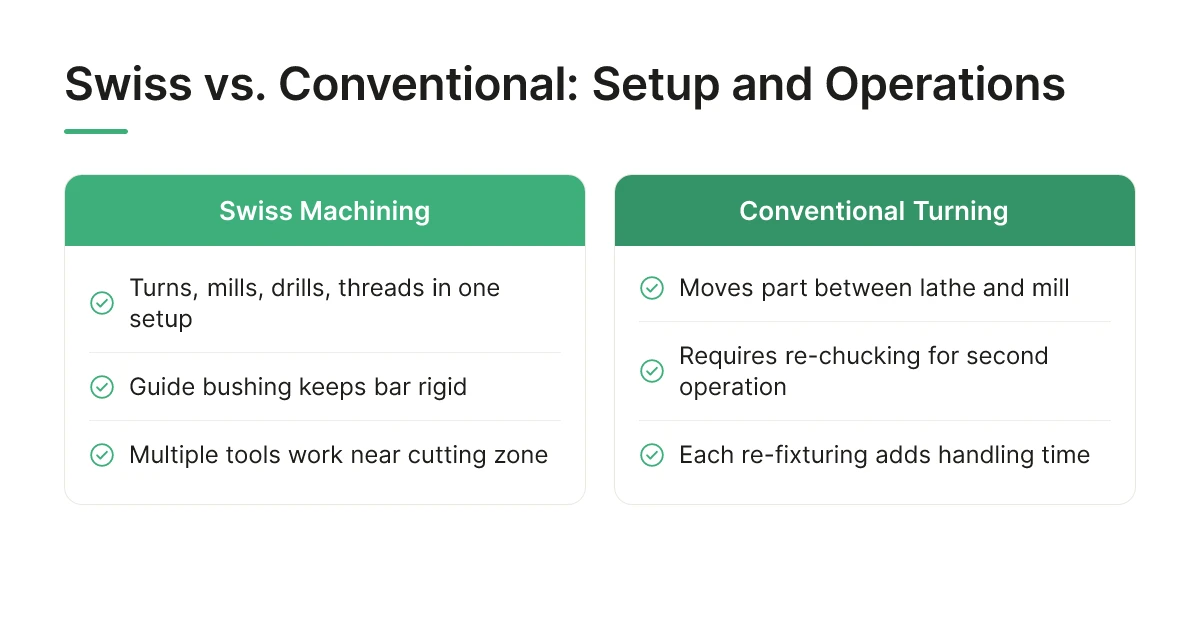
A Swiss lathe turns, mills, drills, and threads a part in a single setup, using the guide bushing to keep the bar rigid as multiple tools work near the cutting zone. Conventional turning often requires moving a part between a lathe and a mill, or re-chucking it for a second operation. Every re-fixturing step adds handling time and a chance for the part to shift out of tolerance. Removing those transfers is a large part of what is Swiss machining’s cost advantage over multi-machine routing.
Unattended, Bar-Fed Production
Because stock feeds automatically from bar to guide bushing, a single Swiss lathe can run through most of a shift without an operator repositioning material. Manually loaded turret lathes need an operator present for each new blank. That difference shows up directly in labor hours per part, one machine tender can often oversee several Swiss lathes at once, where a turret lathe typically ties up one person per machine.
Fewer Scrapped Parts
Swiss lathes hold tighter tolerances on the first pass because the workpiece barely deflects during cutting. In small, slender parts, deflection is usually where scrap and rework hide, a part that’s slightly out of round or undersized gets reworked or thrown out, and that cost rarely shows up as a line item until it’s totaled at the end of a run.
Where Volume Changes the Math
The economics favor Swiss machining as part complexity and run length grow; very short prototype runs may still make sense on a conventional lathe where setup time matters less. This is a tradeoff to evaluate per part, not a fixed rule.
Lead Time in Practice
Even with the right process selected, lead time depends on how fast a shop can quote and schedule the job. MFG SOLUTION turns specifications into a quote within 8 hours and ships approved orders within 3 days, applying Swiss lathe machining alongside CNC turning, cold forging, and mill-turn methods to fit each part’s geometry and volume.
What Materials and Part Sizes Can Swiss Machines Handle?
Swiss lathes machine most metals and engineering plastics in diameters generally under an inch, producing parts many times longer than they are wide without bending or chatter.
Answering what is Swiss machining in practical terms means looking at what actually goes through the machine, the material, the stock diameter, and the geometry the guide bushing can support.
What Materials Are Commonly Used in Swiss Machining Applications?
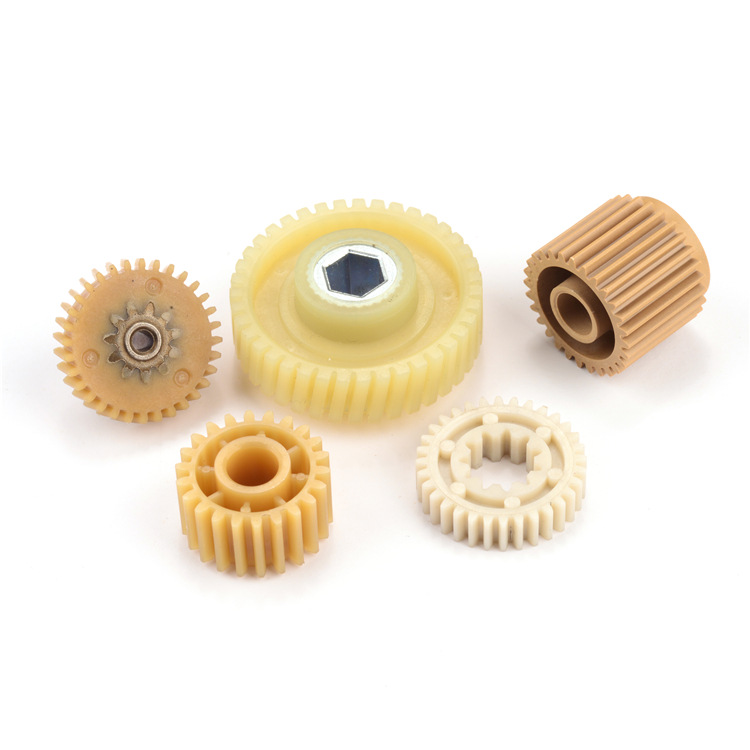
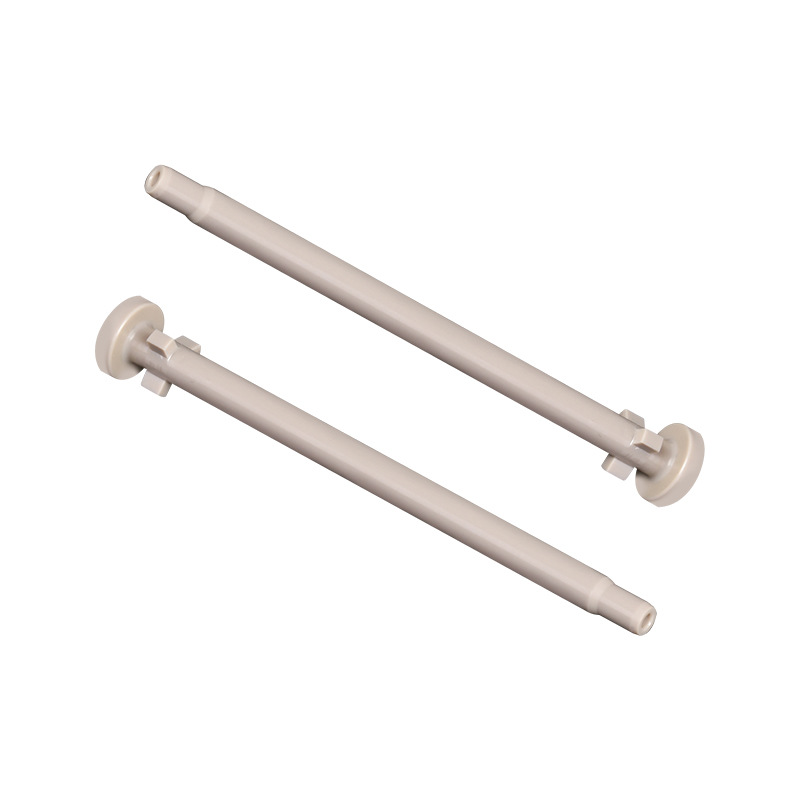
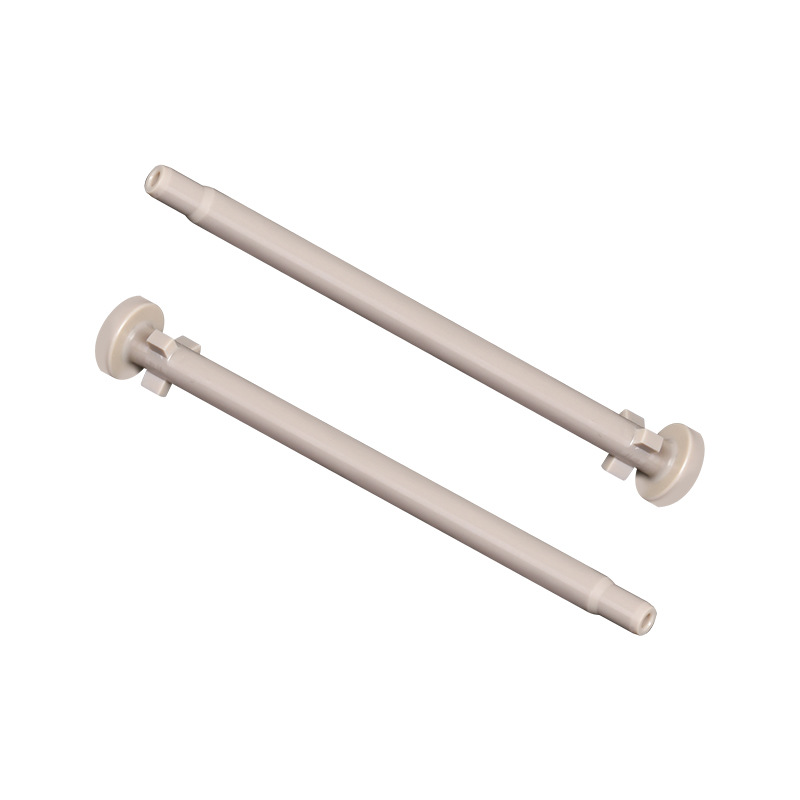
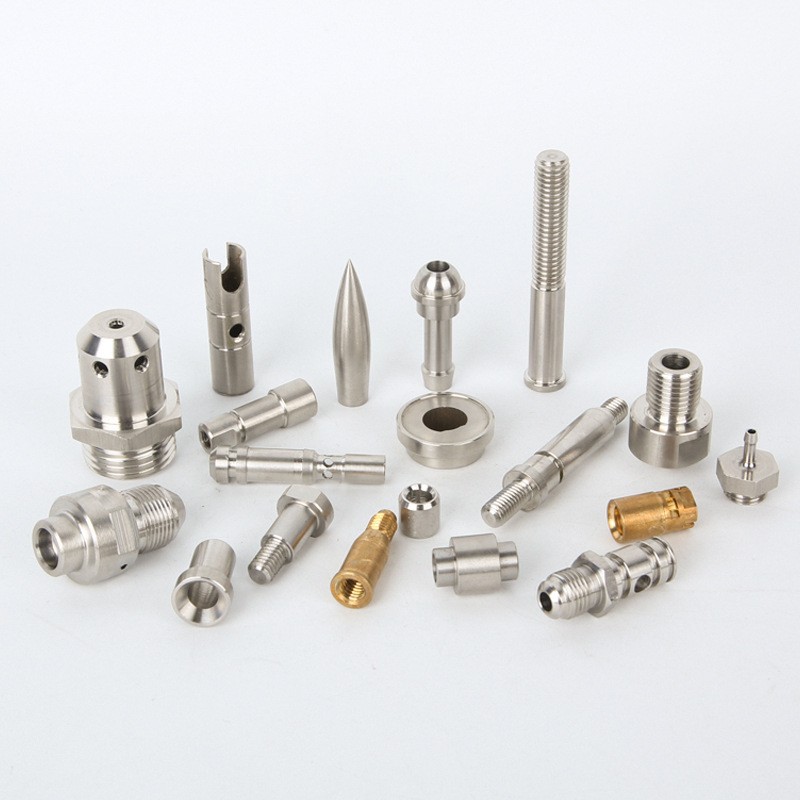
Stainless steels dominate the mix, with grades 303, 304, and 316 machined for medical, fluid-handling, and fastener components where corrosion resistance matters. Brass runs frequently because it cuts cleanly and holds tight tolerances, making it a common choice for connectors and fittings. Aluminum, titanium, and engineering plastics such as PEEK and Delrin round out the list, covering everything from lightweight aerospace hardware to insulating components in electronic assemblies.
The material has to arrive as precision-ground or cold-drawn bar stock with a consistent outer diameter. Swiss lathes rely on a guide bushing that grips the bar close to the cutting zone, and that bushing only works if the stock diameter stays uniform along its length. Bar with inconsistent sizing causes vibration, poor surface finish, or bushing wear, so material prep is not optional, it’s part of the process.
What Are the Typical Part Diameter and Complexity Limits for Swiss Machines?
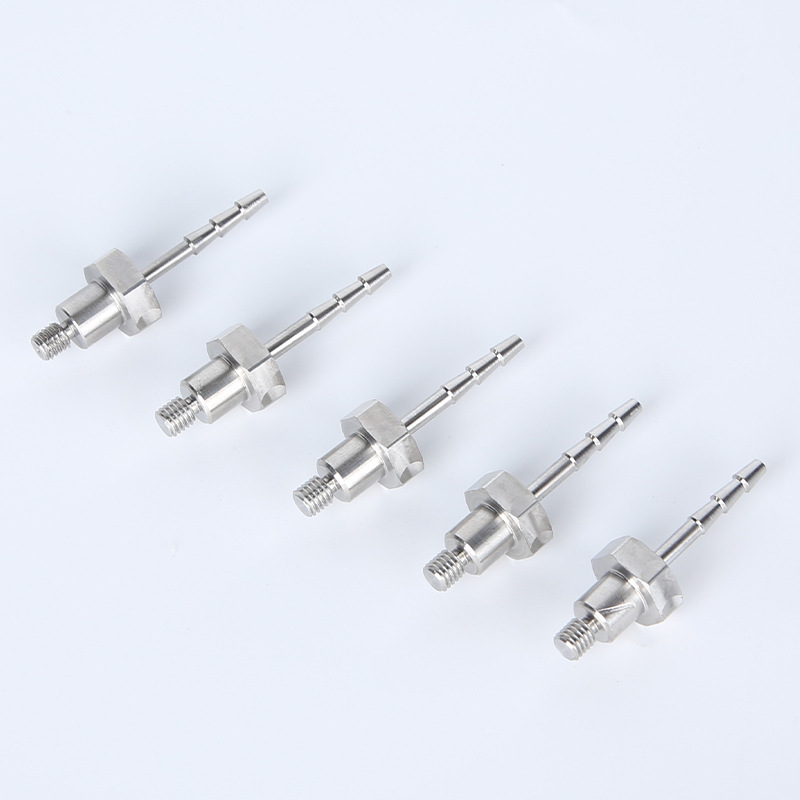
Swiss lathes are built for small diameters, typically well under an inch, which lines up with pins, shafts, connector bodies, and medical components like bone screws and catheter fittings. MFG SOLUTION’s Swiss lathe production handles parts up to 38mm in diameter, a range that covers most small-part applications in electronics, automotive, and medical device manufacturing without pushing into territory better served by larger conventional turning setups.
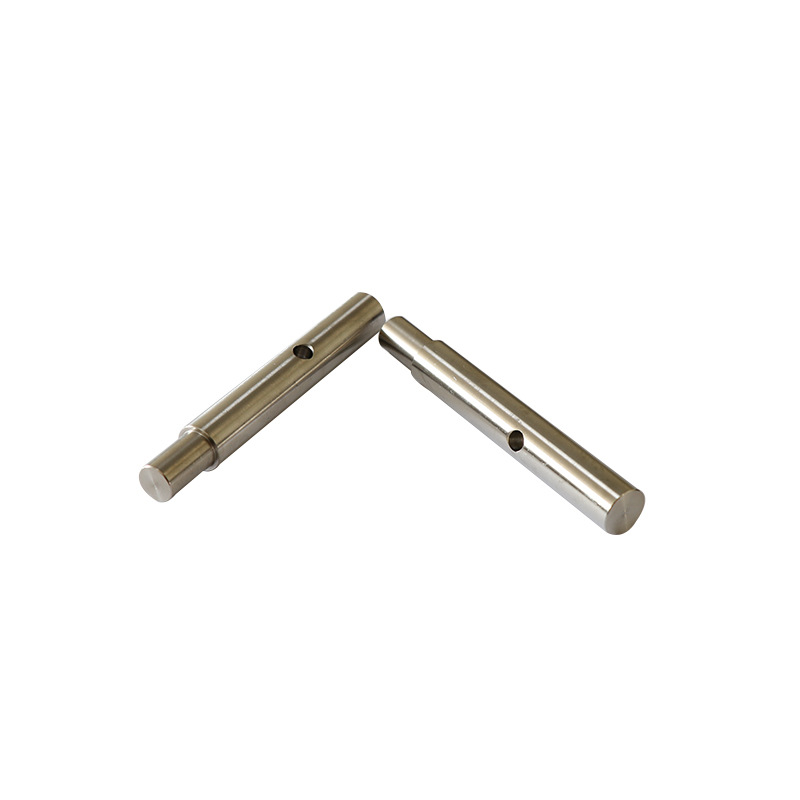
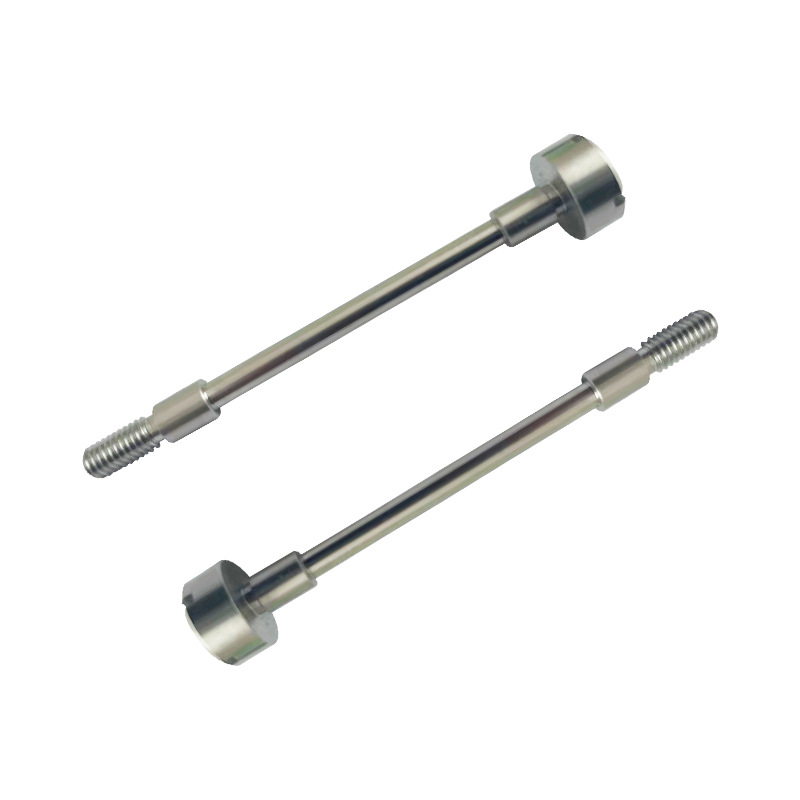
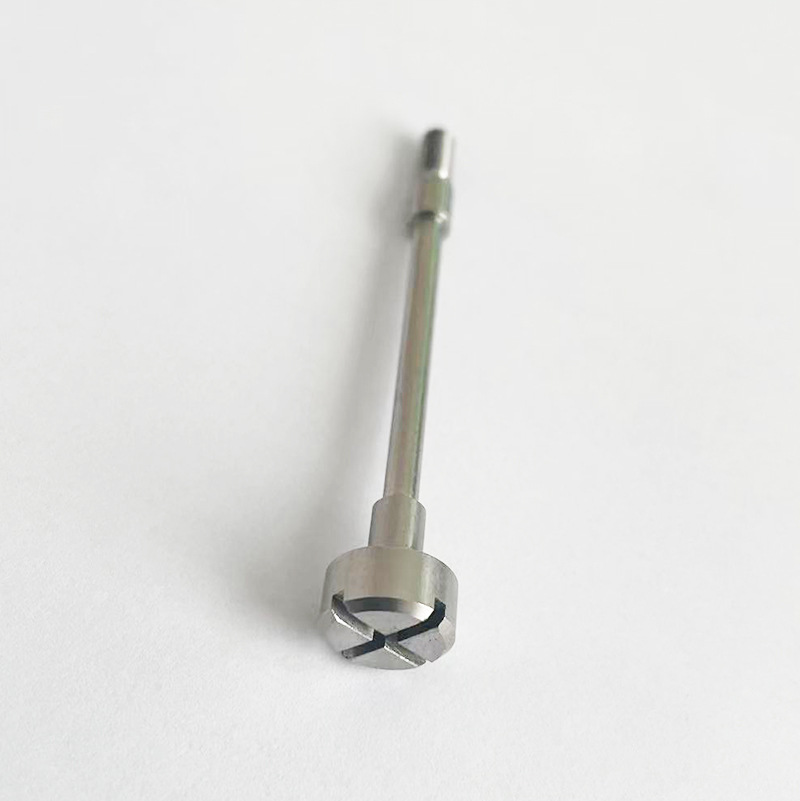
The real advantage shows up in length-to-diameter ratio. Because the guide bushing supports the bar right at the cutting point, a Swiss lathe can turn a part ten or more times longer than its diameter without the deflection that would ruin the same cut on a fixed-headstock lathe. That makes long, slender pins and shafts a natural fit.
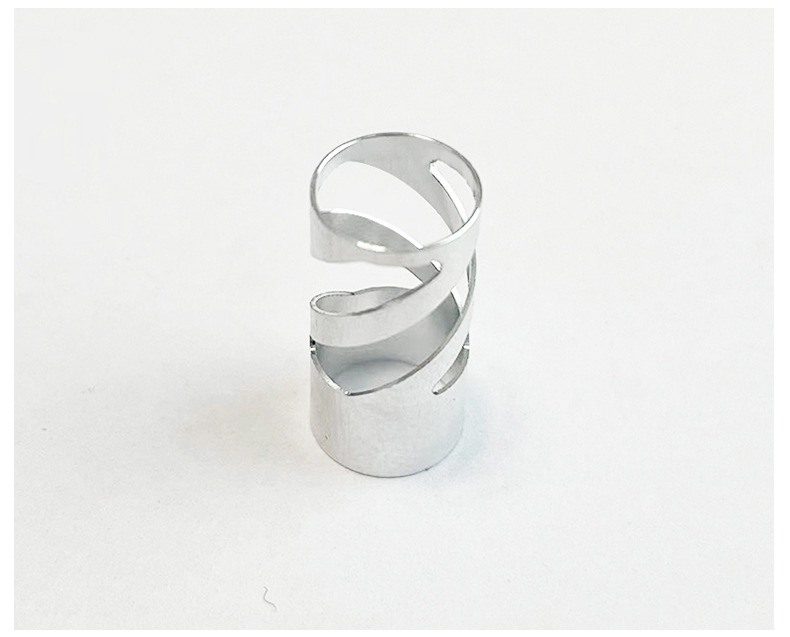
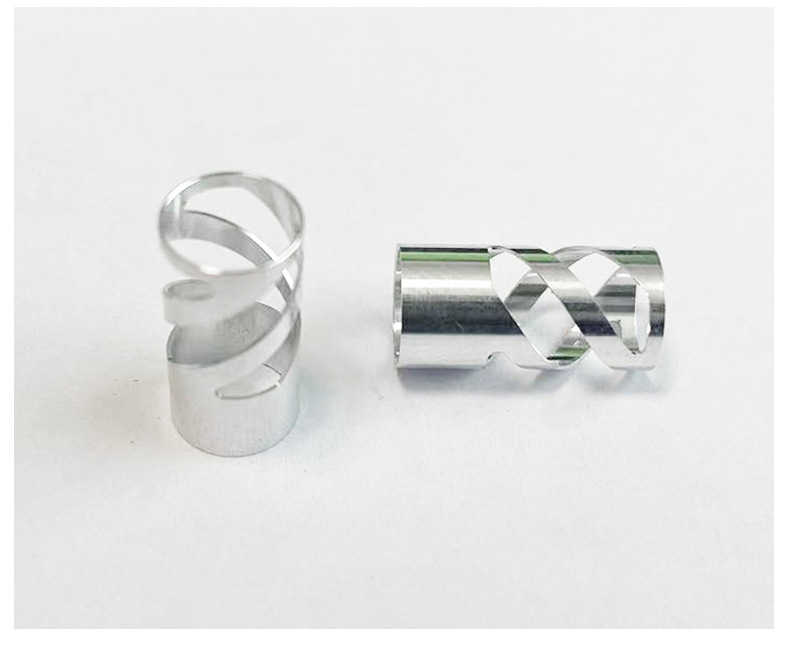
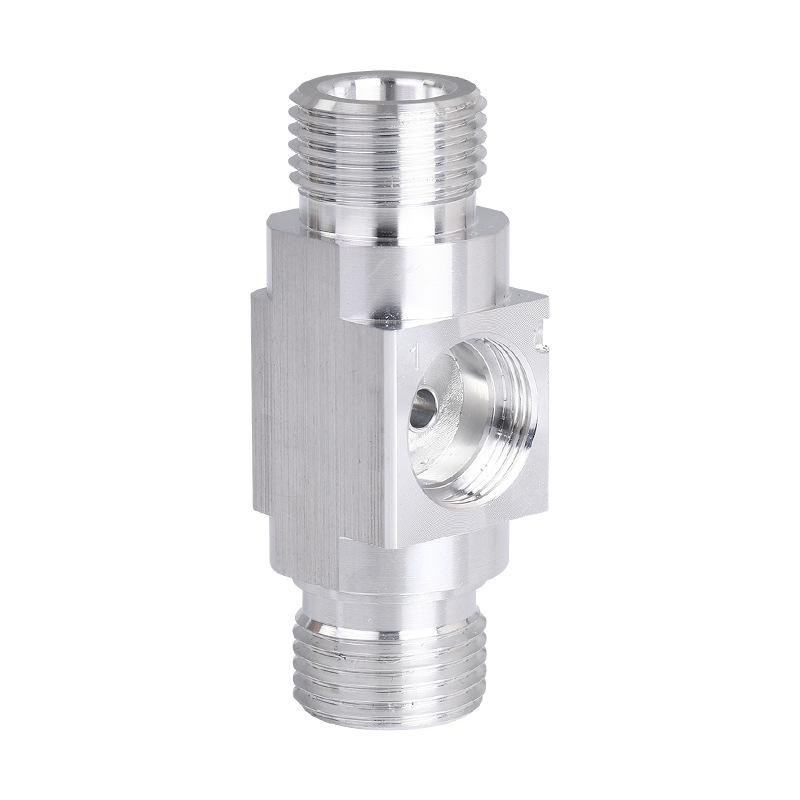
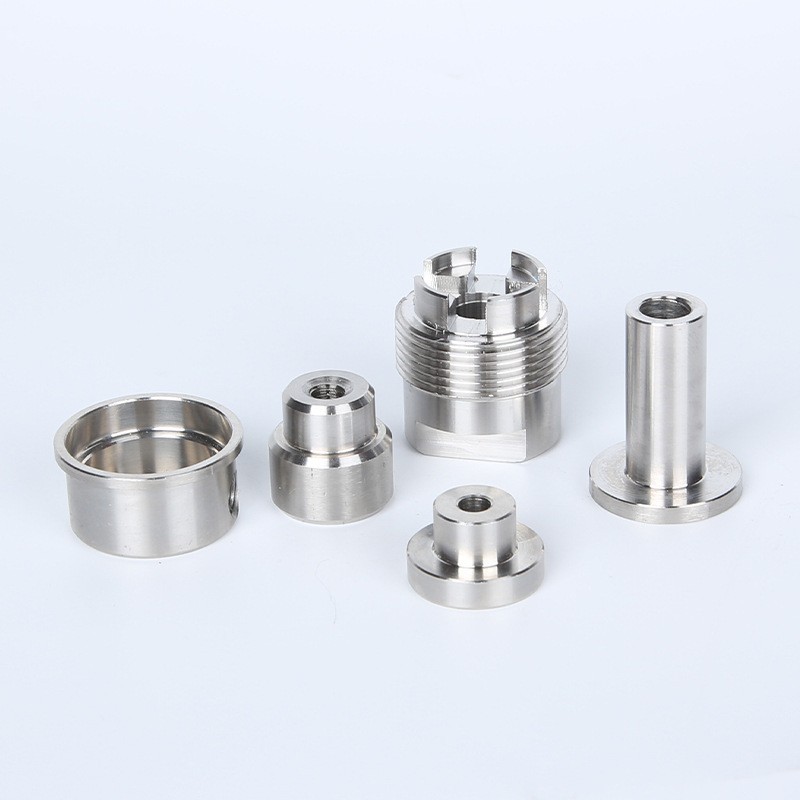
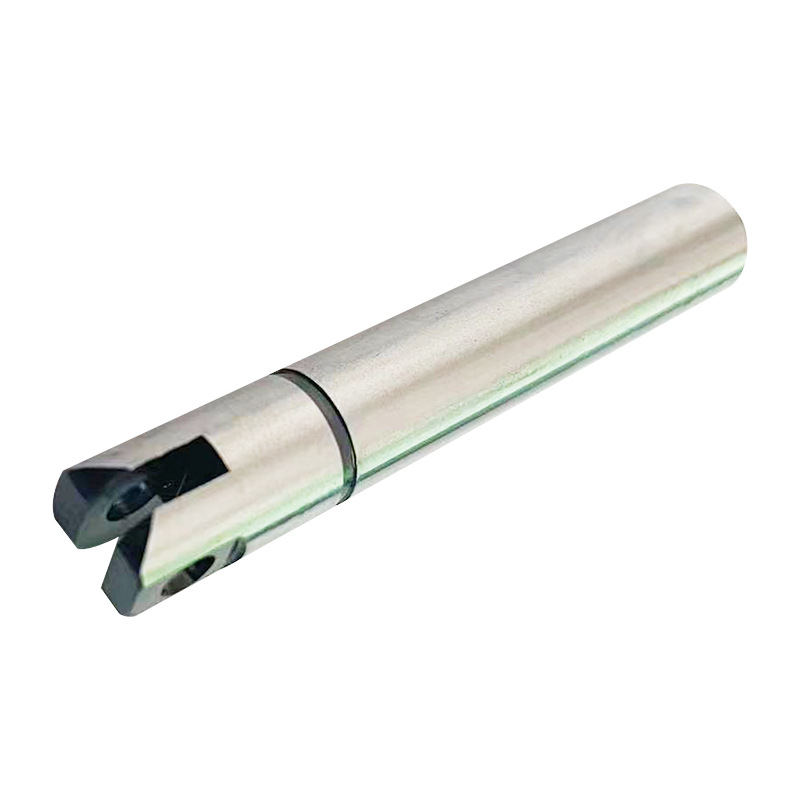
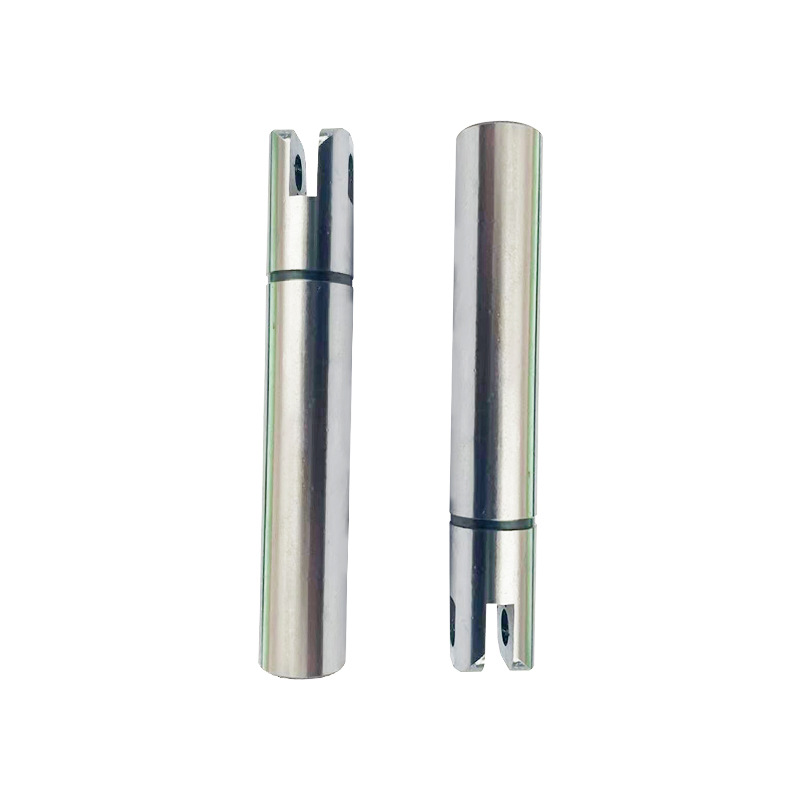
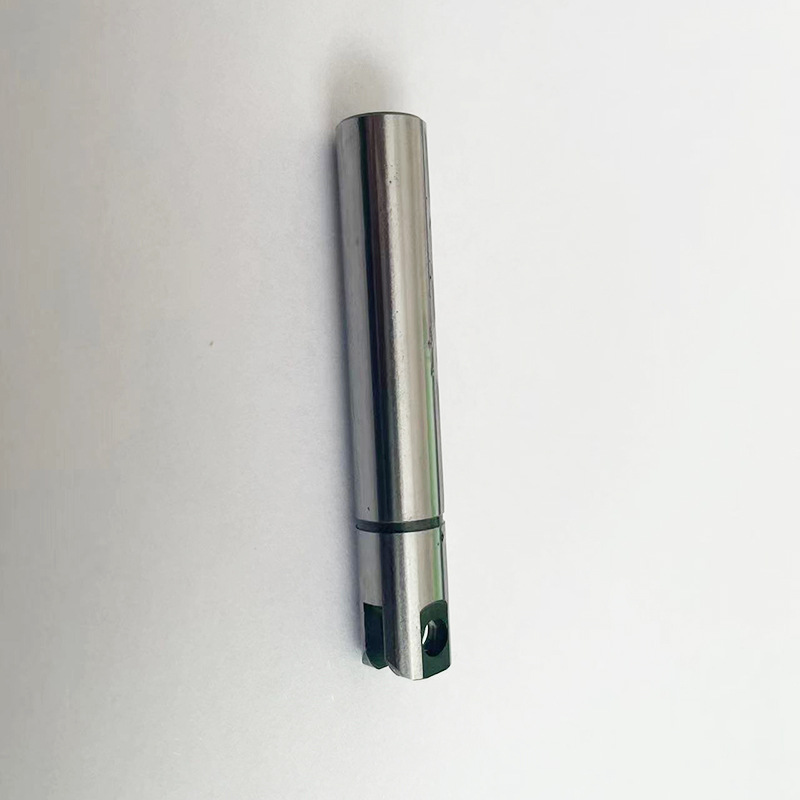
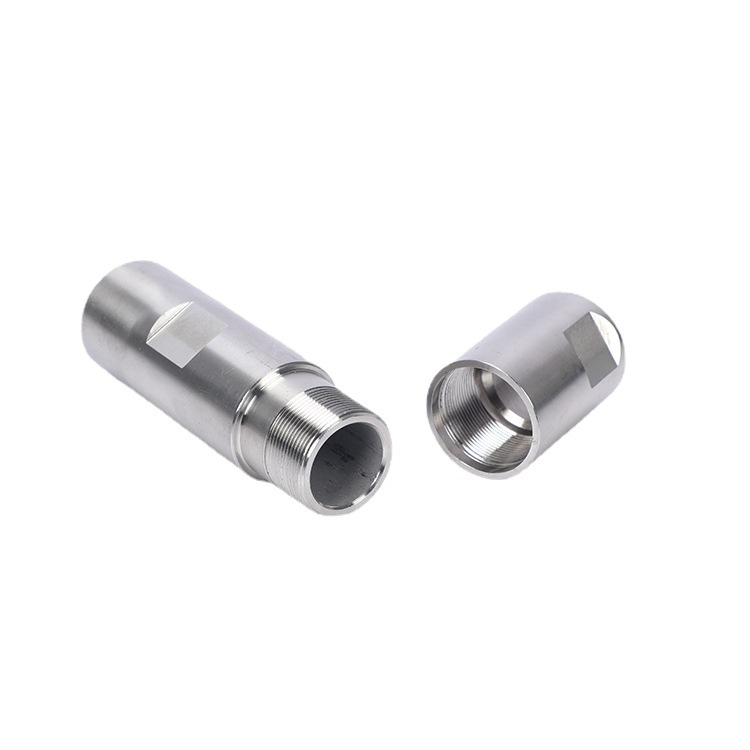
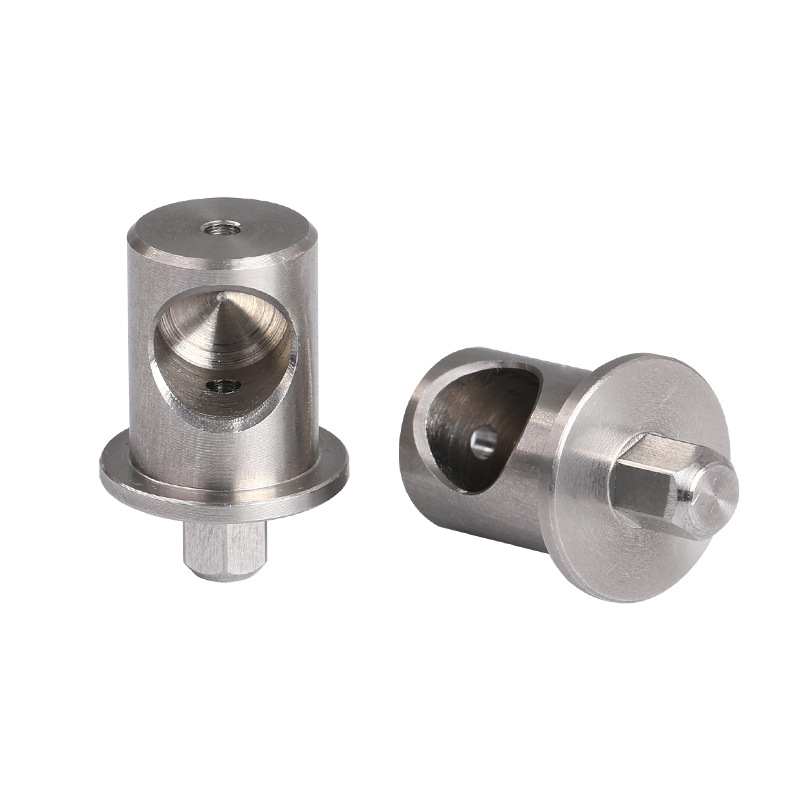
Complexity within that size range is routine: multiple diameters, cross-holes, knurls, and threads in a single part are standard work for a Swiss lathe, often finished in one cycle. Very large-diameter stock or short, stubby parts don’t play to the machine’s strengths, those jobs are usually better matched to conventional CNC turning.
When Should You Choose Swiss Machining for Your Production Needs?
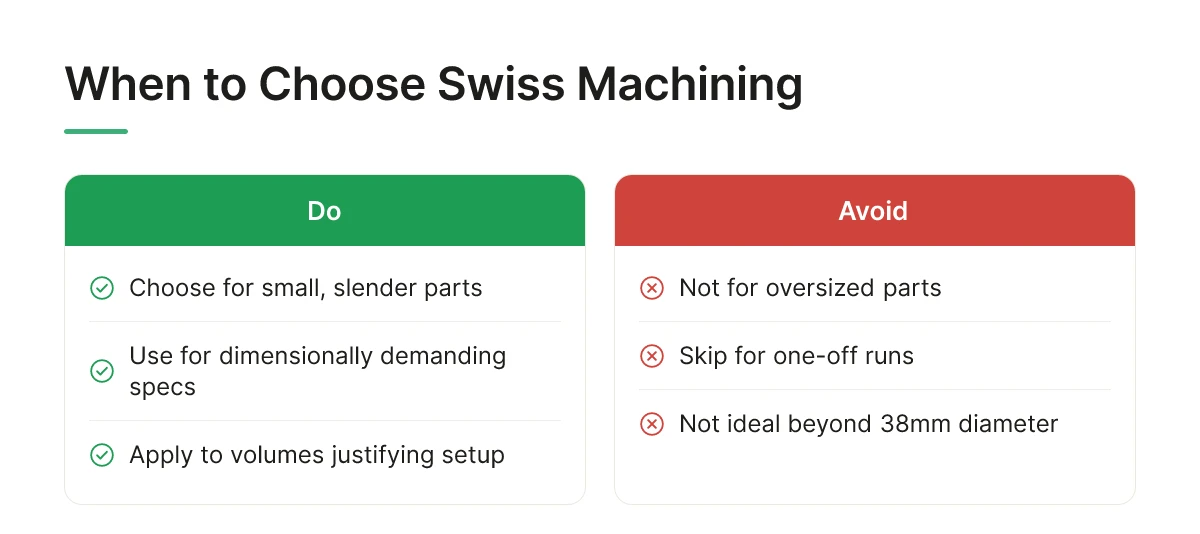
Choose Swiss machining when parts are small, slender, and dimensionally demanding, and produced in volumes that justify setup, not for oversized parts or one-off runs.
Understanding what is Swiss machining only matters once you connect it to a real sourcing decision. The guide-bushing design that defines the process, supporting bar stock close to the cutting tool to prevent deflection, pays off on parts under roughly 38mm in diameter with a long, thin profile relative to their width. Beyond that geometry, a fixed-headstock lathe or a mill-turn center is usually the more economical choice.
What Industries and Applications Benefit Most From Swiss Lathe Machining?
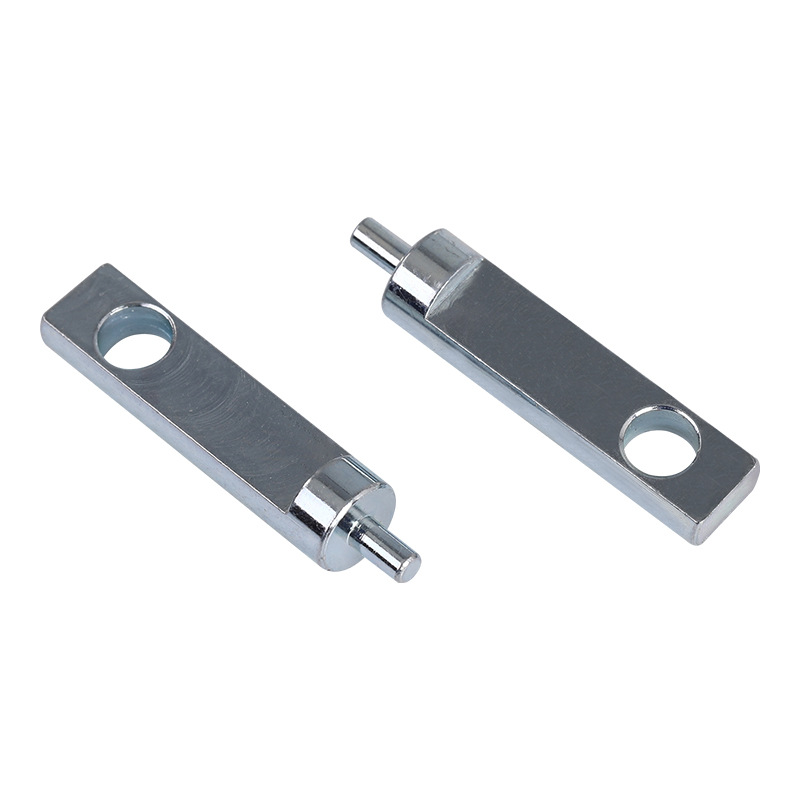
Medical devices, electronics connectors, automotive fasteners and sensors, and small aerospace components account for most Swiss machining volume. Medical device makers rely on it for bone screws, catheter components, and surgical instrument parts where tolerances leave no room for error. Electronics manufacturers use it for pins, connectors, and miniature housings. Automotive suppliers turn to Swiss lathes for sensor bodies and precision fasteners, while aerospace buyers use it for small hydraulic and instrument parts. These industries share a common trait: parts are small, geometry is complex, and defects are not tolerable.
Decision criteria come down to three factors: size, precision, and volume. If a part is small, slender, and needs tight tolerances held consistently across a batch, Swiss machining is worth the setup investment. If a part is large-diameter, short, or you need only a handful of units, conventional CNC turning is faster to set up and cheaper per part.
What Are Common Mistakes to Avoid When Implementing Swiss Machining?
The most frequent mistake is designing a part without accounting for guide-bushing bar stock requirements, engineers spec geometry as if for a standard lathe, then discover the design doesn’t feed cleanly through the sliding headstock. A second mistake is underestimating programming lead time; Swiss machines coordinate multiple tool axes in a single cycle, and that programming takes longer up front than a simple two-axis turning job. A third mistake is applying Swiss machining to parts that are too short to benefit from bar-fed continuous production, or too large for the machine’s capacity, in both cases you pay for capability you don’t use.
Mismatched process choice inflates cost mainly through changeover time and re-fixturing, not through the machine itself. Every time a shop swaps a part in and out of the wrong process, it adds setup hours that never touch the part’s actual precision requirements. For regulated industries, vet a partner’s certifications before volume, ISO 9001:2015, ISO 13485:2016 for medical work, and IATF 16949 for automotive components confirm documented process control, not just machine capability. MFG SOLUTION holds all three, alongside CNC turning, cold forging, and automatic lathe capacity, so parts get routed to whichever process fits the geometry and volume rather than forced into Swiss machining by default.
Frequently Asked Questions
Can Swiss machining produce parts as accurately as grinding?
Swiss machining reaches tolerances tight enough for most precision applications, but grinding still wins on the finest surface finishes and sub-micron tolerances. Swiss lathes routinely hold tolerances in the range needed for medical and connector components without a secondary grinding step. For parts requiring extreme surface finish or roundness beyond turning capability, a finish grind after Swiss machining is sometimes added.
Is Swiss machining only for round parts, or can it produce non-round geometries?
Swiss machining isn’t limited to round shapes; live tooling and sub-spindles let the machine mill flats, slots, cross-holes, and hex features in the same cycle. This turns the process into a mill-turn hybrid for many parts. Fully non-rotational or blocky geometries, though, are usually better suited to milling or a mill-turn center instead.
Do Swiss machines require special tooling compared to conventional CNC lathes?
Yes, Swiss machines need tooling built for tight, guide-bushing-supported work zones, including smaller-shank turning tools, guide bushing sets matched to bar diameter, and compact live tooling for milling or drilling operations. Tool setup accounts for bushing clearance and headstock travel, which differs from fixed-headstock lathe tooling. Shops running both machine types typically maintain separate tooling inventories.
How do you decide between Swiss machining and mill-turn centers for a new part?
The choice depends mainly on part length-to-diameter ratio, batch volume, and feature complexity away from the turning axis. Long, slender parts under roughly 38mm in diameter with turning-dominant features favor Swiss machining, especially at higher volumes. Parts with heavy off-axis milling, larger diameters, or lower volumes often run more economically on a mill-turn center. Reviewing the print with a manufacturing engineer before quoting avoids picking the wrong platform.
Conclusion
Swiss machining earns its place in precision manufacturing by combining guide-bushing rigidity with multi-operation tool access, cutting cycle times and secondary handling for small, slender parts. The method pays off most clearly on long, thin components in medium-to-high volumes where conventional lathes struggle with deflection. Before committing to a process, check part geometry, diameter, and volume against both Swiss and mill-turn capabilities.
MFG SOLUTION runs Swiss lathe machining alongside CNC turning, cold forging, automatic lathe, and CNC mill & turn operations, choosing whichever method fits a part’s specs and cost target for diameters up to 38mm. Submit your drawing for a quote within 8 hours and see which process comes back as the most economical fit.
Recommended Articles
Explore more from our content library: