
2026-05-19
CNC Rapid Prototyping: Methods, Tips & Best Practices

| Key Insight | Explanation |
|---|---|
| CNC prototyping is subtractive manufacturing | Material is removed from a solid block using computer-controlled cutting tools, producing parts with tight tolerances and real production-grade properties. |
| Multiple methods exist for different geometries | CNC milling, turning, Swiss lathe, mill-turn, and 5-axis machining each suit different part shapes, materials, and complexity levels. |
| Speed and accuracy are the core advantages | CNC prototypes can be produced in days rather than weeks, with tolerances as tight as ±0.005mm, making them suitable for functional testing. |
| Material versatility sets CNC apart from 3D printing | CNC machines work with metals, engineering plastics, and composites, producing prototypes with the same mechanical properties as production parts. |
| Certifications matter for regulated industries | ISO 9001:2015, ISO 13485:2016, and IATF 16949 compliance ensures prototypes meet medical, automotive, and electronics quality standards from day one. |
| Design for Manufacturability (DFM) reduces cost | Optimizing part geometry before machining begins prevents expensive rework, reduces cycle time, and improves prototype-to-production transitions. |
Speed-to-market pressure is relentless. Engineers need functional parts in days, not weeks, and the quality bar keeps rising. CNC rapid prototyping methods answer that demand directly. These are computer-controlled subtractive manufacturing processes that cut, turn, or mill a solid block of material into a precise prototype, ready for functional testing, fit checks, or regulatory review. This article covers every major method, explains how each one works, highlights the real-world benefits, and gives you actionable best practices to get the most out of your next prototyping run.
What Is CNC Rapid Prototyping?
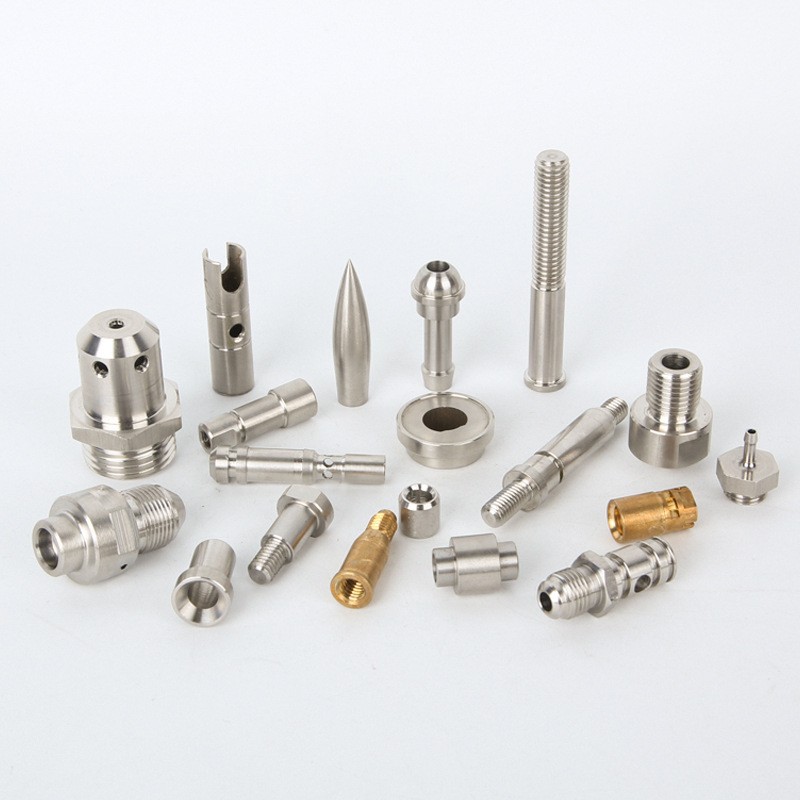
CNC rapid prototyping is a manufacturing method that uses computer numerical control (CNC) machines to quickly produce precise physical prototypes from digital CAD files. It is a subtractive process, meaning material is removed from a solid workpiece rather than added layer by layer. This approach delivers production-representative accuracy and material properties that additive methods often cannot match. [1]
Definition and Core Concept
According to Wikipedia’s overview of rapid prototyping, the broader category covers techniques used to quickly fabricate a scale model of a physical part or assembly using three-dimensional computer-aided design (CAD) data. [2] CNC machining sits within the subtractive branch of this family, alongside processes like electrical discharge machining (EDM). The defining characteristic is that the prototype is machined from a real engineering material, so its mechanical behavior under load, heat, or chemical exposure mirrors what the production part will experience.
A published review in IOPscience classifies rapid prototyping into three major groups: subtractive, additive, and virtual. CNC rapid prototyping falls firmly in the subtractive category. [3] That distinction matters because subtractive prototypes are typically stronger, dimensionally tighter, and better suited for functional validation than additive ones.
Why It Matters for Product Development
Getting a physical part in hand early in the design cycle reduces risk. You can test fit, form, and function before committing to expensive tooling. For regulated industries like medical devices or automotive components, a CNC prototype made from the actual production material also supports early-stage regulatory submissions.
- Tolerances as tight as ±0.005mm are achievable with modern CNC equipment
- Prototypes can be made from aluminum, stainless steel, brass, titanium, PEEK, and dozens of other engineering materials
- Lead times from CAD file to finished part typically range from 1 to 5 business days
- No tooling or molds are required, keeping per-prototype costs low at low volumes
Pro Tip: Always request a DFM (Design for Manufacturability) review before your first prototype run. Catching undercuts, thin walls, or inaccessible features at the CAD stage costs nothing. Discovering them after the first cut can double your lead time.
CNC Rapid Prototyping Methods Explained
CNC rapid prototyping methods span several distinct machining processes, each optimized for a different combination of geometry, material, tolerance, and production volume. Choosing the right method is the single most important decision in your prototyping workflow. [4]
The Main CNC Prototyping Processes
Research from Semantic Scholar notes that while rapid prototyping methods have significantly impacted product and process design, they differ in accuracy and material range. CNC machining consistently ranks among the highest for dimensional accuracy. [5] Here is a breakdown of the primary methods:
- CNC Milling: A rotating cutting tool removes material from a fixed workpiece. Ideal for flat surfaces, pockets, slots, and complex 3D contours. Three-axis milling handles most prismatic parts; 5-axis milling reaches undercuts and compound angles in a single setup.
- CNC Turning: The workpiece rotates while a fixed cutting tool removes material. Best for cylindrical or axisymmetric parts such as shafts, bushings, and connectors. Produces excellent surface finishes on round features.
- Swiss Lathe Machining: A specialized form of turning where the workpiece is fed through a guide bushing, providing exceptional support close to the cutting zone. This method is the standard for long, slender parts (high length-to-diameter ratios) requiring sub-micron concentricity and tight tolerances.
- CNC Mill-Turn (Multi-Axis Turning Centers): Combines milling and turning in one machine. The part is turned and then milled without re-fixturing, which eliminates datum shift errors and reduces cycle time. Ideal for complex parts with both rotational and prismatic features.
- 5-Axis CNC Machining: The cutting tool and workpiece move simultaneously across five axes. This allows highly complex geometries to be machined in fewer setups, improving accuracy and reducing lead time for intricate prototypes.
- Automatic Lathe (Screw Machine): High-speed, cam-driven or CNC-controlled lathes designed for high-volume production of small turned parts. Also used for rapid prototype runs when the geometry is simple and quantities exceed a few dozen pieces.
Method Comparison Table
| Method | Best For | Typical Tolerance | Material Range | Relative Speed |
|---|---|---|---|---|
| CNC Milling | Prismatic, complex 3D shapes | ±0.01mm | Metals, plastics, composites | Fast |
| CNC Turning | Cylindrical parts, shafts | ±0.005mm | Metals, engineering plastics | Very Fast |
| Swiss Lathe | Long slender parts, micro components | ±0.003mm | Metals, hard plastics | Fast |
| Mill-Turn | Complex multi-feature parts | ±0.008mm | Most metals and plastics | Moderate-Fast |
| 5-Axis CNC | Highly complex geometries | ±0.005mm | Metals, aerospace alloys | Moderate |
| Automatic Lathe | High-volume small turned parts | ±0.01mm | Metals, brass, aluminum | Very Fast (volume) |
Fictiv’s rapid prototyping guide confirms that CNC machining is one of the most widely used prototyping technologies precisely because it handles such a broad material and geometry range. [6] Protolabs’ manufacturing guide similarly notes that CNC machining sits alongside 3D printing and sheet metal as a primary rapid prototyping process, each with its own cost and capability trade-offs. [7]
Key Benefits of CNC Rapid Prototyping
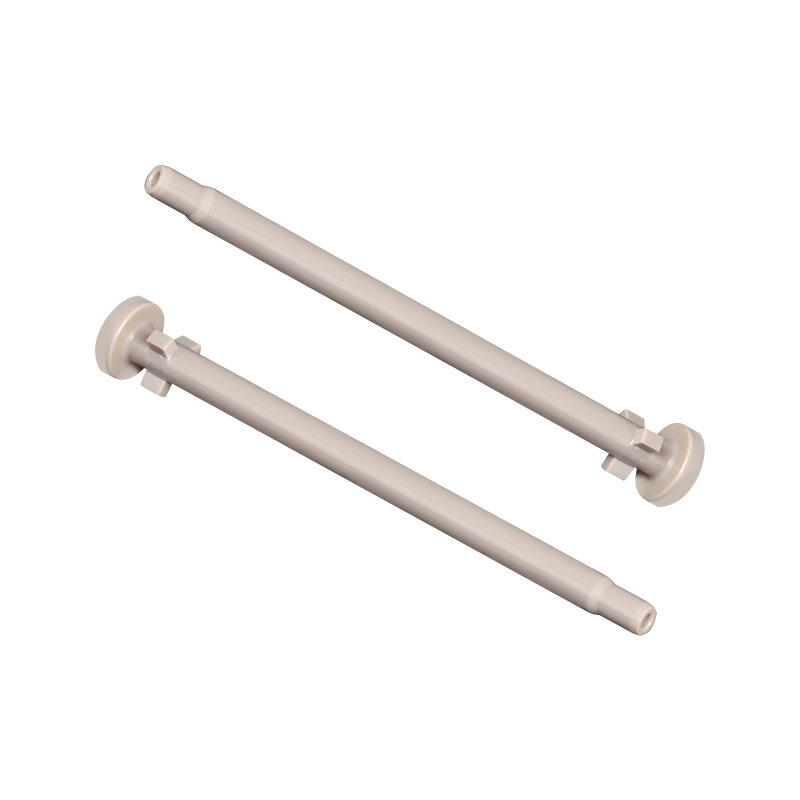
CNC rapid prototyping delivers functional, production-representative parts faster and more accurately than most alternative methods, making it the preferred choice for engineers who need real test data quickly. [8]
Speed, Accuracy, and Material Fidelity
The speed advantage is real and measurable. A CNC prototype can go from CAD file to finished part in as little as one business day for simple geometries. More complex parts typically take two to five days. Compare that to injection mold tooling, which can take four to eight weeks. For iterative design work, that difference is enormous.
- Dimensional accuracy: CNC machines hold tolerances that 3D printing simply cannot match for most engineering materials. Tight-tolerance features like bearing bores, thread forms, and mating surfaces come out right the first time.
- True material properties: A prototype machined from 6061 aluminum or 316 stainless steel behaves exactly like the production part under stress, heat, and chemical exposure. This is critical for functional testing.
- Surface finish quality: CNC machining produces surface finishes as fine as Ra 0.4µm without secondary operations, which matters for sealing surfaces, optical components, and medical device housings.
- Scalability: The same CNC program used for a 5-piece prototype run can be scaled to production volumes without retooling. This compresses the prototype-to-production transition significantly.
- No minimum order constraints: Unlike injection molding, CNC prototyping works equally well for a single part or a batch of 500.
Industry-Specific Advantages
In practice, the benefits vary by sector. An automotive supplier prototyping a fuel system connector needs leak-proof threads and chemical resistance. A medical device manufacturer needs biocompatible materials and full traceability. CNC machining addresses both requirements without compromise.
Industry analysts note that as of 2026, the demand for rapid prototyping in medical and automotive sectors continues to grow, driven by shorter product development cycles and stricter regulatory timelines. CNC machining’s ability to work with validated materials like PEEK, titanium, and stainless steel 316L makes it indispensable in these spaces. [9]
Pro Tip: If your prototype needs to pass a functional test (pressure, torque, fatigue), specify the same material grade and heat treatment as the production part from the very first prototype. Switching materials later invalidates your test data and adds cost.
A real-world example illustrates this well. A medical device startup recently needed 20 prototype housings in stainless steel 316L for a sterilization validation study. Their original supplier quoted 6 weeks. By switching to a CNC rapid prototyping approach with a certified machining partner, they received functional parts in 4 days, allowing them to hit their regulatory submission deadline without compromising material traceability.
Common Challenges and Mistakes to Avoid
CNC rapid prototyping is reliable, but several predictable mistakes can inflate cost, extend lead time, or produce parts that don’t meet functional requirements. Knowing them in advance saves significant frustration. [10]
Design and Specification Errors
The most common mistake is submitting a CAD file that wasn’t designed with machinability in mind. Features that look simple on screen can be extremely difficult or impossible to cut.
- Overly tight tolerances: Specifying ±0.001mm on a non-critical dimension drives up cost and cycle time without any functional benefit. Apply tight tolerances only where fit or function demands it.
- Internal sharp corners: CNC cutting tools are round. Internal corners always have a radius equal to at least half the tool diameter. Designing sharp internal corners forces the machinist to use tiny tools, which increases time and tool breakage risk.
- Thin walls: Walls thinner than 0.5mm in metal (or 1mm in plastic) tend to vibrate during cutting, causing chatter marks and dimensional errors. Thicken them or add ribs where possible.
- Deep narrow pockets: A pocket deeper than 4x its width is difficult to machine cleanly. Tool deflection increases with depth, degrading accuracy.
- Ignoring fixturing: Every part needs to be held securely during machining. Features that leave no flat or parallel surface for clamping require custom fixtures, which add cost and lead time.
Supplier and Process Mistakes
Choosing a machining partner without verifying their quality system is a significant risk, especially for regulated industries. A common mistake is selecting a supplier based on price alone, then discovering they lack the certifications required for your industry.
- Always confirm ISO 9001:2015 certification as a baseline for any CNC prototyping supplier
- For medical device prototypes, require ISO 13485:2016 compliance and material traceability documentation
- For automotive components, IATF 16949 certification is the relevant standard
- Request first article inspection (FAI) reports on the first prototype run to verify all critical dimensions
- Clarify surface finish requirements in writing using Ra values, not subjective terms like “smooth”
One pitfall to watch for is the assumption that a fast quote means a thorough review. Some suppliers quote quickly without checking for DFM issues, then raise the price or extend the lead time after they start machining. A supplier with 60+ engineering professionals on staff can catch these issues at the quoting stage, not after the material is already cut.
Best Practices for CNC Rapid Prototyping in 2026
Getting the best results from CNC rapid prototyping methods in 2026 requires combining smart design habits, the right process selection, and a supplier relationship built on transparency and documented quality. [11]
Design and File Preparation
- Start with a DFM-ready CAD model. Use standard tool sizes, avoid unnecessary tight tolerances, and add chamfers or radii to internal corners before submitting for quoting.
- Choose the right file format. STEP (.stp) files are the universal standard for CNC quoting. They carry full 3D geometry and are readable by every major CAM (computer-aided manufacturing) software platform.
- Include a 2D drawing with GD&T callouts. Even if your supplier works from the 3D model, a drawing with geometric dimensioning and tolerancing (GD&T) annotations eliminates ambiguity on critical features.
- Specify material and finish explicitly. Don’t assume the machinist knows you need 6061-T6 rather than 6061-T4, or that you need a passivation treatment on stainless steel parts.
- Identify critical vs. non-critical dimensions. Clearly mark which tolerances are functional requirements and which are reference dimensions. This helps the machinist prioritize and reduces unnecessary cost.
Process and Supplier Selection
At MFG SOLUTION, we’ve found that matching the prototyping method to the part geometry from the start is the single biggest lever for reducing both cost and lead time. A cylindrical connector that could be produced in 10 minutes on a CNC turning center shouldn’t be milled from a block of aluminum in 45 minutes.
- Use CNC turning or Swiss lathe for parts up to 38mm diameter with primarily rotational features
- Use CNC milling or 5-axis machining for prismatic parts with complex pockets, contours, or compound angles
- Use mill-turn centers for parts that combine both turning and milling features to avoid re-fixturing errors
- Consider automatic lathe services when prototype quantities exceed 50 pieces and the geometry is primarily turned
Pro Tip: When evaluating a CNC prototyping supplier, ask specifically about their first-article inspection process. A supplier who measures and documents every critical dimension on the first piece off the machine will catch problems before they become batches of scrap. This is standard practice under ISO 9001:2015 and IATF 16949.
Research from NCSU’s manufacturing lab confirms that CNC-RP (CNC rapid prototyping) using three-axis milling with fourth-axis indexing is a proven conventional subtractive fabrication process that delivers reliable results when toolpath strategies are optimized for the specific geometry. [12] Combining that with modern 5-axis capability, as available on current equipment, extends the range of achievable geometries significantly.
Our team at MFG SOLUTION recommends building a short supplier qualification checklist before placing any prototype order. Verify certifications, ask for sample inspection reports, confirm lead time guarantees, and clarify the quoting process. A supplier who quotes within 8 hours and ships within 3 days has built systems around speed and reliability, not just price.
Sources & References
- VMT CNC, “What is CNC rapid prototyping? Definition, Types & Application”, 2024
- Wikipedia, “Rapid Prototyping”, 2026
- IOPscience, “Review on CNC-Rapid Prototyping”, IOP Conference Series: Materials Science and Engineering
- Jiga, “Rapid Prototyping with CNC Machining”, 2024
- Semantic Scholar, “Rapid Prototyping Using CNC Machining”, Frank & Wysk
- Fictiv, “Rapid Prototyping: A Guide on the Methods for Fast Product Development”, 2024
- Protolabs, “Selecting a Rapid Prototyping Process | Manufacturing Guide”, 2024
- Nabell, “Why CNC Rapid Prototyping is Important in Industrial Applications”, 2024
- BDE Inc., “CNC Rapid Prototyping: Trends and Innovations Transforming the Industry”, 2024
- Team Elite, “Injection Molding, 3D Printing, and CNC Machined Prototypes Compared”, 2024
- Iowa State University, Rapid Manufacturing and Prototyping Laboratory, “Project Archive”
- NC State University, “Conventional Machining Methods for Rapid Prototyping and Direct Manufacturing” (PDF)
Frequently Asked Questions
1. What type of rapid prototyping method does a CNC machine employ?
CNC machines use subtractive manufacturing as their core rapid prototyping method. A computer-controlled cutting tool removes material from a solid workpiece (metal, plastic, or composite) to produce a part that matches the CAD geometry. Unlike additive methods such as 3D printing, subtractive CNC prototyping produces parts with full material density, tight dimensional tolerances (often ±0.005mm or better), and surface finishes suitable for functional testing and regulatory submissions. The specific subtype (milling, turning, Swiss lathe, or 5-axis) depends on the part geometry.
2. What is the 8-6-4 rapid prototype method?
The 8-6-4-2 rapid prototype method is a UX and product design technique, not a CNC machining process. It involves structured sketching sessions of decreasing duration (8 minutes, 6 minutes, 4 minutes, and 2 minutes) with brief feedback rounds in between, helping teams quickly generate and refine concept sketches before committing to physical prototypes. It’s a design-thinking tool used to explore multiple ideas rapidly at the concept stage, well before CNC rapid prototyping methods are engaged to produce physical parts.
3. What are the 4 types of prototypes?
The four main prototype types are: (1) feasibility prototypes, which test whether a concept is technically achievable; (2) low-fidelity user prototypes, such as foam or cardboard mockups, used for early ergonomic and form feedback; (3) high-fidelity user prototypes, which closely replicate the final product’s appearance and function (CNC machined prototypes typically fall here); and (4) live-data or production-equivalent prototypes, built from production materials and processes to validate performance under real operating conditions. CNC rapid prototyping methods are most commonly used for high-fidelity and production-equivalent prototypes.
4. How does CNC rapid prototyping compare to 3D printing?
CNC rapid prototyping and 3D printing serve different needs. CNC machining produces parts with superior dimensional accuracy, full material density, and a much wider material range (including metals and high-performance plastics like PEEK). 3D printing is faster and cheaper for very complex geometries with internal channels or lattice structures, and it requires no fixturing. For functional testing, regulatory submissions, or any application requiring true material properties, CNC rapid prototyping methods are generally the better choice. Many engineering teams use both: 3D printing for early concept models, CNC machining for functional validation prototypes.
5. What materials can be used in CNC rapid prototyping?
CNC rapid prototyping methods work with virtually any machinable material. Common choices include aluminum alloys (6061, 7075), stainless steel (303, 304, 316L), brass, copper, titanium, and engineering plastics such as PEEK, Delrin (POM), nylon, and polycarbonate. The material choice should match the production intent. If the final part will be 316L stainless steel for a medical device, the prototype should be too, to ensure that functional testing data is valid and transferable to the production design.
6. How fast is CNC rapid prototyping in practice?
Lead times for CNC rapid prototyping depend on part complexity, material availability, and supplier capacity. Simple turned parts can be completed in under 24 hours from an approved CAD file. More complex milled or multi-axis parts typically take 2 to 5 business days. A well-organized CNC prototyping supplier should be able to provide a detailed quote within 8 hours of receiving your specifications, and ship completed prototypes within 3 business days for standard geometries. Always confirm lead time commitments in writing before placing an order.
Conclusion
CNC rapid prototyping methods remain the most reliable path from CAD file to functional part when accuracy, material fidelity, and speed all matter. Whether you need a single Swiss-lathed medical connector or a batch of 5-axis milled housings for automotive validation, the right method and the right supplier make all the difference.
The key decisions are straightforward: match the machining method to your part geometry, design for manufacturability from the start, specify materials that match your production intent, and work with a certified supplier who can document every step of the process.
MFG SOLUTION specializes in high-precision small machined parts up to 38mm diameter, using CNC turning, Swiss lathe, mill-turn, automatic lathe, and cold forging processes. With quotes delivered within 8 hours and parts shipped within 3 days, backed by ISO 9001:2015, ISO 13485:2016, and IATF 16949 certifications, we’re built for teams that can’t afford to wait. Submit your specifications and find out exactly what’s possible for your next prototype run.
About the Author
Written by the Manufacturing – Precision Machining & CNC Services experts at MFG SOLUTION. Our team brings years of hands-on experience helping businesses with Manufacturing – Precision Machining & CNC Services, delivering practical guidance grounded in real-world results.
Recommended Articles
Explore more from our content library: