
2026-07-28
316 Material: Properties, Grades, Applications

316 material refers to AISI 316 stainless steel, an austenitic alloy containing 16–18% chromium, 10–14% nickel, and 2–3% molybdenum. The molybdenum addition is what sets it apart from 304 stainless steel, giving 316 significantly superior resistance to chlorides, acids, and pitting corrosion. It is the preferred grade for marine, chemical processing, pharmaceutical, and food-grade applications where 304 would corrode prematurely.

What Is 316 Material? Composition, Grades, and Key Differences from 304
316 material is an austenitic stainless steel defined by its molybdenum content—the single element that 304 lacks and that drives most of its performance advantages.
The standard AISI 316 composition runs 16–18% chromium, 10–14% nickel, 2–3% molybdenum, and a maximum of 0.08% carbon. That 2–3% molybdenum addition is what separates 316 from 304 at the chemistry level. Without it, 304 scores a Pitting Resistance Equivalent Number (PREN) of roughly 18–20; 316 reaches approximately 25–26, a measurable jump that directly translates to chloride resistance in service.
According to AZoM’s detailed overview of Grade 316 stainless steel properties and applications, the molybdenum content is the defining factor that makes 316 suitable for aggressive chemical and marine environments where 304 would fail prematurely.
The UNS designations matter for procurement paperwork: 316 is S31600 and 316L is S31603. Specifying the wrong UNS number on a purchase order can result in receiving the wrong alloy, which is a compliance problem in medical and automotive supply chains.
“The addition of molybdenum to austenitic stainless steel is one of the most effective ways to improve resistance to pitting and crevice corrosion in chloride-containing environments.” — ASTM International, Technical Committee on Stainless Steel Standards
316 vs 316L: Which Grade Should You Specify?
316L caps carbon at 0.03% versus the 0.08% maximum for standard 316. That lower carbon level prevents carbide precipitation at grain boundaries during welding—a failure mode called sensitization that makes standard 316 susceptible to intergranular corrosion in the heat-affected zone. For any assembly that involves welding, 316L is the correct specification. For machined parts that see no welding, standard 316 performs equivalently and is sometimes easier to source at scale.
The key differences between 316 and 316L can be summarized as follows:
- Carbon content: 316 allows up to 0.08% carbon; 316L is capped at 0.03%
- Weld suitability: 316L is preferred for welded assemblies due to lower sensitization risk
- Corrosion resistance: Both grades offer equivalent corrosion resistance in non-welded applications
- Cost: 316L typically carries a 2–5% price premium over standard 316
- Availability: Many distributors stock both grades; always verify mill certifications
How to Verify Whether Your Stainless Steel Is 304 or 316
Visual inspection alone cannot distinguish 304 from 316. The two grades look identical in bar, sheet, or finished part form. Reliable verification methods include XRF (X-ray fluorescence) analyzers, PMI (Positive Material Identification) testing, or reviewing the mill certification against the heat number stamped on the material. For compliance-critical applications—medical device components, automotive fasteners, chemical fittings—always require a mill cert and cross-reference the UNS designation before releasing material to production.
Mechanical Properties and Corrosion Performance of 316 Stainless Steel
316 stainless steel delivers a minimum tensile strength of 515 MPa and yield strength of 205 MPa, matched with chloride corrosion resistance that 304 cannot match.
Those mechanical figures are comparable to 304 on paper, but the 2–2.5% molybdenum addition in 316 material is what separates the two grades in practice. Molybdenum stabilizes the passive oxide layer against chloride attack, making 316 the standard choice for seawater exposure, de-icing salt environments, and chemical processing equipment where 304 pits rapidly.
For temperature service, 316 handles continuous use up to 870°C (1,600°F) and intermittent use up to 925°C (1,700°F). Above those thresholds, carbide precipitation at grain boundaries—called sensitization—increases intergranular corrosion risk. Specifying 316L, with its lower carbon ceiling of 0.03%, reduces that risk in welded assemblies.
Hardness in the annealed condition typically falls between 79–95 HRB. The material is non-magnetic when annealed and offers good formability—both useful in precision-machined medical and electronic components. It is also 100% recyclable, which matters to procurement teams managing material cost and sustainability targets.
One weakness engineers must account for: stress corrosion cracking (SCC) remains a real risk above 60°C in high-chloride environments. No amount of molybdenum content eliminates SCC in austenitic grades.
“Stress corrosion cracking in austenitic stainless steels remains one of the most insidious failure modes in chemical processing plants, occurring even in grades with elevated molybdenum content when chloride concentrations and temperatures are sufficiently high.” — NACE International, Corrosion Engineering Reference
How 316 Compares to Duplex Stainless Steel and Other Competing Materials
Duplex grades like 2205 outperform 316 on two fronts, roughly double the yield strength (450 MPa minimum) and significantly better SCC resistance in aggressive chloride service. That makes 2205 the preferred choice for offshore oil equipment and high-temperature brine systems where 316 would crack under sustained stress.
The trade-off is cost and machinability. Duplex steels are harder to machine and typically carry a higher material premium than 316. For precision-machined parts under 38mm diameter—the kind MFG SOLUTION produces for medical device and automotive customers—316 hits the right balance of corrosion performance, formability, and per-part cost. Compared to 304, 316 costs more due to its molybdenum content, but that premium is justified wherever chloride exposure is part of the service environment.
As detailed in the thyssenkrupp Materials guide on the difference between 304 and 316 stainless steel, the choice between grades ultimately comes down to the specific corrosive agents present in the service environment and the acceptable cost-performance trade-off for the application.
Real-World Applications of 316 Stainless Steel Across Industries
316 stainless steel is the standard specification in marine, chemical, food, pharmaceutical, and medical applications where corrosion resistance and cleanliness are non-negotiable. For more information, see Thegoodcode.
How 316 Stainless Steel Is Used in Marine, Chemical, and Food Industry Applications
In marine environments, 316 material is the minimum acceptable grade for any component in direct saltwater contact. Boat fittings, propeller shafts, and underwater fasteners all require 316, 304 corrodes visibly within months in marine spray zones due to its lack of molybdenum.
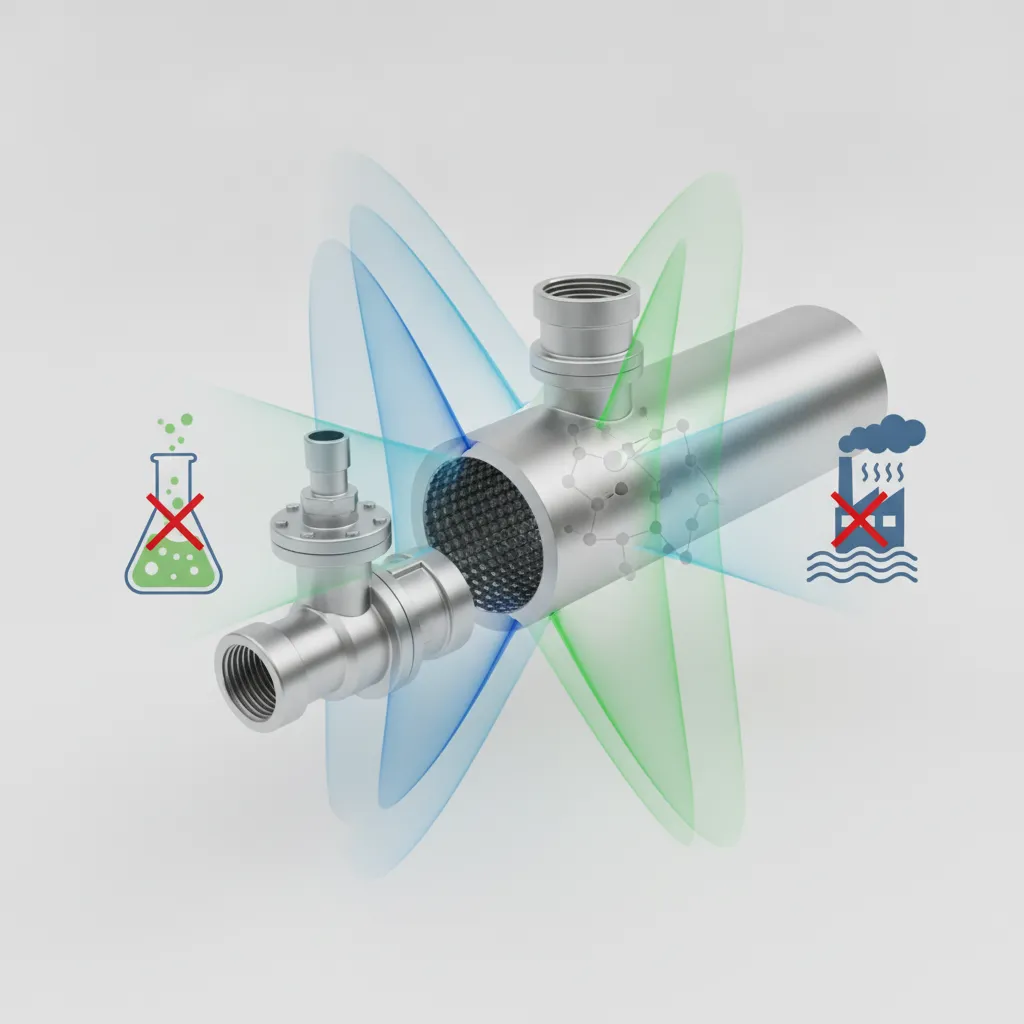
Chemical processing plants specify 316 for pump housings, valve bodies, and heat exchanger tubes that handle sulfuric acid, phosphoric acid, and chloride-containing process streams. The 2–2.5% molybdenum content is what keeps these components serviceable where 304 would pit and fail.
Food and pharmaceutical manufacturers rely on 316L specifically. The ASME BPE standard requires 316L for bioprocessing equipment, mixing tanks, conveyor components, and fluid-contact surfaces, because the lower carbon content reduces carbide precipitation during welding, keeping surfaces FDA-compliant and cleanable.
Medical device manufacturing takes 316 a step further. Surgical instruments and orthopedic tools are machined from standard 316L, while implantable components require 316LVM, vacuum melted, to eliminate non-metallic inclusions that could trigger a biological response. Both grades must survive repeated sterilization cycles without dimensional change or surface degradation.
The most common industries and applications for 316 material include:
- Marine and offshore: Boat fittings, propeller shafts, underwater fasteners, dock hardware
- Chemical processing: Pump housings, valve bodies, heat exchanger tubes, reactor vessels
- Food and beverage: Mixing tanks, conveyor components, fluid-contact surfaces, storage vessels
- Pharmaceutical and bioprocessing: ASME BPE-compliant equipment, sterile fluid systems
- Medical devices: Surgical instruments, orthopedic tools, implantable components (316LVM)
- Architecture: Coastal building cladding, handrails, exterior fasteners in salt-air environments
Forged 316 components, produced through processes covered in our forging stainless steel guide, offer tighter grain structure for high-stress marine and chemical applications. Surface finish requirements for food and pharma parts, including Ra targets for hygienic contact surfaces, are detailed in our surface finish CNC machining resource.
Machining, Welding, and Fabrication Techniques for 316 Material
316 material machines at roughly 45–50% the rate of AISI B1112 free-machining steel and demands precise process control to avoid work hardening and tool wear.
Cold forming 316 stainless is achievable, but it requires more press force than 304 because 316’s higher molybdenum content increases its work-hardening rate. Engineers must account for spring-back in bend calculations, under-bending by even a few degrees produces out-of-tolerance parts at scale.
Best Practices for Welding 316 Stainless Steel
Use ER316L filler metal when welding 316 base metal. The low-carbon ER316L wire prevents carbide precipitation at grain boundaries, which is the primary cause of intergranular corrosion in welded joints.
Keep heat input out of the 425–860°C sensitization range during welding. Prolonged exposure in that band causes chromium carbides to form at grain boundaries, stripping the surrounding metal of the corrosion resistance that makes 316 worth specifying.
When corrosion resistance must be fully restored after welding, post-weld annealing at 1010–1120°C followed by rapid quenching dissolves those carbides back into solution. Skip this step on structural weldments at your own risk, particularly in chloride or acidic service environments.
CNC Machining Parameters and Tooling for 316 Material
316 work-hardens rapidly, so dwelling the tool, even briefly, builds a hardened surface layer that dulls inserts and degrades dimensional accuracy. Use sharp carbide inserts with positive rake angles, maintain consistent feed rates, and never let the cutter rub.
For CNC turning and milling, target cutting speeds of 60–90 m/min with carbide tooling and run high feed rates to keep the tool cutting through fresh material. Flood coolant is non-negotiable, it controls heat and flushes chips before they re-weld to the workpiece. Selecting the right CNC coolants and lubricants directly affects tool life and surface finish on 316.
Drilling and threading 316 require pecking cycles on deep holes to clear chips and limit heat buildup. Chip packing in blind holes causes drill breakage and thread damage, both expensive on a material that costs more per kilogram than 304. See MFG SOLUTION’s guides on CNC hole drilling technology and CNC threading optimization for parameter-level detail on both operations.
For additional technical reference on 316 material fabrication and machining behavior, the AISI 316 and 316L international designation reference at Stahlportal provides detailed chemical and mechanical property data useful for engineering specifications.
“When machining austenitic stainless steels such as 316, the most common errors are insufficient feed rate and inadequate coolant flow — both of which accelerate work hardening and dramatically shorten tool life.” — Sandvik Coromant, Stainless Steel Machining Application Guide
316 Stainless Steel Cost, Availability, and When to Specify It Over 304
316 stainless steel costs 20–35% more than 304 in bar and sheet form, that premium is justified when chlorides, heat, or regulations demand it; otherwise, 304 wins on price.
The cost gap traces directly to molybdenum. At 2–3% by weight, molybdenum is the defining element in 316 material, and its spot price is volatile enough to shift 316 pricing quarter to quarter. When molybdenum trades high, the gap widens; budget accordingly if you’re sourcing in bulk.
316L carries a further 2–5% premium over standard 316, but many distributors stock both grades interchangeably under the same SKU. Always request and verify mill certifications, a certificate confirming carbon content below 0.03% is the only reliable way to confirm you have 316L, not standard 316.
Standard bar, sheet, and tube in 316 are widely available with short lead times. Specialty forms, heavy plate, seamless tube, forged bar, can run 8–16 weeks from mill to dock. Build that window into your project schedule before locking a launch date.
Use this decision rule: specify 316 when chloride concentration exceeds 200 ppm, service temperatures top 60°C in aqueous environments, or standards such as FDA, ASME BPE, or ASTM A276 explicitly require it. Below those thresholds, 304 delivers adequate corrosion resistance at a lower unit cost.
One procurement note worth flagging for ESG and LEED projects: 316 stainless averages 60–70% recycled content and is fully recyclable at end of life, which can support sustainability reporting requirements without a material change penalty.
Frequently Asked Questions
Is 316 stainless steel magnetic?
316 stainless steel is non-magnetic in its annealed (solution-treated) state. Its austenitic microstructure, stabilized by 10–14% nickel, prevents the ferromagnetic crystal structure that makes carbon steel and ferritic grades magnetic. Cold working during machining or forming can induce slight magnetism, but the effect is minor and does not indicate a material defect or grade change.
What is the difference between 316 and 316L stainless steel in terms of weldability?
316L welds more reliably than standard 316 because its carbon content is capped at 0.03% versus 0.08% for 316. Higher carbon levels promote carbide precipitation at grain boundaries during welding, a process called sensitization, which reduces corrosion resistance near the weld zone. For parts that will be welded and then exposed to chlorides or acids, 316L is the safer choice without requiring post-weld annealing.
Can 316 stainless steel rust?
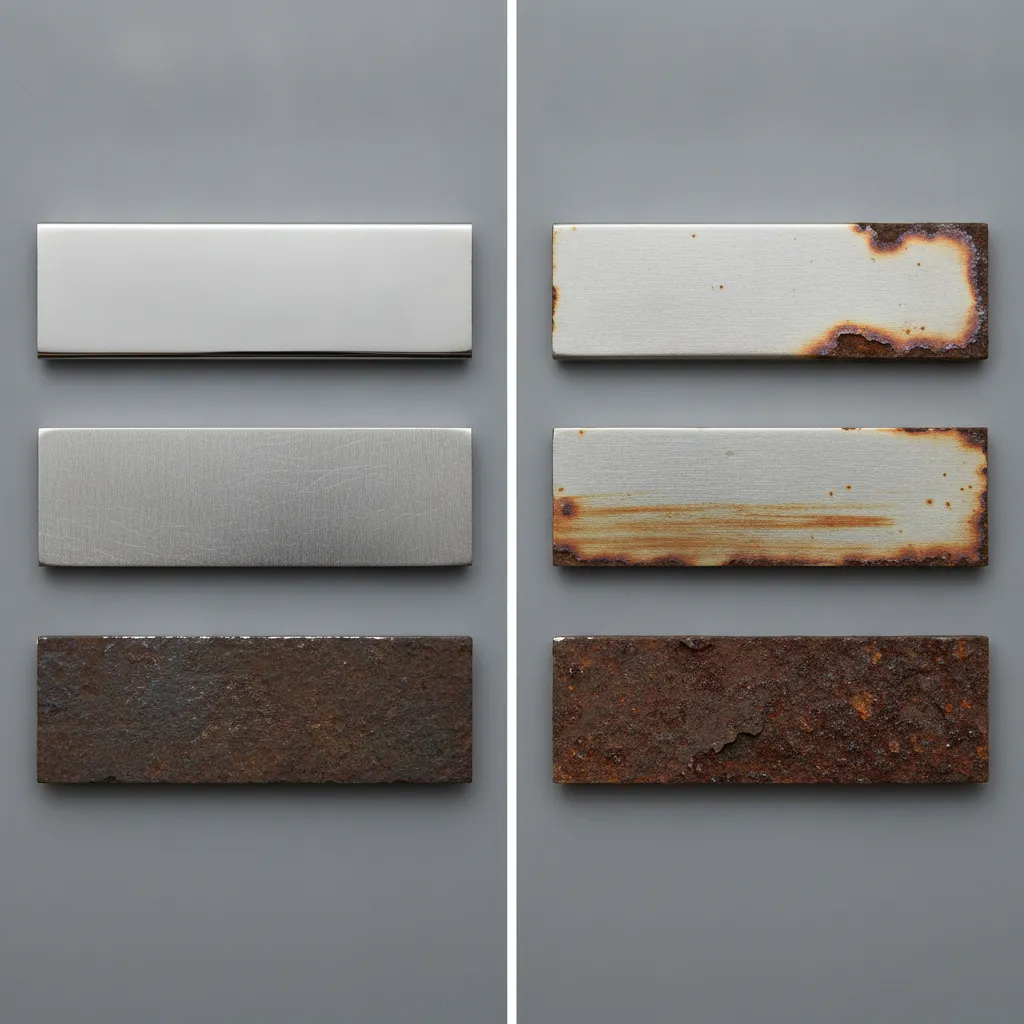
316 stainless steel can rust under specific conditions, but it resists corrosion far better than most steels. The 2–3% molybdenum addition raises its resistance to chloride pitting and crevice corrosion significantly above 304 grade. Prolonged exposure to concentrated chlorides, low-oxygen crevices, or highly acidic environments can still cause surface staining or pitting, so environment and part geometry both matter.
What environmental and sustainability benefits does 316 stainless steel offer compared to other materials?
316 stainless steel is fully recyclable and carries a high scrap recovery rate, the global stainless steel industry recycles roughly 85% of end-of-life material back into new production. Its corrosion resistance extends service life significantly, reducing replacement frequency and the energy cost of manufacturing new parts. For medical, food-processing, and marine applications, longer part life directly lowers the material’s lifecycle carbon footprint compared to coated carbon steel alternatives.
What standards and certifications govern the use of 316 material in regulated industries?
Several key standards govern 316 material in regulated industries. ASTM A276 and A479 cover stainless steel bar and wire for general use. ASME BPE specifies 316L for pharmaceutical and bioprocessing equipment. ASTM F138 governs 316LVM for surgical implants. In food processing, 3-A Sanitary Standards reference 316L for product-contact surfaces. Always confirm which standard applies to your application and request mill certifications that explicitly reference the relevant specification and UNS designation before releasing material to production.
Conclusion
316 material earns its place in demanding applications because of three concrete advantages: 2–3% molybdenum for chloride resistance, a low-carbon 316L variant that eliminates weld sensitization, and an austenitic structure that stays tough from cryogenic temperatures up to 870°C. Those properties only translate into reliable parts when machining is executed with the right tooling, speeds, and process controls, poor surface finish or incorrect tolerances negate the alloy’s corrosion benefits.
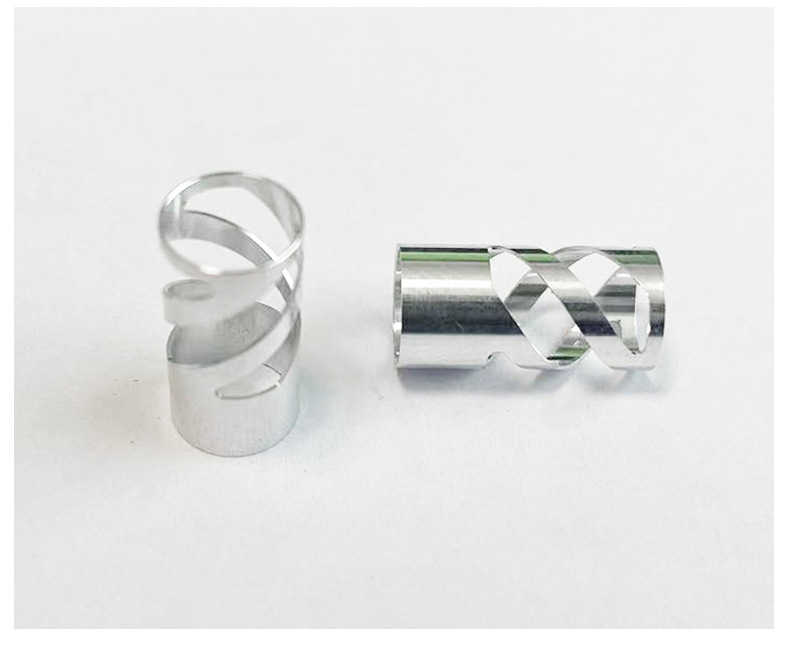
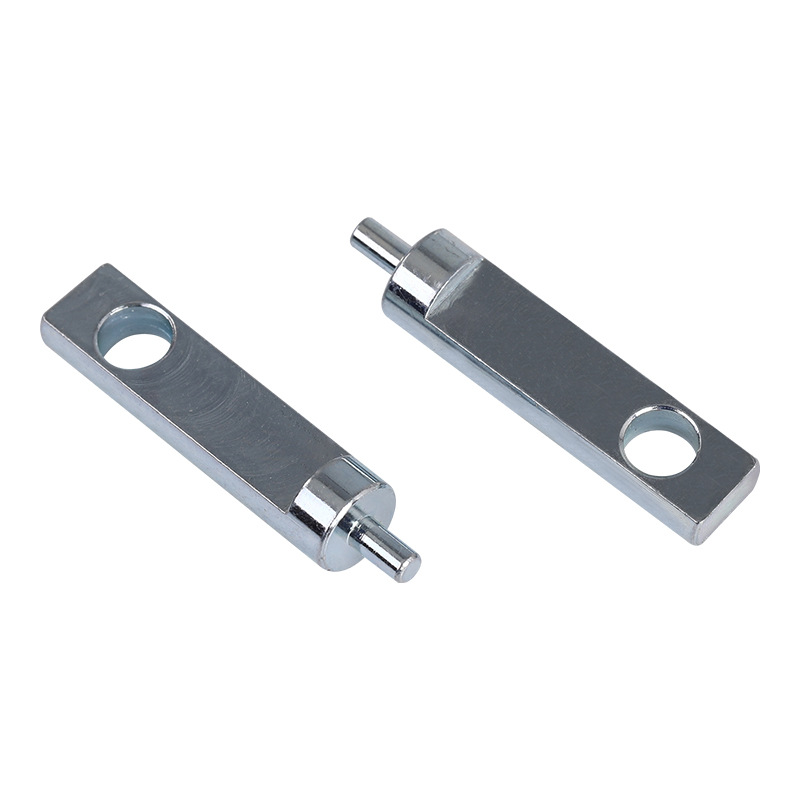
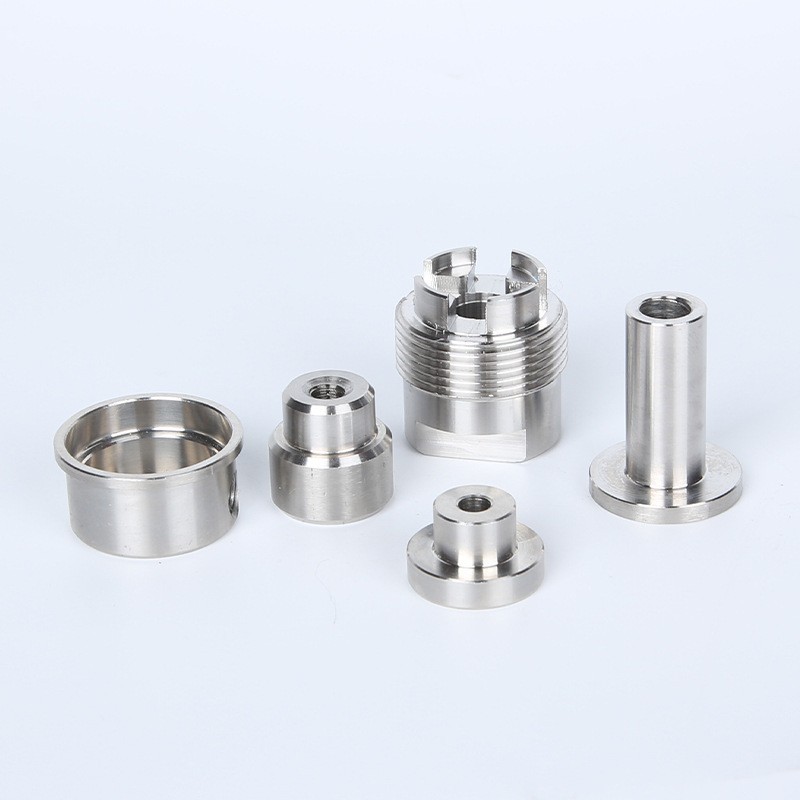
If you’re sourcing precision 316 components up to 38mm diameter, submit your part specifications to MFG SOLUTION for a quote within 8 hours, include your surface finish requirement and whether 316 or 316L applies, so the engineering team can select the optimal process from the first run.
Recommended Articles
Explore more from our content library: