
2026-07-25
How to Buy Forging Equipment: Types, Costs, and What to Know
Understanding how to buy forging equipment is essential for any aspiring blacksmith or metalworker. To buy a forge, choose between coal, propane, or electric models based on your project type and workspace. Entry-level propane forges start around $300–$500, while complete beginner kits with anvil, tongs, and fuel run $600–$1,200. Coal forges burn hotter and suit traditional blacksmithing; propane forges are cleaner and easier for home shops. Factor in safety gear, ventilation, and local zoning rules before purchasing.
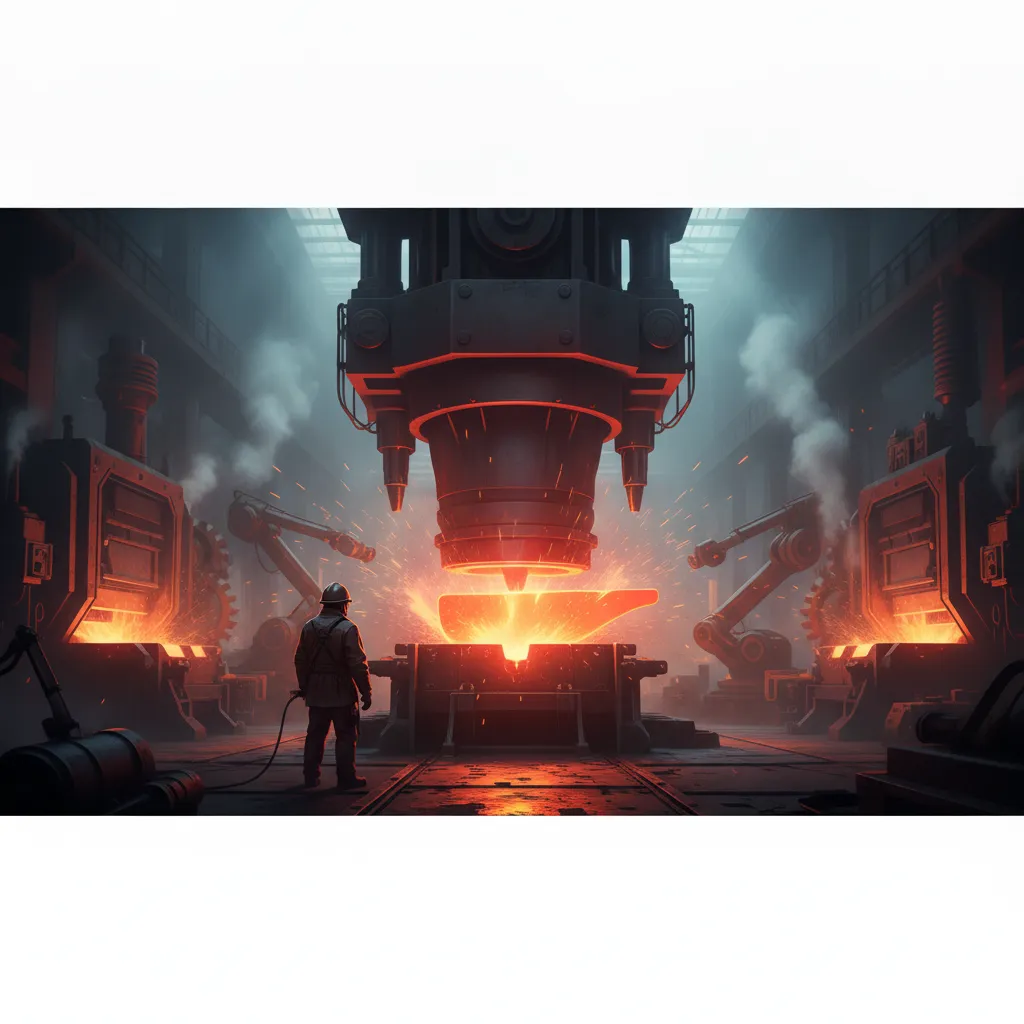
How to Buy a Forge: Types, Costs, and What to Look For: buy forging
Propane, coal, and electric forges each suit different budgets and workspaces. Your fuel source, ventilation, and target temperature determine which is right when you decide to buy forging equipment.
Before you buy forging equipment, nail down three things: your available space, your ventilation setup, and the steel you plan to work. Those three factors eliminate most wrong choices before you spend a dollar.
“The single biggest mistake new smiths make is buying a forge before they understand their workspace limitations. Ventilation and fuel access should drive the decision, not price alone.” — James Austin, Master Blacksmith and Instructor, American Blacksmith Society
Coal vs. Propane vs. Electric Forges: Pros and Cons
Entry-level propane forges, models like Hell’s Forge and NC Forge, run $300–$500. A single-burner propane unit delivers roughly 100,000 BTU, making it predictable and easy to control for beginners. Coal forges start around $200 for a basic firepot setup, but you’ll also need a blower, clinker breaker, and a reliable coal source — costs that add up fast.
Coal output varies with airflow, which gives experienced smiths fine temperature control but frustrates beginners. Electric forges cost $400–$800 and require no ventilation, making them the practical choice for apartment shops or enclosed garages. The trade-off is slower heat-up time and lower peak output compared to a well-tuned propane rig.
When comparing any forge, check four specs: interior chamber volume (cubic inches), max temperature, target at least 2,300°F for working mild steel, fuel consumption rate (propane burns roughly 1 lb/hr per burner), and burner count. A two-burner propane forge heats larger stock faster but consumes fuel at twice the rate.
According to USA Knifemaker’s forging tools catalog, the most popular entry-level forges among hobbyist knife makers are single-burner propane units with ceramic fiber insulation, which offer the best balance of heat-up speed and fuel economy for small stock.
- Propane forges: Fast heat-up (10–15 min), clean operation, consistent temperature, ideal for beginners and home shops
- Coal forges: Higher peak temperatures, flexible fire zone for long stock, lower upfront cost but higher skill requirement
- Electric forges: No ventilation needed, safest for enclosed spaces, slower heat-up and lower max output
- Induction forges: Fastest and most precise, best for production environments, highest cost ($1,500+)
Complete Starter Kits vs. Buying Components Separately
Complete beginner kits — forge, anvil, tongs, and hammer bundled together — from suppliers like Blacksmiths Depot or NC Tool Co. range from $600–$1,200. They remove the guesswork around compatibility and usually include basic safety gear.
Buying components separately can save 15–20%, but it demands more research: you need to match anvil weight to your forge output, source tongs sized for your stock diameter, and verify that your hammer weight suits your anvil mass. That research pays off if you already know your workflow.
Readers who need precision-machined forged components rather than a hobbyist setup — think automotive fasteners or medical device housings — should read Forging Components: A Complete Guide for 2026 for a full breakdown of industrial forging specifications.
Fuels and Materials You Need After Buying a Forge
After you buy forging equipment, you need bituminous coal or propane for fuel and mild steel stock for raw material — budget $50–$100 to start.
Blacksmithing coal (bituminous or metallurgical grade) sells in 50 lb bags for $25–$45 from suppliers like Centaur Forge. Propane is the cleaner alternative: a single-burner gas forge burns roughly 1–1.5 lbs per hour, so a standard 20 lb tank gives you 13–20 hours of active forging time before you need a refill from any hardware store.
For steel stock, mild steel (grade 1018) is the standard starting material. Metal suppliers sell it in 1-foot increments for $2–$6 per lb depending on diameter — a 1-inch round bar runs toward the higher end of that range.
“Beginners consistently underestimate fuel costs. A serious weekend of forging can burn through a full 20 lb propane tank. Build that into your budget from day one.” — Sandra Meyers, Lead Instructor, National Blacksmithing Institute
What Is Coke in Blacksmithing and How Does It Compare to Coal
Coke is coal that has been pre-processed to remove moisture, sulfur, and volatile compounds. The result burns hotter and longer with significantly less smoke, which matters in any enclosed or semi-enclosed shop. For more information, see Thegoodcode.
Coke also produces less clinker (the waste slag that clogs fire pots) and requires less airflow management than raw coal. It reaches forge-welding temperatures around 2,500°F more consistently, which makes it the better choice for beginners still learning fire management.
Readers who plan to machine forged blanks after shaping them should also review precision tolerance stackup and machining tolerances explained — forged parts carry dimensional variation that affects downstream CNC operations.
Forge Pricing Tiers, Shipping Costs, and Where to Buy
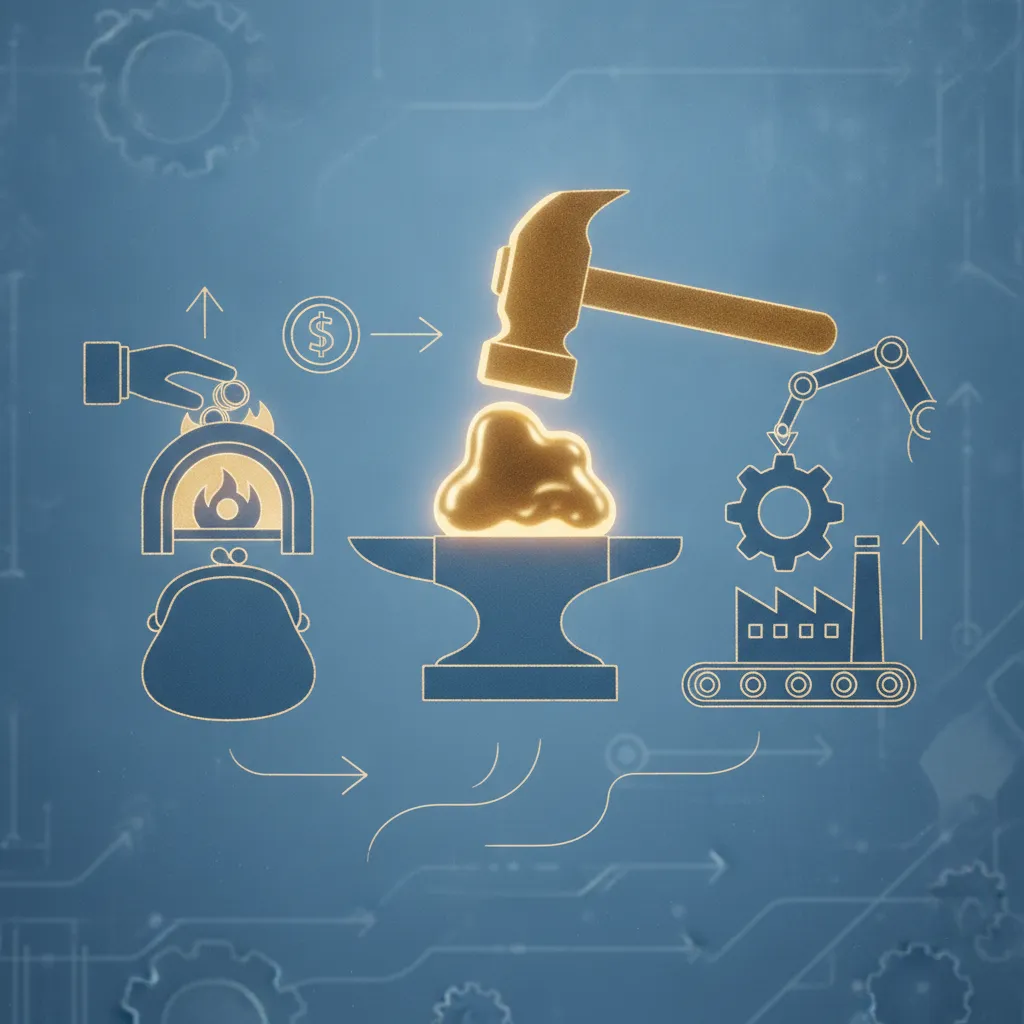
Forge prices range from $200 for a basic propane unit to $1,000+ for production-grade gas or induction systems — shipping adds $80–$300 on top. Knowing where to buy forging equipment at each price tier helps you avoid overpaying for features you don’t need.
The budget tier ($200–$400) covers single-burner propane forges and basic coal firepots. These handle knife-making and small tooling without issue, but they lack the thermal consistency needed for larger stock. The mid-tier ($500–$900) steps up to dual-burner propane or quality coal forges with refractory lining rated to 2,600°F — enough for most hobby and small-shop work. At $1,000 and above, gas-fired ribbon burner forges and induction forges enter the picture, built for production runs where heat uniformity and fuel efficiency directly affect output quality.
Shipping costs are a real line item when you buy forging equipment. A 60 lb propane forge typically ships freight for $80–$150; anvils in the 100–300 lb range add $150–$300 in freight charges. Those numbers make local pickup from a regional supplier worth the trip.
Three regional suppliers cover most of the U.S.: Blacksmiths Depot serves the East Coast, NC Tool Co. covers the Southeast, and Centaur Forge operates out of Burlington, Wisconsin for Midwest buyers. Buying locally cuts freight costs and lets you inspect the refractory lining and burner fittings before the unit leaves the floor.
Amazon and eBay list forges, but neither platform reliably offers warranty support or replacement parts. Dedicated blacksmithing suppliers handle both. In-stock forges ship in 3–7 business days from specialty suppliers; custom or back-ordered units can take 4–8 weeks.
Recommended Suppliers by Region
- East Coast: Blacksmiths Depot — wide selection of forges, tools, and coal; strong customer support
- Midwest: Centaur Forge — excellent coal and coke supply, competitive freight rates from Wisconsin
- National (knife making focus): USA Knifemaker — specialized forging tools and supplies for blade smiths
- Southeast: NC Tool Co. — known for quality propane forges and anvils with regional distribution
Safety Equipment and Regulations for a Home Forge Setup
Operating a home forge safely requires specific protective gear, proper ventilation, and a quick check of local zoning rules before you buy forging equipment.
At minimum, you need four pieces of protective gear: a leather apron ($40–$80), a face shield rated for radiant heat, forge-specific leather gloves rated to 1,000°F or higher (standard welding gloves are not sufficient — they lack the thermal mass for sustained radiant heat exposure), and steel-toed boots. Skipping any one of these creates real injury risk when working with metal at 2,000°F+.
Ventilation is non-negotiable for both coal and propane forges. OSHA guidelines recommend 1 CFM of exhaust per 1,000 BTU for enclosed spaces — a single-burner propane forge running at 100,000 BTU demands serious, dedicated airflow. A garage door cracked open is not a ventilation plan.
For fire safety, keep a Class B fire extinguisher within arm’s reach at all times. Class B is rated for flammable liquids and gas, the relevant hazard categories for forge work. Maintain a 3-foot clear radius around the forge and never position it near combustible materials like wood shelving or fabric.
Propane users face additional compliance requirements. Per NFPA 58, propane tanks must be stored upright outdoors. Indoor propane use requires both a CO detector and an automatic shutoff valve on the regulator.
“Ventilation is the most overlooked safety factor when people buy forging equipment for home use. Carbon monoxide from a propane forge in a sealed garage can reach dangerous levels within minutes.” — Dr. Kevin Marsh, Occupational Safety Researcher, National Safety Council
Do You Need a License to Own a Forge
No federal license is required to own a forge in the United States. Local zoning ordinances, however, may restrict open-flame equipment in residential areas — some municipalities classify propane forges under the same rules as commercial heating equipment. Check with your local zoning office before purchasing.
Choosing the Right Forge Size for Your Projects
Match your forge chamber size and burner count to your largest planned workpiece. Buying a forge that’s too small forces multiple heats and wastes fuel on every session. When you buy forging equipment, sizing it correctly from the start saves both time and operating costs over the life of the tool.
What Forge Size Should You Buy Based on Your Projects
Knife-making and small tool work require the least equipment. A single-burner propane forge with a 350–500 cubic inch chamber reaches 2,300°F and heats a 12-inch blade blank in 3–5 minutes — enough for most hobbyist and production knife smiths without overbuilding the setup.
Hammer and axe forging demands more volume. Larger stock like a 3-pound axe head needs even heat throughout, and a dual-burner forge with a 700–1,000 cubic inch chamber eliminates the cold spots that cause stress fractures during shaping.
Architectural and decorative ironwork — scrolls, railings, gate components — is where coal forges with a side-blast firepot outperform propane setups. The open fire pot handles longer stock and irregular shapes that a fixed propane chamber physically can’t accommodate.
Budget-wise, starting blacksmithing costs $800–$2,500 for a forge, anvil, and basic tools. That sits above woodworking ($500–$1,500) and roughly in line with welding ($600–$2,000), but ongoing fuel costs run higher than either. Factor propane or coal expenses into your annual operating cost before you buy forging equipment.
Forged blanks that require tight tolerances, threaded holes, precision bores, or medical-grade surface finishes need secondary machining after the forge. See our guides on CNC machining medical devices and CNC hole drilling technology for how precision machining completes what forge work starts.
Frequently Asked Questions
How expensive is blacksmithing as a hobby compared to other crafts?
Blacksmithing has a higher entry cost than most crafts — a basic setup with an anvil, forge, and hand tools typically runs $500–$1,500 or more. Ongoing costs include fuel (coal or propane), consumables, and steel stock. That said, once you own the core equipment, per-project material costs are modest. Compared to woodworking or leatherworking, the upfront investment is steeper, but the equipment lasts decades with proper care.
Can you use a propane forge indoors at home?
A propane forge can be used indoors only with adequate ventilation — carbon monoxide buildup is a serious risk in enclosed spaces. Most manufacturers recommend operating propane forges in open garages, workshops with active exhaust fans, or outdoors. A standard residential room does not provide sufficient airflow. Always check local fire codes and your forge manufacturer’s guidelines before setting up any gas-burning equipment inside a structure.
What is the difference between a gas forge and a coal forge for beginners?
A gas forge uses propane or natural gas and reaches working temperature in 10–15 minutes, making it the easier starting point for most beginners. A coal forge burns bituminous smithing coal and requires more skill to manage the fire, but it produces a larger, more flexible heat zone suited to longer stock. Gas forges cost less to set up and are cleaner to operate; coal forges offer more control once you develop the technique.
What are the shipping costs and delivery times when buying a forge online?
Shipping costs vary widely depending on the supplier and the weight of the equipment — anvils and full forge units often ship via freight carrier rather than standard parcel services, which adds cost and lead time. Expect 5–14 business days for most domestic orders, though some specialty suppliers ship faster. Always confirm freight terms before purchasing, as heavy forging equipment can incur surcharges that aren’t visible at checkout.
What tools do I need to buy alongside a forge when starting out?
When you buy forging equipment for the first time, the forge itself is only the beginning. You will also need an anvil (100–150 lbs is a good starting weight), a cross-peen hammer (2–3 lbs), at least two pairs of tongs sized for your stock diameter, a hardy tool for the anvil’s hardy hole, a wire brush for scale removal, and a quench bucket. Budget an additional $300–$600 for these essentials on top of your forge purchase.
Conclusion
Buying forging equipment comes down to three decisions: the right fuel type for your workspace, the right tool weight for your target work, and a supplier whose quality you can verify before the freight bill arrives. Forged tools consistently outperform cast alternatives in durability, which makes the upfront cost defensible over time. Whether you buy forging supplies as a hobbyist or for small-scale production, the investment pays dividends in the quality and longevity of every piece you make.
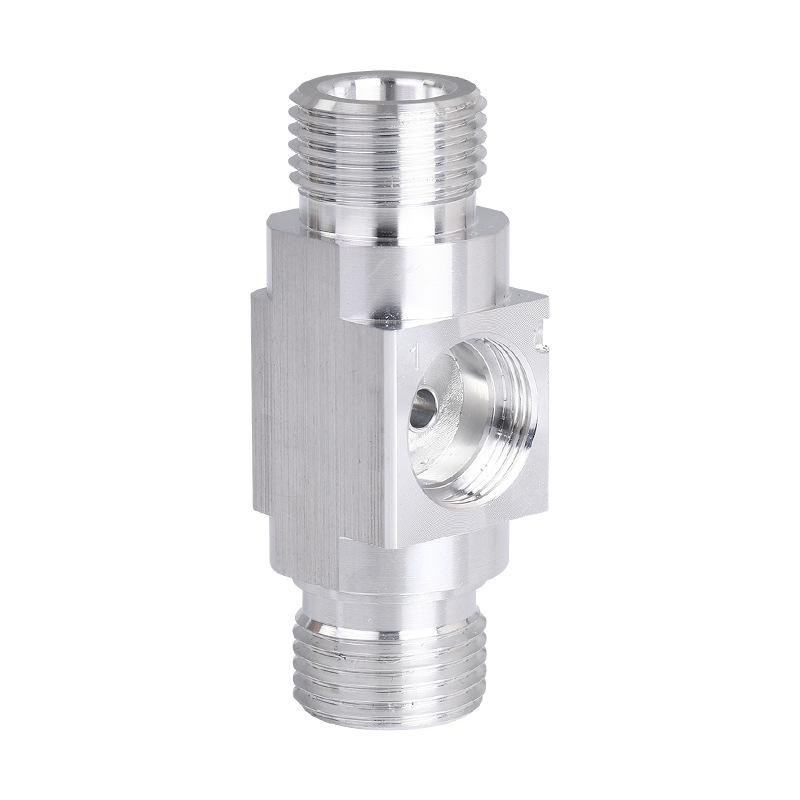
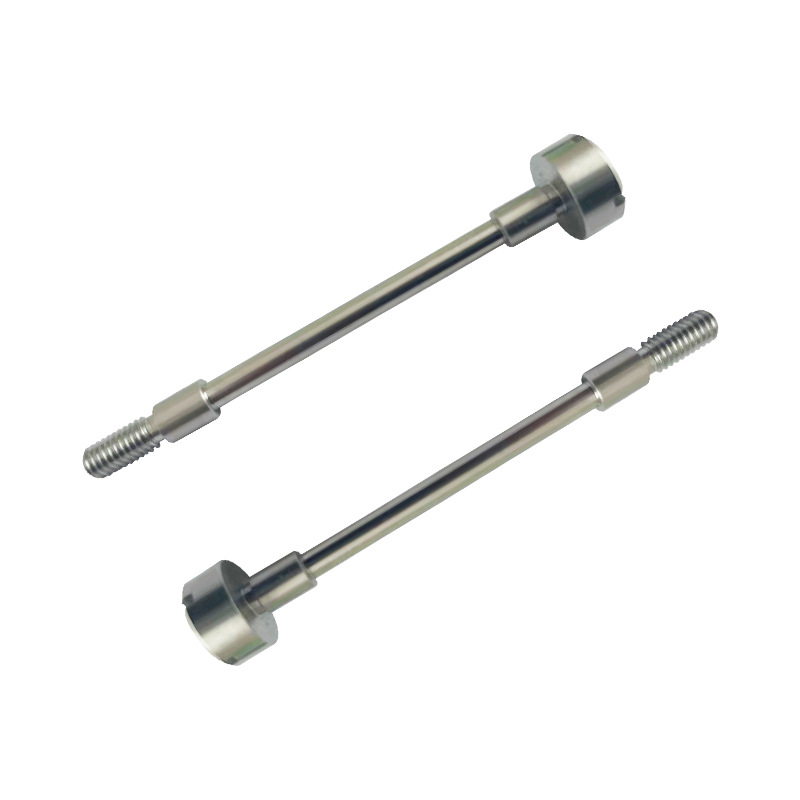
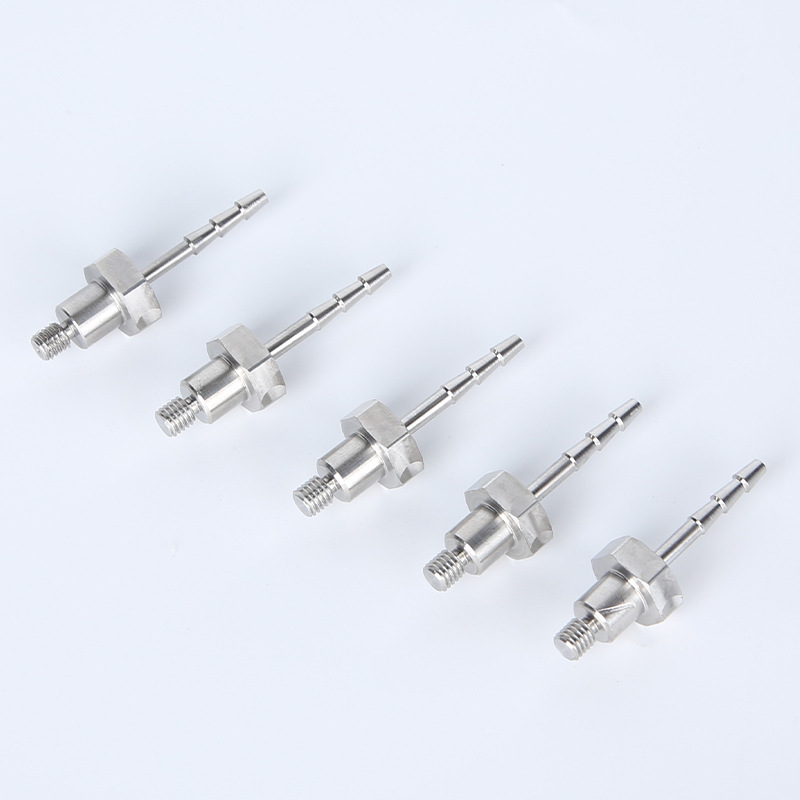
If your need shifts from hobbyist tooling to sourcing precision forged components for production — automotive connectors, medical device housings, or electronics hardware — the procurement calculus changes entirely. MFG SOLUTION’s cold forging capability, backed by ISO 9001:2015, ISO 13485:2016, and IATF 16949 certifications, delivers production-ready parts up to 38mm diameter with quotes returned within 8 hours. Submit your part specifications at mfg-solution.com and get a quote before your next business day starts.
Recommended Articles
Explore more from our content library: