
2026-07-27
15-5 Material: Properties, Grades, and Machining Guide
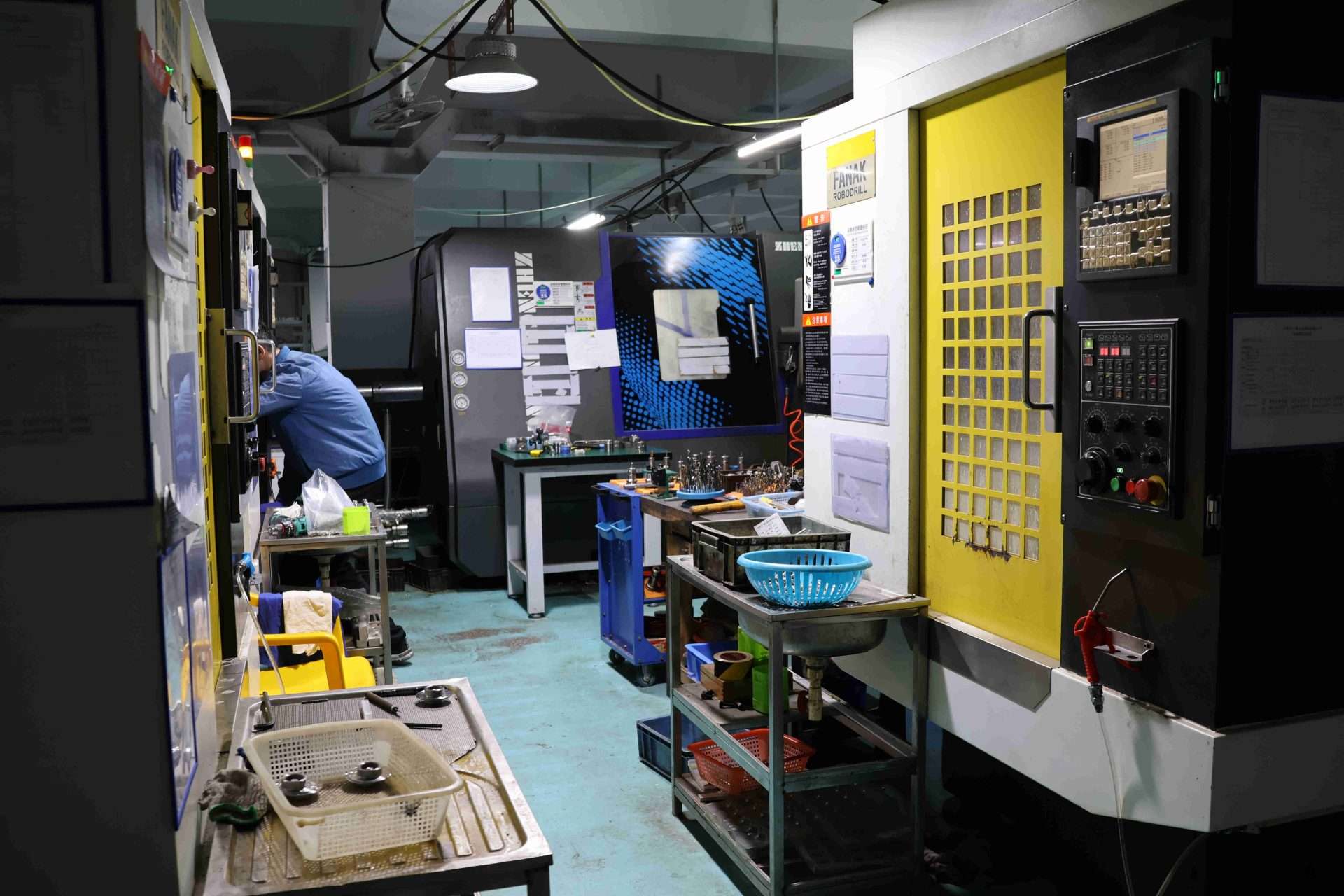
15-5 material, formally known as 15-5 PH stainless steel (UNS S15500), is a martensitic precipitation-hardening stainless steel containing approximately 15% chromium and 5% nickel. It delivers a high-strength, high-toughness combination with excellent corrosion resistance, outperforming standard austenitic grades like 304 and 316. Its ability to be age-hardened to tensile strengths exceeding 1,310 MPa makes it a preferred choice for aerospace, defense, and medical components where both strength and corrosion resistance are non-negotiable.
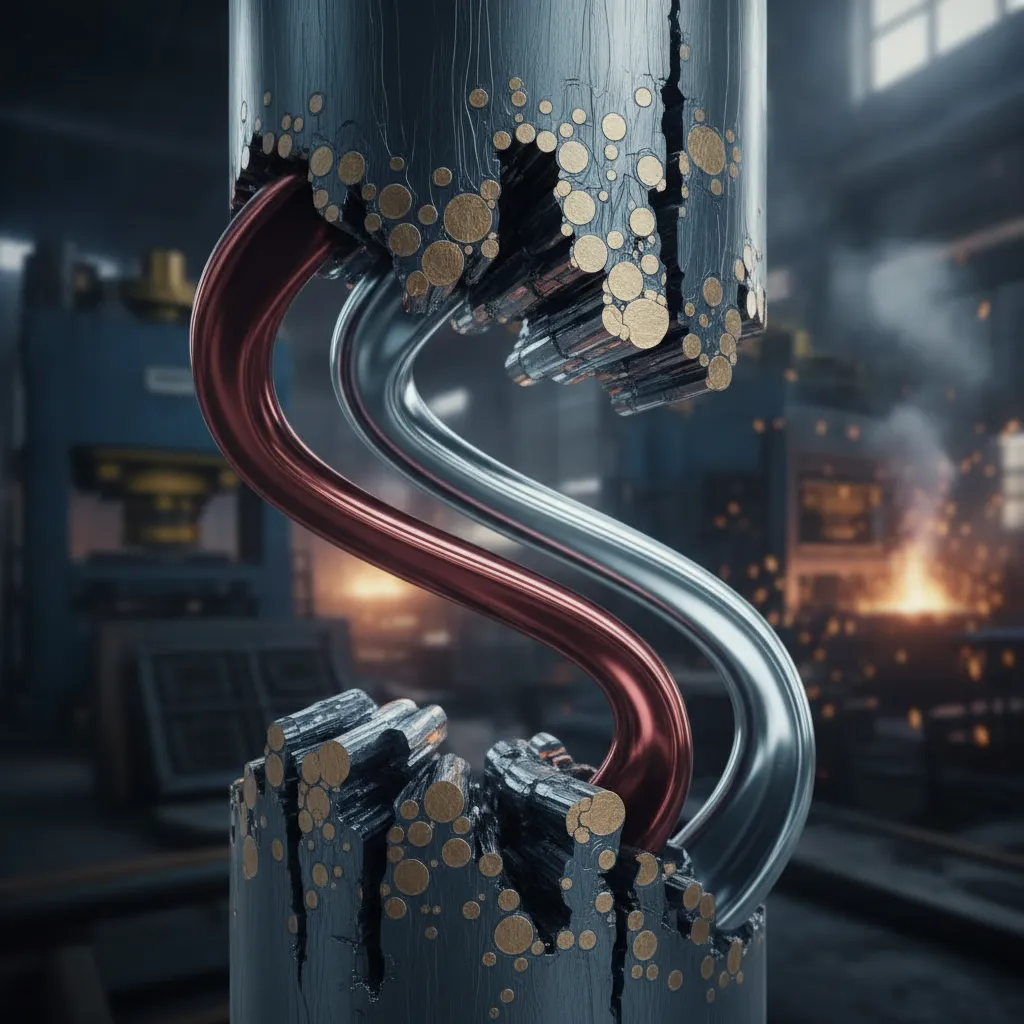
What Is 15-5 Material and How Does It Differ from Other Stainless Steels
15-5 material is a martensitic precipitation-hardening stainless steel, not an austenitic grade, governed by AMS 5659 and ASTM A564 Grade XM-12. According to Fry Steel’s technical overview of 15-5 PH VAC MELT, this alloy is specifically engineered for applications demanding superior transverse mechanical properties and cleaner microstructure than conventional precipitation-hardening grades.
That classification matters because it changes how the alloy behaves in production. Austenitic grades like 304 and 316 gain strength only through cold working. 15-5 PH gains strength through age hardening, a controlled low-temperature heat treatment that precipitates copper-rich phases within the martensitic matrix. The result is a material you can tune to precise strength levels after forming, without distortion from heavy cold work.
“15-5 PH stainless steel represents one of the most versatile precipitation-hardening alloys available, offering the engineer a unique ability to dial in mechanical properties through a single low-temperature aging cycle without sacrificing dimensional stability.” — Materials Engineering Team, Ellwood Specialty Metals
Is 15-5 an Alloy Steel or Precipitation-Hardening Stainless Steel
15-5 is a precipitation-hardening stainless steel, not a conventional alloy steel. Its nominal composition runs approximately 15% chromium, 5% nickel, 3.5% copper, and 0.3% niobium (columbium), the chromium provides corrosion resistance, while the copper and niobium enable the precipitation reaction that drives hardening.
Because the base structure is martensitic, 15-5 is magnetic, a clear departure from austenitic stainless grades. It can be hardened across five standard condition codes: H900, H1025, H1075, H1100, and H1150. Each code reflects the aging temperature in degrees Fahrenheit, with H900 delivering the highest strength and H1150 the best ductility and toughness.
15-5 was developed specifically to address a weakness in 17-4 PH: poor transverse toughness in thick sections. The fix was vacuum arc remelting (VAC MELT), which reduces ferrite content and non-metallic inclusions, making 15-5 material the preferred choice for aerospace forgings where through-thickness mechanical properties are critical.
Equivalent Grades to 15-5 in International Standards
15-5 PH maps to 1.4545 under EN/DIN standards and SUS630 under the Japanese JIS system. Both 15-5 and 17-4 PH share the UNS S15500 and S17400 family respectively, closely related alloys with overlapping chemistries, but 15-5’s VAC MELT processing gives it measurably better toughness and more uniform properties in thick cross-sections. Engineers specifying parts for medical tooling, injection molds, or aerospace forgings should confirm which condition code and melt practice the material supplier certifies to before ordering.
The key international equivalents for 15-5 material are summarized below:
- UNS S15500 — United States (ASTM/SAE/AMS)
- 1.4545 — European EN/DIN standard
- SUS630 — Japanese JIS standard
- AMS 5659 — Bar and billet specification (aerospace)
- AMS 5862 — Sheet and strip specification (aerospace)
- ASTM A564 Grade XM-12 — General wrought bar and shapes
Key Properties and Chemical Composition of 15-5 PH Stainless Steel
15-5 PH stainless steel contains 14–15.5% chromium, 3.5–5.5% nickel, 2.5–4.5% copper, and 0.15–0.45% niobium, with carbon capped at 0.07%.
That low carbon ceiling is not incidental. Carbon above 0.07% promotes carbide precipitation at grain boundaries during aging, which depletes chromium locally and reduces corrosion resistance. Keeping carbon at or below this threshold preserves the alloy’s passive oxide layer even after hardening heat treatments.
The copper content, 2.5–4.5%, is what makes precipitation hardening possible. During aging, copper-rich clusters precipitate within the martensitic matrix, pinning dislocation movement and driving the strength increases that define this alloy.
Corrosion resistance in most industrial environments is comparable to 304 stainless steel. The pitting resistance equivalent number (PREN) sits at approximately 18–20, which means the 15-5 material performs well against oxidizing acids and atmospheric exposure but is not suitable for chloride-heavy marine immersion without protective coatings.
“The combination of vacuum arc remelting and controlled copper precipitation in 15-5 PH produces a stainless steel with mechanical property consistency that is difficult to match in the precipitation-hardening family, particularly in forgings exceeding 100mm cross-section.” — Technical Applications Group, Ellwood Specialty Metals
How Heat Treatment Conditions Affect 15-5 Strength and Corrosion Resistance
The aging temperature is the single variable that controls where 15-5 lands on the strength-toughness-corrosion curve, and the trade-offs are significant.
In H900 condition, aged at 900°F (482°C), the alloy reaches a UTS of at least 1,310 MPa, yield strength of at least 1,170 MPa, and hardness around 44 HRC. Fatigue strength at 107 cycles reaches approximately 620 MPa in this condition, making it competitive with titanium alloys for rotating aerospace components at a lower material cost. The downside: H900 delivers the lowest toughness and corrosion resistance of all the PH conditions.
In H1150 condition, aged at 1,150°F (621°C), UTS drops to approximately 1,000 MPa and yield to around 793 MPa, with hardness near 28 HRC. Toughness and corrosion resistance both peak here, which is why engineers specify H1150 for pressure vessels and structural parts where ductility matters more than peak strength. For more information, see Thegoodcode.
Conditions between H900 and H1150, including H925, H1025, and H1075, offer intermediate property combinations. Selecting the right aging temperature before machining, or coordinating post-machining aging with your manufacturer, directly determines whether a finished part meets its service requirements.
15-5 vs. 17-4 PH and 300M: Cost and Performance Compared
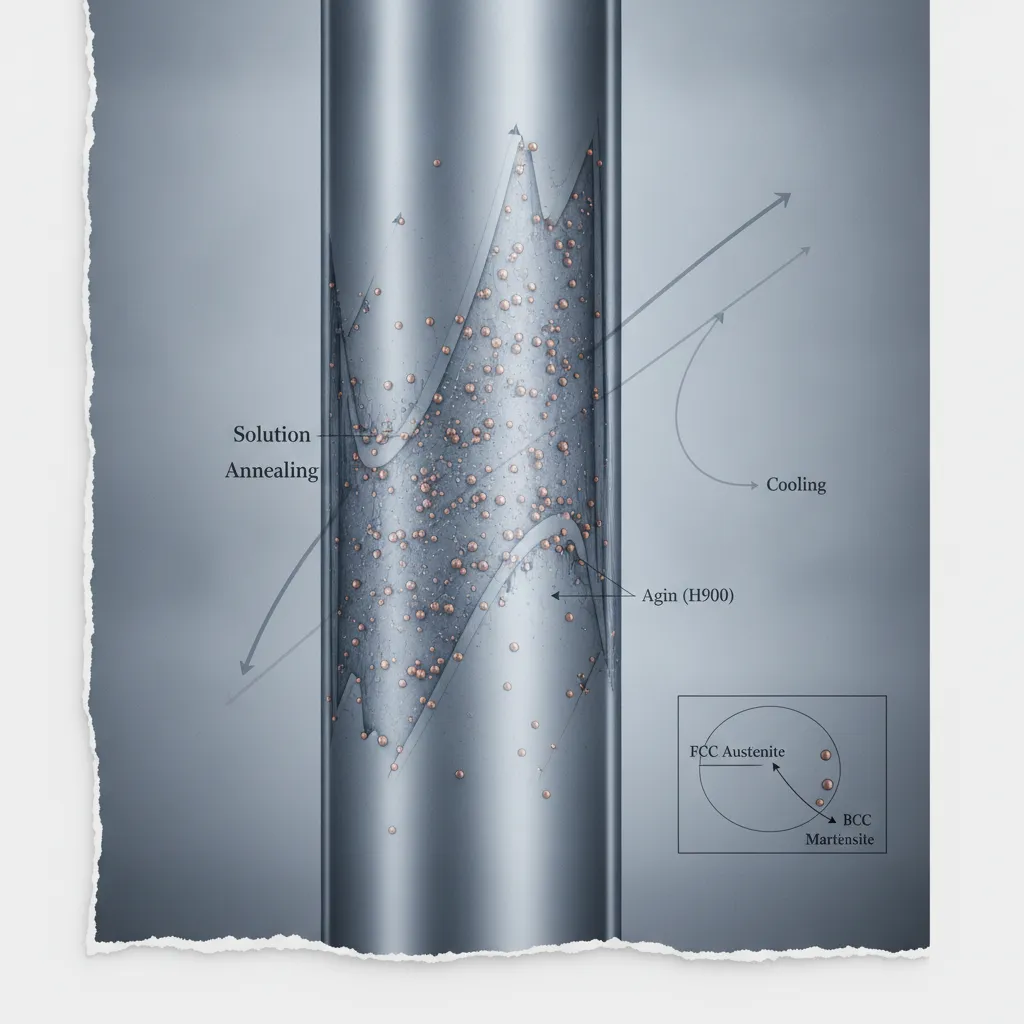
15-5 material outperforms 17-4 PH in toughness and beats 300M in corrosion resistance, but neither advantage is free, each trade-off carries a real cost.
In H900 condition, 15-5 and 17-4 PH deliver nearly identical tensile strength. The difference shows up in the transverse direction: 15-5’s VAC MELT production process yields 20–30% better Charpy impact toughness than 17-4 PH, a meaningful gap when you’re working with thick forgings or plate stock. For thin-section parts where transverse toughness isn’t a design requirement, 17-4 PH is typically 5–10% less expensive per kilogram due to its simpler melting practice, making it the cost-preferred option for those geometries.
300M, a modified 4340 alloy steel, reaches UTS above 1,930 MPa in the hardened condition, well above 15-5 H900. But 300M carries no inherent corrosion resistance. Parts require cadmium or chrome plating, which adds process cost and triggers environmental compliance obligations. For components that see moisture or chemical exposure, that plating requirement often erases the unit-cost advantage 300M might otherwise offer.
The table below summarizes the key performance differences between 15-5 material and its closest competitors:
- 15-5 PH (H900): UTS ~1,310 MPa, excellent transverse toughness, moderate corrosion resistance, VAC MELT required
- 17-4 PH (H900): UTS ~1,310 MPa, lower transverse toughness, similar corrosion resistance, 5–10% lower cost per kg
- 300M alloy steel: UTS >1,930 MPa, highest strength, no corrosion resistance, requires protective plating
- Inconel 718: UTS ~1,380 MPa, superior high-temperature performance, significantly higher material cost
When 15-5 Underperforms and Real-World Failure Scenarios
15-5 in H900 condition is susceptible to stress corrosion cracking (SCC) in chloride environments above 60°C. This failure mode is documented in offshore oil and gas components, where high-strength condition combined with chloride exposure has caused premature cracking. Specifying H1025 or H1075 condition instead of H900 reduces SCC risk substantially, at the cost of some yield strength.
Additive Manufacturing Limitations and Post-Processing for 15-5
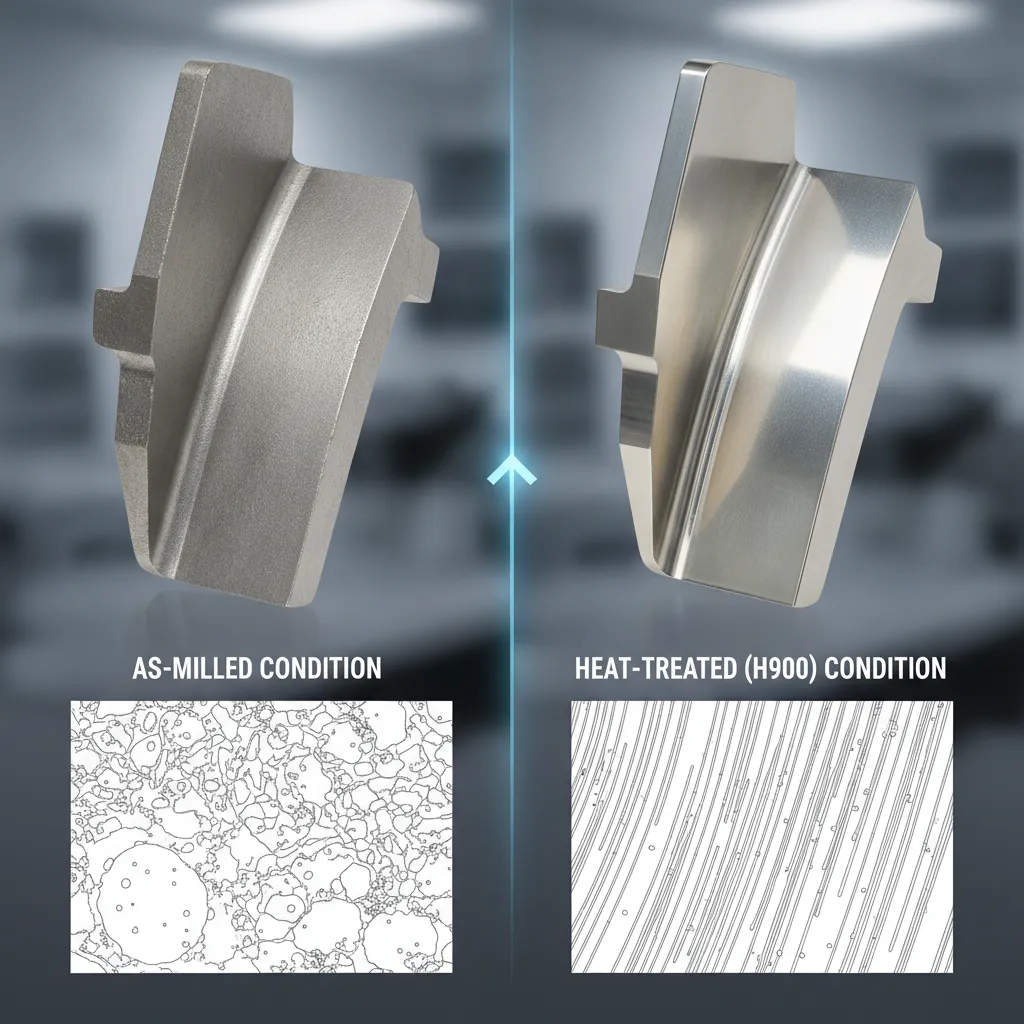
15-5 PH powder is commercially available for laser powder bed fusion (L-PBF/SLM) processes. As-printed parts, however, fall 15–25% short of wrought tensile strength. Reaching wrought-equivalent properties requires solution annealing at 1,038°C followed by a standard aging cycle, steps that add furnace time and cost to any additive build. For precision small-diameter parts under 38mm, MFG SOLUTION’s CNC turning and Swiss lathe processes on certified wrought bar stock remain the more predictable and cost-effective production route.
Industries and Applications That Rely on 15-5 Stainless Steel
Aerospace, medical, oil & gas, and defense are the four primary industries that specify 15-5 material for structural and fluid-control components.
Aerospace is the dominant end market. Bulkheads, valve bodies, fittings, and landing gear components are routinely manufactured from 15-5 material, governed by AMS 5659 for bar and billet and AMS 5862 for sheet and strip. The alloy’s superior forgeability compared to 17-4 PH makes it the preferred choice for complex near-net-shape parts that would otherwise require excessive machining stock.
Medical device manufacturers specify 15-5 for surgical instrument handles, orthopedic implant tooling, and MRI-compatible structural components. The H1150 condition is non-magnetic, which makes it directly usable in imaging environments where ferromagnetic materials create safety and image-quality problems.
Oil & gas applications include wellhead components, valve stems, and pump shafts. 15-5 delivers high strength and moderate corrosion resistance at a fraction of the cost of Inconel alloys, reducing component weight versus carbon steel without triggering the budget impact of nickel superalloys.
Defense and firearms programs specify 15-5 for receiver components, bolt carriers, and structural brackets in military small arms and rotary-wing aircraft hardware. AMS 2759/3 heat treatment traceability is required on these programs to document condition and mechanical property compliance through the supply chain.
Specific Components and Parts Commonly Made from 15-5 Material
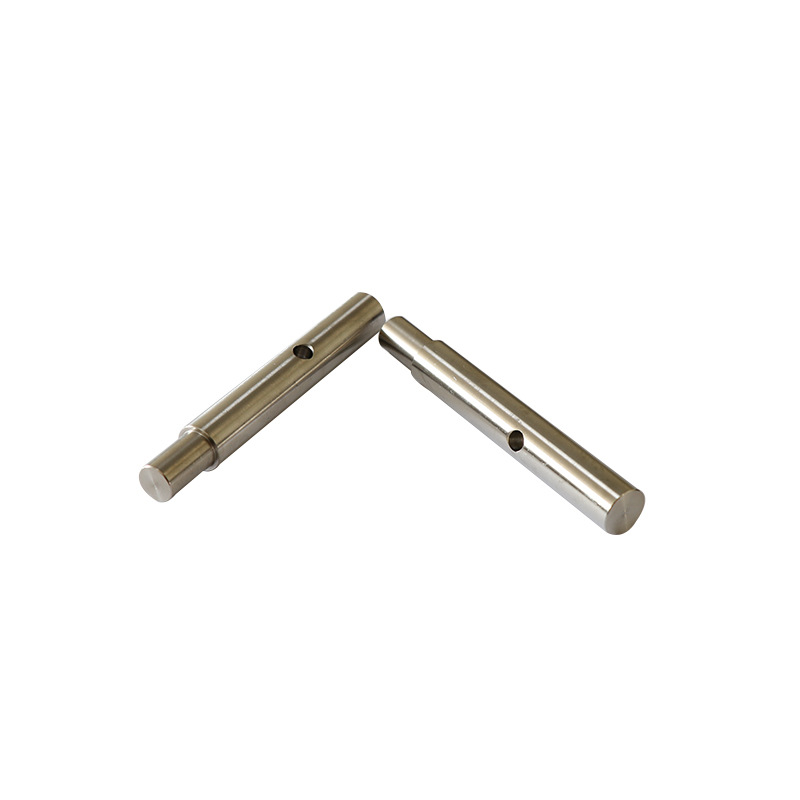
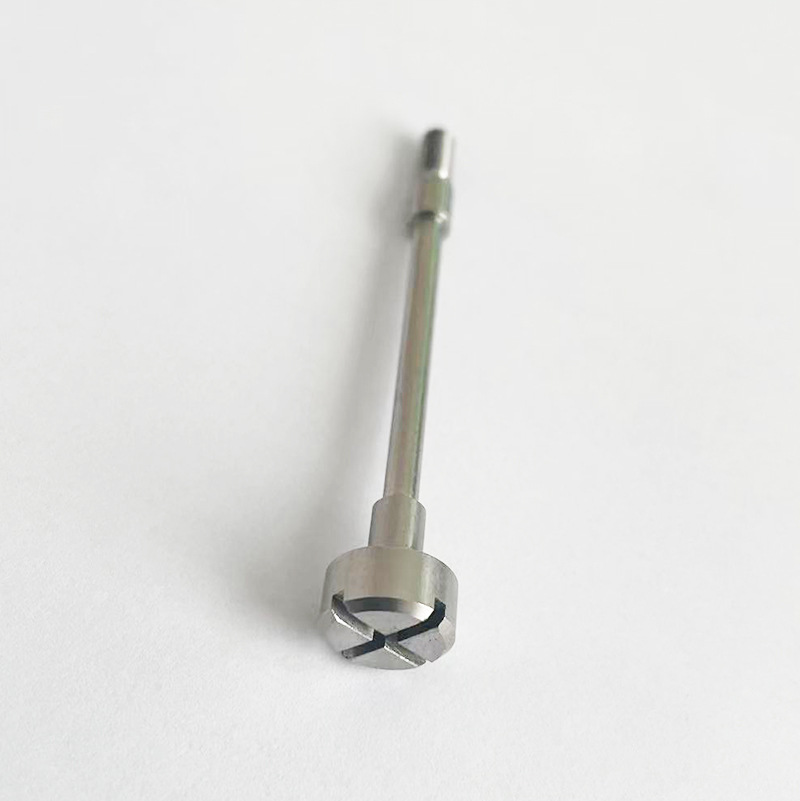
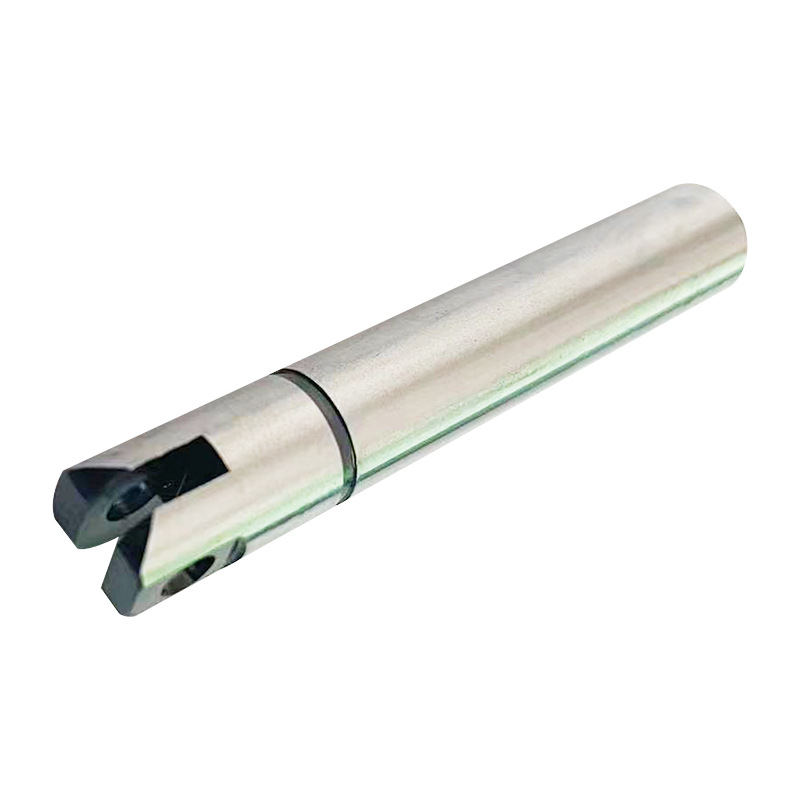
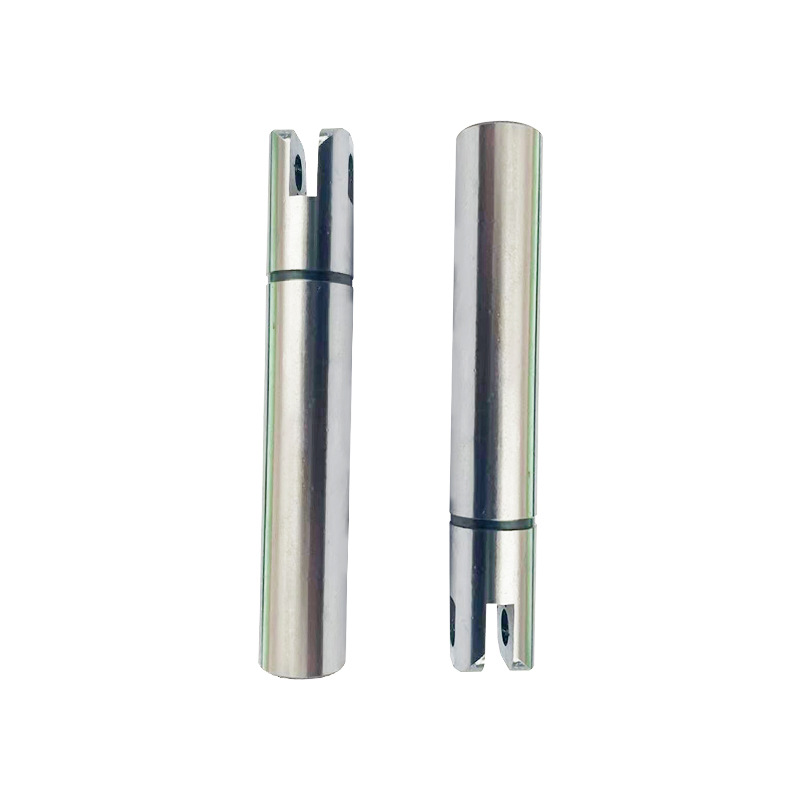
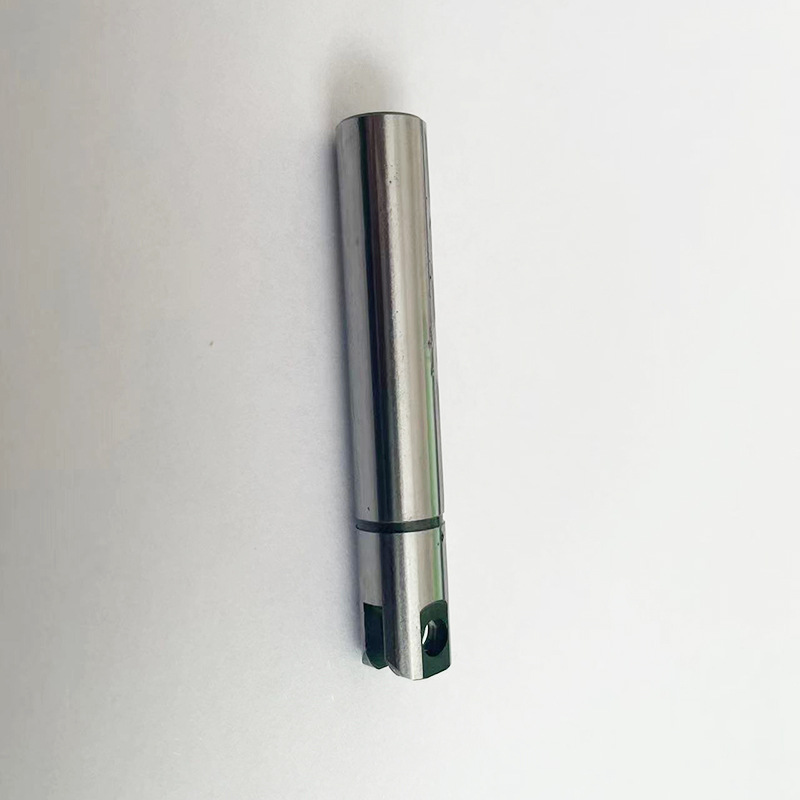
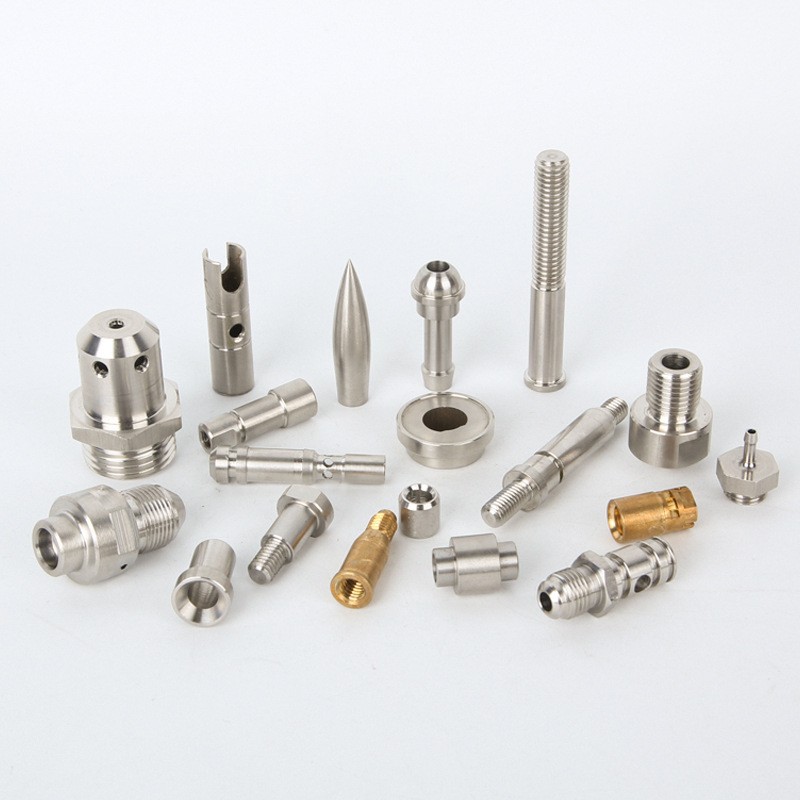
Forged flanges, rings, and discs represent some of the highest-volume 15-5 components across all four industries, geometries that benefit directly from the alloy’s forgeability advantage. Precision-machined parts such as valve stems, fittings, and instrument housings are also common, where tight tolerances and surface finish requirements drive the process selection toward CNC turning and Swiss lathe operations. For manufacturers sourcing these parts, MFG SOLUTION machines 15-5 material components up to 38mm diameter under ISO 9001:2015, ISO 13485:2016, and IATF 16949 certifications, with quotes returned within 8 hours and shipment within 3 days.
Machining Best Practices for 15-5 PH Stainless Steel
Machine 15-5 material in the solution-treated condition before final aging whenever possible, hardness drops from ~44 HRC (H900) to ~30 HRC, directly extending tool life.
Work hardening is the primary machining challenge with 15-5 PH. Interrupted cuts at the wrong speed generate localized hardening at the tool entry point, accelerating edge wear and degrading dimensional accuracy. Reducing cutting speed by 20% on interrupted cuts prevents this.
“When machining precipitation-hardening stainless steels like 15-5 PH, the most common mistake is treating them like standard 304 or 316. The work-hardening rate and thermal conductivity are fundamentally different, and ignoring that distinction leads to premature tool failure and scrapped parts.” — Advanced Manufacturing Applications, Fry Steel Technical Services
Recommended Cutting Tools and Feed Rates for 15-5 Machining
Use uncoated or TiAlN-coated carbide inserts with positive rake geometry. High-speed steel tooling is not recommended above H1025 condition, edge wear accelerates sharply as hardness climbs past 38 HRC, making carbide the only practical choice for production runs.
For H900 condition turning, target a cutting speed of 60–90 m/min, feed rate of 0.1–0.2 mm/rev, and depth of cut of 1.5–3.0 mm. These parameters balance material removal rate against heat generation, which is the primary driver of built-up edge in precipitation-hardening grades. According to Fry Steel’s 15-5 PH material guide, maintaining consistent coolant pressure and chip evacuation is equally critical to achieving repeatable surface finish results across production runs.
Coolant is not optional. Run high-pressure through-tool coolant at a minimum of 70 bar, or apply flood coolant using a sulfurized or chlorinated cutting oil. Both approaches manage heat at the cutting zone and prevent the built-up edge that ruins surface finish on stainless grades. For a full breakdown of fluid selection by operation type, see our guide to CNC coolants and lubricants.
A surface finish of Ra 0.8 µm or better is achievable with sharp carbide inserts and low feed rates. For fatigue-critical aerospace components, a primary application of 15-5 material, shot peening after final machining introduces compressive residual stress that significantly improves fatigue life. See our surface finish CNC machining guide for Ra targets by application. MFG SOLUTION holds ISO 9001:2015 and IATF 16949 certifications, with process controls that document cutting parameters and surface finish results at every production stage.
Frequently Asked Questions
What is the difference between 15-5 PH and 17-4 PH stainless steel?
15-5 PH offers better forgeability and a cleaner microstructure than 17-4 PH because it is produced via Vacuum Consumable Electrode Remelting, which reduces ferrite content. Both are martensitic precipitation-hardening stainless steels with similar chromium content, but 15-5 PH carries approximately 5% nickel versus 17-4’s 4%, giving it slightly improved toughness and transverse mechanical properties—an advantage in thick-section forgings and structural aerospace components where directional strength matters. For detailed product specifications, see Ellwood Specialty Metals’ 15-5PH product page.
Can 15-5 stainless steel be welded, and what precautions are required?
Yes, 15-5 PH is weldable and considered easier to join than many conventional stainless mold steels. Use low-heat-input techniques to minimize distortion, and weld in the annealed or solution-treated condition where possible. Post-weld aging heat treatment restores mechanical properties in the heat-affected zone. Preheat is generally not required for thin sections, but thicker parts benefit from controlled interpass temperatures to avoid cracking.
What are the environmental and sustainability considerations for 15-5 PH production and recycling?
15-5 PH is fully recyclable at end of life, and its high chromium and nickel content retains significant scrap value. The vacuum remelting process used in Type 1 production is more energy-intensive than standard electric arc melting, so specifying only the melt quality your application requires reduces unnecessary energy consumption. Precision machining with tight tolerances also minimizes material removal and scrap generation—an area where process selection directly affects your material yield.
What heat treatment condition should I specify for 15-5 material in a structural aerospace application?
Specify Condition H900 for maximum strength, or H1025 when you need a better balance of strength and toughness in structural aerospace parts. H900 delivers tensile strength around 190 ksi but lower fracture toughness; H1025 reduces strength slightly while improving ductility and resistance to stress-corrosion cracking. Both conditions are achieved through a single low-temperature aging treatment after solution annealing, which simplifies heat treatment compared to multi-step processes required by other high-strength alloys.
What surface treatments and coatings are compatible with 15-5 material?
15-5 material is compatible with several surface treatments that extend service life in demanding environments. Passivation per ASTM A967 is the standard first step, restoring the chromium oxide passive layer after machining. For enhanced wear resistance, physical vapor deposition (PVD) coatings such as TiN or CrN can be applied without compromising dimensional tolerances. Hard anodizing is not applicable since 15-5 is a ferrous alloy, but electroless nickel plating and black oxide finishing are both used in defense and firearms applications to improve surface hardness and reduce reflectivity.
Conclusion
15-5 PH stainless steel earns its place in aerospace, medical, and industrial applications through a specific combination of properties: vacuum-remelted cleanliness, superior forgeability over 17-4 PH, and strength levels that a single aging cycle can tune from H900 through H1150. Specifying the right condition upfront—matched to your toughness and corrosion requirements—prevents costly rework after machining. Whether you are sourcing bar stock or finished precision components, understanding the full capability of 15-5 material ensures your design intent is preserved through every stage of production.
If your parts fall within 38mm diameter and require tight tolerances in 15-5 PH, submit your drawings to MFG SOLUTION for a quote within 8 hours. Include your required heat treatment condition and surface finish specification so the engineering team can select the most cost-effective machining method from the first run.
Recommended Articles
Explore more from our content library: