
2026-09-11
What Is Forging Block Manufacturing? Its Uses and Materials
Understanding forging block manufacturing is essential. Source forged steel blocks instead of casting or bar stock when your precision parts need directional grain flow for strength, will face fatigue or impact loads, or require a dense, void-free structure that machines cleanly to tight tolerances. Forging compresses and refines the steel’s grain structure, giving small-diameter precision components better toughness and fatigue resistance than cast alternatives, while remaining more cost-effective than starting from oversized bar stock for certain geometries. The right choice depends on part geometry, load requirements, volume, and how much post-forging machining the final tolerance demands.
When Should You Choose Forging Block Manufacturing Over Casting or Machining From Bar?
Choose forging when a part carries repeated stress or impact loads and needs a dense, directional grain structure; choose casting or bar stock when geometry or low volume matters more than fatigue life.
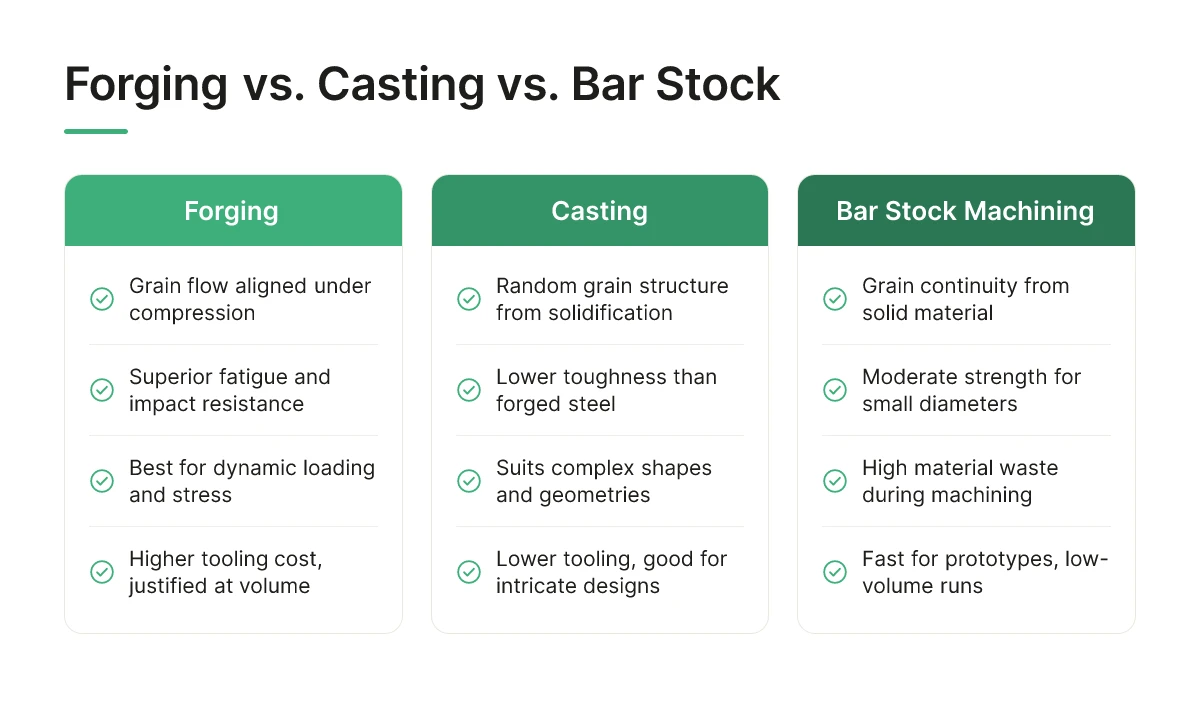
The decision comes down to how the steel’s internal structure forms. Forging block manufacturing works the metal under compressive force, which aligns the grain flow along the part’s shape rather than leaving it random. Casting, by contrast, produces grain structure through solidification from a molten state, the grains form wherever they happen to cool, with no relationship to the part’s stress paths. That difference matters most when a component sees cyclic loading, vibration, or sudden impact, since cracks tend to propagate faster through the disorganized grain boundaries typical of cast metal.
A quick way to frame the decision is to compare the three sourcing paths side by side:
- Forged blocks: best for cyclic loading, impact resistance, and parts where directional grain strength matters most.
- Cast parts: best for complex internal geometries, thin walls, or intricate shapes that would waste material if forged.
- Bar stock machining: best for low-volume runs or simple geometries where tooling cost for forging dies isn’t justified.
What’s Stronger, Cast or Forged, and When Does That Difference Matter for Small Precision Parts?
Forged steel generally outperforms cast steel in toughness and fatigue resistance because its compressed, oriented grain structure resists crack initiation better than cast steel’s as-solidified grains. That advantage shows up most in small precision parts subjected to repeated stress cycles, fasteners, shafts, valve components, connectors that flex or rotate under load. Cast parts still make sense where geometry is the priority: intricate internal cavities, thin walls, or complex shapes that would be impractical or wasteful to forge. For low-volume runs where tooling cost for forging dies isn’t justified, casting or machining from stock often wins on economics alone. For a broader look at how forged blocks hold up structurally across industries, see this overview of forged blocks as a pillar of industrial strength.
How Do Forged Blocks Compare to Machined Alternatives in Terms of Cost and Lead Time?
Machining a small-diameter part directly from solid bar stock cuts away material that was never structurally necessary, and it machines through the bar’s continuous but non-optimized grain orientation. Starting from a forged block sized closer to the finished geometry reduces waste and preserves grain flow aligned to the part’s load path, which is why MFG SOLUTION offers cold forging alongside CNC turning and Swiss lathe machining, matching the starting stock to the part’s stress requirements instead of defaulting to one method for every job.
What Material and Process Options Exist for Forging Block Manufacturing?
Forging block manufacturing splits into two dominant methods, open-die and closed-die, and the right choice depends on part size, volume, and tolerance needs, plus a set of forgeable alloys suited to different mechanical demands.
What Are the Main Forging Methods (Open-Die vs Closed-Die), and Which Works Best for Small-Diameter Components?
Open-die forging shapes metal between flat or simple dies without fully enclosing the workpiece, which keeps tooling cost low and allows flexibility in size and shape. It works well for larger blocks, custom one-off geometries, or lower production volumes where a dedicated die set isn’t economical. Suppliers offering custom forging block and block forging services often specialize in this flexible, low-tooling approach.
Closed-die forging presses metal into a shaped cavity, producing near-net geometry with tight, repeatable tolerances across a production run. For small-diameter precision parts, the kind used in electronics housings, automotive fasteners, or medical device components, this repeatability matters more than open-die’s shape flexibility.
Closed-die forging generally suits small precision components better for two reasons. First, dimensional consistency across thousands of parts reduces the risk of out-of-spec pieces reaching final machining. Second, because the forged shape sits closer to the finished part geometry, downstream machining removes less material, cutting cycle time and tool wear on operations like Swiss lathe turning or CNC mill & turn.
Which Metals and Alloys Can Be Forged, and What Material Certifications Are Available?
Carbon steels and alloy steels remain the workhorses for general-purpose forged blocks, offering a practical balance of strength and cost. Stainless grades, particularly 17-4 PH and 15-5 PH, see heavy use where corrosion resistance and higher strength-to-weight ratios matter, common in medical and aerospace-adjacent components.
Material certification becomes essential once parts feed into regulated supply chains. Mill test reports and documented chemical composition traceability let procurement teams verify that the alloy delivered matches the specification ordered, a requirement under quality systems like ISO 13485:2016 and IATF 16949.
Alloy selection also determines what happens after forging. Post-forging heat treatment adjusts hardness and grain structure, and that choice directly affects machinability, softer, well-annealed stock cuts faster and extends tool life during precision turning operations.
How Do Lead Times, Costs, and Minimum Orders Compare Across Forging Block Suppliers?
Lead time and minimum order size in forging block manufacturing depend mostly on whether the job needs part-specific dies, not on part size or material alone.
Open-die forging shapes metal between flat or simple-contour dies that never touch the final part geometry directly, the same tooling works across many jobs. Closed-die forging, by contrast, requires a die machined to match the exact part shape. That die has to be designed, cut, tested, and often adjusted before the first good part comes off the line. This single difference explains most of the cost and schedule variation you’ll see quoted across suppliers.
What’s the Typical Pricing Difference Between Open-Die and Closed-Die Forging Block Manufacturing?
Open-die work sits in the budget-friendly tier and starts fast because there’s no tooling to build, a supplier can often begin production runs or one-off prototypes within days of finalizing specs. Closed-die forging is a mid-range to premium investment upfront, since you’re paying to amortize die design and machining. That cost only pays off once volume climbs high enough that the lower per-part forging cost offsets the initial tooling spend. For a one-off part or a short qualification run, open-die is almost always the cheaper path even if the per-unit price looks higher. Suppliers offering custom forged steel blocks through open-die processes typically price this way, favoring flexibility over repeatability.
What Lead Times and Minimum Order Quantities Should You Expect From Forging Block Manufacturers?
Total sourcing lead time is quote turnaround plus production time plus shipping, and suppliers rarely volunteer all three unprompted. Ask for both numbers separately: how fast you’ll get a firm quote, and how long production plus shipping will take once you approve it. MFG SOLUTION, for example, returns quotes within 8 hours and ships approved orders within 3 days, which matters when you’re comparing total cycle time rather than just a headline production estimate.
Minimum order quantities in closed-die work are set by die amortization economics, not by any raw material minimum, the supplier needs enough parts running across that tooling to justify having built it.
What Tolerances, Finishes, and Quality Certifications Can Custom Forged Blocks Meet?
A forged block leaves the press oversized and rough; forging block manufacturing only reaches usable tolerances after machining removes stock allowance and refines every critical feature.
Forging shapes the grain structure and gets you close to final geometry, but it isn’t a finishing process. Presses and hammers can’t hold tolerances tight enough for mating surfaces, bores, or small-diameter features that need to fit against other components. That gap between as-forged and finished-part dimensions is where machining takes over.
What Post-Forging Finishing and Machining Options Are Available to Meet Tight Tolerances?
Suppliers typically move through a sequence of finishing steps to close the gap between as-forged and finished dimensions:
- Rough machining (CNC turning or milling) to remove bulk stock allowance
- Heat treatment to set hardness and mechanical properties before final passes
- Surface grinding to bring flatness and finish quality on mating faces to spec
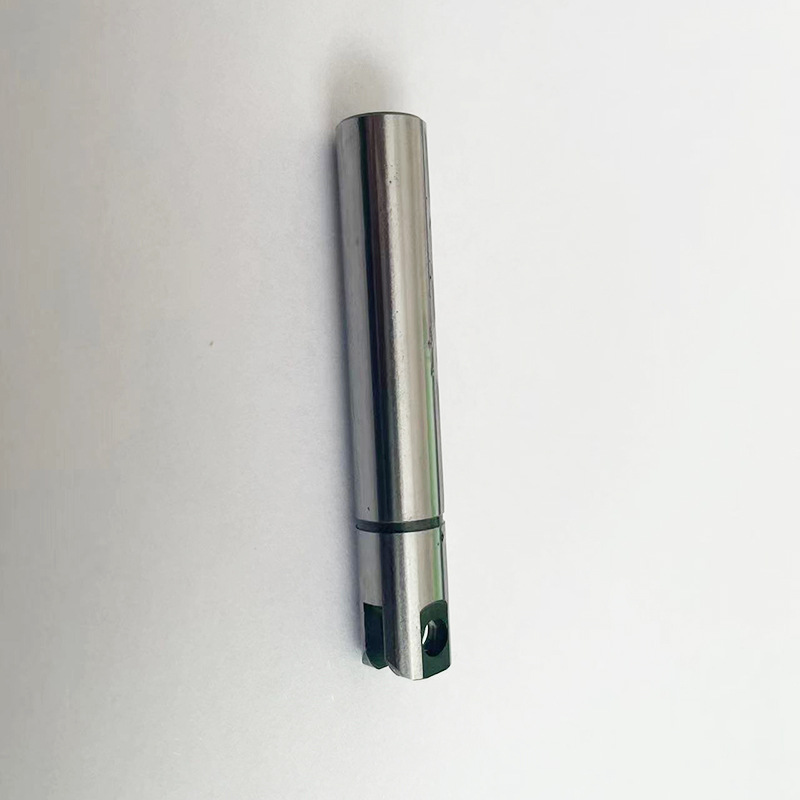
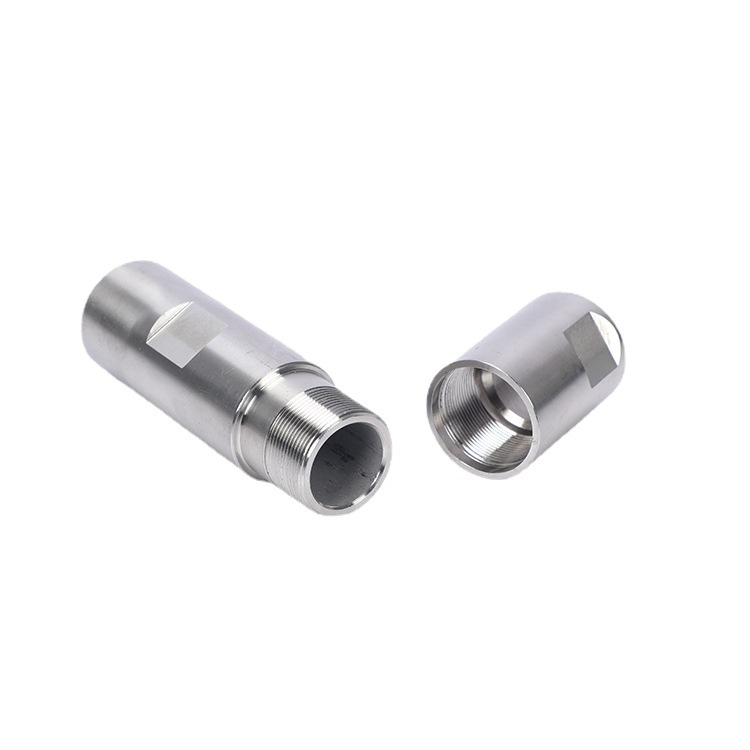
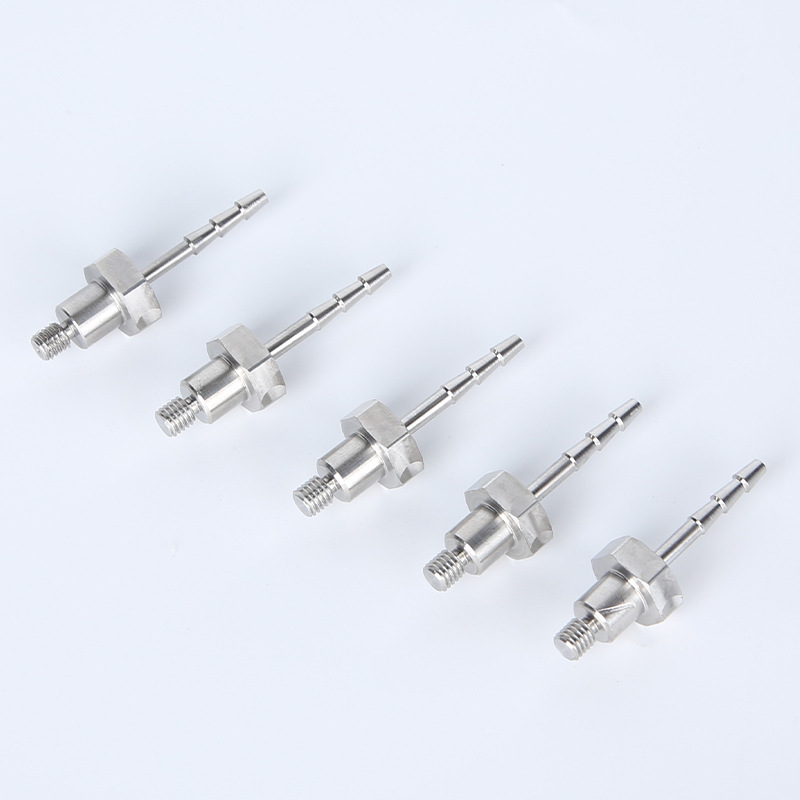
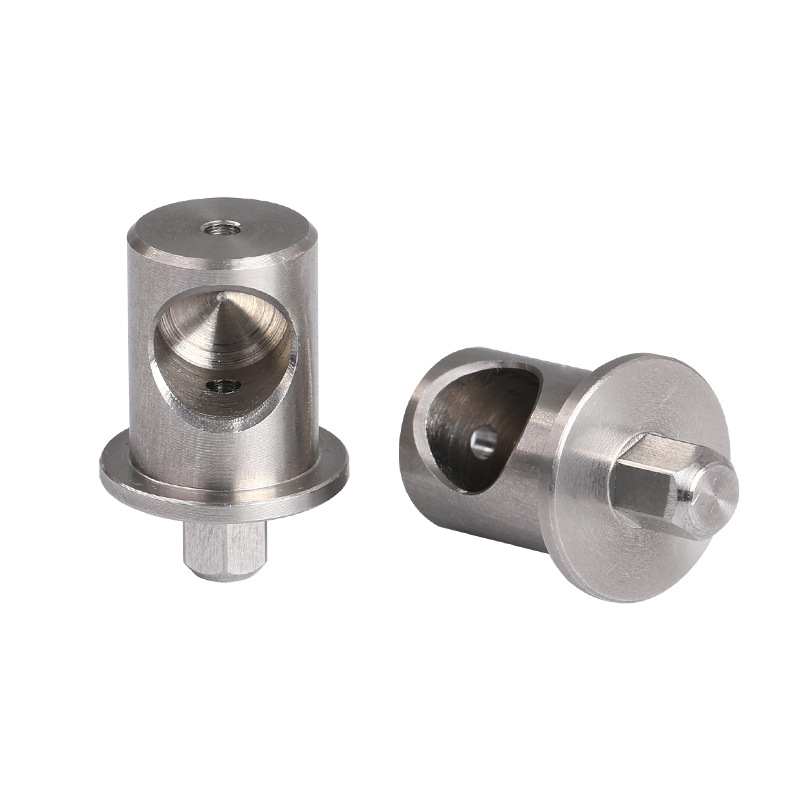
- Precision machining, often Swiss lathe or CNC mill-turn, to hold tight tolerance bands on shoulders, grooves, or bores in parts under roughly 38mm in diameter
Heat treatment usually happens mid-process, since machining after hardening is slower and harder on tooling. Skipping the precision pass and relying on as-forged dimensions is a common reason blocks fail incoming inspection.
What Quality Standards and Compliance Certifications (ASTM, ISO) Do Forging Block Suppliers Offer?
Buyers sourcing forged blocks for regulated industries should require ISO 9001:2015 for general quality management, IATF 16949 if the part goes into an automotive assembly, and compliance with relevant ASTM material specifications for the alloy in question. Traceability matters as much as the certificate: mill certificates and material test reports confirming chemistry and mechanical properties should travel with every batch.
Full process control, documented, auditable steps from raw billet through final inspection, is what lets a medical device or automotive customer trace a defect back to its source instead of guessing. MFG SOLUTION manufactures to ISO 9001:2015, ISO 13485:2016, and IATF 16949 standards with that documentation built into every batch, which matters most when a single unqualified part can trigger a recall.
Which Industries and Applications Benefit Most From Precision Forged Steel Blocks?
Automotive drivetrain and suspension parts, aerospace structural components, medical device hardware, and industrial tooling gain the most from forged blanks because each depends on fatigue resistance under repeated load.
Automotive suppliers use forged blocks for gears, shafts, and suspension knuckles that see millions of load cycles over a vehicle’s life, grain structure that follows the part’s contour resists cracking better than cast or bar-stock alternatives. Aerospace applications push the same logic further: weight-critical brackets and fittings need the highest strength-to-weight ratio available, and a forged blank lets a machinist remove material confidently without exposing hidden voids. Medical device manufacturers favor forged stainless blocks for instruments and implantable component bases, where traceability from heat lot to finished part is a certification requirement, not a preference. Industrial tooling and die applications, punches, mandrels, wear plates, rely on forged blocks because tool life under repeated impact tracks directly with material soundness.
What Real-World Examples Show ROI or Cost Savings From Switching to Forged Blocks?
The savings show up in two places: less scrap during machining and fewer field failures downstream. A cast blank with internal porosity may machine fine until a finishing pass exposes a void near a critical surface, scrapping hours of labor. A sound forged block removes that risk at the source, and the fatigue-life improvement means fewer warranty returns on parts subject to cyclical stress.
Access to forging capability doesn’t require owning it. Startups and lower-volume buyers can specify forged blanks through a manufacturing partner without capital investment in dies or presses, while larger buyers structure long-term agreements around dedicated tooling to lock in unit cost at scale. Matching investment to part criticality matters here, a safety-critical drivetrain component justifies full material certification and traceability, while a general industrial bracket may not. MFG SOLUTION supports this range through cold forging combined with CNC turning and Swiss lathe finishing, manufactured to ISO 9001:2015, ISO 13485:2016, and IATF 16949 standards for parts up to 38mm in diameter, covering forging block manufacturing needs from prototype quantities through production volume without forcing every customer into the same certification tier.
Frequently Asked Questions
Can forged blocks be used for very small-diameter precision parts, or are they only practical at larger sizes?
Forged blanks work at small diameters, but for parts under 38mm, cold forging combined with precision machining is usually more practical than open-die block forging. Open-die forged blocks suit larger cross-sections that get sawed and machined down; small precision components benefit more from cold-headed blanks refined through CNC turning or Swiss lathe processes, which control tolerances directly.
Do forged blocks need heat treatment before machining?
Most forged blocks need heat treatment before final machining to relieve internal stress and stabilize grain structure. Normalizing or annealing after forging reduces distortion during machining and helps hold tight tolerances on finished parts, especially in alloy steels headed for high-load applications.
How do I know if my part needs a forged blank instead of standard bar stock?
Choose a forged blank when the part faces high stress, fatigue loading, or requires directional grain strength that bar stock can’t match. If your application involves shock loads, rotating components, or safety-critical automotive and medical parts, forged material’s refined grain structure typically outperforms bar stock. For simpler geometries without heavy load demands, bar stock and cold forging often deliver the same precision at lower cost and faster lead time.
What documentation should a forging block supplier provide with an order?
Expect material certifications, dimensional inspection reports, and process traceability records with every order. A supplier working to ISO 9001:2015, IATF 16949, or ISO 13485:2016 should also provide certificates of conformance and, when requested, heat-treatment and testing data tied to each batch.
What questions should I ask a supplier before placing a first order for forged blocks?
Ask about quote turnaround time, production and shipping lead time, minimum order quantity for closed-die work, and which certifications back their process. Also confirm whether material test reports and heat-treatment records are included by default or only on request, since that affects how quickly you can qualify parts for regulated applications.
Conclusion
Matching process to part size drives both cost and quality: forged blocks suit larger, high-stress components, while cold forging and precision machining serve small-diameter parts under 38mm more efficiently. Verify material certifications and traceability documentation before committing to any supplier, and weigh lead time against your actual load requirements rather than defaulting to the strongest available process.
If you’re sourcing small precision parts and want a quote benchmark, submit your specifications to MFG SOLUTION and compare an 8-hour quote against your current supplier’s turnaround.
Recommended Articles
Explore more from our content library: