
2026-10-16
What Is CNC Turning and Which Parts Does It Produce Best

Understanding what is cnc turning is essential. CNC turning is a subtractive machining process where a computer-controlled lathe spins a workpiece against a stationary cutting tool to remove material and create cylindrical parts. It excels at producing small, precise round or symmetrical components, shafts, connectors, fittings, pins, and housings, with tight tolerances and repeatable accuracy across thousands of units. Electronics, automotive, and medical manufacturers rely on it because it combines fast turnaround with the dimensional consistency required for regulated or high-spec assemblies. Compared to manual lathe work, CNC turning removes operator-to-operator variation since a program, not a hand wheel, controls every cut. For a broader overview of the basics, see this introduction to CNC turning fundamentals.

What Is CNC Turning and How Does It Differ from Manual Lathe Operation?
CNC turning replaces a machinist’s hands on the wheel with a stored program, converting operator judgment on each cut into a fixed, repeatable instruction set. That distinction, program versus hand, is the whole answer to what is CNC turning when you set it against the lathe work it grew out of.
What Does CNC Stand For and Why Is It Different from Traditional Lathe Work?
CNC stands for Computer Numerical Control, meaning a machine follows coded instructions (G-code) that specify tool position, feed rate, and spindle speed for every pass. On a manual lathe, an operator turns dials and feeds the cutting tool by hand, judging depth and speed from experience and watching the cut in real time.
That manual approach works. It just depends entirely on the person standing at the machine. Every part carries a small amount of human variation, a slightly different feed pressure, a half-second delay in backing off the tool, and across a production run those small differences add up. A CNC lathe runs the identical toolpath every cycle, whether it’s part 1 or part 10,000, because the program doesn’t get tired or distracted.
Manual lathes still earn their keep. A machine shop prototyping a single bracket, or a repair job needing one custom shaft, often doesn’t justify programming time, a skilled operator can just make the part. CNC turning earns its place when the job calls for tight tolerances repeated across volume, which is why electronics, automotive, and medical manufacturers lean on it for production runs rather than one-offs.
What Skill Requirements and Certifications Do CNC Turning Operators Need?
CNC turning operators need to read and troubleshoot G-code, set up tooling and work offsets, and understand how programmed paths translate into physical cuts, skills distinct from, though related to, manual machining experience. Many shops also expect operators to hold CNC machining certifications from recognized trade or technical training programs, which validate competency in programming logic, blueprint reading, and machine setup before someone runs production parts unsupervised.
This isn’t a specialty skill confined to a few shops, it’s standard vocabulary across the machining trade, taught in technical colleges and applied on shop floors handling everything from aerospace fittings to consumer electronics housings. Understanding what is CNC turning at the operator level means understanding both the code and the machine it drives, since a programming error reproduces itself across every part just as reliably as a correct program does.
How Does a CNC Turning Machine Actually Work?
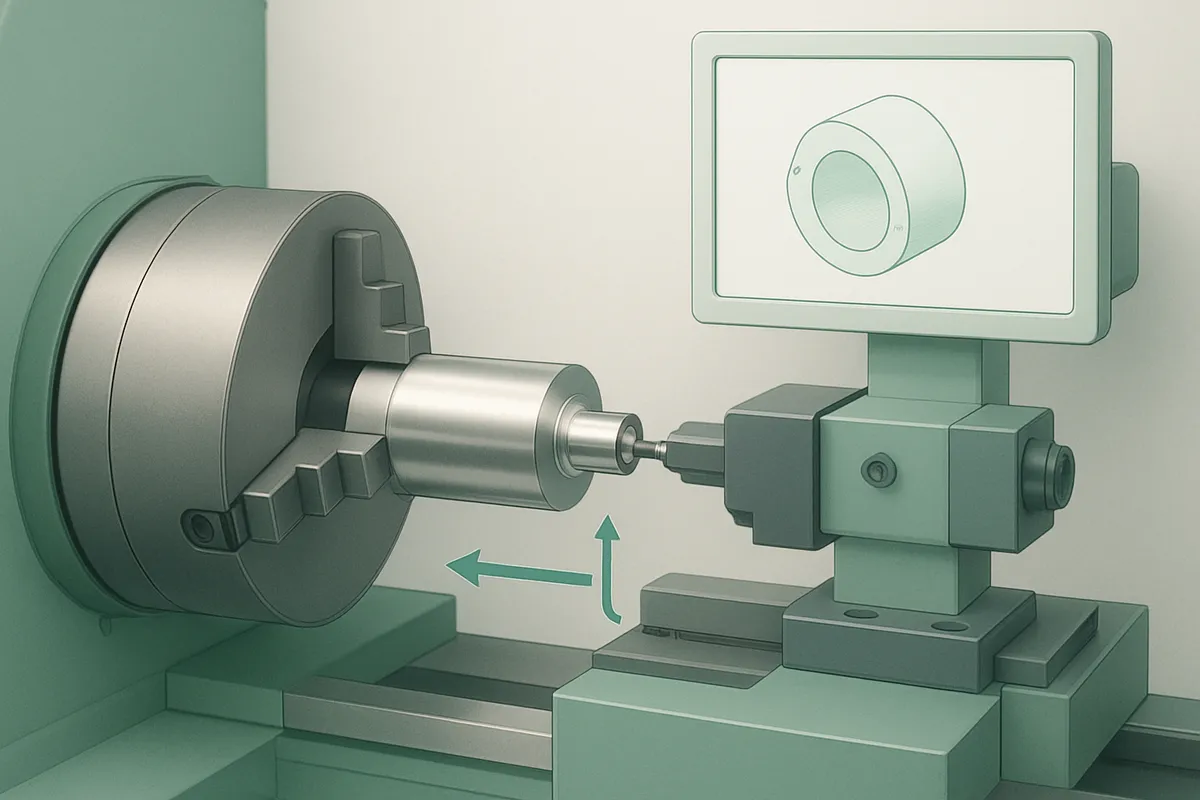
A chuck clamps the workpiece and spins it at high speed while a stationary cutting tool moves along the X and Z axes to remove material and shape the profile. That two-axis relationship, part rotating, tool holding a fixed path, is the mechanical answer to what is CNC turning at its most basic level. Everything else in the process, from software to inspection, exists to control that cutting path with precision. For a deeper look at the machines, operations, and applications involved, this overview of CNC turning processes and equipment covers the mechanics in more detail.
The tool moves along the Z axis to travel the length of the part and along the X axis to control diameter, cutting away material layer by layer until the final geometry emerges. Modern lathes often add a C axis or live tooling, letting the machine mill flats, drill off-center holes, or cut keyways without moving the part to a second machine. This is where several standard operations come into play:
- Facing – squares off the end of a part
- Boring – enlarges an internal diameter
- Threading – cuts screw patterns
- Grooving – cuts narrow recesses for O-rings or snap rings
A single CNC lathe can run through several of these operations in one setup, which is part of why turning stays efficient for cylindrical components produced in volume.
What CAM Software and Programming Languages Are Used to Control CNC Turning Machines?
CAM software takes a CAD model and translates it into G-code, the instruction set that tells the lathe exactly how to move, how fast to cut, and which tool to use at each step. An engineer imports the 3D design, defines the part’s material and tolerances, selects tooling, and the software calculates tool paths that avoid collisions and minimize cycle time. The resulting G-code is loaded directly onto the machine controller, which executes it without manual intervention during the cut. This software layer is what allows a CNC lathe to repeat a complex sequence of cuts thousands of times with the same accuracy on the first part and the last.
What Is the Typical Workflow from Design to Finished Part in CNC Turning?
The path from file to finished part follows a consistent sequence: design file submission, CAM programming, machine setup and tool selection, first-article inspection, then full production. A customer submits a drawing or CAD file specifying dimensions, tolerances, and material. Programmers build the tool path in CAM software, machinists set up the lathe with the correct chuck jaws and cutting tools, and the first part off the machine goes through inspection before the run continues. At MFG SOLUTION, that inspection step and the documentation behind it matter as much as the cutting itself, in-process checks and recorded measurements give electronics, automotive, and medical device customers the traceability needed for ISO 9001:2015, ISO 13485:2016, and IATF 16949 compliance, with every step tracked and auditable rather than taken on faith.
What Small Precision Parts Can CNC Turning Produce for Electronics, Automotive, and Medical Applications?
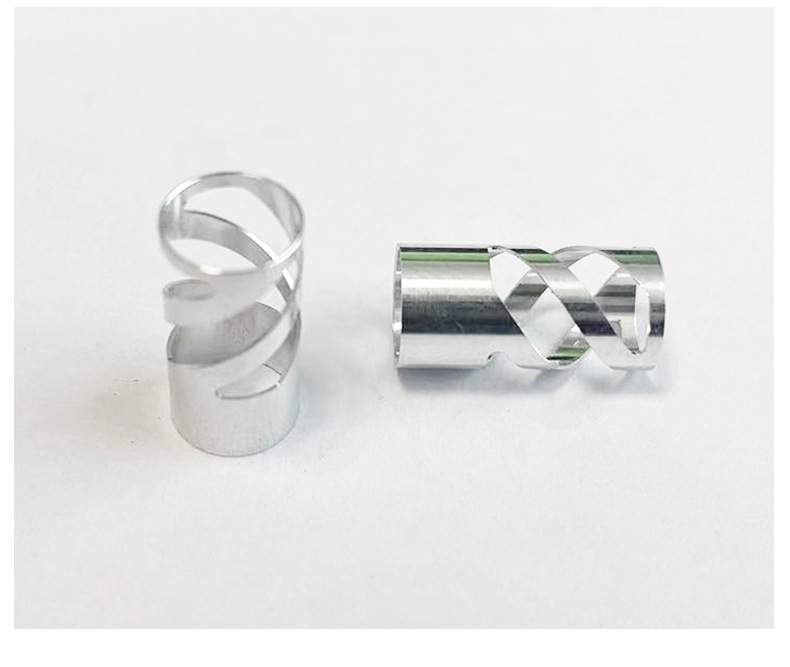
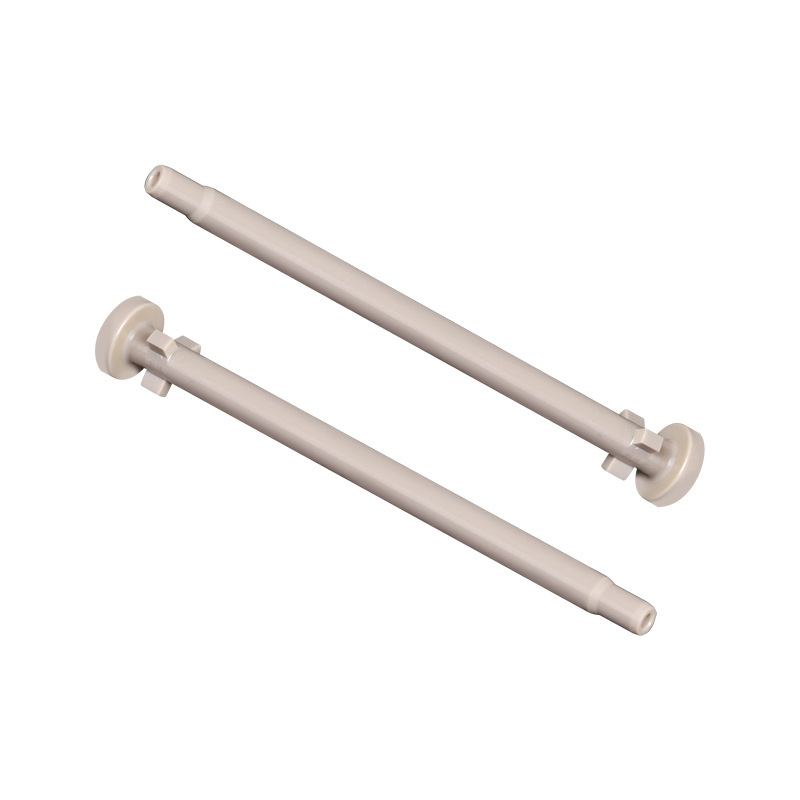
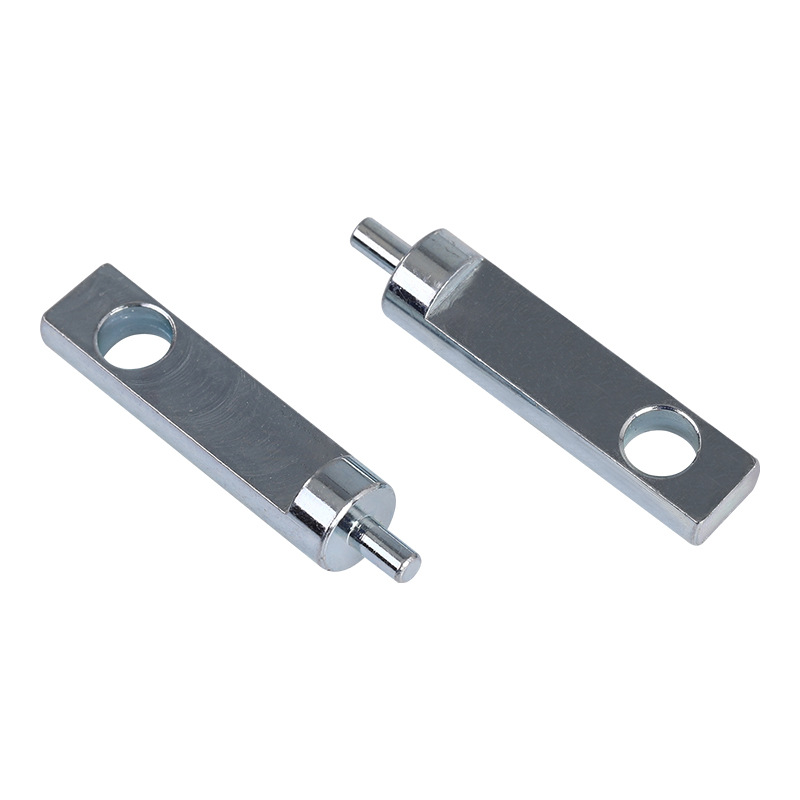
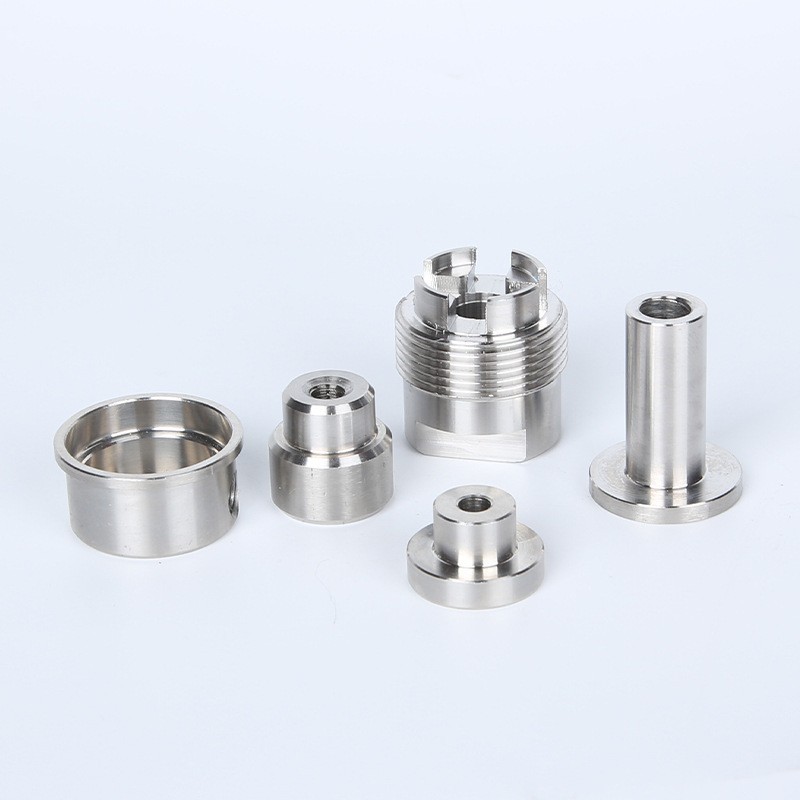
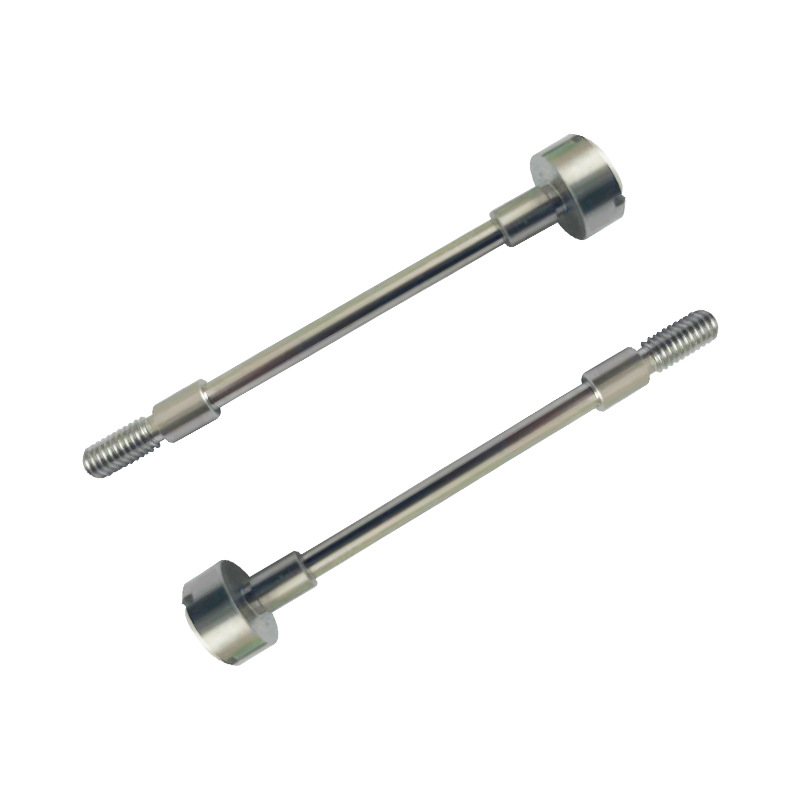
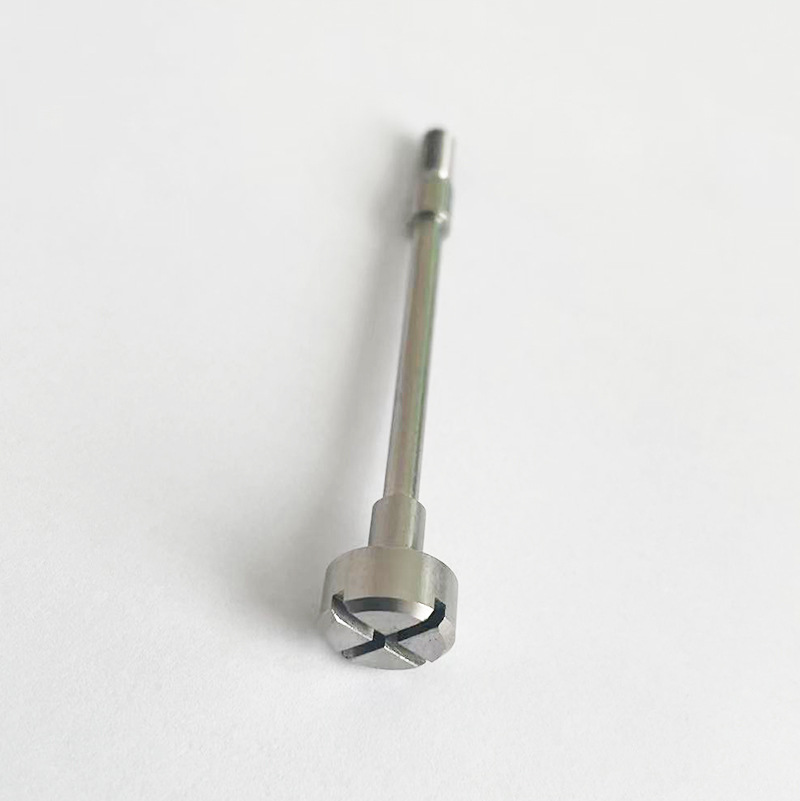
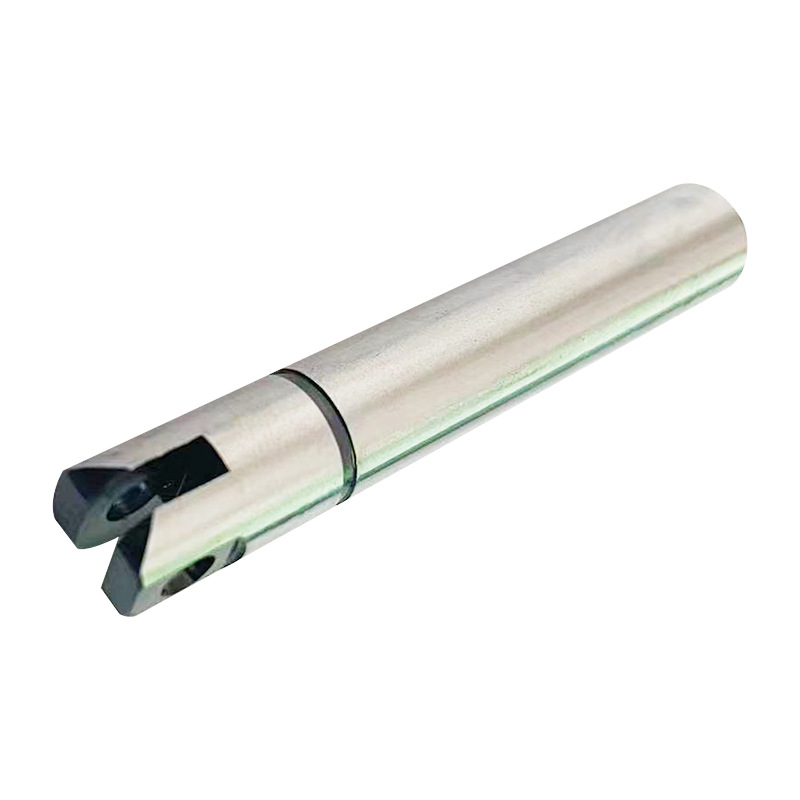
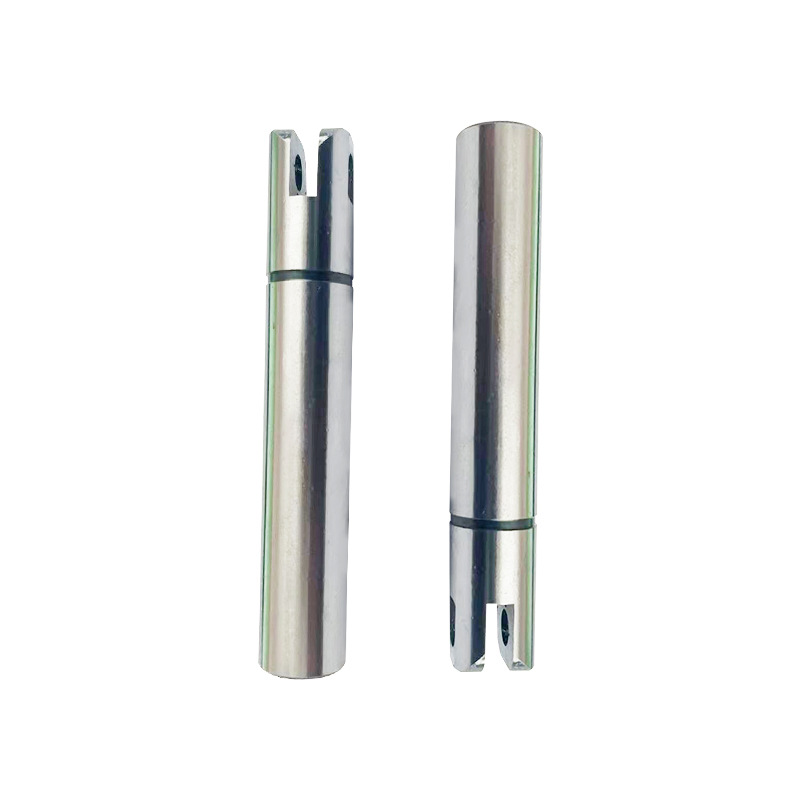
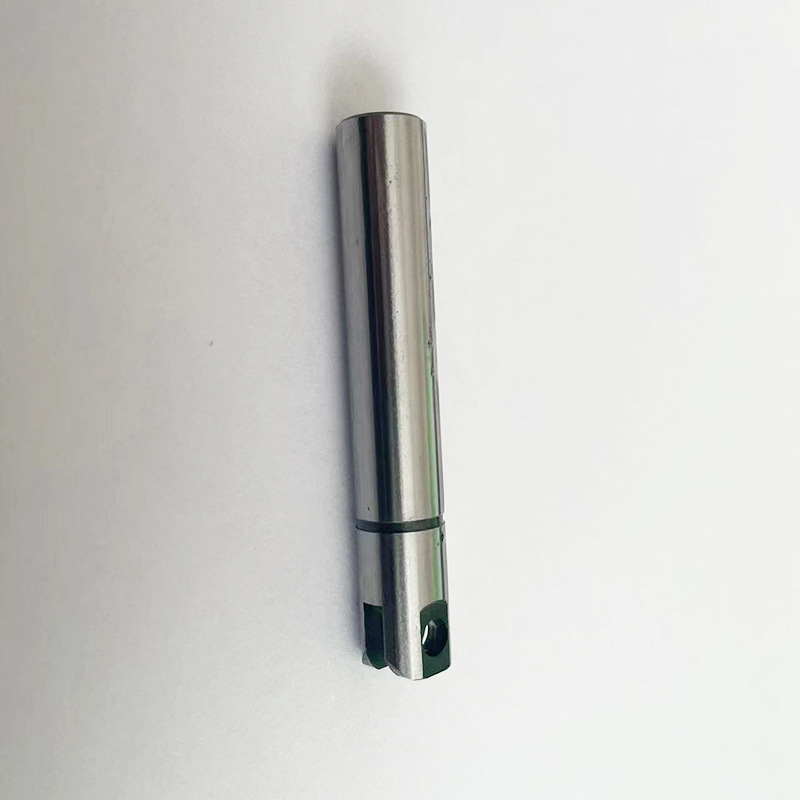
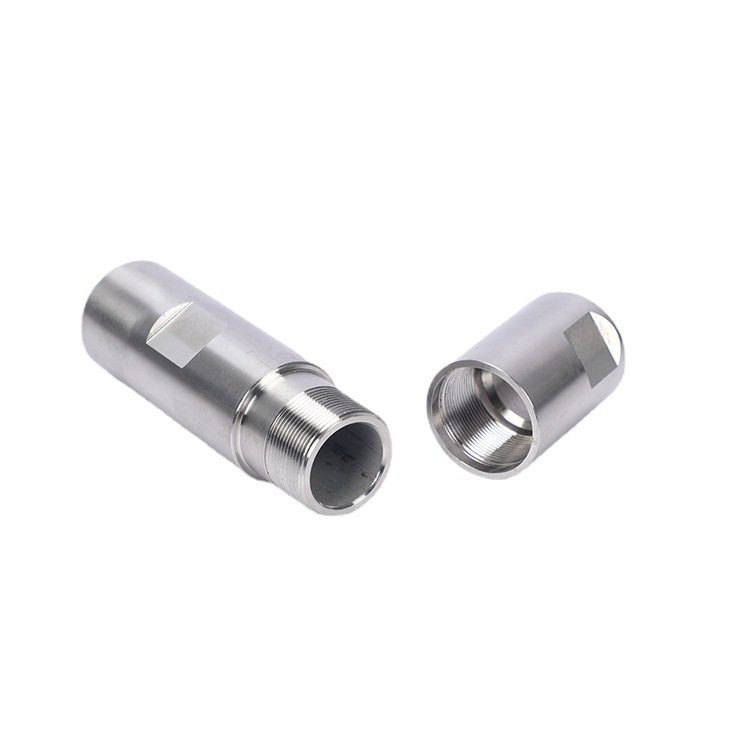
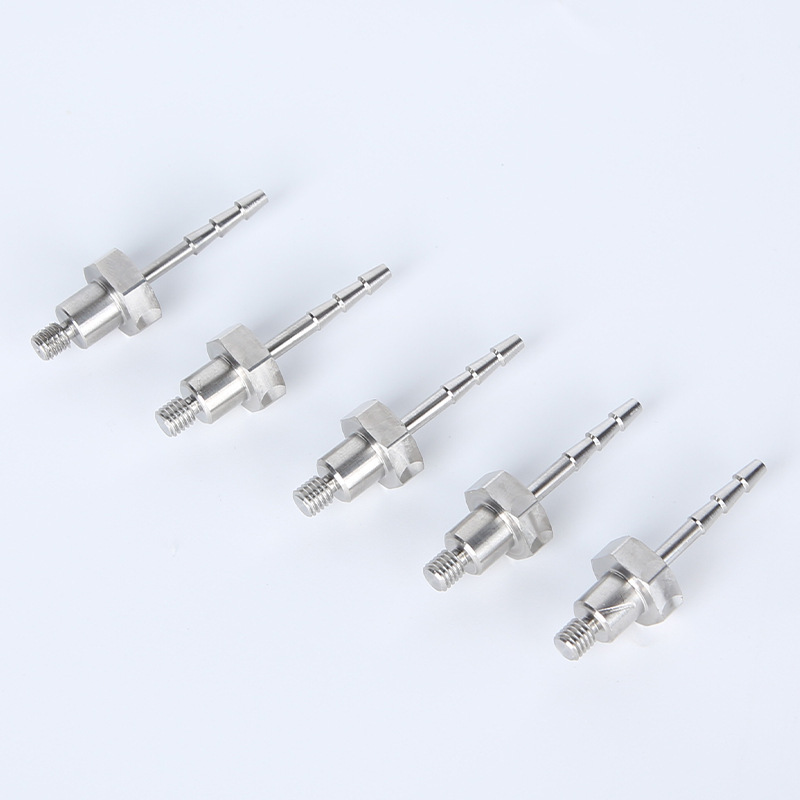
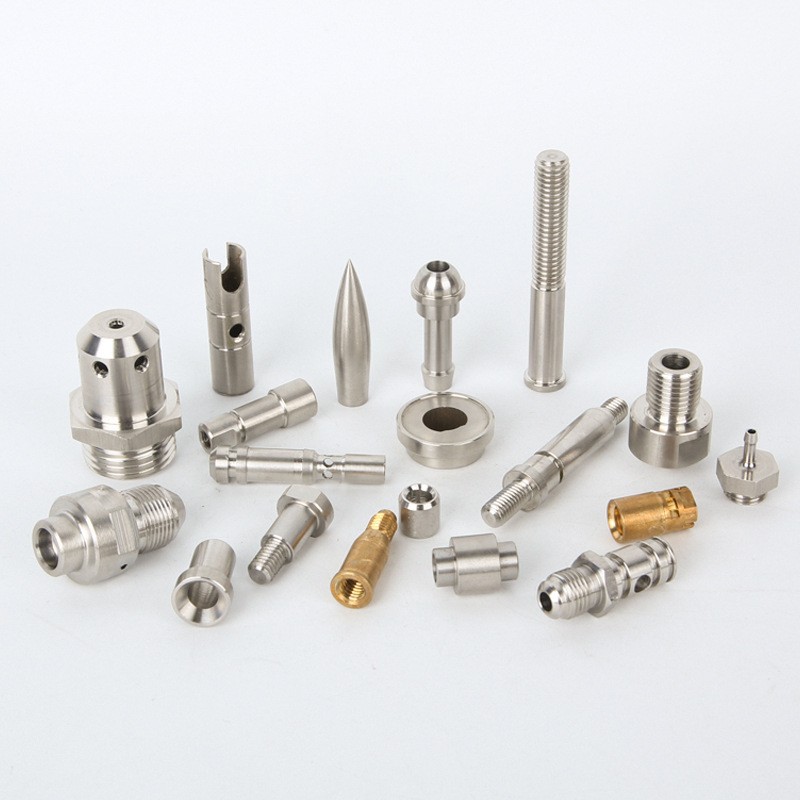
CNC turning produces connector pins and shafts for electronics, fittings and sensor housings for automotive systems, and bone screws or surgical instrument components for medical devices. Any part that starts as a round bar and needs precise, repeatable cylindrical features is a strong candidate for this process.
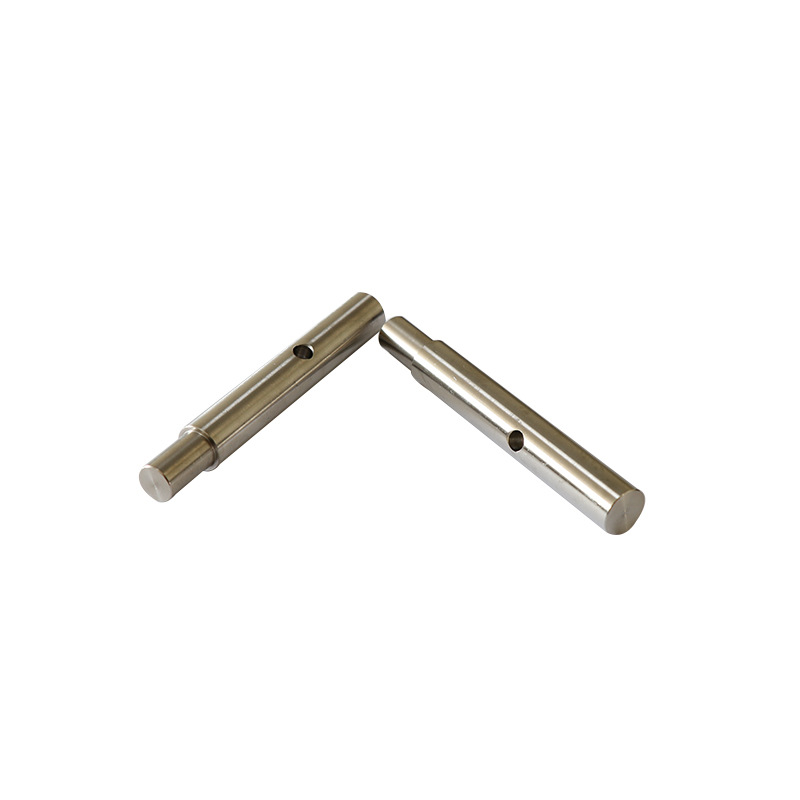
- Electronics: connector pins, spacers, and small shafts used in switches and actuators, often at diameters under 10mm
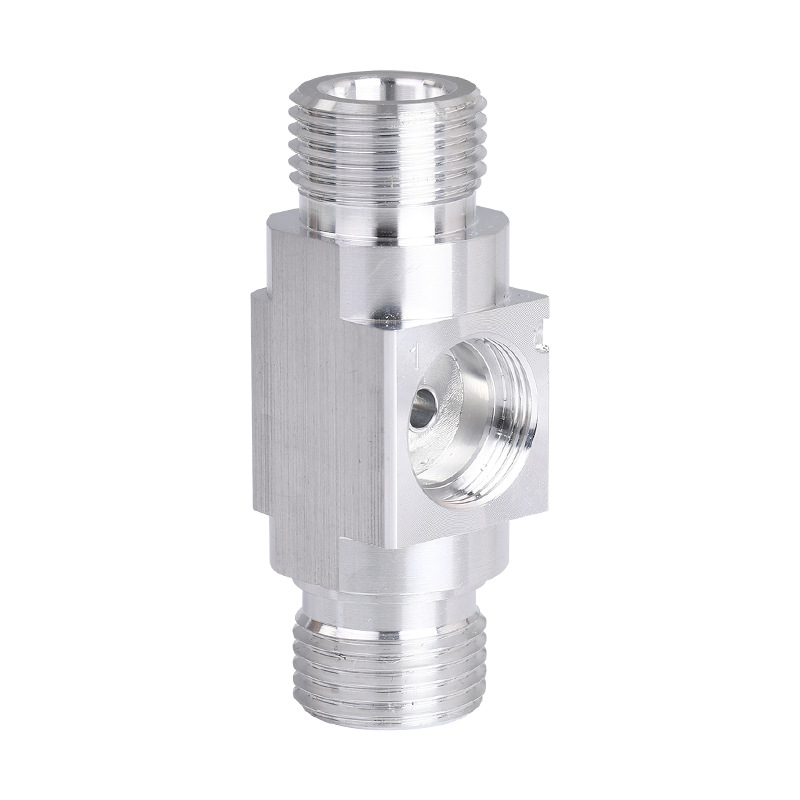
- Automotive: hydraulic fittings, valve bodies, and sensor housings that must hold tight dimensional tolerances across thousands of units
- Medical devices: bone screws, surgical instrument shafts, and implant components where surface finish and material traceability are non-negotiable
This is the practical answer to what is CNC turning in a production context, it is the process that reliably delivers these rotationally symmetric shapes at volume.
Rotational symmetry is where CNC turning does its best work. Shafts, bushings, threaded fittings, and stepped pins all share a central axis, which lets a single rotating workpiece pass under a stationary cutting tool to form diameters, grooves, and threads in one setup. Parts with flat faces or off-axis features usually need milling or a mill-turn combination instead, which is why MFG SOLUTION pairs CNC turning with Swiss lathe, cold forging, automatic lathe, and CNC mill & turn operations to match the right process to each part’s geometry rather than forcing every design through one method.
What Materials Can Be Machined Using CNC Turning, and How Do Material Choices Affect Cost and Quality?
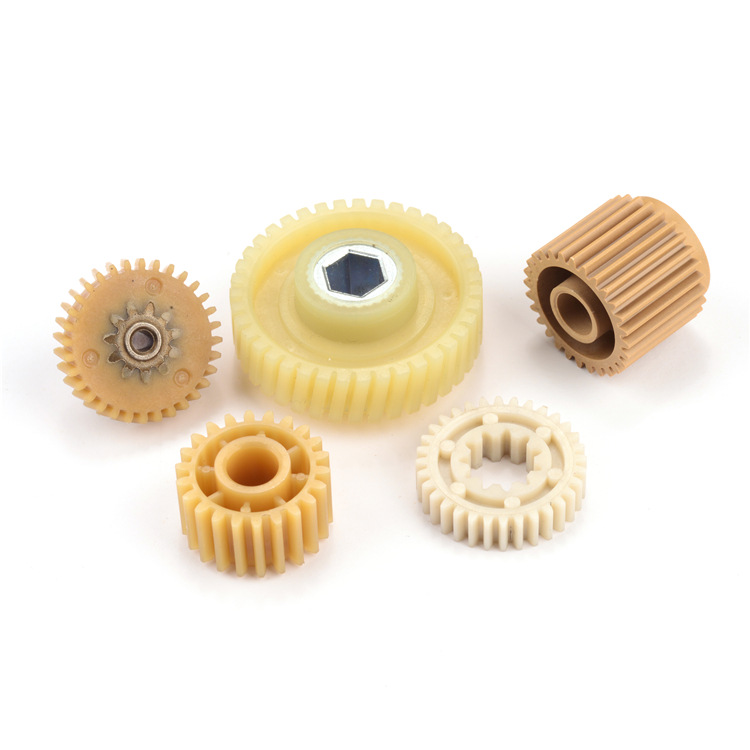
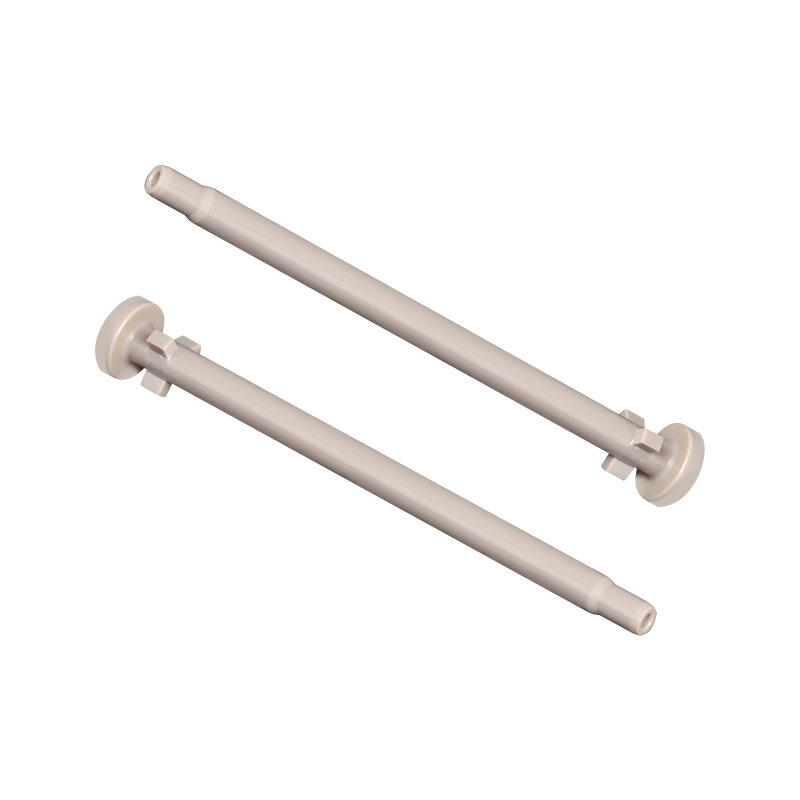
CNC turning works with aluminum, brass, stainless steel grades like 15-5 and 17-4, and engineering plastics, with each material trading off machinability against strength and corrosion resistance. Aluminum and brass cut fast and keep tool wear low, which shortens cycle time and reduces cost per part. Stainless steel grades such as 15-5 and 17-4 offer higher strength and corrosion resistance needed in medical and automotive fittings, but their hardness slows cutting speeds and increases tool wear, pushing cycle time and cost up. Engineering plastics suit electronics housings and low-load components where weight and insulation matter more than strength.
Tighter tolerances and finer surface finishes often mean a harder, more stable material and slower feed rates, which raises machining time. Tolerance stackup becomes a real concern on multi-feature parts, since small deviations in diameter or length compound across several turned features and can push an assembly out of spec even when each individual cut measures within tolerance.
What Are Common Mistakes or Troubleshooting Issues When Setting Up CNC Turning Operations?
Poor workholding is the most frequent cause of chatter, where the workpiece vibrates against the cutting tool and leaves a rough, inconsistent surface. Using the wrong feed and speed settings for a given material is another common error, settings tuned for aluminum will burn tooling or deform softer plastics, while settings too conservative for stainless steel waste cycle time. Skipping or rushing first-article inspection lets dimensional drift go unnoticed until a full batch is already out of tolerance, which is why documented in-process checks matter more on turned parts with tight stackup requirements than on simpler geometries.
What Are the Key Advantages and Limitations of CNC Turning for Manufacturing?
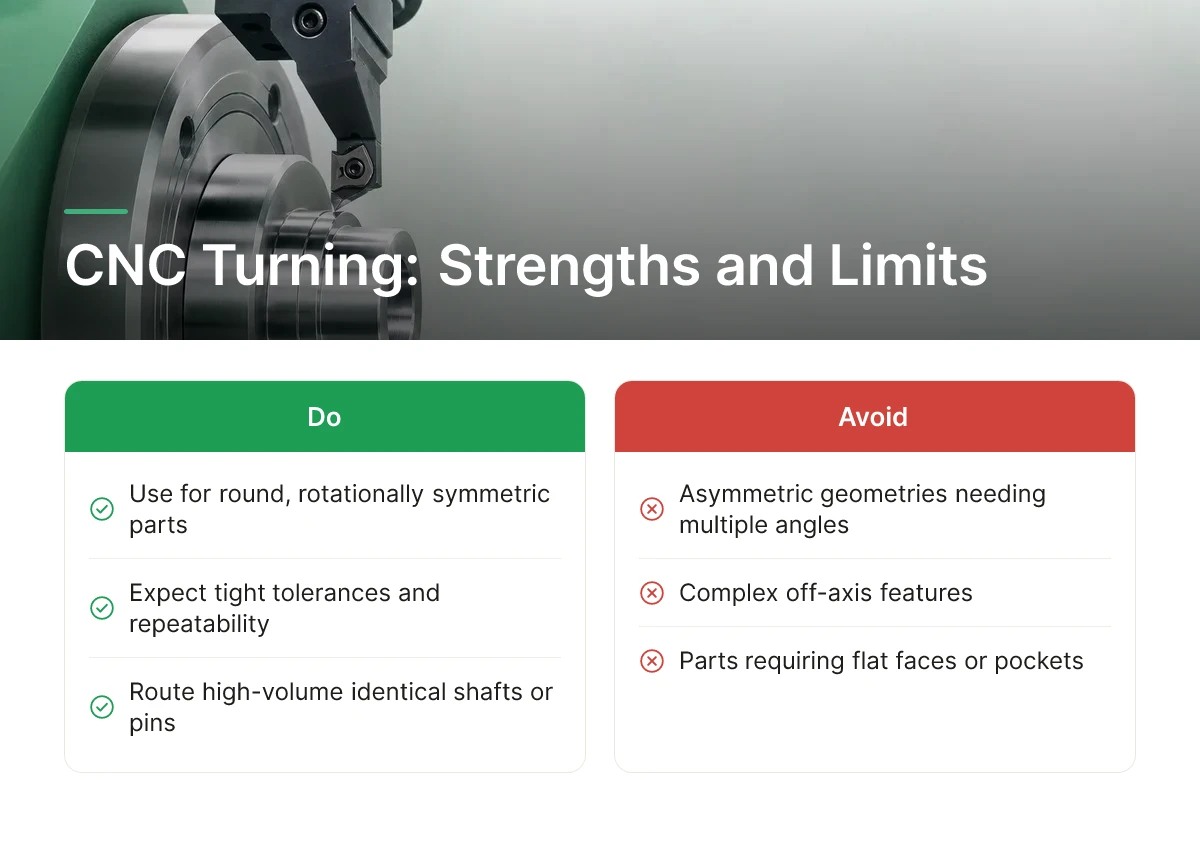
CNC turning delivers tight tolerances and part-to-part repeatability at volume, but it struggles with asymmetric geometries that need multiple cutting angles.
Understanding what is CNC turning good at, and where it falls short, helps a procurement or engineering team decide whether to route a part to a lathe, a mill, or a combined mill-turn cell. The process rewards round, rotationally symmetric parts and penalizes complex, off-axis features. For guidance on designing parts that play to turning’s strengths, this design guide for CNC turning outlines practical tips.
Where CNC Turning Wins
Once a program is proven, a CNC lathe produces the same shaft, bushing, or connector pin thousands of times with minimal variation between the first part and the last. That repeatability matters most in regulated industries, medical device components and automotive fittings, where every part in a batch must hold the same tolerance band. Because the machine controls spindle speed, feed rate, and tool path, operators spend less time on manual adjustment than they would running a manual lathe, which lowers labor dependency and reduces the chance of operator-introduced error.
Where CNC Turning Falls Short
CNC turning is built around rotational symmetry. Parts with flats, cross-holes, slots, or off-center features either need extra setups on a lathe or a secondary milling operation entirely. For a bracket or housing with multiple non-concentric features, a 3- or 4-axis mill is usually the more efficient choice than forcing the geometry through a turning center.
What Is the Real-World Cost and ROI of CNC Turning Compared to Other Machining Methods for Small Manufacturers?
Cost on a turning job tracks cycle time, tooling wear, and setup complexity rather than any single fixed rate card. A simple round part with a short cycle time runs budget-friendly even in small batches, while a part needing multiple tool changes, tight runout control, or exotic alloys pushes into a premium setup tier. Compared to manual lathe work, CNC turning carries higher upfront programming cost but lower per-part cost at volume, since the machine removes the variability and rework that comes with hand-operated equipment. Compared to milling, turning is generally the more economical route for cylindrical parts, which is why MFG SOLUTION evaluates each part against five methods, CNC turning, Swiss lathe, cold forging, automatic lathe, and CNC mill & turn, and selects whichever keeps cost and precision in balance for parts up to 38mm in diameter.
What Safety Hazards Should We Be Aware of When Operating CNC Turning Equipment?
The main hazards are rotating stock, flying chips, and coolant exposure, all of which standard machine guarding and procedure address directly. Enclosed guarding keeps hands and loose clothing away from the spindle, chip and coolant management systems reduce slip and inhalation risks, and lockout/tagout procedures during tool changes or maintenance prevent accidental spindle engagement. None of these are optional extras, they are baseline requirements under any serious quality system, including the ISO 9001:2015 and IATF 16949 process controls that govern production discipline on the shop floor.
When to Combine Turning With Milling
A part that starts round but needs a flat, a keyway, or an off-axis hole is a candidate for mill-turn rather than turning alone. Combining both operations in one setup cuts the handling and fixturing error that comes from moving a part between separate turning and milling machines. For a closer look at why these machines have become central to modern production, see this explanation of why CNC turning machines matter in manufacturing.
How Do You Choose Between CNC Turning and CNC Milling for Precision Parts?
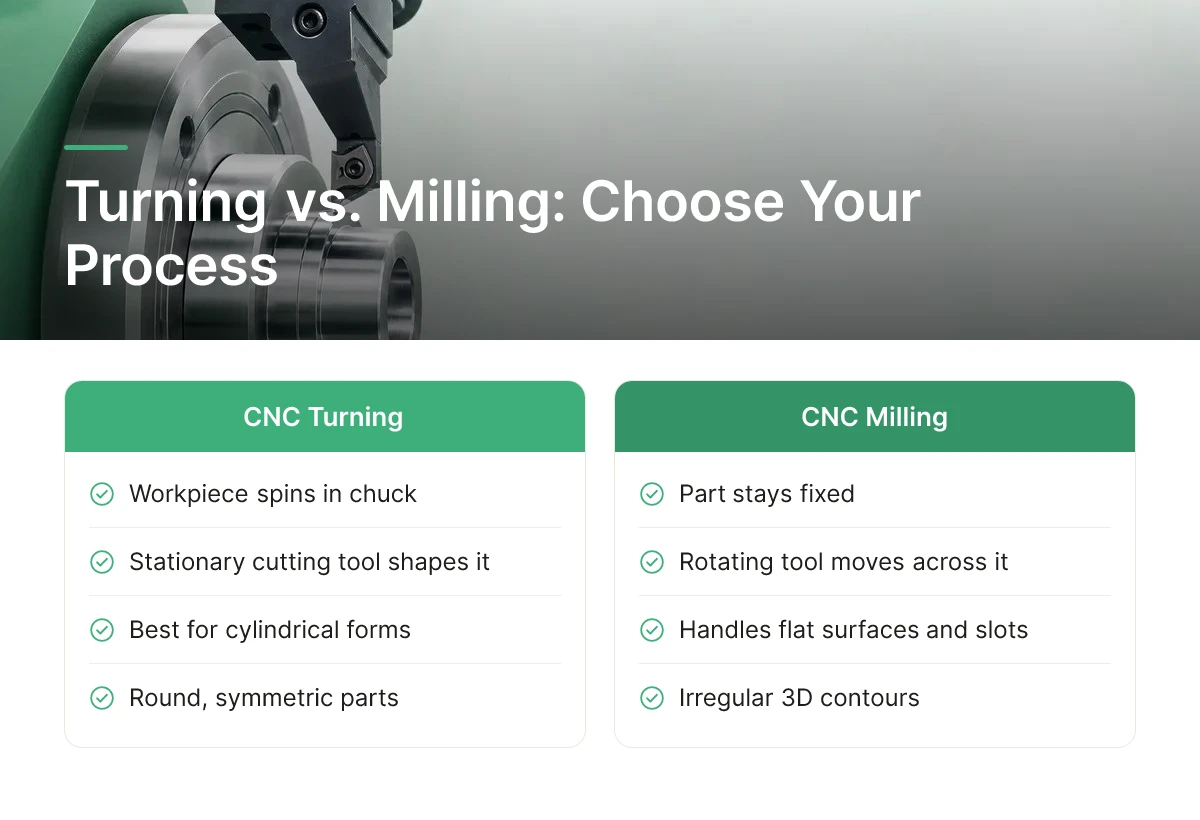
Choose turning when the part is round and symmetric around an axis; choose milling when it needs flat faces, pockets, or off-axis features cut into a fixed block.
The distinction comes down to what moves. In turning, the workpiece spins in a chuck while a stationary cutting tool shapes it into a cylindrical form, this is the mechanical answer to what is CNC turning at its most basic level. In milling, the part stays fixed while a rotating cutting tool moves across it to remove material, which is why milling handles flat surfaces, slots, and irregular 3D contours that turning cannot produce on its own. That single difference in which component rotates determines which geometries each process can realistically produce. This guide to the CNC turning process and its applications breaks down these distinctions further.
When Is CNC Turning the Better Choice Versus CNC Milling for Our Part Requirements?
Pick turning for shafts, bushings, pins, fittings, and any part dominated by round cross-sections and rotational symmetry; pick milling when the drawing shows flats, pockets, angled holes, or non-cylindrical contours. Turned parts also tend to machine faster and at lower cost per unit for cylindrical geometries, since a lathe removes material in continuous rotational passes rather than point-by-point tool movements. If your part is a bolt, a connector pin, or a valve stem, turning is almost always the more economical route. If it’s a bracket, housing, or anything with a flat mounting face and multiple bolt holes at different angles, milling fits better.
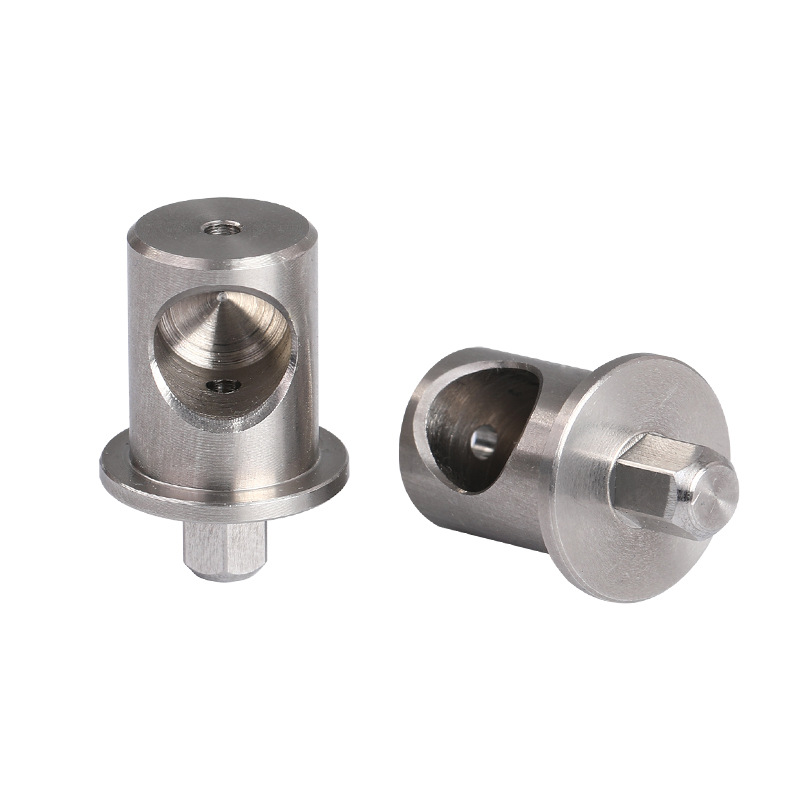
Many real-world parts don’t fall cleanly into either category. A shaft with a flat milled onto one end, or a round housing with cross-drilled holes, needs both operations to finish correctly.
Mill-turn centers, sometimes called CNC turn-mill machines, solve this by combining a rotating spindle with live milling tools on the same platform. The part can be turned to its round profile and then milled for flats, slots, or off-axis holes without being removed and re-fixtured on a second machine. This cuts handling time and keeps tolerances tighter across both operations, since the part never loses its original reference position.
For very small turned parts that demand tight tolerances and high repeatability, connector pins, medical fasteners, miniature fittings, Swiss-style turning is worth considering as a related, more specialized option. It supports the workpiece closer to the cutting tool, which reduces deflection on slender, small-diameter parts in ways conventional turning sometimes can’t match.
Before requesting a quote, run your part drawing through a short checklist:
- Is the part primarily round and symmetric around one axis? Favor turning.
- Does it need flat faces, pockets, or angled holes? Favor milling.
- Does it need both round and off-axis features? Consider a mill-turn process.
- Is the part small in diameter and held to tight tolerances? Ask about Swiss machining.
MFG SOLUTION reviews part geometry against exactly this logic when preparing quotes, selecting among CNC turning, Swiss lathe, automatic lathe, cold forging, and CNC mill & turn to match the most cost-effective process to parts up to 38mm in diameter, with quotes returned within 8 hours.
Frequently Asked Questions
Can CNC turning and CNC milling be combined for one part?
Yes, CNC mill & turn machines combine both operations in a single setup, cutting cylindrical features and off-axis holes or flats without re-fixturing. This is common for parts that need a round body plus a flat, slot, or cross-drilled hole. MFG SOLUTION runs CNC mill & turn operations alongside standard turning when a part’s geometry calls for it, selecting whichever process fits the specs most efficiently.
What industries rely most heavily on CNC turning for precision parts?
Electronics, automotive, and medical device manufacturing rely most on CNC turning for cylindrical components like connectors, shafts, and fittings. Aerospace and energy sectors also use it for pins, bushings, and fasteners requiring tight tolerances. Any industry needing round, symmetric parts at volume turns to this process.
Do CNC turning operators need special certifications to run production equipment?
Operators don’t need a single universal license, but regulated industries require facilities to follow documented quality systems. Medical and automotive parts typically demand production under ISO 13485:2016 or IATF 16949 standards. MFG SOLUTION manufactures to ISO 9001:2015, ISO 13485:2016, and IATF 16949 with full process control, meaning every step is tracked and auditable regardless of which operator runs the machine.
What materials are hardest to machine with CNC turning?
Hardened steels, titanium alloys, and high-nickel superalloys are hardest to turn because they generate heat fast and wear down cutting tools quickly. These materials need slower speeds, specialized tooling, and more frequent tool changes. Softer metals like aluminum and brass, by contrast, turn quickly and hold tolerances with less tool wear.
How does CNC turning support compliance in regulated industries like medical devices?
CNC turning supports compliance through repeatable, documented processes that produce consistent dimensional accuracy batch after batch. Each run can be traced to material certifications, tooling records, and inspection data, which auditors expect under ISO 13485:2016. MFG SOLUTION builds this traceability into every order, so medical device makers get parts backed by full process control rather than spot-checked output.
Conclusion
CNC turning earns its place in precision manufacturing by turning round, symmetric geometries into consistent, tight-tolerance parts at volume. The real decision isn’t whether turning works for your part, it’s whether turning alone suffices or whether mill & turn, Swiss lathe, or cold forging will cut cost and lead time further. Match the process to the geometry, material, and compliance requirements before locking in a vendor.
If you have a cylindrical part under 38mm in diameter sitting in a drawer waiting on a supplier decision, submit the specs for a quote. MFG SOLUTION returns pricing within 8 hours and ships approved orders within 3 days, so you can compare real numbers against your current lead times before committing.
Recommended Articles
Explore more from our content library: