
2026-10-19
How to Plan a Precision Component Manufacturing Run

Planning a precision component manufacturing run means sequencing five decisions in order: lock tolerances and material specs first, then choose a process (CNC machining, powder metallurgy, or sheet metal) that fits your volume, confirm quality certifications the part requires, get quotes with lead times and minimum order quantities, and only then compare in-house versus contract production. Getting this order wrong is what causes blown deadlines and reworked tooling, not the individual steps themselves.
Prerequisites: What to Define Before a Precision Component Manufacturing Run
Four items must be locked before any shop can quote your job accurately: dimensioned drawings with tolerance callouts, material grade and required certifications, surface finish spec, and a realistic volume estimate.
Skipping any one of these forces a shop to guess, and guesses turn into revised quotes, rejected first articles, or delays once production starts. A precision component manufacturing run depends on information being locked at the quoting stage, not patched in after tooling is cut. If your drawing shows a nominal dimension without a tolerance band, every machinist who quotes it will assume a different number, and some of those assumptions will cost you money or scrap parts.
Material specs need the same rigor. “Stainless steel” is not a spec; “303 stainless, mill cert required” is. If your part goes into a medical device or automotive assembly, note which certifications apply, ISO 13485:2016 for medical, IATF 16949 for automotive, because that determines which shops can even bid.
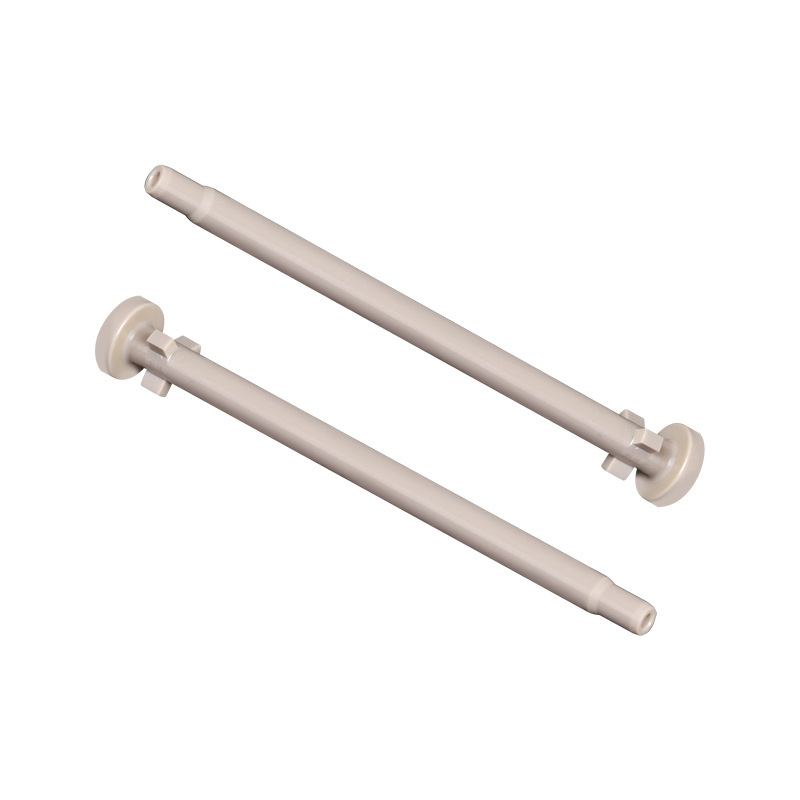
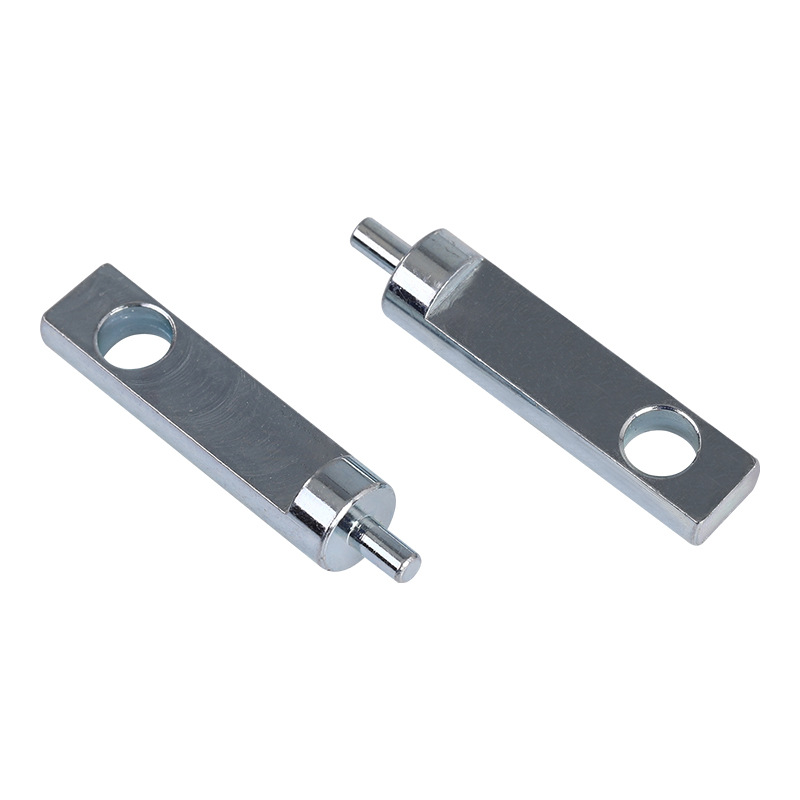
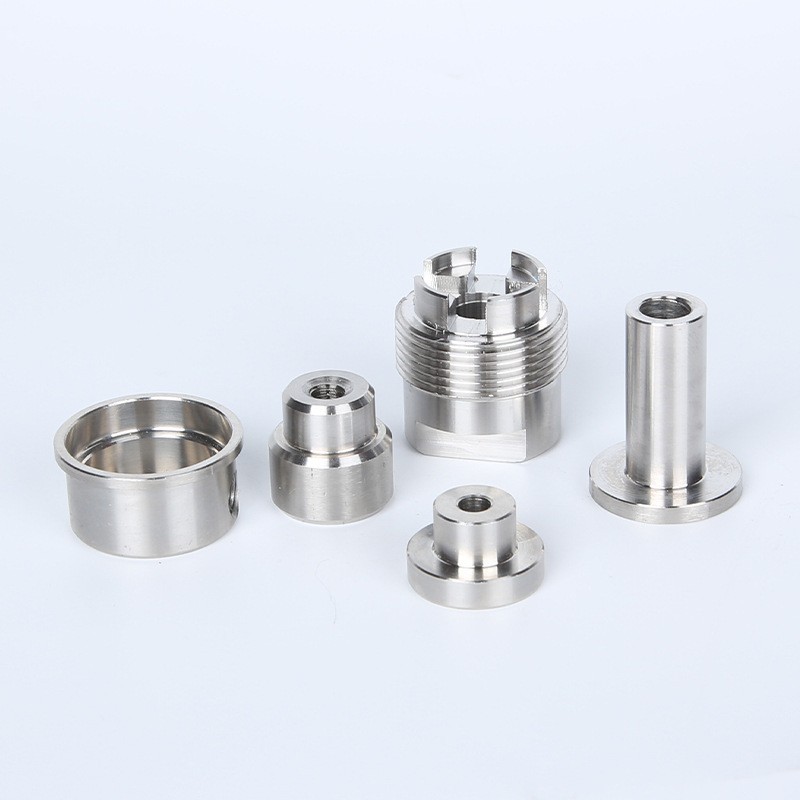
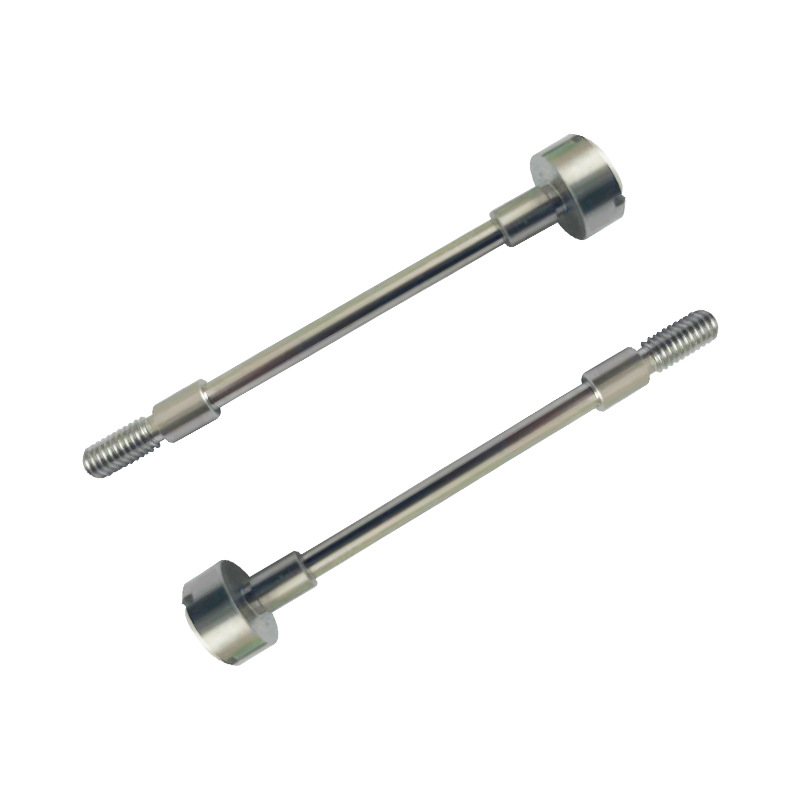
Examples of Precision Components and Typical Tolerances
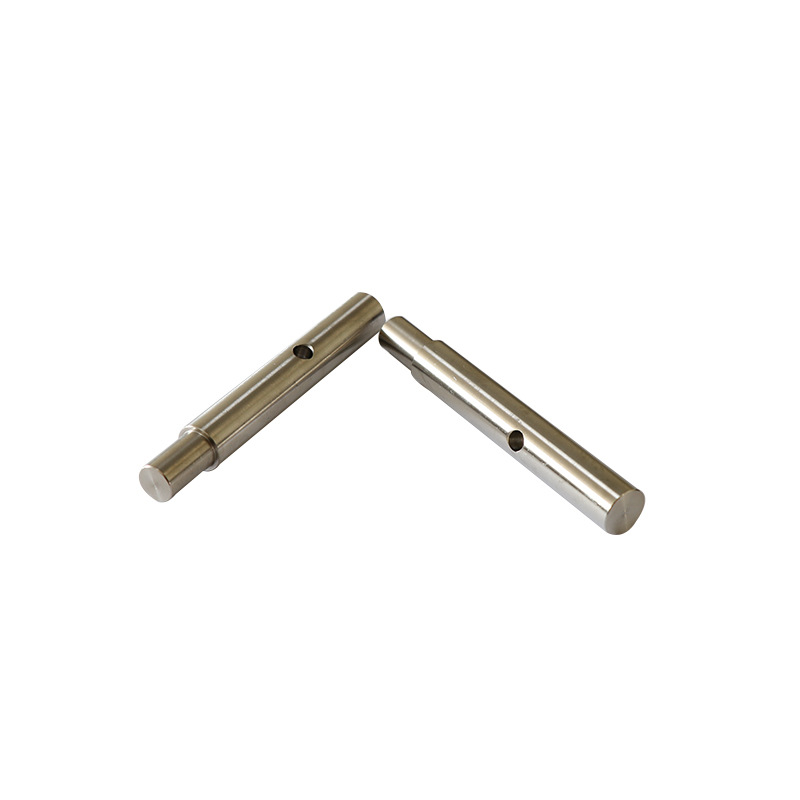
Tolerance class changes the entire manufacturing approach, not just the finishing pass. A shaft held to ±0.01mm needs controlled thermal conditions, repeatable chucking, and in-process gauging, the kind of tolerance common in Swiss lathe work for small-diameter turned parts. A mounting bracket at ±0.1mm can run on standard 3-axis milling with far less inspection overhead.
The gap between those two numbers, a factor of 10, is the difference between a job any competent shop can run and one that requires calibrated equipment, documented process control, and operators trained specifically for tight-tolerance work. Mixing the two tolerance classes on the same drawing, applying ±0.01mm to surfaces that don’t need it, is a common way projects overpay without gaining function.
How Tooling and Process Control Differ From Standard Machining
Precision work isn’t defined by owning better machines, it’s defined by how often you check the part and how tightly the process is controlled between checks. Standard machining might sample-inspect one part per batch of 50. Precision runs call for first-article inspection, calibrated gauging at set intervals, and machine repeatability data tracked across the run, not just at setup.
That’s also why tooling decisions shift: fixtures built for ±0.1mm work can tolerate some wear before parts drift out of spec, while ±0.01mm tooling needs scheduled replacement and dimensional checks built into the production plan.
Your tolerance class and volume estimate together narrow down which process is even viable, CNC turning, Swiss lathe, cold forging, or automatic lathe production handle different combinations of precision and batch size well, which is the decision the next section walks through.
Choose the Right Process for Your Precision Component Manufacturing Volume
Match the process to your annual volume and tolerance band first, because the wrong choice locks in cost and lead time problems that no amount of negotiation fixes later. Precision component manufacturing decisions made at the process-selection stage affect everything downstream, tooling spend, changeover time, and how fast you can react to a demand spike.
Matching CNC Machining, Powder Metallurgy, or Sheet Metal to Your Part
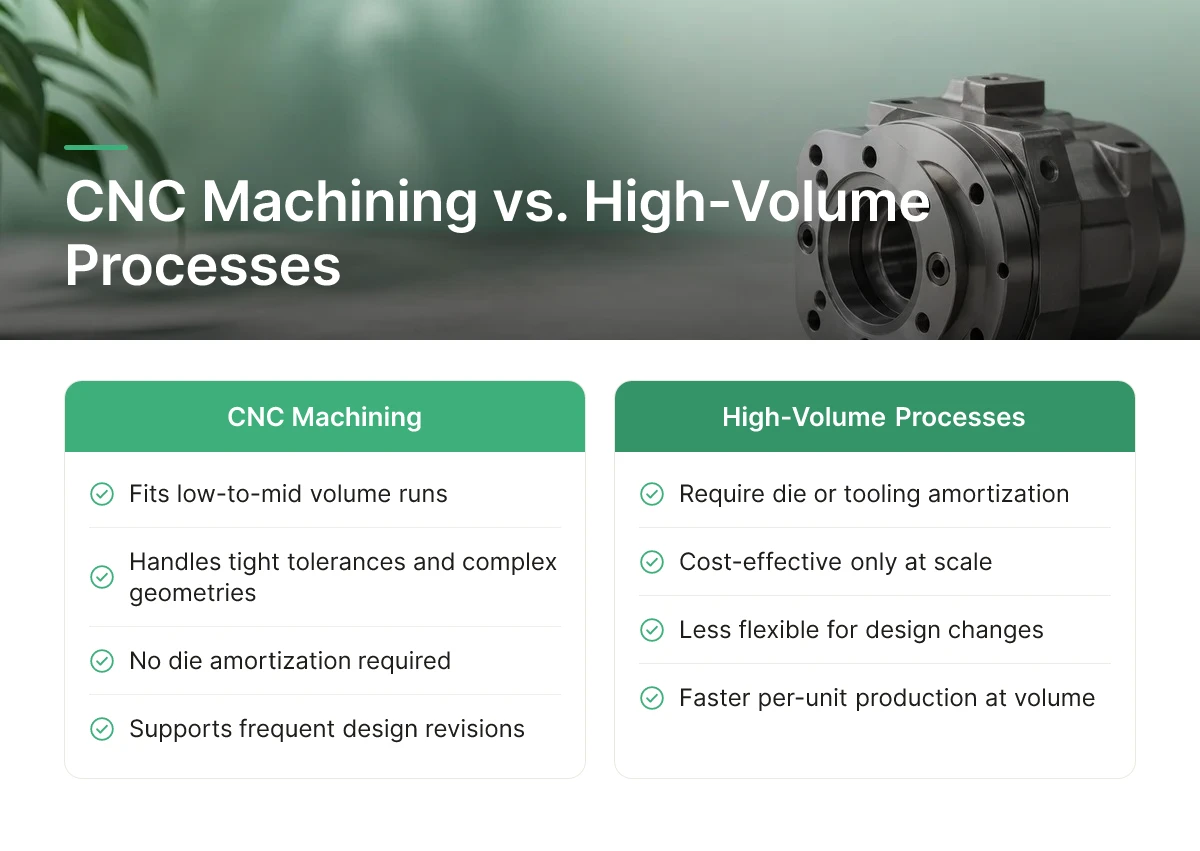
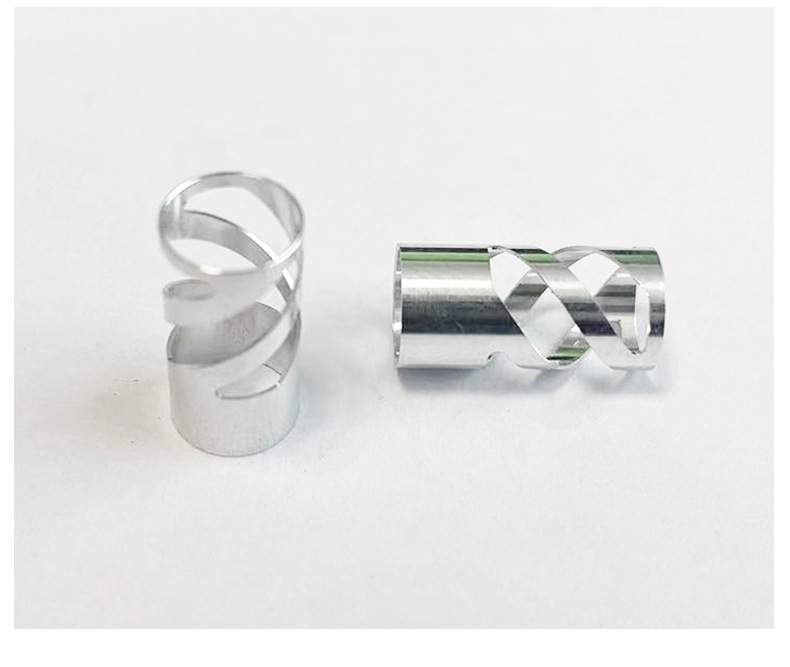
CNC machining fits low-to-mid volume runs with tight tolerances, complex geometries, or frequent design revisions, there’s no die to amortize, so you can machine 50 parts or 5,000 without retooling. Swiss lathe and CNC mill & turn operations extend that flexibility to small-diameter parts (up to 38mm) that need multiple features cut in a single setup.
Powder metallurgy suits high-volume, simple geometries where the upfront die cost spreads thin across tens of thousands of units. It’s a poor fit for short runs or parts with undercuts and fine features, since the tooling investment only pays off at scale. Sheet metal fabrication covers enclosures, brackets, and housings where tolerances are looser and the part is largely two-dimensional, bending and stamping beat machining on cost once you move past a few thousand units.
- Confirm your tolerance requirement first, anything tighter than standard sheet metal bend tolerances typically pushes you toward CNC or cold forging.
- Estimate annual volume honestly, not just the first order size, since powder metallurgy’s die cost only makes sense against a multi-year production forecast.
- Check geometry complexity, deep pockets, threads, and multi-axis features favor CNC turning or mill & turn over stamped or pressed alternatives.
Lead Times and Minimum Order Quantities Across Processes
Minimum order quantities and lead times diverge sharply because each process carries different fixed costs before the first good part comes off the line. CNC machining has near-zero minimums, you can order a single prototype or a production batch from the same setup, but per-part cost stays relatively flat or climbs slowly as labor and cycle time dominate at higher volumes. Powder metallurgy and cold forging require upfront die costs that only pay off once volume climbs high enough to spread that tooling charge thin, so minimums often sit in the thousands of units.
Cost structures fall into three qualitative tiers. Budget-friendly setups favor processes with low tooling investment and moderate per-unit cost, which usually means CNC machining for small-to-mid batches. Mid-range setups balance a modest die or fixture cost against lower per-unit pricing at moderate volume, typical of automatic lathe production. Premium setups front-load tooling cost, cold forging dies, progressive stamping tools, in exchange for the lowest achievable per-unit cost once volume justifies it.
Changeover time and fixturing compound across a run in ways the quoted per-part cycle time doesn’t capture. Every batch switch on a CNC lathe means re-fixturing, tool offset verification, and first-article inspection before production resumes, minutes per changeover that add up across multiple part numbers in a week. MFG SOLUTION’s quote-within-8-hours process accounts for this by matching the job to one of five methods, CNC turning, Swiss lathe, cold forging, automatic lathe, or CNC mill & turn, before committing to a fixturing plan, which keeps changeover overhead from eating into the 3-day shipment window.
Verify Quality Certifications and Tolerances Match Your Industry
Match the supplier’s certification to your industry’s audit and traceability requirements before you commit, the wrong certification level creates failed incoming inspections, rework, or audit disqualification later.
Certifications are not interchangeable, and each layer adds cost and documentation overhead on top of the one below it. ISO 9001:2015 confirms a documented process control system, the supplier tracks procedures, corrective actions, and change control, but it says nothing about industry-specific traceability. AS9100D builds on ISO 9001:2015 and adds aerospace-specific requirements: configuration management, risk assessment, and full material and process traceability back to raw stock. Nadcap goes further still, accrediting specific “special processes” like heat treating, plating, or welding that general quality certifications do not cover. The trade-off is straightforward: broader certification generally means more paperwork, longer audits, and higher per-part cost, so paying for AS9100D or Nadcap on a part that doesn’t need it is money spent on documentation you’ll never use.
Which Certification Does Your Industry Actually Require
The certification you need depends on who audits your supply chain, not on which certification sounds the most rigorous. Automotive buyers typically require IATF 16949, which focuses on defect prevention and reducing variation across high-volume production runs. Medical device manufacturers typically require ISO 13485:2016, which governs risk management and design controls tied to patient safety. Aerospace programs typically require AS9100D, and Nadcap specifically when a special process like plating or non-destructive testing is involved. Precision component manufacturing for electronics or industrial equipment often runs fine on ISO 9001:2015 alone, since those parts rarely face the same regulatory audit trail as medical or aerospace components.
Under-certifying is not an abstract risk, it shows up as a concrete failure point. A supplier without IATF 16949 may pass its own inspection but fail your incoming quality check because its process capability documentation doesn’t match what your auditor expects. That failure triggers rework, delays your line, and in regulated industries can disqualify your own facility during a customer or regulatory audit. Don’t trust a spec sheet to confirm tolerance capability, request a capability study (Cpk data) or a sample part inspection report showing actual measured dimensions against your drawing. MFG SOLUTION manufactures to ISO 9001:2015, ISO 13485:2016, and IATF 16949 with full process control, meaning every step is tracked, documented, and auditable, so buyers across automotive, medical, and electronics can match certification to requirement without overpaying for unused accreditation.
Decide Between In-House Precision Machining and a Contract Manufacturer
The right choice depends on whether your equipment runs full enough, often enough, to pay for itself faster than a contract manufacturer can ship parts to your dock.
At What Volume Does In-House Machining Make Sense
There is no fixed unit count where owning CNC equipment and Swiss lathes becomes the right call, the decision turns on utilization, not volume alone. A machine that runs three shifts a day on repeat orders pays off its capital cost far faster than one that sits idle between sporadic jobs, even if both shops produce the same annual part count.
The real question is whether you can keep spindles cutting consistently enough to offset the fixed costs of ownership: the machine itself, custom tooling, fixturing, and the skilled operators needed to run Swiss lathes or 5-axis mills without scrapping parts. If your production schedule has gaps, long changeovers, or shifting part geometries, utilization drops and the economics of owning equipment weaken regardless of how large a single order looks on paper.
Weigh Capital Investment Against Per-Part Pricing
Owning equipment means paying upfront for machines, tooling, and operator training before a single part ships, a cost structure that only makes sense when utilization stays high over years, not months. Contract pricing shifts that burden to a per-part cost that scales with your actual order volume, with no capital outlay and no bench of idle machinists during slow quarters. For companies evaluating precision component manufacturing against in-house capacity, the comparison usually comes down to whether the capital tied up in equipment could run at high utilization, or whether it would sit underused between orders.
Factor In Quoting Speed and Shipping Windows
Fast external quoting and short shipping windows erode much of the traditional argument for owning equipment to control lead time. A contract manufacturer that returns a quote within hours and ships within days, the model MFG SOLUTION uses for parts up to 38mm in diameter, removes the lead-time penalty that used to justify in-house ownership for variable or lower-volume runs. When turnaround is measured in days rather than weeks, the case for carrying idle capital equipment weakens further.
Build a Hybrid Model Instead of an Either/Or Decision
Many manufacturers keep prototyping and first-article work in-house, where fast iteration matters, then route high-volume production to a certified contract partner once a design stabilizes. Others do the reverse, outsourcing early prototypes to a fast-quoting shop and bringing proven, high-run parts in-house once volume justifies the equipment. Either path treats precision component manufacturing as a mix of capabilities matched to each part’s volume and maturity, not a single sourcing decision applied across the board.
Common Mistakes to Avoid When Planning a Precision Manufacturing Run
Most delays and cost overruns in precision component manufacturing trace back to five planning errors, all of which surface before a single part is cut if you check for them early.
Specifying Tolerances Tighter Than the Part Requires
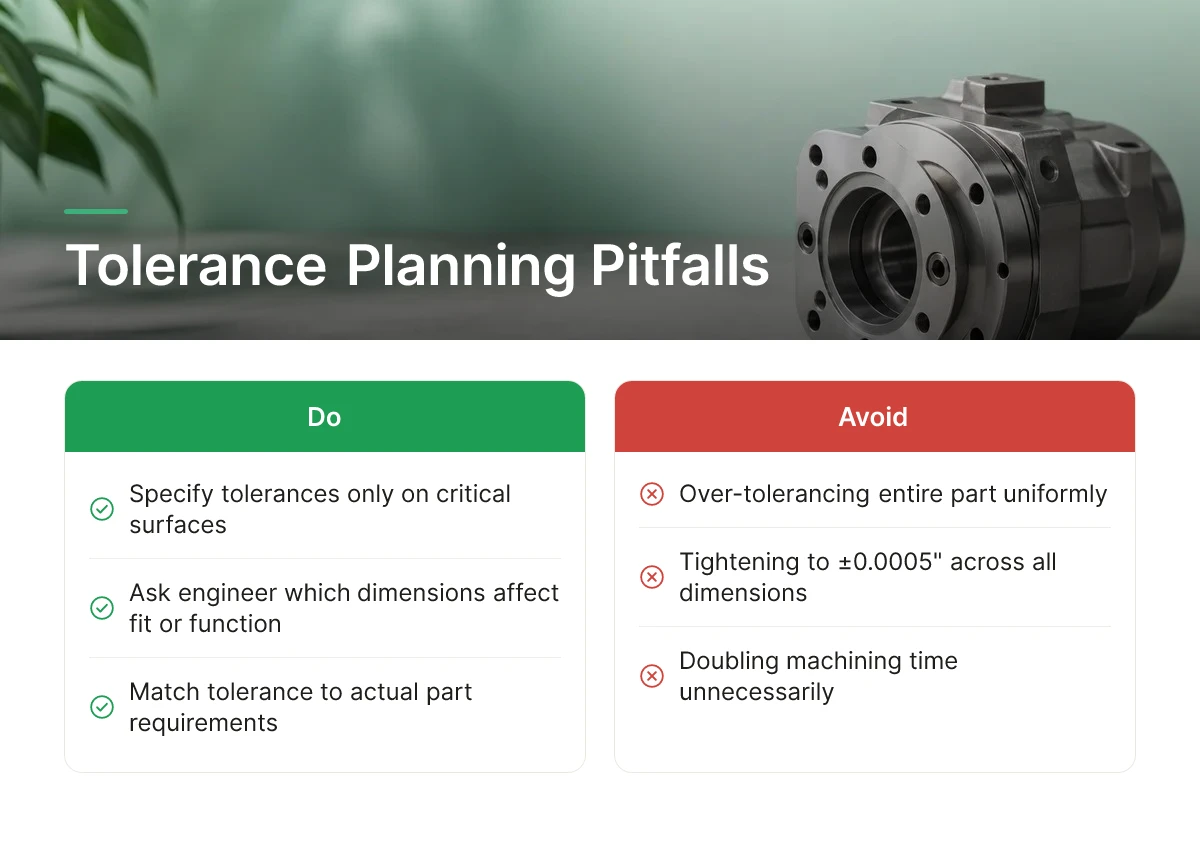
Over-tolerancing a drawing eliminates viable processes and drives cost up without improving function. Tightening tolerances to ±0.0005″ across an entire part instead of only the critical surfaces can double machining time and raise inspection costs by 40%. Ask your engineer which dimensions actually affect fit, function, or regulatory compliance, and loosen the rest.
Ignoring Minimum Order Quantity Until After Tooling Is Committed
Many buyers lock in tooling and setup before checking a supplier’s minimum order quantity, then discover the volume doesn’t match their actual demand. This creates excess inventory or forces a second setup charge for a top-up run. Confirm MOQ and batch flexibility during the quoting stage, not after approval.
Choosing a Certification Level Below What the Audit Requires
A supplier certified for general manufacturing but not for your industry’s audit standard creates a problem that surfaces only at final inspection. Medical device programs typically require ISO 13485:2016, while automotive programs require IATF 16949, confirm the certification matches the end customer’s requirement, not just a general ISO 9001:2015 baseline.
Comparing Suppliers on Unit Price Alone
Low per-part pricing can hide longer lead times or high changeover costs when a run includes several part numbers. A supplier with slower quoting and unpredictable scheduling can cost more overall than one with a slightly higher unit price but consistent 8-hour quoting and fixed shipping windows, MFG SOLUTION, for example, structures both around documented timelines rather than case-by-case estimates. Factor setup time per part family into the total cost, not just the quoted unit price.
Skipping First-Article Inspection Before Full Production
Committing straight to full volume without a sample part or first-article inspection risks discovering a dimensional or finish issue after the batch is already cut. A first article confirms the process holds tolerance before you commit material and machine time to the full run.
Frequently Asked Questions
What are some real-world examples of precision components and their typical tolerance requirements?
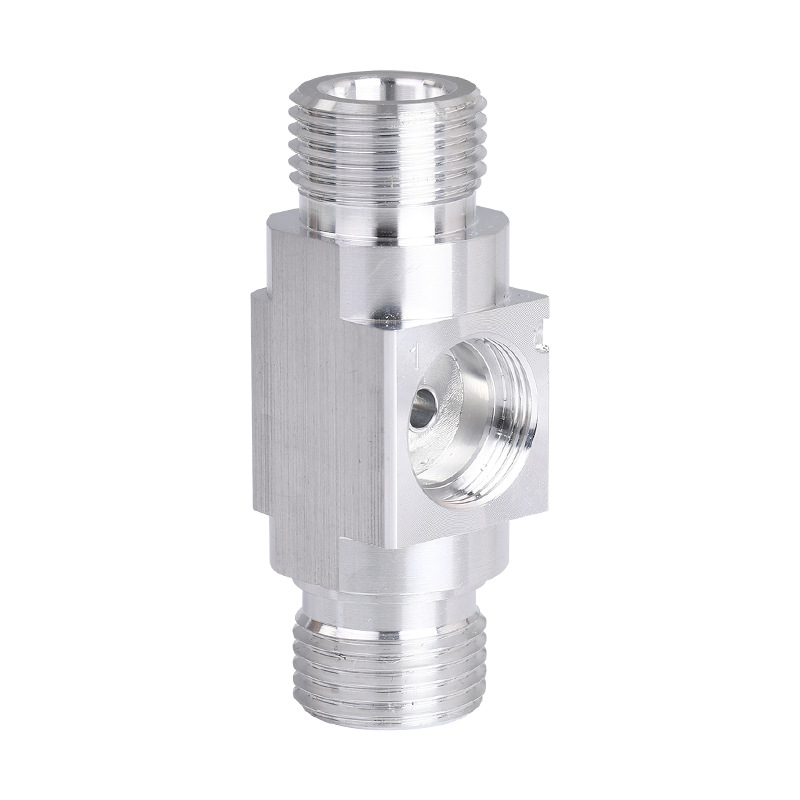
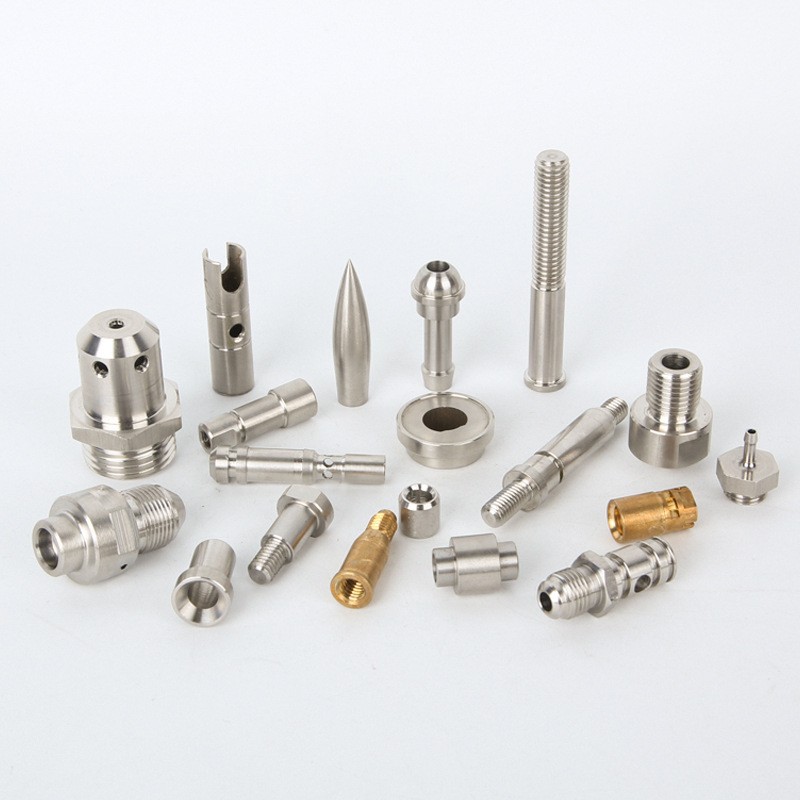
Common examples include surgical instrument pins, connector contacts, automotive sensor housings, and fluid control valve bodies, with tolerances often between ±0.0005″ and ±0.001″.
A medical luer fitting might hold ±0.0005″ on its sealing diameter while allowing looser tolerances elsewhere on the part. Electronics connectors typically require tight concentricity but can tolerate wider length variation, which is why tolerance should be applied selectively rather than across the entire drawing.
Which quality certification should you ask for if you don’t yet know your end industry’s audit requirements?
Ask for ISO 9001:2015 as a baseline, since it covers general process control and documentation that most buyers eventually need.
If there’s any chance your part ends up in a medical device or automotive assembly later, confirm the supplier also holds ISO 13485:2016 or IATF 16949 upfront. Switching certified suppliers mid-program costs more than qualifying the right one from the start.
What factors should you consider when choosing between CNC machining, powder metallurgy, and sheet metal for your component?
Base the choice on part geometry, volume, tolerance needs, and material, since each process has different cost and precision tradeoffs.
CNC turning and Swiss lathe work suit small, tight-tolerance round parts under 38mm in batch quantities. Cold forging fits high-volume parts where strength and material yield matter more than micron-level features. Sheet metal works for thin, flat, or formed geometries rather than rotational parts.
Can switching to a precision component manufacturer actually reduce cost compared to current sourcing?
Yes, consolidating sourcing often cuts cost by reducing over-tolerancing, rework, and the overhead of managing multiple vendors.
Much of per-part cost gets locked in during design and tolerance decisions before machining even starts. A supplier offering multiple process options, like CNC turning, cold forging, and automatic lathe production, can also select the most economical method for your specific geometry instead of forcing one process to fit every part.
Conclusion
Precision component manufacturing success comes down to three decisions: specify tolerances only where function demands them, match the process to the part instead of defaulting to one method, and qualify suppliers on certifications before volume commitments, not after. Over-tolerancing and mismatched processes are where most budgets get wasted before production even begins.
If your current supplier can’t quote within a day or ship within a week, that lead-time gap is worth pricing out. Pull your next RFQ for a part under 38mm and submit it to MFG SOLUTION for an 8-hour quote, compare the turnaround and process recommendation against what you’re getting now.
Recommended Articles
Explore more from our content library: