
2026-10-07
How to Pick a Grade for Stainless Steel Machining Parts
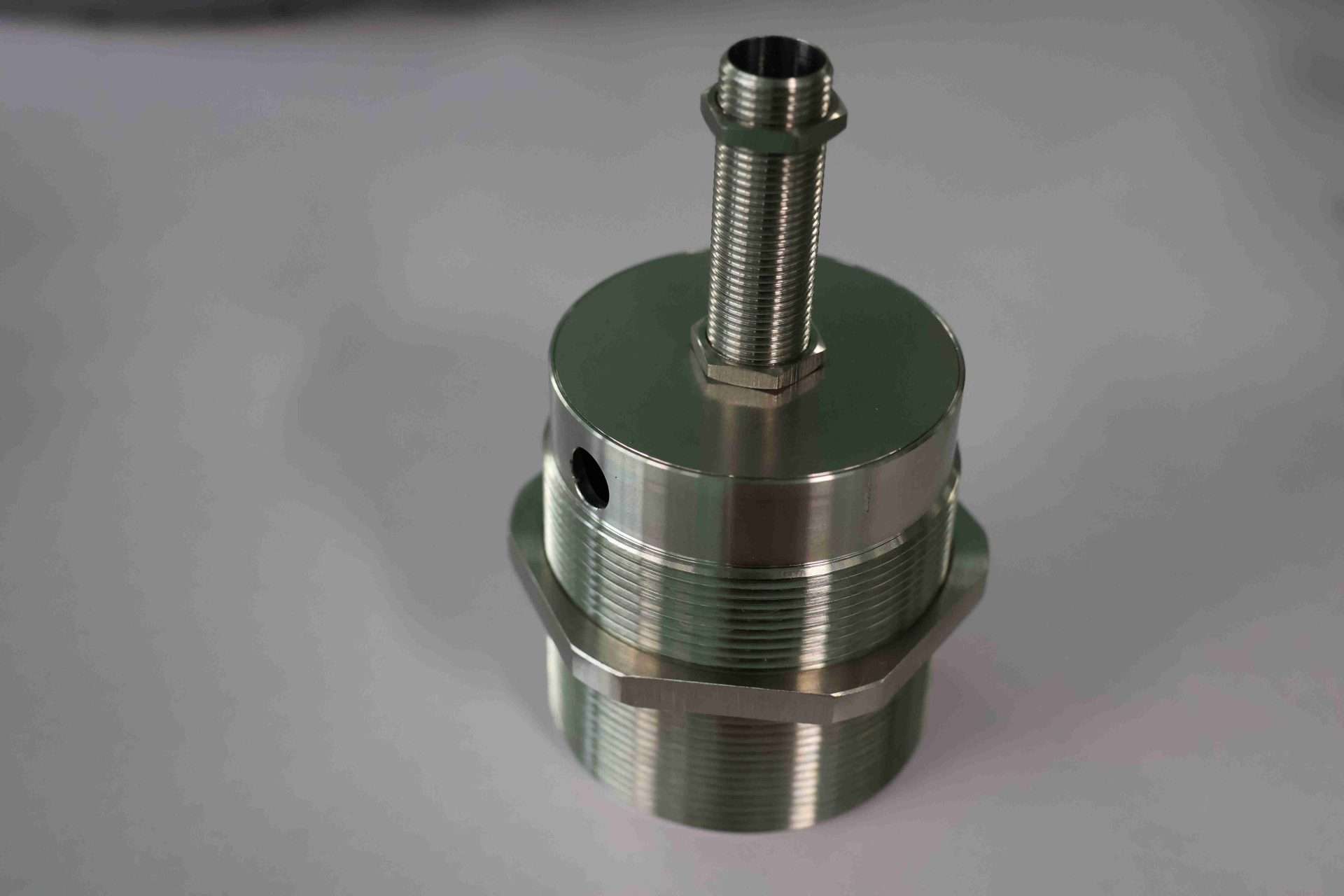
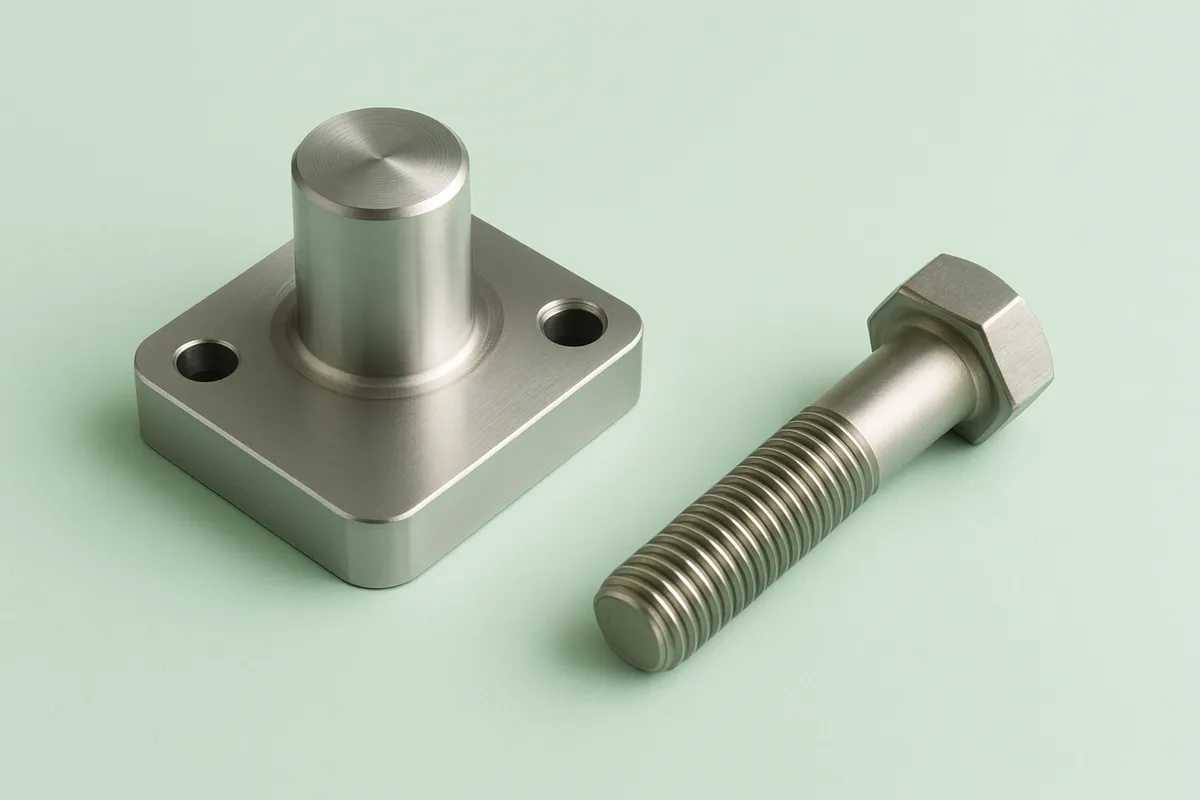
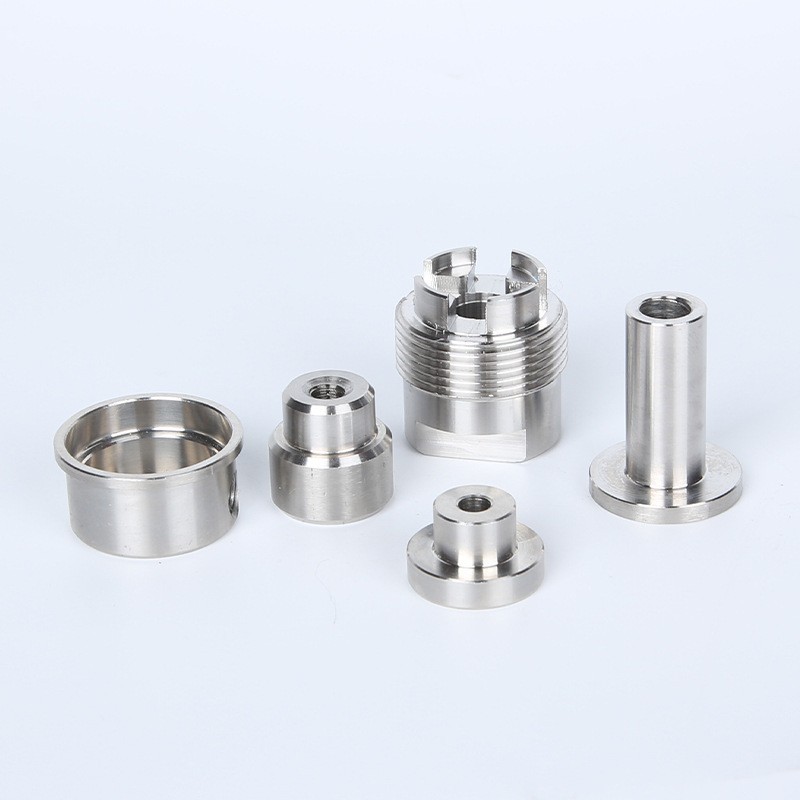
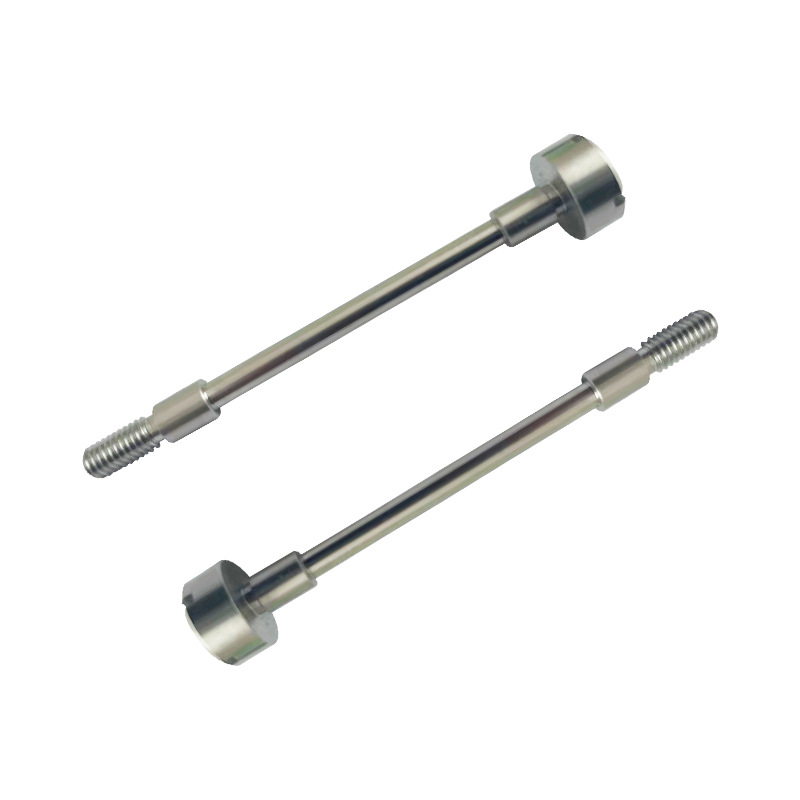
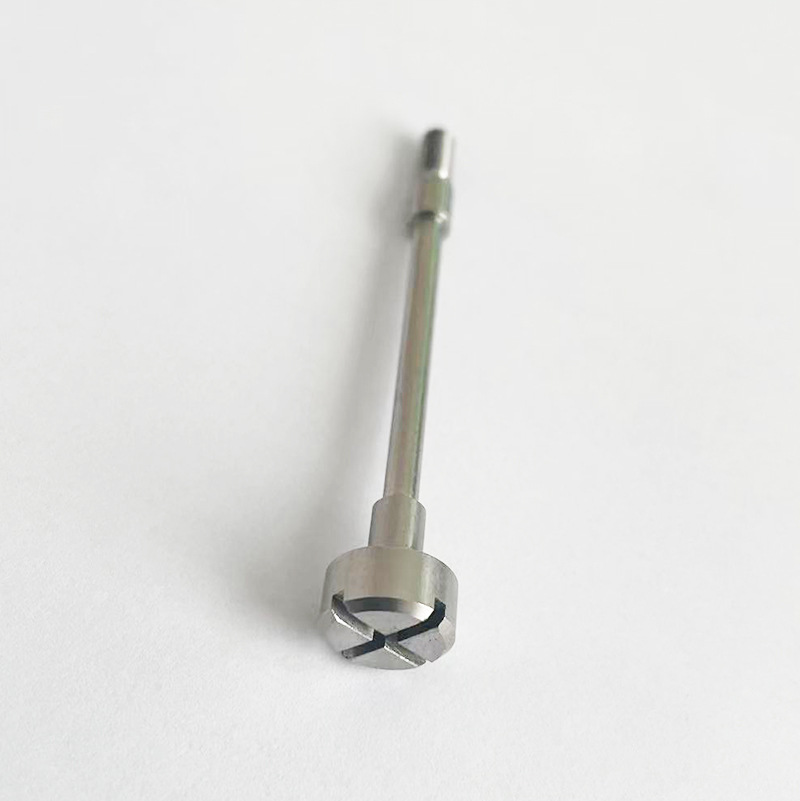
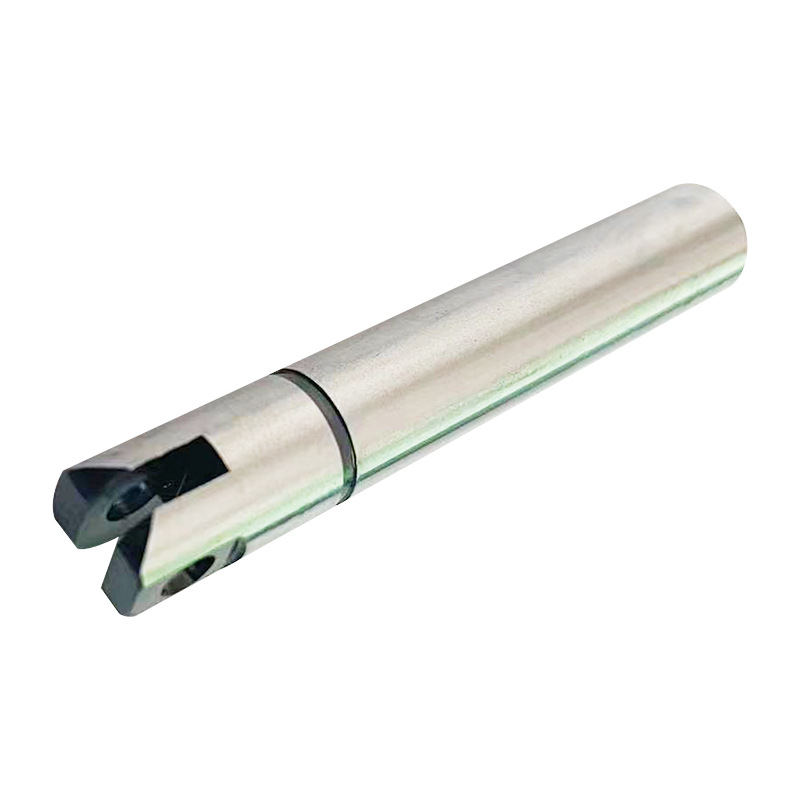
Understanding stainless steel machining parts is essential. Choosing the right stainless steel grade for machined parts means matching machinability, corrosion resistance, and cost to your part’s actual working environment, not defaulting to the most popular alloy. 304 suits general-purpose precision parts at a budget-friendly cost, 316L handles corrosive or medical/marine environments at a premium, and 430 machines fast and cheap for non-critical, low-corrosion applications. The right choice balances how easily the alloy cuts (affecting tool wear and cycle time), how it performs in service, and what the part’s tolerance and certification requirements demand.
Identify What Your Stainless Steel Machining Parts Actually Need
Before any cutter touches stock, define four variables: corrosion exposure, mechanical load and temperature, tolerance tightness, and budget tier, grade selection follows from these, not the other way around.
Skipping this step costs money in one of two directions. Specify 316L by default and you pay a premium for molybdenum-enhanced corrosion resistance your part will never need in a dry, indoor enclosure. Specify 304 or 430 to save on raw material and ship a bracket into a saline or chemical-wash environment, and you risk pitting or crevice corrosion in service, a failure mode that costs far more in warranty claims and recalls than the material upgrade would have cost upfront. Neither mistake is a machining problem. Both are requirements-gathering problems that show up as machining costs later.
The four variables interact. A part under constant mechanical load and improved temperature needs a grade with proven strength retention, not just surface corrosion resistance. A part with tolerances held to a few microns needs a grade that holds dimensional stability through the cut, not just one rated for the right environment. Stainless steel machining parts destined for high-volume production runs also need to factor in cycle time and tool wear, since those costs compound across thousands of units.
Grade families matter here, too, and this previews the mechanical comparison in the next section. Austenitic grades like 304 and 316L are non-magnetic, work-harden under the tool, and demand different cutting strategies than ferritic grades like 430, which machine faster and cheaper but trade away some corrosion performance and strength. Knowing which family you’re in before you spec a grade saves a redesign later.
Industry context usually narrows the shortlist fast. Medical and food-processing applications gravitate toward 316L for its chloride and sanitation resistance; marine and chemical-processing environments follow the same logic; automotive and general industrial parts often perform fine on 304 or 430 at a lower cost tier. Start with where the part lives and works, and the grade decision gets much easier.
Compare Machinability Across Stainless Steel Grades
304 machines well for most general applications, 316L cuts slower and wears tools faster because of its molybdenum content, and 430 machines fastest of the three thanks to low work-hardening.
Machinability in stainless steel comes down to four interacting factors: work-hardening tendency, chip formation, thermal conductivity, and alloy content. Austenitic grades like 304 and 316L work-harden as the cutting tool deforms the surface layer ahead of the edge, so a tool that hesitates or rubs instead of cutting cleanly creates a harder skin that the next pass has to fight through. Low thermal conductivity compounds this, heat stays concentrated at the cutting edge instead of dissipating into the chip, accelerating tool wear and shortening insert life. Chip formation matters too: stringy, continuous chips common in austenitic grades can wrap around tooling and mar surface finish if evacuation isn’t managed with the right geometry and coolant pressure.
Why Do Some Grades Machine Better Than Others?
Alloy composition sets the baseline difficulty before a single cut is made. 304 offers a reasonable balance of chromium and nickel that keeps work-hardening moderate, making it the default choice for stainless steel machining parts without extreme corrosion demands. 316L adds molybdenum for better resistance to chlorides and pitting, but that same molybdenum increases abrasiveness and raises cutting temperatures, which translates to slower feeds, more frequent tool changes, and longer cycle times. 430, a ferritic grade without the nickel-driven work-hardening of its austenitic cousins, cuts the fastest and tends to produce more predictable chip control, though it sacrifices some corrosion resistance and formability in the trade. Duplex stainless steels and high-nickel austenitic alloys sit above all three in difficulty, their mixed microstructure or improved nickel content increases strength and work-hardening well beyond 316L, demanding lower speeds, rigid setups, and more conservative tooling strategies.
Can Stainless Steel Be Machined Reliably for Tight Tolerances?
Yes, stainless steel holds tight tolerances consistently when speeds, feeds, tooling, and coolant strategy are matched to the specific grade’s cutting behavior. The variable isn’t the material’s capability, it’s process control. Sharp, wear-resistant tooling combined with adequate coolant flow prevents the heat buildup that causes dimensional drift mid-run, and conservative depth-of-cut settings avoid work-hardening the surface before the finishing pass. This is where production discipline matters more than raw material choice. MFG SOLUTION manufactures stainless steel components up to 38mm in diameter using CNC turning, Swiss lathe machining, and CNC mill & turn operations under ISO 9001:2015 and IATF 16949 process controls, so tolerance consistency carries through every batch rather than varying run to run.
On the direct question, 304 is more machinable than 316L in virtually every cutting metric: faster cycle times, longer tool life, lower per-part cost. The extra cost and slower cycles of 316L are justified when the application faces chloride exposure, sustained moisture, or regulatory requirements common in medical and marine environments, where 316L’s superior corrosion resistance offsets the added machining expense over the part’s service life.
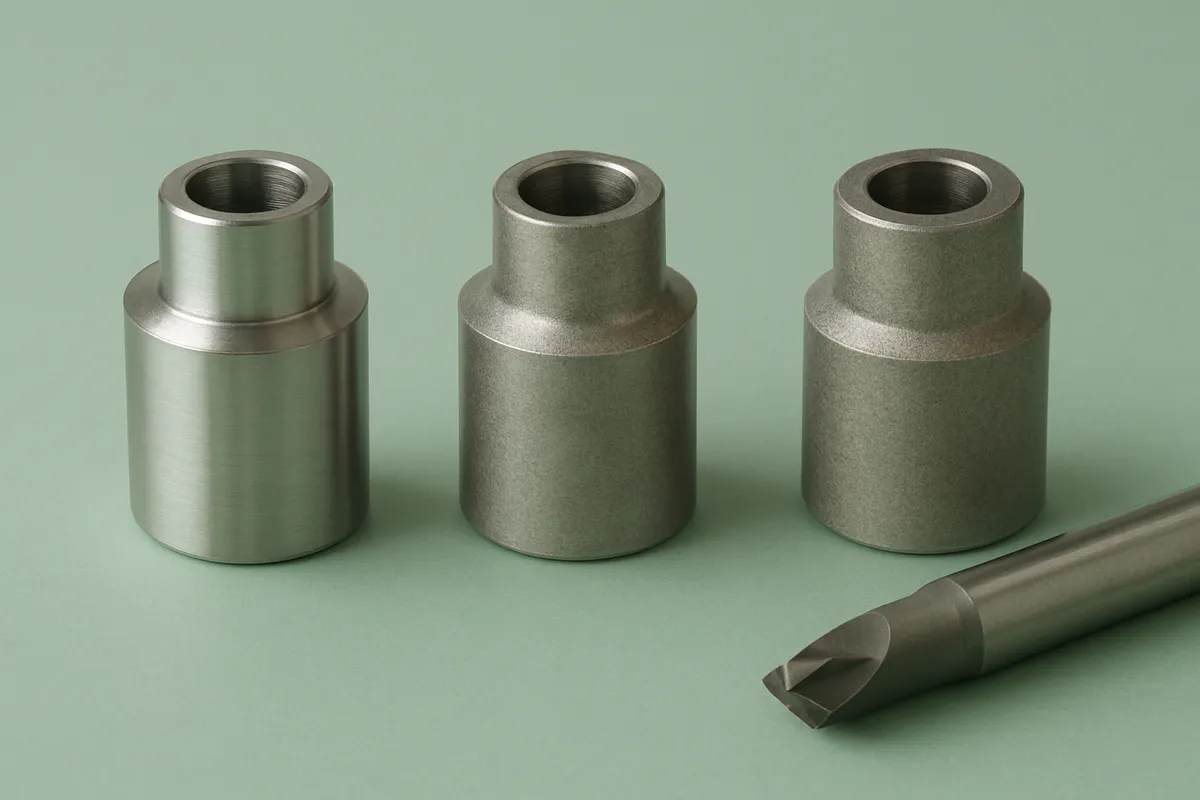
Weigh Cost, Lead Time, and Sourcing Against Performance Needs
True part cost for stainless steel machining parts depends on material tier, machining time, and tool wear together, not on raw material price per pound alone.
How Material Cost, Lead Time, and Complexity Affect Total Part Cost
Raw bar stock price is the easiest number to find and the least reliable one for budgeting. A 316L blank may cost more per kilogram than 430, but the bigger cost driver is often what happens on the machine: 316L work-hardens quickly, which forces slower spindle speeds, more frequent tool changes, and lower feed rates than a free-machining grade like 303. Each of those adjustments adds minutes per part, and minutes per part scale directly into labor and overhead across a production run.
Tool wear compounds the problem. Austenitic grades generate built-up edge and abrasive chip contact that shortens insert life compared to ferritic or martensitic stainless. A shop quoting purely on material cost will underbid the job and then either eat the loss on tooling replacement or pass it back to you as a change order. Ask any supplier to break out material, cycle time, and tooling consumption separately, a single blended number hides which grade decision is actually driving your price.
Lead Time Scales with Machinability and Tolerance, Not Just Order Size
Harder-to-machine grades and tighter tolerances extend cycle time and push jobs further out on a shop’s schedule. A 304 part at ±0.005 in. runs faster and more predictably than a 316L part held to ±0.001 in., because the latter needs slower cuts, more in-process inspection, and sometimes a second finishing pass. Complex geometries, thin walls, deep bores, fine threads, add setup time on top of material-driven slowdowns, and that setup time is what typically pushes delivery from days to weeks at shops without dedicated capacity for small precision parts.
Is Outsourcing or In-House Machining the Better Fit?
Outsourcing usually wins on total cost when your volumes don’t justify dedicated tooling, fixturing, and the in-house expertise needed to avoid scrap on an unfamiliar grade. Buying a Swiss lathe or cold-forging setup is a long-term capital commitment, and a first run on an unfamiliar stainless grade is where inexperienced setups generate the most rework. A specialized machining partner has already paid down that learning curve across many customers, which shows up as fewer rejected parts and a faster path from drawing to shipped batch.
MFG SOLUTION’s model reflects that logic directly: quotes within 8 hours and shipment within 3 days for parts up to 38mm in diameter, produced under ISO 9001:2015, ISO 13485:2016, and IATF 16949 process control. That turnaround compresses a sourcing cycle that otherwise stretches into weeks once you account for in-house tooling setup and trial runs.
When Premium Grades Pay for Themselves
A higher material tier earns its premium when it reduces field failures, extends service life, or avoids a recall in a regulated industry. A medical implant component or an automotive fuel-system fitting that fails in service costs far more than the delta between 304 and 316L stock. Treat grade selection as a lifecycle decision, not a line-item material cost.
Select the Grade That Matches Your Application and Environment
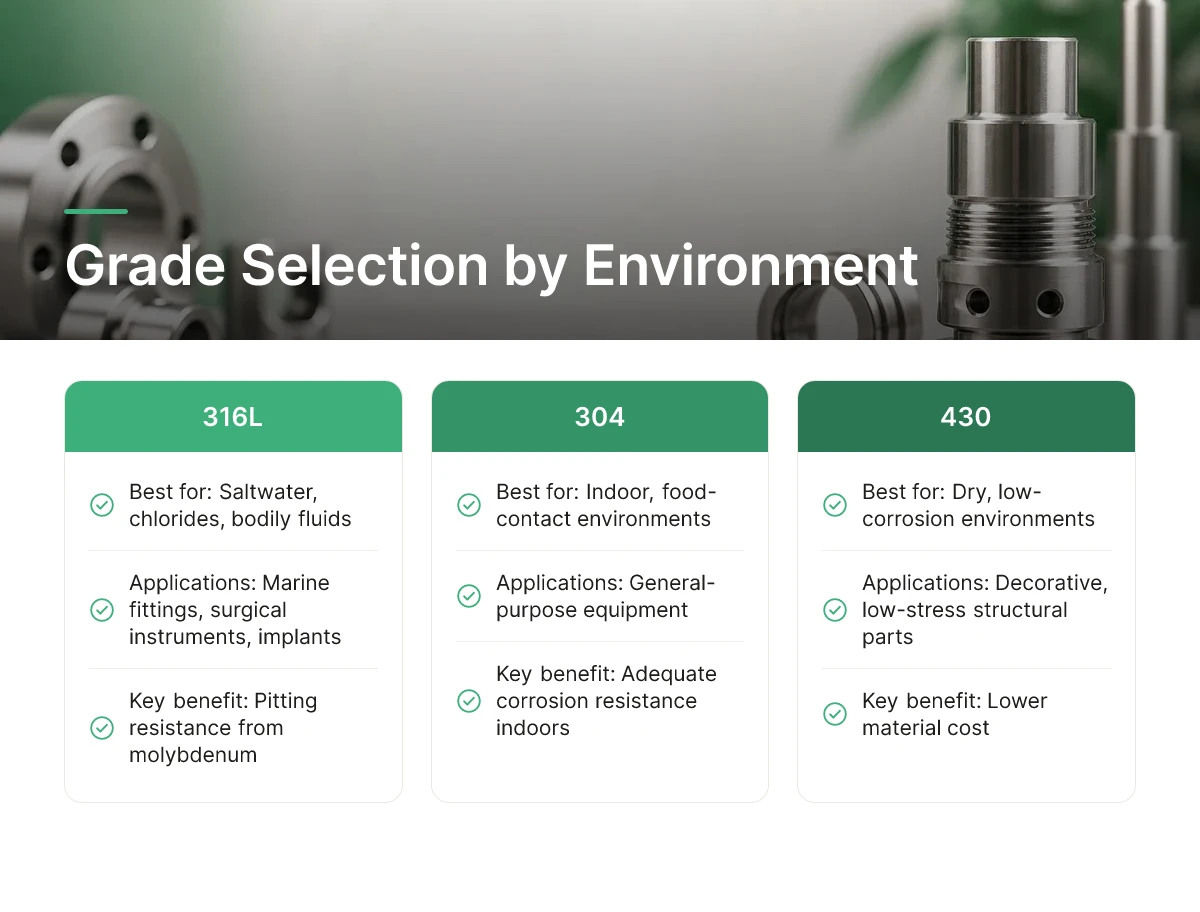
Match the grade to where the part will live and what it will touch: 316L for chloride and bodily-fluid exposure, 304 for general indoor or food-contact equipment, 430 for decorative or low-stress structural parts.
Which Grade Suits Corrosive or High-Temperature Environments?
Choose 316L when the part faces saltwater, chlorides, or bodily fluids, marine fittings, surgical instruments, and implantable components all rely on the molybdenum content in 316L for pitting resistance that 304 cannot match. Choose 304 for general-purpose stainless steel machining parts that sit indoors or touch food but don’t face aggressive chemical exposure, think fittings, brackets, and food processing equipment housings. Choose 430 when the application calls for a decorative finish or mild corrosion resistance at a lower cost, such as trim, appliance panels, or low-stress structural brackets, since this ferritic grade trades some corrosion performance for better pricing.
No single grade wins on every axis, and that’s the real decision you’re making. Austenitic grades like 316L and 304 machine with more effort, built-up edge and work hardening slow cycle times and increase tool wear, while 430 cuts faster and cheaper but gives up corrosion margin and strength at improved temperatures. Chemical resistance, machinability, and cost pull against each other: pushing corrosion resistance up with higher chromium or added molybdenum typically raises material cost and slows machining, while optimizing for machinability (free-machining grades with added sulfur) can reduce corrosion resistance or weldability. The right call depends on which constraint actually matters for the part, a bracket inside a dry enclosure doesn’t need 316L, and a surgical instrument can’t settle for 430.
What Certifications Should You Verify Before Sourcing?
Verify that your supplier’s quality system and the specific certifications match your industry before you commit to a production run, not after parts arrive. ISO 9001:2015 should back any supplier’s general quality management system; ISO 13485:2016 is the standard to require for medical device components; AS9100 applies if the part is going into an aerospace assembly. MFG SOLUTION manufactures stainless steel machining parts under ISO 9001:2015, ISO 13485:2016, and IATF 16949 certification, covering general industrial, medical, and automotive quality requirements under one process-controlled operation.
Beyond the facility certification, ask for material traceability: a mill certificate confirming the actual chemical composition and mechanical properties of the batch used for your parts, not just the nominal grade spec. This matters because mill variance within a grade’s tolerance band can still shift machinability or corrosion performance slightly.
Request three checkpoints from any supplier before parts ship: a dimensional inspection report tied to your drawing tolerances, the material certification for the specific batch, and a first-article inspection on the initial run before full production proceeds. These three documents together confirm the part was made from the grade you specified, to the dimensions you specified, and that the process is repeatable before you commit to volume.
Common Mistakes to Avoid When Choosing a Stainless Steel Grade
Most grade-selection errors in stainless steel machining parts come from habit, missing paperwork, or treating the material choice as separate from the part design, all four are preventable with a spec review before quoting.
1. Defaulting to 304 or 316L without checking cheaper alternatives
304 and 316L are the grades engineers reach for first because they are familiar and widely stocked. But if the part sits in a dry, low-corrosion environment, 430 often delivers adequate resistance at a lower material cost. Specifying 316L for a bracket that will never see moisture or chemicals adds cost with no functional benefit.
2. Ignoring work-hardening behavior on tight-tolerance parts
Austenitic grades like 304 and 316L work-harden quickly during cutting, which accelerates tool wear and can shift dimensions mid-run if feeds and speeds aren’t adjusted for it. A shop that doesn’t plan for this discovers the problem halfway through a batch, when parts start drifting out of tolerance. This is a machining-process risk as much as a material one, and it should be flagged during quoting, not after the first rejected lot.
3. Skipping material certifications and traceability until late
Medical and automotive projects almost always require certified material composition and lot traceability, and requesting these after production starts creates delays that are hard to recover from. Build certification requirements into the initial RFQ, especially for parts going into ISO 13485 or IATF 16949-regulated supply chains. A supplier working under those certifications should be able to provide documentation as part of standard process control, not as a special request.
4. Treating grade selection as a material decision only
Grade choice affects wall thickness limits, achievable feature geometry, and how the part gets held during machining, it is a design decision, not just a materials one. A harder, work-hardening grade may force thicker walls or different fixturing than a free-machining grade like 416 would allow for the same geometry. Reviewing grade and design together, before the drawing is finalized, avoids rework once parts are in production.
Running these four checks against your spec before it goes out for quote catches most of the errors that turn into cost overruns or compliance gaps later. MFG SOLUTION reviews grade and geometry together during the 8-hour quoting process, flagging mismatches between material choice and machinability before production starts on parts up to 38mm in diameter.
Frequently Asked Questions
Is 304 or 316 stainless steel more machinable?
304 machines slightly easier than 316 and typically costs less for equivalent part geometry. The difference comes down to molybdenum: 316 adds 2-3% for better corrosion resistance against chlorides and acids, but that same alloying content increases tool wear and cutting forces. Choose 304 for general-purpose parts and reserve 316L for marine, chemical, or implant-grade applications where the added resistance justifies the premium.
What is the hardest stainless steel grade to machine?
Martensitic and precipitation-hardening grades like 440C and 17-4PH are the hardest to machine due to high hardness and strength after heat treatment. Austenitic grades such as 304 and 316L work-harden quickly under cutting pressure, which also complicates machining but through built-up edge and tool wear rather than raw hardness. Both demand slower speeds, sharp tooling, and rigid setups.
What’s the ROI of outsourcing stainless steel machining versus doing it in-house?
Outsourcing typically pays off when volumes fluctuate or tolerances are tight, since it avoids capital investment in equipment, tooling, and specialized labor. In-house machining can make sense for very high, stable volumes where a shop already owns the right machines. For most mid-market manufacturers sourcing parts under 38mm with certification requirements, a qualified contract partner reduces lead time and quality risk without the fixed overhead of running a shop.
Do machined stainless steel parts need FDA compliance?
Stainless steel parts need FDA compliance only when used in regulated medical devices or food-contact equipment, not for general industrial applications. Medical components typically also require manufacturing under ISO 13485:2016, which governs the quality management system rather than the material itself. Confirm requirements with your device classification before specifying a grade or supplier.
Conclusion
Grade selection drives everything downstream: 304 for general-purpose parts, 316L where corrosion resistance against chemicals or chlorides matters, 430 for cost-sensitive magnetic applications, and 17-4PH or 440C only when hardness requirements justify the added machining difficulty. Match the grade to the operating environment first, then let machinability and cost refine the decision.
Once you’ve narrowed your grade, the next step is practical: submit your part specifications to MFG SOLUTION for an 8-hour quote and confirm whether your application needs ISO 13485:2016 or IATF 16949 process documentation before production starts.
Recommended Articles
Explore more from our content library: