
2026-10-10
7 Mistakes That Delay Medical Device Manufacturing Launches
Medical device manufacturing launches most often slip because of mistakes made upstream of the production floor: picking a machining partner without verified quality systems, underestimating documentation and traceability demands, or treating prototyping and production as separate problems. Each delay compounds, a missed ISO 13485 requirement discovered late can add months to vendor qualification alone. Avoiding these seven mistakes keeps precision machining aligned with FDA-facing timelines instead of working against them. These are among the most common and costly missteps in medical device manufacturing today, and recognizing them early is often the difference between an on-time launch and a stalled program [source].

1. Choosing a Machining Partner Without Medical Device Manufacturing Experience
Picking a supplier on price or general CNC capability alone, instead of proven medical device manufacturing experience, is the top cause of launch delays.
A general-purpose machine shop can hold tight dimensional tolerances and still fail a medical program. What it often lacks is familiarity with biocompatible materials like titanium and PEEK, device-specific tolerance stacking, and the documentation trail auditors expect to see alongside the physical part. Precision machining plays an outsized role in medical device manufacturing precisely because tolerance, material behavior, and traceability all have to hold together at once [source].
That gap rarely shows up at quoting time, it surfaces later, during a customer audit or first-article inspection, when a shop can’t produce the process validation records or material certifications a reviewer asks for. By then, the program has already lost weeks reworking paperwork or requalifying a new supplier.
This matters most for startups and OEMs vetting a first-time supplier for a new device program, where there’s no track record to fall back on. A structured qualification process for a CNC machine shop is one of the most reliable ways to confirm readiness before committing to a medical device manufacturing program [source].
The clearest way to separate experienced partners from medical-adjacent ones: ask directly whether the shop has produced parts that shipped inside an FDA-cleared device, not just parts machined from similar materials for other industries. MFG SOLUTION manufactures to ISO 13485:2016 alongside ISO 9001:2015 and IATF 16949, with full process control documented at every step.
Common signs a shop lacks genuine medical device manufacturing experience include:
- No examples of parts that shipped inside an FDA-cleared or CE-marked device
- Unfamiliarity with biocompatible materials such as titanium, PEEK, or medical-grade stainless alloys
- No documented process validation or first-article inspection history available on request
- Certification limited to ISO 9001 with no ISO 13485 scope
- No clear answer on how lot traceability is captured and retained
2. Skipping ISO 13485 Verification Before Committing to a Supplier
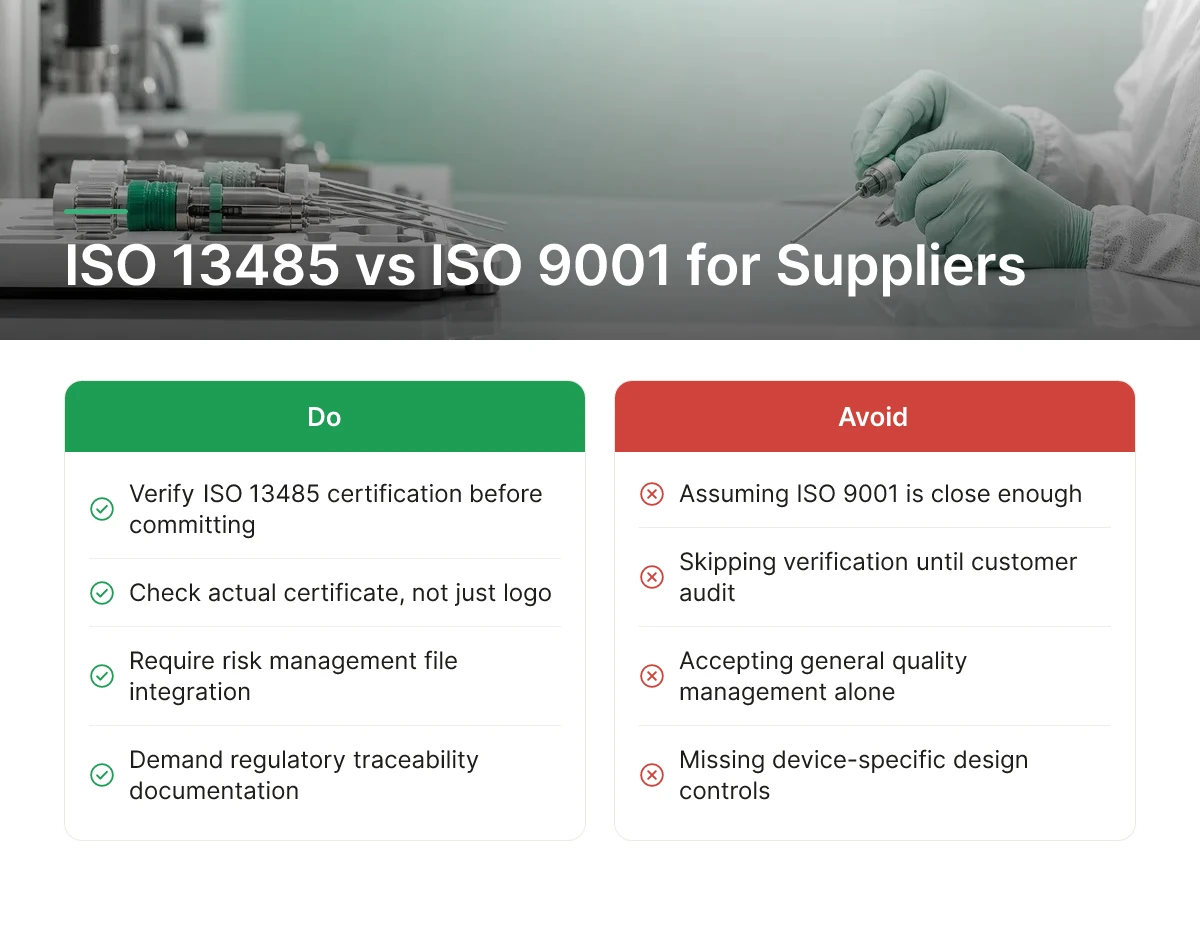
Assuming ISO 9001 is close enough to ISO 13485 leaves compliance gaps that only surface once a customer audit is already underway.
ISO 9001 covers general quality management, but it doesn’t require risk management file integration, device-specific design controls, or the regulatory traceability that medical device manufacturing demands. A supplier certified only to ISO 9001 can build a well-made part and still fail to produce the risk documentation a notified body or FDA auditor expects to trace back to that part.
Verifying the certification properly means more than spotting a logo on a supplier’s website. Pull the actual certificate, check the issuing body, confirm it hasn’t lapsed, and read the scope statement line by line.
What are the key steps to achieve and sustain ISO 13485 certification?
Sustaining ISO 13485 requires a documented quality management system, defined design and development controls, supplier evaluation procedures, and regular internal and third-party audits to keep the certificate active year over year.
This step is essential for OEMs auditing potential suppliers before contract award, where a certification gap discovered late can force a re-sourcing decision mid-program.
The detail most buyers skip: scope language matters as much as the certification itself. A certificate covering “machining of metal components” at one site doesn’t automatically cover polymer parts or a second facility, read what’s actually included before assuming coverage.
3. Underestimating Documentation and Lot Traceability Requirements
Treating paperwork as a late-stage task instead of building traceability into the first production batch routinely stalls medical device launches.
In plain terms, this means material certifications showing the exact alloy and heat lot used, lot traceability linking every finished part back to its raw material batch, and device history records documenting each step of production. These aren’t optional add-ons, they’re what lets a manufacturer prove, after the fact, exactly what went into a given part. This level of documentation discipline is part of what distinguishes dedicated medical device manufacturing from general-purpose precision work [source].
How do you manage material certifications and lot traceability for medical device parts?
Traceability works by assigning a lot number at material receipt and carrying it through every operation, inspection, and shipment record, so any single part can be traced back to its source material and process history.
Skip this and the failure mode is blunt: a single untraceable lot discovered during final inspection can force rejection of an entire batch, often after the parts are already machined, cleaned, and packaged, late enough that it blows a launch date.
This hits hardest for companies moving from prototype to production volumes, where batch sizes and paperwork volume grow faster than manual systems can track.
Digital record-keeping systems cut the transcription and matching errors that paper travelers introduce, since lot data gets captured once and carried through electronically rather than re-copied at each station.
4. Picking the Wrong Production Process for the Part’s Stage and Volume
Defaulting to one manufacturing method across prototyping and production, instead of matching process to volume and geometry, adds cost and risk at the wrong stage.
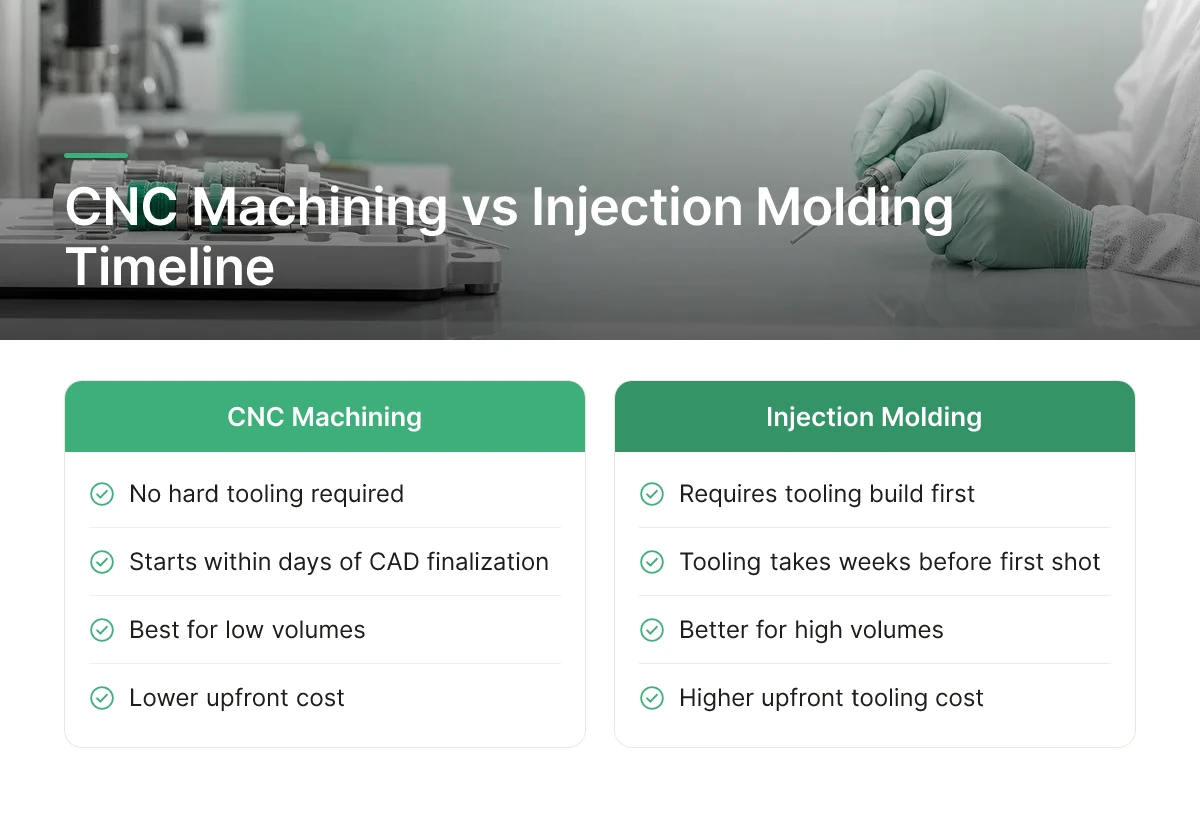
What are the cost and timeline tradeoffs between these manufacturing processes for medical parts?
CNC machining needs no hard tooling, so it can start cutting parts within days of a finalized CAD file, while injection molding requires tooling that takes weeks to build before the first shot. 3D printing skips tooling entirely and suits single-digit quantities, but surface finish and material options are usually more limited. At low volumes, CNC machining’s per-unit cost stays reasonable because there’s no tooling investment to amortize; at high volumes, molding typically wins on unit economics once tooling is paid off.
When is CNC machining is the right choice versus other production methods?
CNC machining fits best at low-to-mid volumes, where tolerances are tight and the design is still likely to change. Medical programs often run several design revisions between first prototype and design freeze, and machining lets engineers adjust a CAM program without touching a mold.
This decision matters most for teams mapping out how parts get produced across the design-freeze-to-launch timeline, where the wrong call early on compounds into delays later.
The detail teams miss: switching processes between prototype and production, say, from machining to molding, without re-validating tolerances and material behavior is a hidden source of launch delay, since a molded part rarely holds dimensions identically to its machined counterpart.
A quick way to frame the choice by production stage:
- Early prototyping: CNC machining or 3D printing, no tooling required, fastest turnaround on design changes
- Design iteration / pilot runs: CNC machining, tolerances stay tight while the design is still moving
- Low-to-mid volume production: CNC machining typically remains cost-effective without a tooling investment
- High-volume production: Injection molding, once tooling cost is amortized across volume
5. Starting Vendor Qualification Too Late in the Program
Treating supplier qualification as a procurement checkbox near launch, rather than a parallel-track activity, creates a bottleneck that calendar time alone can’t fix.
What audits and certifications do medical device manufacturers require from their suppliers?
A real qualification process includes a quality system audit against ISO 13485, process validation runs to confirm the supplier can hold tolerance repeatedly, sample approval against drawings and specifications, and an ongoing performance review once production starts.
How long does it typically take to become a qualified vendor for a medical device OEM?
Timelines vary by program complexity, but audits, corrective action cycles, and sample approval rounds all take real calendar time that can’t be compressed by adding staff or rushing paperwork. A failed first-article inspection can add another full review cycle before approval.
This is most relevant for program managers planning supplier onboarding timelines, who need qualification finished before production volumes are due, not after.
The fix most programs miss: run vendor qualification in parallel with design verification instead of waiting for design freeze. Starting the quality audit and sample approval process while the design is still being finalized means the supplier is ready the moment the design locks, rather than starting the clock at that point.
6. Treating Prototyping and Production as Disconnected Phases
Splitting prototyping and production across different suppliers forces device makers to re-qualify tolerances and fixturing twice, adding months to launch timelines.
Rapid prototyping for a device component depends on three things: quick turnaround on design changes, fast quoting so an iteration doesn’t sit in a queue, and early feedback on manufacturability before a design locks. When those prototype parts come from a shop with no path to volume production, every design tweak means a new vendor conversation, a new tolerance study, and a new fixture validation, even if the part geometry barely changed.
Using one partner, or at minimum one set of process assumptions, from first article through production volume removes that re-validation step entirely. The same machining process, the same inspection method, and the same material certification carry forward instead of resetting at each phase.
This fits device makers who are still iterating on design while simultaneously mapping out scale-up, a common state for teams racing toward a regulatory submission deadline. The differentiator worth demanding: a quote turnaround measured in hours, not days. MFG SOLUTION returns quotes within 8 hours and ships within 3 days, which compresses a design-iteration loop that otherwise eats months into a matter of weeks.
7. Misjudging the Outsource-vs-In-House Tradeoff
Defaulting to either full in-house machining or full outsourcing without weighing capital cost and compliance overhead against speed usually costs more than a mixed approach.
What ROI and risk factors should guide the outsourcing decision for medical device components?
Bringing machining in-house means buying capital equipment, hiring operators, and standing up and maintaining an ISO 13485-compliant quality system, a fixed cost regardless of volume. Outsourcing shifts that burden to a partner but introduces a different risk: dependency on a supplier’s own quality system, capacity, and vetting rigor. Neither choice is automatically correct, and the decision hinges on expected volume, part complexity, and how much capital the program can tie up before revenue arrives.
This question matters most for companies scaling past prototype volumes and reassessing manufacturing strategy for the first time, the point where per-part cost assumptions from low-volume prototyping stop holding up.
The tradeoff most teams miss is the hybrid option: outsourcing complex or low-volume components to a certified partner while keeping high-volume core parts in-house once capital investment pays off. A supplier certified to ISO 9001:2015, ISO 13485:2016, and IATF 16949, with process control documented at every step, lets a device maker outsource the parts that don’t justify in-house tooling without taking on uncontrolled compliance risk. That flexibility is often the deciding factor in medical device manufacturing programs where volume is still uncertain at the design stage. Precision machined metals, including precious and specialty alloys, are increasingly central to how device makers approach this tradeoff in modern medical device manufacturing [source].
8. Letting Quoting and Margin Pressure Compromise Compliance Overhead
Pricing medical device machining like a standard industrial job ignores inspection, documentation, and certification labor, costs that surface later as corner-cutting.
What cost drivers and compliance overhead should factor into medical device quoting?
Medical device parts carry cost drivers that don’t appear on a generic CNC quote: additional in-process and final inspection steps, first-article inspection reports, material certification tracking, and the documentation labor needed to make every lot traceable back to raw material heat or batch number. Skipping these in an initial quote to win the bid looks competitive on paper.
The problem shows up later. When compliance overhead isn’t priced in upfront, a supplier under margin pressure starts trimming inspection frequency or documentation detail to protect profitability, exactly the kind of gap that surfaces as an audit finding or, worse, a field failure traced to a manufacturing defect.
This matters most for buyers and suppliers negotiating terms for ongoing production, not one-off prototype runs, where the cost pattern repeats across every batch. The fix: price compliance tasks as a visible line item, a mid-range or premium tier tied explicitly to inspection and documentation scope, rather than folding them invisibly into per-part cost where they’re the first thing cut when margins tighten.
How to Choose a Precision Machining Partner for Medical Device Manufacturing
Evaluate partners on certification scope, documented device experience, quoting speed, and willingness to support prototyping through production, in that order.
What role do small precision-machined components play in common medical device designs?
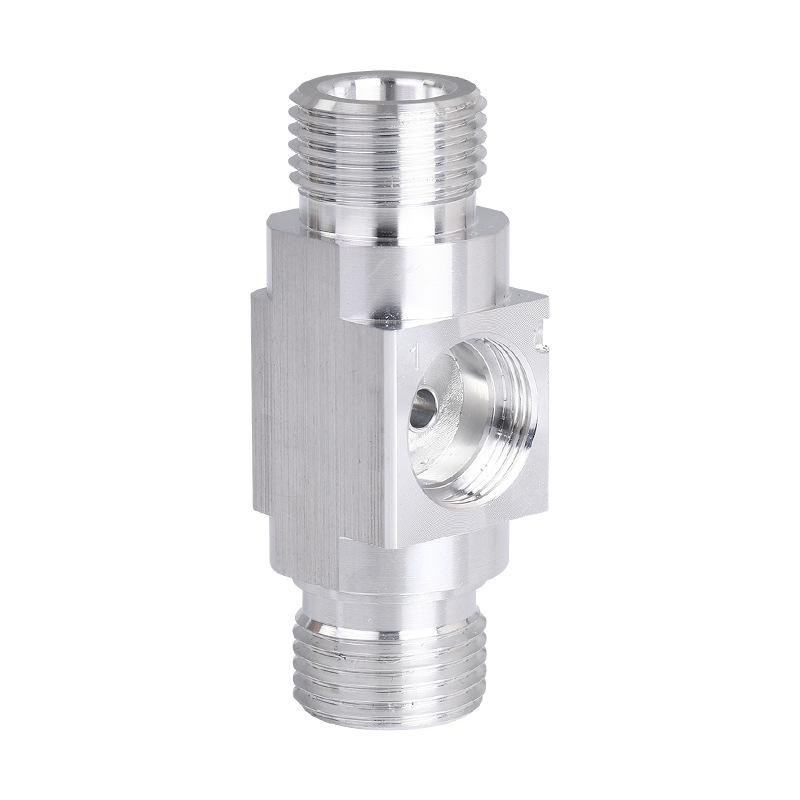
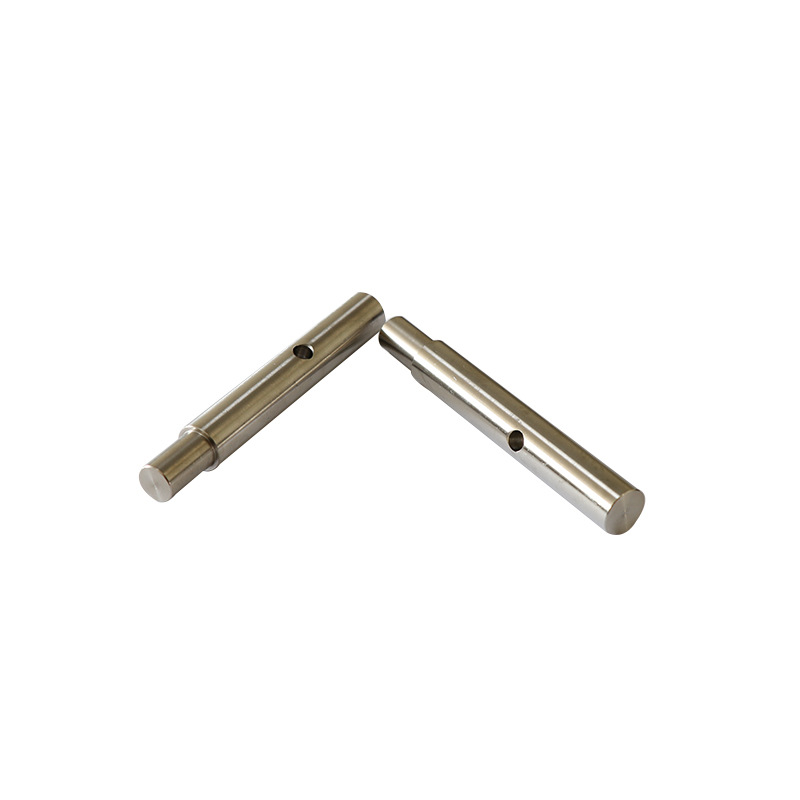
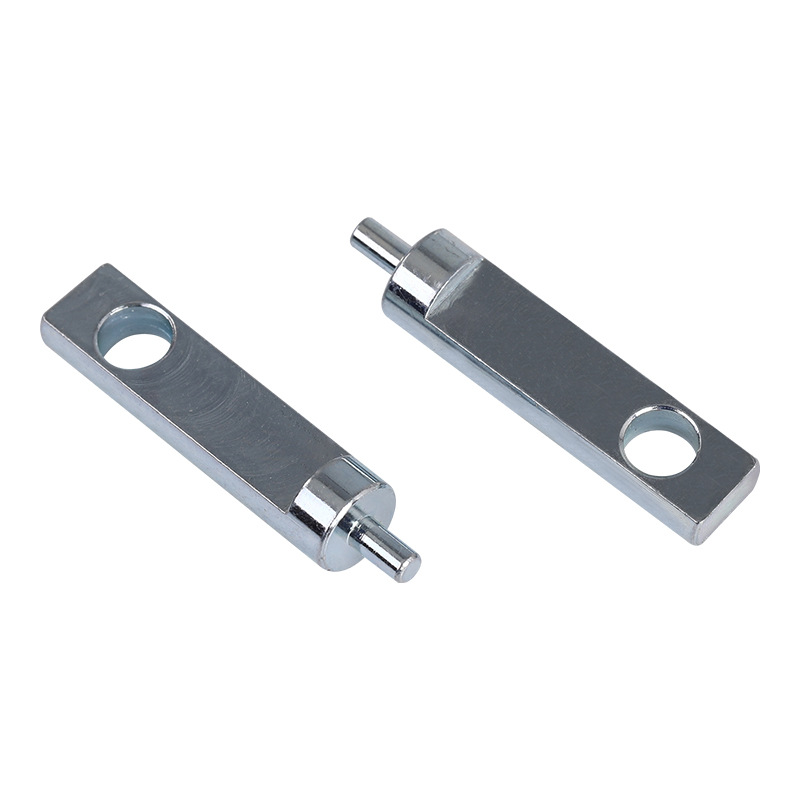
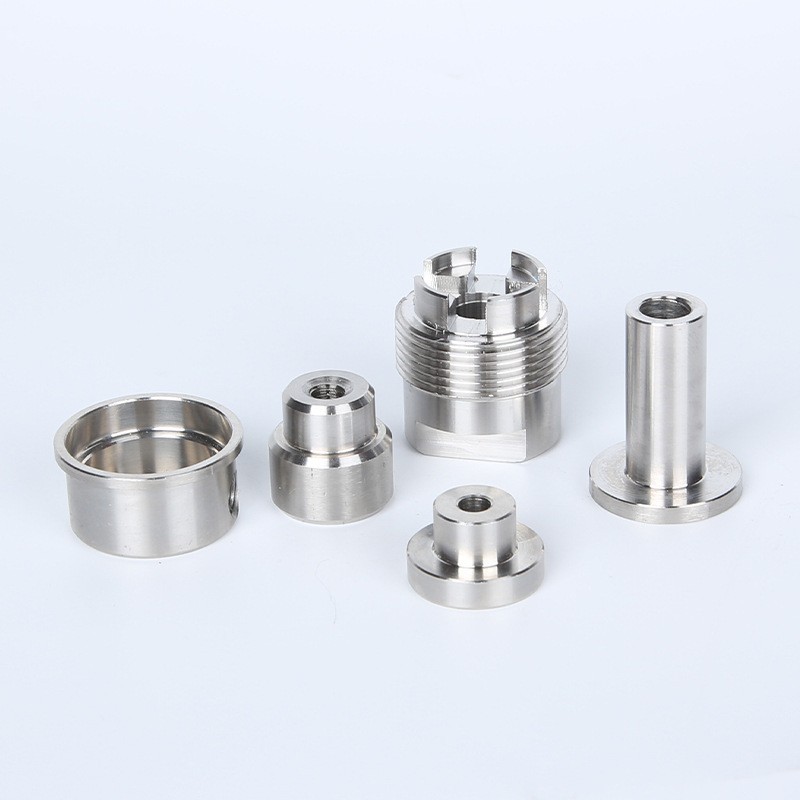
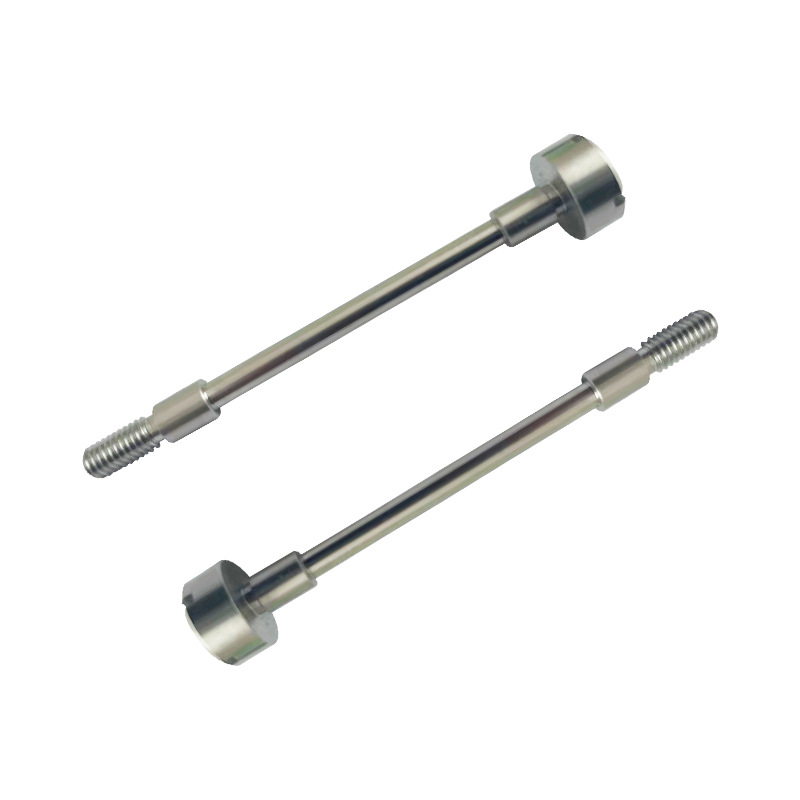
Diagnostic equipment, surgical instruments, insulin pumps, and implantable devices all depend on small machined components, housings, pins, connectors, fasteners, where a tolerance deviation of a few microns can affect fit or function. CNC-machined parts account for roughly 28% of the global medical precision parts market, the largest share of any precision component category. That scale is why tolerance control and material traceability matter more than unit price alone: a cheaper part that fails incoming inspection costs more than the savings it offered.
How do medical device manufacturers evaluate and select machining partners?
Sequence due diligence rather than jumping straight to a purchase order. Start with a certification check, confirm ISO 13485:2016 scope actually covers the part type in question, not just a blanket claim. Follow with a sample part review against your print, then an audit of the facility’s process controls, then a pilot run before committing to full production volume.
Tie this back to the mistakes above: a partner that quotes fast but can’t show device experience, or one that’s certified but can’t scale past prototype volumes, will eventually create the rework and schedule slippage those mistakes produce. Match partner capability to your program’s current stage, prototyping, pilot, or volume production, rather than picking one supplier by default and hoping they grow with you.
A practical due-diligence sequence for evaluating a medical device manufacturing partner looks like this:
- Confirm ISO 13485:2016 certification scope matches the part type and material in question
- Request a sample part review against your drawing and specifications
- Audit the facility’s process controls, inspection equipment, and calibration records
- Run a pilot batch before committing to full production volume
- Confirm the supplier’s capacity and quoting speed match your program’s timeline

Frequently Asked Questions
How does regulatory oversight differ between medical device machining and standard industrial machining work?
Medical device machining operates under design controls and quality system requirements that standard industrial work doesn’t carry. A shop producing automotive brackets needs dimensional accuracy, but a shop producing a bone screw component needs documented process validation, material traceability, and change-control records tied to the device’s regulatory file. ISO 13485:2016 formalizes these obligations; ISO 9001:2015 alone does not.
What documentation should a precision machining shop be able to produce on request for a medical device audit?
A qualified shop should produce material certifications, first-article inspection reports, process validation records, and a certificate of conformance for every batch. Auditors also expect calibration logs for measuring equipment and documented non-conformance handling. Full process control means every step, from raw material lot to final inspection, is tracked, dated, and retrievable, not reconstructed after the fact.
Can a single machining supplier support both prototype and full-scale production runs for a device program?
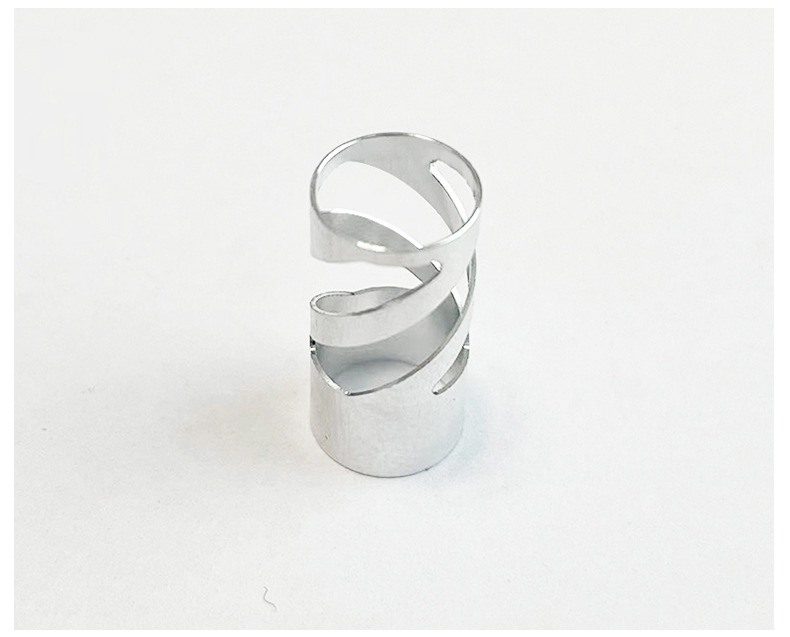
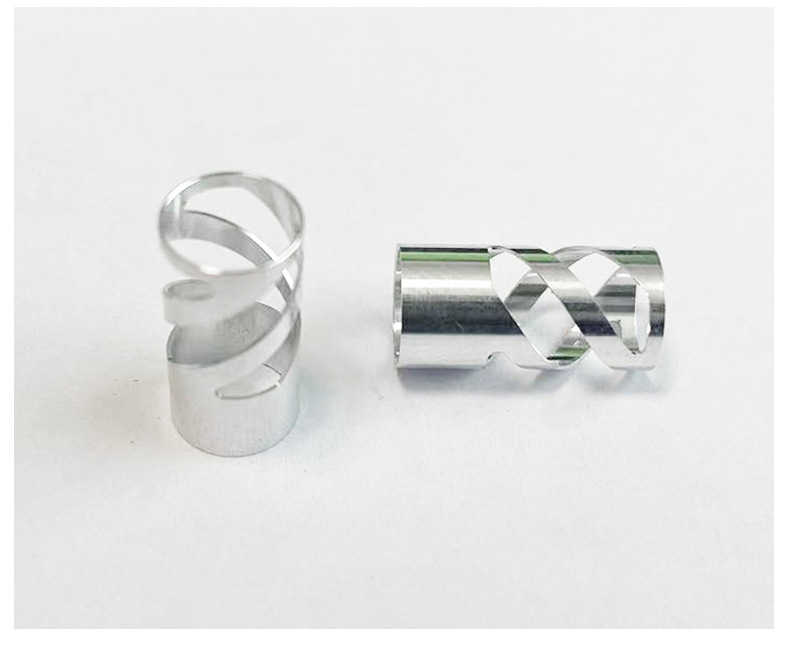
Yes, when the supplier runs multiple machining methods under one quality system rather than outsourcing between phases. MFG SOLUTION produces parts up to 38mm diameter using CNC turning, Swiss lathe, and automatic lathe processes, so a device team can move from prototype quantities to batch production without re-qualifying a new vendor.
What causes most FDA-related quality system observations in supplier audits?
Incomplete or inconsistent documentation is the most common root cause, not machining defects themselves. Recalls tied to manufacturing issues are frequent enough that supplier qualification is treated as a compliance requirement rather than a formality. Gaps usually trace back to missing traceability records, undocumented process changes, or inspection data that doesn’t match the part history file.
How early in a device program should machining vendor qualification begin?
Qualification should start during the design phase, before geometries and tolerances are finalized. Engaging a certified machining partner early lets engineers adjust designs for manufacturability while the supplier’s quality system, certifications, and capacity are still being verified, avoiding a late-stage scramble that delays launch.
Conclusion
Choosing a machining partner for a device program comes down to three things: certifications that match the regulatory file (ISO 13485:2016, not just ISO 9001:2015), documentation that’s audit-ready before it’s requested, and a supplier who can carry a part from prototype to batch production without a vendor switch. Recall rates tied to manufacturing defects make supplier qualification a compliance task, not a formality. Start vendor qualification during design, not after tooling is locked. As a next step, pull your current supplier’s last three certificates of conformance and check whether the traceability data would survive an audit request today. Getting these fundamentals right early is ultimately what separates a smooth, on-schedule medical device manufacturing launch from one that stalls out in audits and rework.
Recommended Articles
Explore more from our content library: