
2026-07-01
The Forgings Industry: A Complete 2026 Overview

| Key Insight | Explanation |
|---|---|
| Market Size (2026) | The global metal forging market is valued at approximately $93.8 billion in 2026, with a projected CAGR of 7.8% through 2033. |
| Dominant End Market | Automotive accounts for roughly 58% of global forging production, followed by aerospace, defense, and industrial machinery. |
| Core Process Types | Hot forging, cold forging, and warm forging are the three primary methods, each suited to different materials and part geometries. |
| Forging vs. Casting Advantage | Forged parts consistently outperform cast parts in tensile strength and fatigue resistance due to refined grain structure. |
| Post-Forging Machining | Most forged components require CNC machining to achieve final dimensional tolerances and surface finishes. |
| Key Quality Standards | ISO 9001:2015, IATF 16949, and AMS (Aerospace Material Specifications) govern quality in the forgings supply chain. |
The forgings industry is a foundational sector of global manufacturing, producing metal components shaped under compressive force to deliver superior mechanical strength. It serves automotive, aerospace, defense, oil and gas, and medical markets. As of 2026, the global metal forging market is valued at approximately $93.8 billion and growing fast. This article covers how the forgings industry works, who it serves, what the numbers look like, and where precision machining fits into the picture.
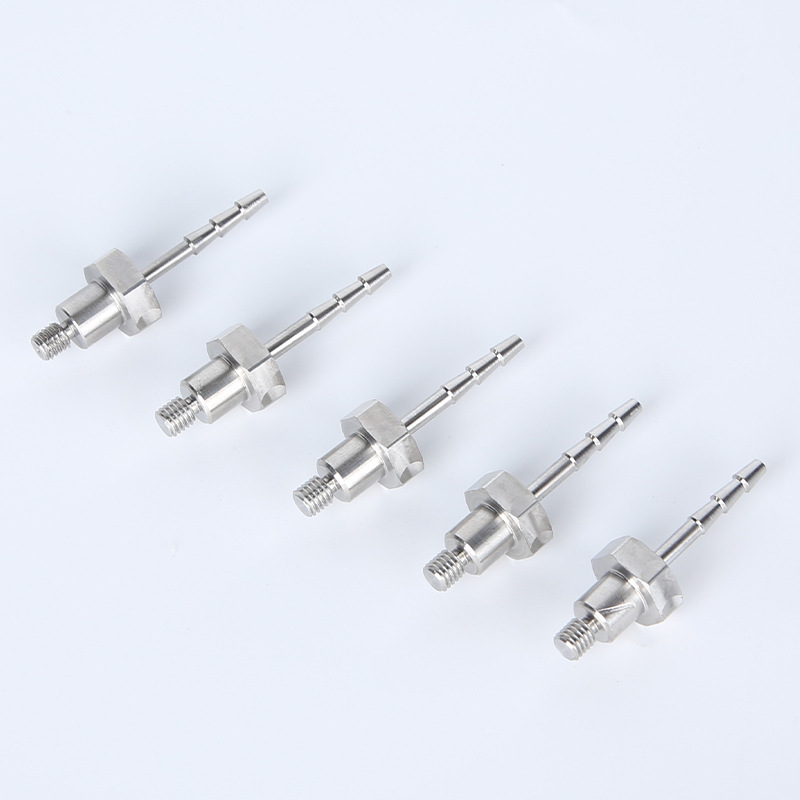
What Is the Forgings Industry?
The forgings industry comprises manufacturers that shape metal billets, bars, or blanks using compressive forces, producing parts with superior grain structure and mechanical properties compared to cast or machined-from-solid alternatives. It is a critical upstream supplier to automotive, aerospace, defense, energy, and industrial equipment sectors worldwide.
Defining Forging as a Manufacturing Process
Forging is a metalworking and manufacturing process that reshapes, deforms, and compresses metal to meet specific designs and strength requirements. The process aligns the metal’s internal grain flow along the part’s contour, which is what gives forged components their characteristic strength advantage. Unlike casting, which pours molten metal into a mold, forging works on solid metal, preserving its crystalline integrity.
The Forging Industry Association (FIA), based in Independence, Ohio, represents producers across North America and sets technical and advocacy standards for the sector. Globally, associations like the Association of Indian Forging Industry (AIFI) track production volumes and end-market trends.
Who Uses Forged Parts?
Forged components appear in virtually every industry that demands reliable, load-bearing parts:
- Automotive: Crankshafts, connecting rods, wheel hubs, steering knuckles, and transmission gears
- Aerospace: Turbine discs, airframe structural members, landing gear components
- Defense: Weapon system components, armored vehicle parts, munitions hardware
- Oil and Gas: Valve bodies, flanges, pipe fittings, drilling equipment
- Medical: Orthopedic implant components and surgical instrument housings
- Industrial Machinery: Gears, shafts, couplings, and press components
According to the AIFI, the automotive sector alone accounts for approximately 58% of total global forging production. That concentration creates both stability and vulnerability for forging producers, since automotive demand cycles directly shape industry revenue.
Pro Tip: If you’re sourcing forged blanks for small precision components, confirm that the forging supplier’s grain flow documentation aligns with your end-use structural requirements. A mismatch between grain direction and load path is a common root cause of early fatigue failure in high-cycle applications.
How Forging Works: Processes and Methods
Forging works by applying localized compressive force to a metal workpiece, either through hammering, pressing, or rolling, to reshape it into a desired geometry while improving its internal grain structure. The three primary process categories are hot forging, cold forging, and warm forging, each suited to different materials and dimensional requirements.
The Three Primary Forging Methods
Understanding the differences between forging methods matters because the choice directly affects part strength, surface finish, dimensional accuracy, and cost:
| Method | Temperature Range | Typical Materials | Key Advantage | Limitation |
|---|---|---|---|---|
| Hot Forging | Above recrystallization temp (typically 900–1,200°C for steel) | Steel, titanium, nickel alloys | Excellent ductility; complex shapes achievable | Scale formation; wider dimensional tolerances |
| Cold Forging | Room temperature | Low-carbon steel, aluminum, copper | Tight tolerances; excellent surface finish; work-hardening effect | Higher press forces required; limited to simpler geometries |
| Warm Forging | Between cold and hot (400–800°C for steel) | Alloy steels, medium-carbon steels | Balance of dimensional accuracy and formability | Requires precise temperature control; higher energy cost |
From Billet to Finished Part: The Forging Sequence
Most forging operations follow a structured sequence:
- Material selection and billet preparation: Cut bar stock or billets to the correct weight for the die cavity.
- Heating (for hot and warm forging): Heat the billet in a furnace to the target temperature range for the alloy.
- Die forging or open-die forging: Place the billet in the die set and apply force via hammer or press to fill the cavity.
- Flash trimming: Remove excess material (flash) that extrudes beyond the die parting line.
- Heat treatment: Normalize, anneal, or quench-and-temper as required by the material specification.
- Inspection: Dimensional checks, surface inspection, and non-destructive testing (NDT) where specified.
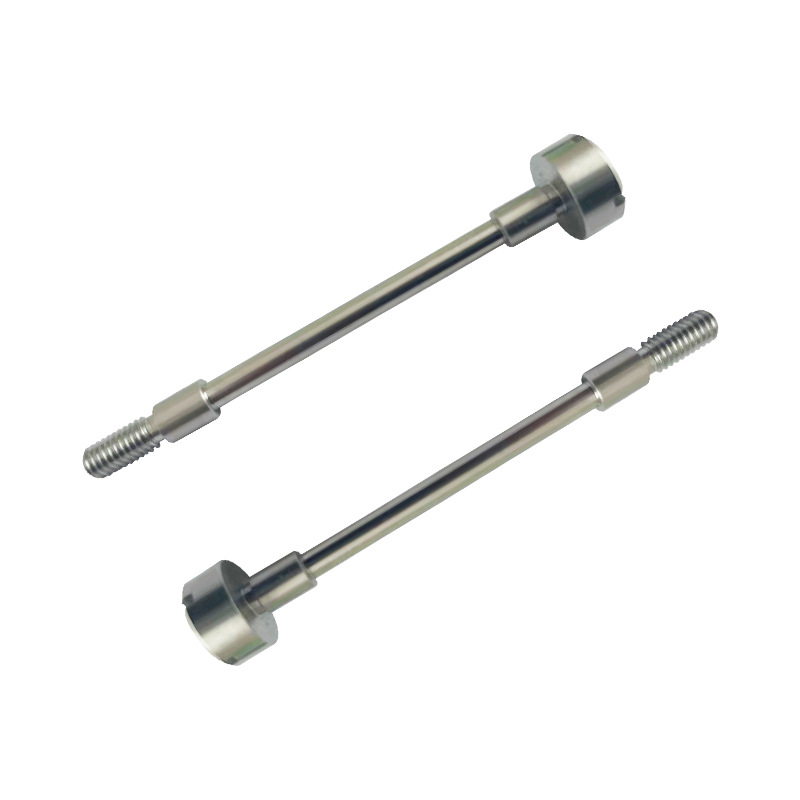
- Post-forging machining: CNC turning, milling, drilling, and threading to achieve final tolerances and features.
That last step is critical. Most forged blanks carry generous stock allowances. Achieving the final dimensional tolerances required by automotive or aerospace drawings almost always demands precision CNC machining after forging. That’s where services like CNC threading and precision hole drilling become indispensable finishing steps in the forgings supply chain.
The Forgings Industry Market in 2026
The global forgings industry market is valued at $93.8 billion in 2026 and is forecast to reach $158.8 billion by 2033, growing at a CAGR of 7.8%, driven by automotive electrification, aerospace recovery, and infrastructure investment worldwide.
Market Size and Growth Drivers
Industry analysts tracking the metal forging market point to several concurrent growth drivers as of 2026:
- Electric vehicle (EV) adoption: EVs require forged battery enclosure hardware, motor housings, and suspension components, partially offsetting reduced demand for traditional powertrain forgings like crankshafts.
- Aerospace recovery: Commercial aircraft production rates are recovering post-2020 disruption, with Boeing and Airbus ramping deliveries, which directly lifts demand for titanium and nickel-alloy forgings.
- Defense spending: Elevated global defense budgets are driving demand for armor, munitions, and weapons system forgings.
- Infrastructure investment: Heavy construction equipment, oil and gas pipelines, and renewable energy installations (wind turbine shafts, for example) all consume forged components.
- Nearshoring trends: Supply chain resilience concerns following recent disruptions have prompted some OEMs to diversify sourcing toward certified suppliers with shorter lead times and documented quality systems.
The U.S. forging industry, as documented by the DOE Office of Science, has a long history of advancing capability after each major industrial cycle. As of 2026, U.S. producers compete on quality and certification rather than unit cost, while Asian producers (particularly in China, India, and South Korea) compete on volume and price.
Regional Breakdown and Key Players
The forgings industry is geographically distributed, with production concentrated in regions that have strong automotive and industrial bases: For more information, see ttg media the industry needs to focus on regenerative travel future of wellness trends 2021.
- Asia-Pacific: Largest production region, led by China and India, supplying high-volume automotive forgings globally
- North America: Strong in aerospace, defense, and oil and gas forgings; represented by the Forging Industry Association
- Europe: Germany and France lead in precision automotive and aerospace forgings, with strict EN and DIN material specifications
- India: Rapidly growing, with the AIFI reporting significant capacity expansion in automotive and industrial segments
Industry analysts suggest that suppliers who combine forging capability with certified post-forging machining hold a structural cost and lead-time advantage, since customers can consolidate vendors and reduce inter-supplier logistics. This is exactly the kind of integration that procurement managers at automotive Tier-1 suppliers are actively seeking as of 2026.
Pro Tip: When evaluating forging suppliers for precision small parts, ask for PPAP (Production Part Approval Process) documentation upfront. PPAP compliance, required under IATF 16949, ensures that the forging process is validated and that dimensional data is traceable from billet to finished part. Suppliers who can’t provide this quickly are a supply chain risk.
It’s worth noting that broader industrial shifts also influence the forgings industry in unexpected ways. For example, sustainability-focused supply chains, similar to how ttg media the industry needs to focus on regenerative travel future of wellness trends 2021 reshaped hospitality procurement, are now prompting manufacturers to demand lower-carbon forging processes and recycled-content billets from their suppliers.
Common Challenges in the Forgings Industry
The forgings industry faces persistent challenges including raw material price volatility, energy cost exposure, die wear management, and the growing need to integrate precision post-forging machining into a compressed supply chain timeline.
Material and Energy Cost Pressures
Forging is energy-intensive, particularly hot forging operations that require sustained high-temperature furnaces. Steel and aluminum billet prices fluctuate with global commodity markets. In practice, these two cost variables can compress margins significantly when they move in the same direction simultaneously.
A common mistake forging buyers make is negotiating only on per-piece price without accounting for material surcharges. Most forging contracts include explicit surcharge clauses tied to steel or aluminum index prices. Ignoring these when building a cost model leads to budget overruns.
Dimensional Accuracy and Post-Machining Integration
Forged blanks are not finished parts. Hot forging in particular produces parts with scale, draft angles, and dimensional variation that require substantial post-processing. One pitfall to watch for: buyers who treat the forged blank as the final product and discover during assembly that critical bore diameters or thread features are missing entirely.
Precision machining tolerances required in automotive and medical applications, such as ±0.01mm on a bearing seat, are simply not achievable directly from a forging die. The forgings industry depends on downstream CNC operations to deliver functional parts. Understanding tolerance stackup across the forging-to-machining process chain is essential for reliable part design. Buyers who understand machining tolerances before finalizing forging drawings avoid costly rework cycles.
- Die wear: Impression dies degrade over production runs, causing gradual dimensional drift that must be monitored and corrected
- Flash management: Inconsistent flash trimming introduces weight and dimensional variation that affects downstream machining setups
- Heat treatment distortion: Quenching operations can introduce warpage that exceeds post-machining stock allowances
- NDT compliance: Aerospace and medical customers require ultrasonic or magnetic particle inspection, adding cost and cycle time
- Lead time compression: OEM customers increasingly expect forged and machined parts in days, not weeks, creating scheduling pressure across the supply chain
Pro Tip: Build your forging-to-machining stock allowance into the part drawing from the start. A minimum of 0.5mm per surface on cold forgings and 1.0–2.0mm per surface on hot forgings is a practical starting point. Tighter allowances reduce material cost but increase the risk of insufficient stock if the forging lands at the outer edge of its dimensional tolerance band.
Best Practices for the Forgings Industry in 2026
The most effective approach to sourcing and managing forgings in 2026 combines upfront design-for-forging (DFF) principles, certified supplier qualification, and integrated post-forging machining to compress lead times and reduce total part cost.
Design for Forging: Getting It Right Before the Die Is Cut
Design-for-forging (DFF) is a methodology that optimizes part geometry for the forging process before tooling is committed. The core principle: features that are difficult to forge (undercuts, thin walls, abrupt cross-section changes) should be relocated to the machining stage if possible.
Key DFF guidelines for small precision parts:
- Maintain generous fillet radii (minimum 1.5mm for cold forging, 3mm for hot forging) to promote die fill and reduce stress concentrations
- Add draft angles of 1–3° on hot forgings, 0.5–1° on cold forgings, to allow part ejection without die damage
- Locate parting lines to minimize flash in critical functional surfaces
- Specify stock allowances that account for worst-case dimensional variation in the forging process
- Confirm grain flow direction aligns with the primary load path in the finished assembly
Supplier Qualification and Quality System Integration
In practice, the forgings industry buyers who avoid quality escapes are those who qualify suppliers against recognized standards before placing production orders, not after a defect event.
The relevant quality frameworks for the forgings supply chain include:
- ISO 9001:2015: Baseline quality management system applicable across all forging sectors
- IATF 16949: Automotive-specific quality standard, required by most Tier-1 automotive suppliers globally
- AS9100: Aerospace quality management standard, required for aerospace forging suppliers
- ISO 13485:2016: Medical device quality management, applicable when forged components enter medical device assemblies
- AMS (Aerospace Material Specifications): Govern material chemistry, heat treatment, and testing requirements for aerospace forgings
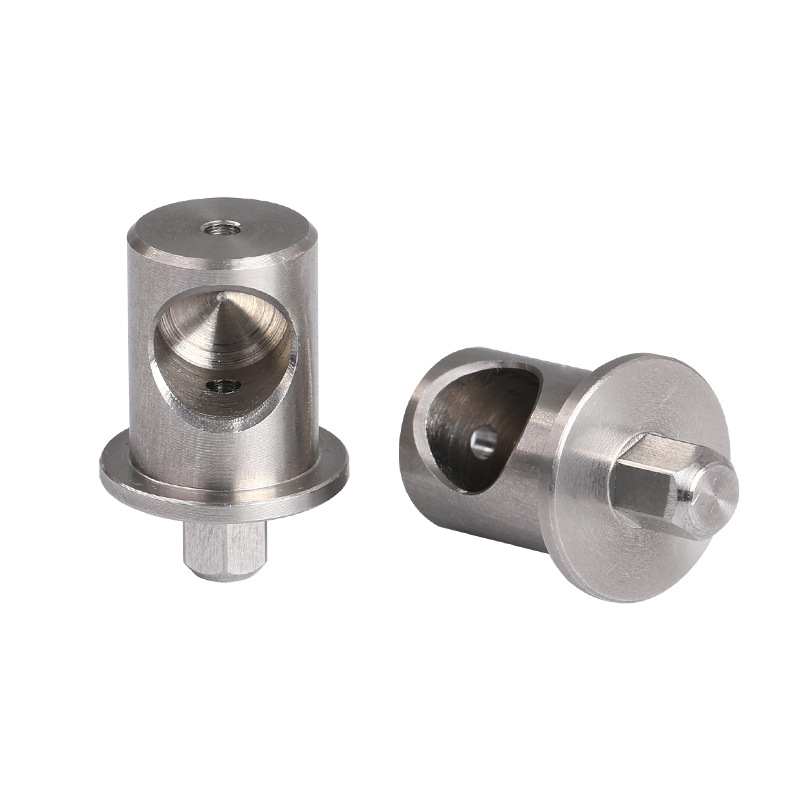
At MFG SOLUTION, we’ve found that customers who bring forged blanks to us for post-forging CNC machining get the best results when the forging supplier’s dimensional report accompanies the first article. That data lets our engineers set up machining operations with confidence, rather than discovering out-of-spec stock allowances during the first production run.
Our team holds ISO 9001:2015, ISO 13485:2016, and IATF 16949 certifications, which means we operate within the same quality framework as the automotive and medical OEMs that rely on forged and machined components. When you need forged blanks finished to tight tolerances, with quotes in 8 hours and shipment in 3 days, that certification stack matters.
Frequently Asked Questions
1. Is forging a good business?
Forging is a financially viable and structurally important business, with the global forgings industry market projected to grow from $93.8 billion in 2026 to $158.8 billion by 2033. Margins vary by segment: aerospace and defense forgings command premium pricing due to certification requirements, while high-volume automotive forgings compete heavily on cost. Suppliers who add post-forging machining capability tend to capture more value per part and build stickier customer relationships.
2. What industries use forgings the most?
Automotive is the dominant consumer of forged parts, accounting for approximately 58% of global forging production according to AIFI data. Aerospace and defense are the next largest segments, followed by oil and gas, industrial machinery, and medical devices. Each sector has distinct material, certification, and dimensional requirements that shape the forgings industry’s product mix.
3. What is the difference between hot forging and cold forging?
Hot forging heats the metal billet above its recrystallization temperature (typically 900–1,200°C for steel), making it highly ductile and suitable for complex shapes, but producing wider dimensional tolerances and surface scale. Cold forging is performed at room temperature, producing tighter tolerances, better surface finish, and a work-hardening effect, but requiring higher press forces and simpler geometries. Most small precision components in the forgings industry use cold forging for near-net-shape production.
4. Do forged parts always need CNC machining afterward?
Not always, but most do. Cold-forged parts can achieve near-net-shape with minimal post-processing, especially for simple geometries. However, any feature requiring tight tolerances (threaded holes, precision bores, sealing surfaces) must be machined after forging. Hot-forged parts almost universally require CNC machining to remove scale, correct dimensional variation, and add functional features. The forgings industry depends heavily on downstream precision machining to deliver assembly-ready parts.
5. What quality certifications matter in the forgings industry?
The most relevant certifications depend on the end market. Automotive forging suppliers need IATF 16949. Aerospace suppliers require AS9100 compliance and adherence to AMS material specifications. Medical device applications require ISO 13485:2016. ISO 9001:2015 is the baseline quality management standard applicable across all sectors. Buyers should verify these certifications before qualifying any supplier in the forgings supply chain.
6. How large is the forgings industry in the United States?
The U.S. forgings industry is a significant segment of the global market, with the Forging Industry Association representing hundreds of producers across North America. U.S. forging strengths lie in aerospace, defense, and oil and gas segments, where domestic sourcing requirements and stringent certification demands favor domestic producers. The DOE Office of Science has documented the industry’s evolution from post-World War II capacity expansion through its current focus on advanced materials and precision capability.
7. What materials are most commonly forged?
Carbon and alloy steels are the most widely forged materials in the forgings industry, covering the bulk of automotive and industrial applications. Aluminum alloys are heavily used in aerospace and automotive lightweighting applications. Titanium and nickel-based superalloys are forged for aerospace turbine and structural applications. Copper alloys are commonly cold-forged for electrical and plumbing components. Material selection drives the choice of forging method, tooling design, and post-forging heat treatment.
Conclusion
The forgings industry is one of manufacturing’s most durable and essential sectors. It delivers mechanical properties that no other forming process can match, and its output underpins nearly every critical industry from automotive to aerospace to medical devices. As of 2026, with the global market approaching $94 billion and growing at nearly 8% annually, the sector is far from mature. It’s expanding, driven by electrification, defense investment, and infrastructure demand.
For buyers and engineers, the practical takeaway is straightforward. Forged blanks are the starting point, not the finished product. Realizing the full value of a forging requires precision post-forging machining that meets the same quality standards as the forging itself. That’s where MFG SOLUTION fits into the forgings supply chain. We machine precision components up to 38mm diameter, hold ISO 9001:2015, ISO 13485:2016, and IATF 16949 certifications, and deliver quotes within 8 hours with shipment in 3 days. Whether you’re finishing cold-forged blanks or machining complex features into hot-forged near-net-shape parts, our 60+ engineering professionals and advanced CNC equipment handle it. Get in touch to discuss your forged component machining requirements.
Recommended Articles
Explore more from our content library: