
2026-06-29
Power Generation Forging: A Complete 2026 Guide

| Key Insight | Explanation |
|---|---|
| What It Is | Power generation forging is the process of shaping metal under compressive force to produce turbine shafts, rotors, pressure housings, and other critical energy infrastructure components. |
| Why Forging Over Casting | Forged parts have a refined grain structure that delivers superior tensile strength, fatigue resistance, and creep resistance compared to cast equivalents — essential for high-temperature, high-pressure environments. |
| Key Materials | 9-12% chromium steels, nickel-based superalloys, and low-alloy steels are the primary materials, chosen for their performance above 550°C in steam turbine applications. |
| Common Components | Generator rotors, turbine discs, tie rods, flanges, pressure vessel shells, and wind turbine shafts are all produced through power generation forging processes. |
| Quality Standards | ASTM, ASME, and EN standards govern forging quality. Non-destructive testing (NDT) including ultrasonic and magnetic particle inspection is mandatory for power-grade parts. |
| Precision Machining Link | Forged blanks typically require precision CNC machining to achieve final dimensional tolerances, surface finishes, and threaded features required for assembly. |
Power generation forging is the manufacturing process of shaping metal billets or ingots under extreme compressive force to produce structural and mechanical components used in energy infrastructure. It produces parts with exceptional grain integrity, high fatigue resistance, and the dimensional stability required for turbines, generators, and pressure systems. This guide covers everything you need to know — from the metallurgical principles behind the process to material selection, quality standards, and how precision machining completes the picture.
What Is Power Generation Forging?
this method is the controlled shaping of metal through compressive force to create high-integrity components for thermal, hydro, nuclear, and renewable energy systems. The process refines the metal’s internal grain structure, producing parts that outperform castings and weldments in critical stress applications. It matters because energy infrastructure operates continuously under extreme temperature, pressure, and mechanical load — conditions that demand components with zero tolerance for failure.
Defining the Core Process
Forging, as defined by the Forging Industry Association, is a bulk forming process where metal is deformed into shaped components using localized compressive forces. It can be performed cold, warm, or hot depending on the material and the mechanical properties required. In power generation, hot forging dominates because it allows large ingots to be shaped into complex geometries while maintaining the ductility needed to avoid cracking.
The resulting grain flow follows the contour of the part rather than being cut across, as happens in machined bar stock. This is the fundamental metallurgical advantage of forged components over alternatives. Industry analysts consistently note that this directional grain structure is what gives forged turbine shafts and generator rotors their superior resistance to cyclic fatigue.
Where Power Generation Forging Is Used
The applications span every segment of the energy sector:
- Thermal power plants: Steam turbine rotors, discs, and shafts operating above 550°C
- Nuclear plants: Pressure vessel components, reactor coolant pump shafts, and nozzles
- Hydroelectric facilities: Turbine runner hubs, shafts, and flanges subjected to high hydraulic loads
- Wind energy: Main shafts, hubs, and bearing rings for multi-megawatt turbines
- Gas turbines: Compressor discs, turbine wheels, and tie rods for both industrial and aeroderivative units
- Conventional generators: Generator rotors, retaining rings, and end shields
Each application imposes unique material and dimensional requirements. A steam turbine rotor shaft for a 600 MW unit, for example, may weigh over 50 metric tons and require ultrasonic testing (UT) across its entire cross-section before machining begins.
How Power Generation Forging Works
this strategy works by heating a metal ingot to a specific temperature range, then applying controlled compressive force through dies or open tooling to shape the material into a near-net-form blank that is subsequently machined to final dimensions. The process sequence directly determines the final mechanical properties of the part.
The Forging Process Step by Step
- Ingot selection and inspection: A cast ingot of the appropriate alloy is selected. Ultrasonic inspection identifies internal segregation or porosity before any work begins.
- Heating: The ingot is heated in a controlled furnace to the optimal forging temperature — typically 1,100°C to 1,250°C for carbon and alloy steels, lower for nickel superalloys.
- Primary reduction (cogging): The ingot is worked down in a press or hammer to break up the as-cast structure, close porosity, and refine grain size. This step is critical for large power generation components.
- Intermediate shaping: The billet is progressively shaped toward the target geometry through multiple press strokes or die passes, with reheating between passes as needed.
- Final forging: The part reaches near-net shape. For open-die forgings (rings, discs, shafts), this is often done on a hydraulic press. For smaller components, closed-die forging in precision tooling is used.
- Heat treatment: Normalizing, quenching, and tempering (or solution annealing for superalloys) develop the required mechanical properties.
- Non-destructive testing (NDT): Ultrasonic testing, magnetic particle inspection (MPI), and surface examination confirm internal and surface integrity.
- Rough and finish machining: CNC turning, milling, and grinding bring the forging to final dimensions and surface finish specifications.
Pro Tip: Always specify the forging reduction ratio in your procurement documentation. A minimum reduction ratio of 3:1 from ingot to finished forging is commonly required for power generation components to ensure adequate grain refinement and porosity closure.
Forging Methods Used in Power Generation
| Forging Method | Typical Applications | Advantages | Limitations |
|---|---|---|---|
| Open-Die Forging | Turbine shafts, generator rotors, large discs | Handles very large parts; excellent grain refinement | More machining required; lower dimensional accuracy |
| Closed-Die Forging | Flanges, valve bodies, smaller turbine blades | Near-net shape; consistent geometry; high repeatability | High tooling cost; size limited by press capacity |
| Ring Rolling | Bearing rings, retaining rings, flanged rings | Circumferential grain flow; minimal material waste | Limited to annular shapes |
| Cold Forging | Small fasteners, connectors, precision hardware | Excellent surface finish; tight tolerances; work hardening | Limited to smaller parts and ductile materials |
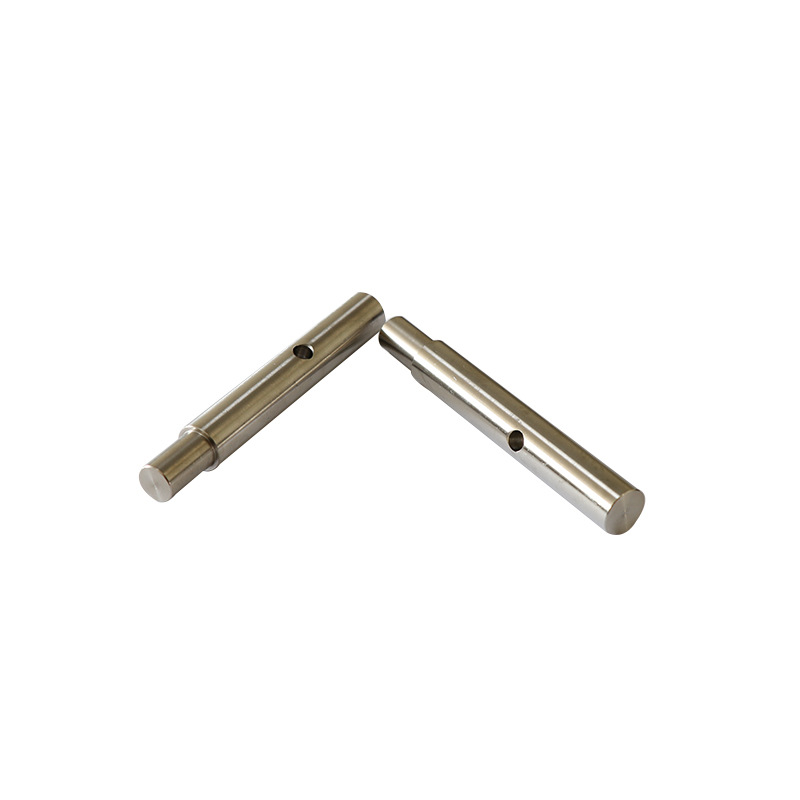
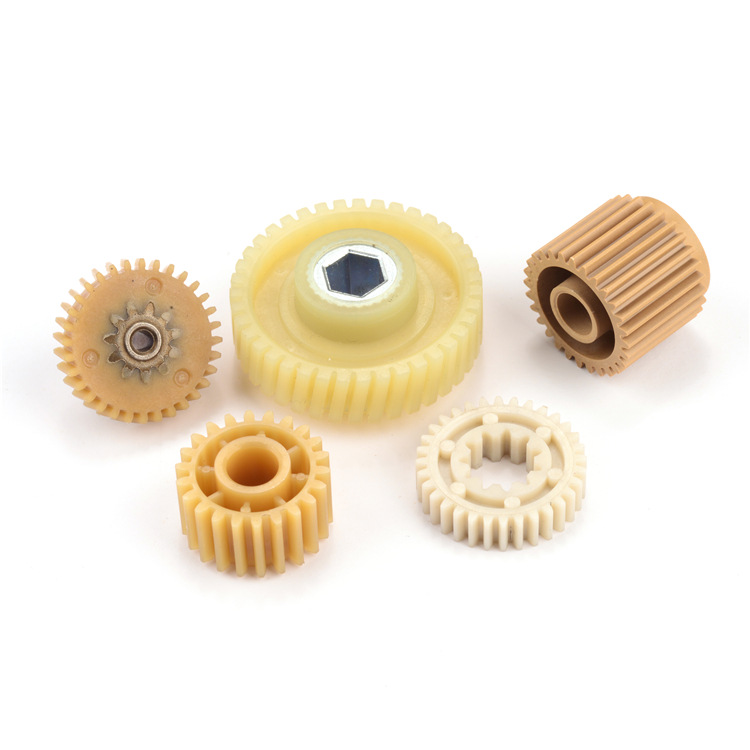
Cold forging deserves specific mention for smaller power generation hardware. Fasteners, terminal connectors, and precision fittings used throughout turbine assemblies are often cold-forged. This is an area where MFG SOLUTION’s cold forging service directly supports energy sector supply chains, producing small precision components up to 38mm in diameter with the dimensional consistency that assembly-line turbine manufacturing demands.
Key Benefits of Power Generation Forging
this approach delivers superior mechanical properties, longer service life, and greater reliability than alternative manufacturing methods for energy components. The structural advantages translate directly into reduced maintenance downtime and lower total cost of ownership for power plant operators.
Mechanical and Structural Advantages
The primary benefit is grain structure integrity. When metal is forged, the grain flow follows the shape of the part. This produces directional strength aligned with the stress path the component will experience in service. Research published through ASM International confirms that 9-12% chromium steels used in steam turbines operating above 550°C show significantly improved creep properties when forged versus cast, directly supporting higher efficiency power cycles.
Key mechanical benefits include:
- Higher tensile and yield strength compared to castings of equivalent cross-section
- Superior fatigue resistance under cyclic loading — critical for rotating turbine components
- Better creep resistance at elevated temperatures, extending component service intervals
- Improved impact toughness across a wide temperature range
- Reduced porosity and internal defects versus cast alternatives
- Consistent mechanical properties from one end of a shaft to the other, confirmed by destructive coupon testing
Pro Tip: When evaluating forged components for long-service applications like steam turbine rotors, request Charpy impact test data at multiple locations along the forging length, not just at the ends. Mechanical property gradients can develop during heat treatment of large sections and should be documented before machining begins.
Operational and Economic Benefits
Beyond the metallurgy, the practice delivers real operational value:
- Extended service life: Forged turbine components routinely achieve 30+ year service lives with proper maintenance, reducing capital replacement cycles
- Lower total cost of ownership: Higher upfront cost versus castings is offset by fewer unplanned outages and reduced scrap rates during manufacture
- Design flexibility: Open-die forging can produce custom geometries that aren’t feasible with standard bar stock or castings
- Traceability: Forging manufacturers maintain heat traceability from ingot to finished part, supporting ASME and regulatory compliance requirements
- Weldability: Forged low-alloy steels used in pressure vessels have controlled chemistry that supports post-weld heat treatment (PWHT) without cracking risk
Industry analysts suggest that the total cost advantage of forged over cast components in high-cycle rotating equipment typically becomes apparent within the first major maintenance interval, often within 5-8 years of commissioning. For procurement teams managing long-term plant reliability, this lifecycle perspective is essential. Effective Demand Generation strategies for forging suppliers increasingly emphasize total cost of ownership rather than unit price, reflecting this shift in buyer thinking. For more information, see Demand Generation.
Common Challenges in Power Generation Forging
this practice presents significant technical and logistical challenges, from achieving uniform properties in massive cross-sections to meeting increasingly stringent NDT acceptance criteria. Understanding these challenges helps procurement teams ask better questions and avoid costly specification errors.
Metallurgical and Process Challenges
Large forgings are particularly susceptible to segregation, the uneven distribution of alloying elements across the ingot cross-section. In a turbine rotor forging weighing 40+ metric tons, the center of the ingot cools more slowly than the surface, creating compositional gradients that affect hardness and toughness. Managing this requires careful ingot chemistry control, vacuum degassing, and controlled solidification practices.
A common mistake in specifying this methods is focusing only on surface hardness requirements without specifying through-thickness mechanical property requirements. One pitfall to watch for: a forging that passes surface hardness checks may still have a softer, weaker core if the heat treatment wasn’t optimized for the full section thickness.
Other significant process challenges include:
- Forging cracks: Insufficient preheat, excessive reduction per pass, or wrong die temperature can cause surface or internal cracking
- Residual stress: Rapid quenching during heat treatment introduces residual stresses that can cause distortion during machining or in-service cracking if not properly managed
- Grain coarsening: Forging at too high a temperature or holding too long in the furnace coarsens the austenite grain size, reducing toughness
- Die wear and tooling life: For closed-die forging of alloy steels, die life is a critical cost factor that affects dimensional consistency over a production run
Quality Assurance and Compliance Challenges
Meeting the NDT requirements for power generation components is demanding. ASME Section III (nuclear), ASTM A388 (ultrasonic examination of steel forgings), and EN 10228 (non-destructive testing of steel forgings) each impose specific acceptance criteria that require calibrated equipment and certified Level II or Level III UT technicians.
Certification and documentation requirements add significant lead time. A forging for a nuclear application may require witness inspection by the customer’s quality representative, regulatory authority approval, and a material test report (MTR) that traces every heat treatment cycle. Procurement teams that don’t account for this documentation time in their project schedules routinely face delays. From experience, building a minimum 4-week buffer for documentation review into any nuclear or pressure vessel forging schedule is prudent.
Precision machining of forged blanks adds another layer of complexity. Maintaining machining tolerances on a large, irregularly shaped forging requires careful workholding and datum selection. The relationship between forging grain flow direction and machining orientation can also affect tool life and surface integrity if not properly considered during process planning.
Best Practices for Power Generation Forging in 2026
As of 2026, best practices in this strategy combine traditional metallurgical discipline with digital process control, advanced simulation, and tighter integration between forging suppliers and downstream precision machining partners. The energy transition is also reshaping material requirements, with wind and next-generation nuclear driving demand for new alloy grades.
Specification and Supplier Selection Best Practices
Getting the specification right before issuing an RFQ saves significant cost and schedule risk. Follow this framework:
- Define the critical requirements first: Temperature, pressure, cyclic load frequency, and service environment should drive material selection — not cost alone.
- Specify the forging method explicitly: Open-die, closed-die, or ring rolling each produce different grain flow patterns. Specify which is acceptable for your application.
- Include NDT acceptance criteria in the RFQ: Reference the applicable standard (ASTM A388, EN 10228-3, or ASME) and the specific acceptance class. Don’t leave this to the supplier’s default.
- Request qualification data upfront: Ask for previous material test reports on similar alloy and section sizes. A supplier who can’t provide these hasn’t made your part before.
- Clarify machining responsibilities: Specify whether the forging is supplied as a rough blank or machined to final dimensions, and who holds the dimensional inspection responsibility.
- Verify heat traceability requirements: For ASME pressure vessel applications, full heat traceability from ingot melt to finished forging is mandatory. Confirm the supplier’s documentation system before award.
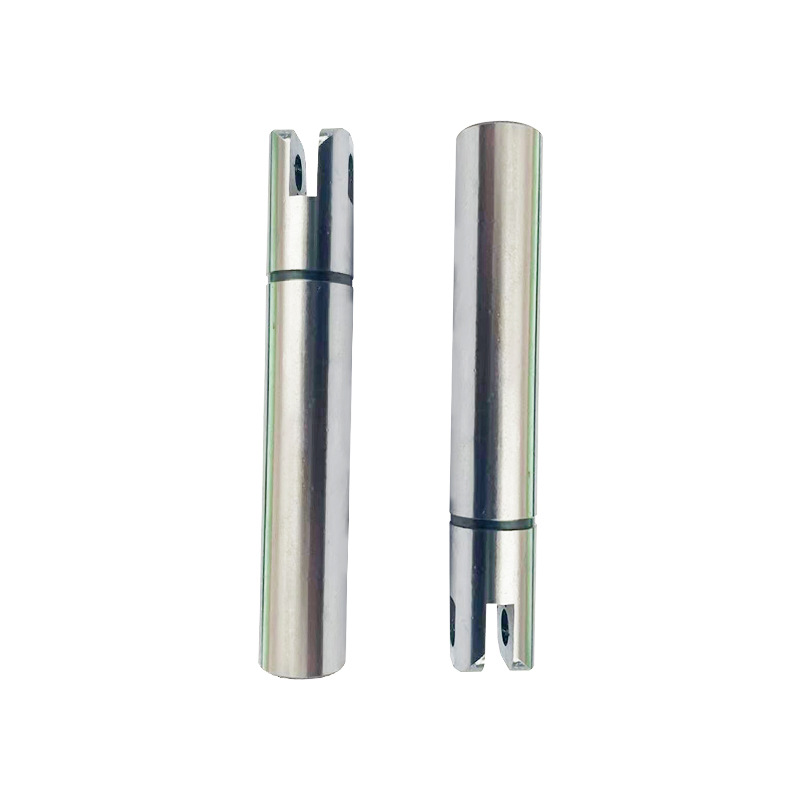
Pro Tip: For small precision components used in turbine assemblies — fasteners, connectors, and precision fittings up to 38mm diameter — cold forging followed by CNC turning or Swiss lathe finishing often delivers better dimensional consistency and surface integrity than machining from bar stock alone. At MFG SOLUTION, we’ve found that combining cold forging with precision CNC finishing reduces material waste by 15-25% on high-volume small parts runs while meeting the tight tolerances energy sector assemblies demand.
2026 Trends Shaping Power Generation Forging
Several developments are changing how this approach is specified and sourced as of 2026:
- Simulation-driven process design: Finite element analysis (FEA) of forging processes is now standard practice at leading suppliers, allowing grain flow and residual stress prediction before the first press stroke
- Advanced alloy development: New 10-12% Cr martensitic steels and ODS (oxide dispersion strengthened) alloys are being qualified for next-generation ultra-supercritical steam cycles operating above 700°C
- Wind turbine forging growth: As offshore wind turbine capacity scales past 15 MW per unit, main shaft and hub forgings are growing in size and complexity, creating demand for larger open-die press capacity
- Digital traceability: RFID tagging and digital material passports are increasingly required by major utilities, linking each forging’s physical properties to its service history throughout its lifecycle
- Nearshoring pressure: Supply chain resilience concerns are pushing some utilities to qualify additional regional forging sources, though cost-competitive certified offshore suppliers remain a key part of the supply chain
- Integration with precision machining: The trend toward single-source supply — where the forging supplier also handles CNC finishing — is accelerating, reducing handoff risk and dimensional inspection duplication
Our team at MFG SOLUTION recommends that procurement managers sourcing small precision components for power generation assemblies evaluate suppliers not just on unit price, but on certification depth (ISO 9001:2015, IATF 16949, ISO 13485:2016), documented process control, and the ability to provide quotes within hours rather than weeks. Speed of response is a reliable proxy for process maturity.
Frequently Asked Questions
1. What is power generation forging and why is it preferred over casting?
the practice is the process of shaping metal under compressive force to produce structural components for energy systems including turbines, generators, and pressure vessels. It’s preferred over casting because the forging process refines the metal’s grain structure, eliminating porosity and aligning grain flow with the stress path of the part. This produces higher tensile strength, better fatigue resistance, and superior creep performance — all critical for components operating continuously at high temperatures and pressures.
2. What materials are most commonly used in power generation forging?
The most common materials are 9-12% chromium martensitic steels for high-temperature steam turbine components, low-alloy steels (such as 1CrMoV and 26NiCrMoV grades) for lower-temperature applications, nickel-based superalloys for gas turbine hot-section components, and carbon-manganese steels for structural flanges and pressure vessel shells. Material selection is driven primarily by the operating temperature, pressure, and cyclic load requirements of the specific application.
3. How long does it take to produce a large power generation forging?
Large open-die forgings for turbine shafts or generator rotors typically require 8-20 weeks from ingot order to finished forging, not including machining. This includes ingot production (4-8 weeks), forging and heat treatment (2-6 weeks), NDT inspection (1-2 weeks), and documentation review (1-2 weeks). Smaller closed-die forgings for flanges and fittings can be produced in 4-8 weeks. Small precision components such as fasteners and connectors produced by cold forging can be turned around in days.
4. What NDT methods are required for power generation forgings?
Ultrasonic testing (UT) per ASTM A388 or EN 10228-3 is the primary volumetric inspection method for detecting internal defects such as segregation, cracks, and inclusions. Magnetic particle inspection (MPI) per ASTM A275 or EN 10228-1 is used for surface and near-surface defect detection on ferritic steels. Liquid penetrant testing (LPT) is used for austenitic and non-ferrous alloys. For nuclear applications, additional requirements under ASME Section III apply, including witness inspection and documentation by an authorized nuclear inspector.
5. How does precision CNC machining relate to power generation forging?
Precision CNC machining is the final step that converts a forged blank into a functional component. Forging produces the near-net shape and the mechanical properties; CNC turning, milling, grinding, and threading operations achieve the final dimensional tolerances, surface finishes, and geometric features required for assembly. For large components, this means multi-axis CNC turning of shafts and rotors. For small components, Swiss lathe machining and CNC turning produce the tight-tolerance features that turbine assembly requires. Understanding precision tolerance stackup is essential when planning the interface between forged blanks and machined features.
6. What certifications should a power generation forging supplier hold?
At minimum, a this practice supplier should hold ISO 9001:2015 quality management system certification. For nuclear applications, ASME N-stamp certification is required. Pressure vessel work typically requires ASME U-stamp or PED (Pressure Equipment Directive) compliance. For downstream precision machining of power generation components, IATF 16949 certification (originally automotive but increasingly adopted in energy supply chains) and ISO 9001:2015 are the baseline quality standards that major utilities and EPC contractors require from their machining suppliers.
7. Can cold forging be used for power generation components?
Yes. Cold forging is highly effective for smaller power generation hardware including fasteners, terminal connectors, precision bushings, and small fittings up to approximately 38mm in diameter. Cold forging produces excellent surface finish, tight dimensional tolerances, and work-hardened surfaces that resist wear — all useful properties for components used in turbine assembly hardware and electrical connection systems. For small-volume, high-precision hardware, combining cold forging with CNC turning or Swiss lathe finishing delivers the best combination of material properties and dimensional accuracy.
8. How does power generation forging support the energy transition?
this method is central to the energy transition. Wind turbine main shafts, hubs, and bearing rings are all forged components, and as turbine ratings increase past 15 MW, the forgings required grow larger and more technically demanding. Next-generation nuclear reactors require new forging alloys and tighter quality standards. Even hydrogen production infrastructure, including high-pressure electrolyzers and compressors, relies on forged pressure components. The energy transition isn’t replacing the need for this strategy — it’s increasing it.
Conclusion
this approach remains the foundation of reliable energy infrastructure. From steam turbine rotors operating above 600°C to wind turbine main shafts handling millions of load cycles, forged components deliver the structural integrity that cast or fabricated alternatives simply can’t match. The process is technically demanding, the specifications are exacting, and the consequences of failure are severe — which is exactly why material selection, process control, and supplier qualification matter so much.
For the small precision components that populate every turbine assembly — fasteners, connectors, bushings, and fittings — cold forging combined with precision CNC machining is the right approach. MFG SOLUTION specializes in exactly this segment: cold forging and precision CNC finishing for parts up to 38mm diameter, backed by ISO 9001:2015, ISO 13485:2016, and IATF 16949 certifications, with quotes returned within 8 hours and shipment within 3 days. If your power generation project needs high-precision small components produced to documented quality standards without the lead times of traditional job shops, MFG SOLUTION is built for that work.
Recommended Articles
Explore more from our content library: