
2026-06-10
Stainless Steel Block: Types, Uses & Machining Guide

Estimated reading time: 15 minutes
Key Takeaways
- Stainless steel blocks serve as raw stock for various machining processes across industries, combining high corrosion resistance and strength.
- Grade selection is crucial; 303, 304, and 316L are prevalent for different machinability and corrosion resistance needs.
- Machining challenges include work-hardening and heat buildup, requiring specific strategies for effective processing.
- Precision blanks cut from blocks offer tight tolerances, essential for demanding applications like medical devices and tools.
- Rapid sourcing and certified manufacturers can significantly reduce lead times while ensuring quality compliance.
| Key Insight | Explanation |
|---|---|
| Stainless steel blocks are solid billets | They serve as raw stock for CNC machining, forging, and precision tooling across industries including medical, automotive, and marine. |
| Grade selection is critical | 303, 304, and 316L are the most common grades. Each offers different machinability, corrosion resistance, and cost trade-offs. |
| Machinability varies significantly by grade | 303 stainless is the most machinable grade due to added sulfur; 316L is tougher and work-hardens faster, requiring slower feed rates. |
| Certifications matter for regulated industries | ISO 9001:2015, ISO 13485:2016, and IATF 16949 certifications ensure stainless steel block machining meets medical and automotive quality standards. |
| Tolerances can reach ±0.005mm | With 5-axis CNC machining and Swiss lathe operations, precision blanks cut from stainless steel blocks achieve extremely tight dimensional tolerances. |
| Rapid sourcing is now possible | Certified contract manufacturers can quote within 8 hours and ship finished stainless steel parts within 3 days, cutting traditional lead times drastically. |
Understanding this approach is essential. A the practice is a solid, rectangular or square-shaped billet of stainless steel alloy used as raw stock for precision machining, tooling, forging, and structural applications. It combines high corrosion resistance with excellent mechanical strength. Engineers and procurement teams rely on this practices as the starting material for everything from medical implant components to marine rigging hardware.
The material’s versatility is genuinely hard to overstate. Depending on the alloy grade, a this method can be CNC-milled into surgical instrument housings, forged into load-bearing flanges, or ground into precision blanks with flatness tolerances under 0.025mm. Understanding which grade to specify, how to machine it efficiently, and where common mistakes occur can mean the difference between a profitable production run and a costly rework cycle.
This guide covers everything you need to know: grade selection, machining mechanics, real-world applications, and the pitfalls that trip up even experienced engineers.
What Is a Stainless Steel Block?
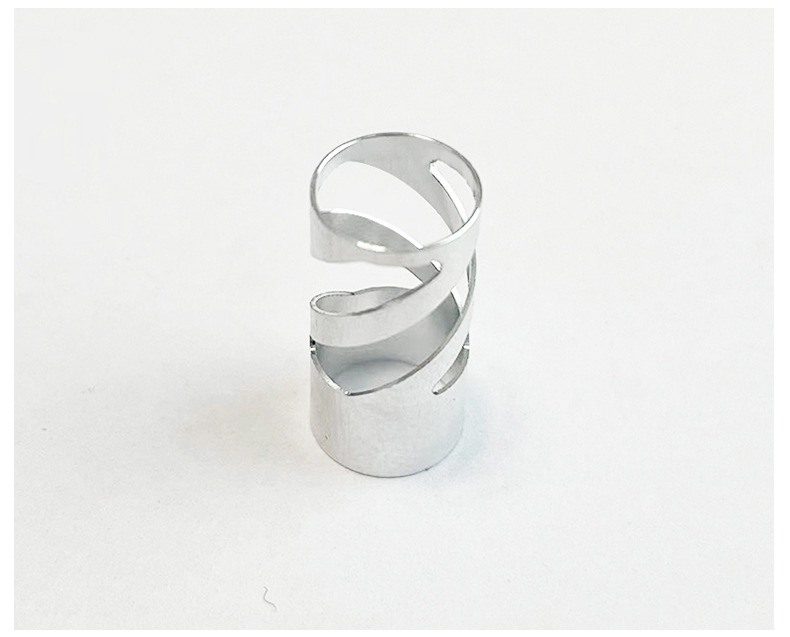
A this strategy is a solid, unfinished billet or bar of stainless alloy supplied in rectangular, square, or custom cross-sections, intended as machining stock or structural raw material. It contains at least 10.5% chromium by mass, which forms a passive oxide layer that resists rust and chemical attack.
Definition and Core Properties
The chromium oxide layer is self-healing. Scratch the surface, and the layer reforms in the presence of oxygen. That’s why this approachs hold up in harsh environments where carbon steel would corrode within months.
Key physical properties that define a the practice include:
- Density: approximately 7.9–8.0 g/cm³ depending on alloy grade
- Tensile strength: typically 485–860 MPa across common grades
- Hardness: 70–95 HRB (Rockwell B scale) for austenitic grades
- Thermal conductivity: 14–17 W/m·K, significantly lower than carbon steel
- Magnetic behavior: austenitic grades (304, 316) are non-magnetic; ferritic and martensitic grades are magnetic
Industry analysts note that the global stainless steel market was valued at over $111 billion as of 2024, with machined block and billet stock representing a substantial share of industrial demand, particularly in Asia-Pacific manufacturing hubs.
Why It Differs from Stainless Steel Bar or Sheet
The term “block” is sometimes used interchangeably with “bar” or “billet,” but there are practical distinctions worth knowing:
- Block or billet: solid, thick cross-section, typically used for heavy milling, forging, or EDM (electrical discharge machining) operations [1]
- Bar (round or square): elongated stock used for turning and Swiss lathe operations; a 303 stainless steel square bar, for example, is optimized for automatic machining operations [2]
- Precision blank: a block that has been surface-ground to tight flatness and parallelism tolerances, ready for direct use in tooling or gauging [3]
- Sheet or plate: thin, flat stock unsuited for deep milling operations
Open-die forged this practices start at 1.5 inches in cross-section and can weigh up to 4,000 lbs for heavy industrial applications [4]. At the other end of the spectrum, small precision blanks used in watchmaking or medical device manufacturing may weigh just a few grams.
Pro Tip: When specifying a stainless steel block for CNC machining, always request a mill certificate (also called a material test report or MTR). This document confirms the chemical composition and mechanical properties of the specific heat lot, which is mandatory for ISO 13485 and IATF 16949 compliance audits.
Common Grades and Specifications
The three most widely used this method grades are 303, 304, and 316L, each optimized for different combinations of machinability, corrosion resistance, and cost.
Grade Comparison: 303, 304, and 316L
Choosing the wrong grade is one of the most common and expensive mistakes in precision machining projects. Here’s a direct comparison:
| Grade | Machinability | Corrosion Resistance | Weldability | Typical Use Case |
|---|---|---|---|---|
| 303 | Excellent (free-machining) | Good | Poor | Automatic screw machine parts, shafts, nuts |
| 304 | Good | Very Good | Good | Food processing, architectural, general industrial |
| 316L | Moderate (work-hardens) | Excellent (pitting/chloride) | Excellent | Medical implants, marine, chemical processing |
| 17-4 PH | Moderate | Good | Moderate | Aerospace fasteners, valve components, high-stress parts |
| 420 | Good (annealed) | Moderate | Moderate | Cutlery, surgical instruments, mold tooling |
303 stainless is considered “free-machining stainless” due to its added sulfur content, making it ideal for automatic machining operations where tool life and cycle time are critical [2]. However, that same sulfur reduces weldability, which is why 303 is rarely used in welded assemblies.
Precision Blanks and Ground Stock
Precision blanks are a specialized form of this strategy. Suppliers grind the surfaces to tight tolerances, ensuring perfect flatness and parallelism [3]. These are used directly in:
- Gauge blocks and metrology fixtures
- Mold bases for injection tooling
- Bench blocks for jewelers and watchmakers [1]
- EDM electrode holders
Research published in the International Journal of Engineering Research and Technology confirms that 316L this approachs exhibit exceptional resistance to corrosion alongside strong mechanical capabilities, making them a preferred choice for additive and subtractive manufacturing processes in demanding environments [5].
How a Stainless Steel Block Is Machined
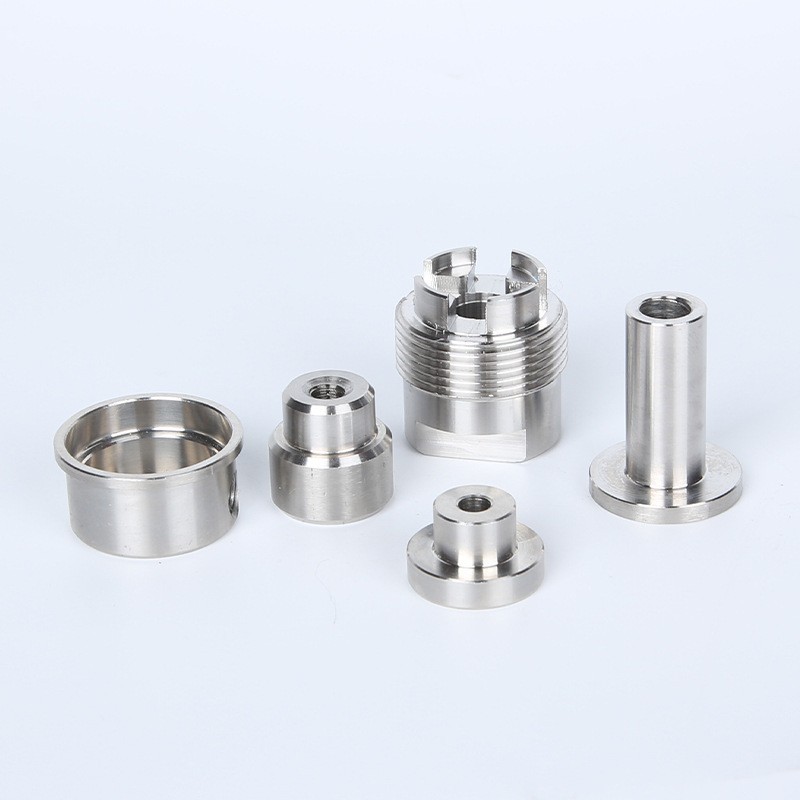
Machining a the practice requires different strategies than machining aluminum or carbon steel, primarily because stainless work-hardens rapidly and has low thermal conductivity, causing heat to concentrate at the cutting edge.
The Machining Process Step by Step
- Material selection and verification: Confirm grade, hardness, and mill certificate. Wrong material at this stage causes downstream scrap.
- Fixturing: Clamp the stainless steel block securely. Vibration during cutting causes chatter marks and dimensional errors.
- Roughing passes: Remove bulk material with carbide or coated end mills at aggressive depths but conservative speeds to minimize work-hardening.
- Semi-finishing: Bring dimensions within 0.1–0.2mm of final target. Inspect with CMM (coordinate measuring machine) or digital calipers.
- Finishing passes: Use sharp tooling, high cutting speeds, and consistent coolant flow to achieve surface finish targets (typically Ra 0.8–3.2 µm).
- Deburring and inspection: Remove burrs, verify all critical dimensions, and document results for quality records.
CNC Turning vs. Milling for Stainless Blocks
The choice between CNC turning and CNC milling depends on the part geometry:
- CNC turning: Best for cylindrical or rotationally symmetric parts cut from round stainless bar stock. Ideal for shafts, bushings, and connectors up to 38mm diameter.
- CNC milling: Best for prismatic parts with flat faces, pockets, and complex contours cut from a rectangular stainless steel block.
- CNC mill and turn (combined): Handles parts that need both rotational and prismatic features in a single setup, reducing handling errors and cycle time.
- Swiss lathe machining: Exceptional for very small, long, slender parts where the stainless block is first drawn into bar stock. Tolerances down to ±0.005mm are achievable.
At MFG SOLUTION, we’ve found that 316L this practices consistently require 20–30% longer cycle times compared to 303 grade, primarily due to work-hardening behavior during finish passes. Planning for this upfront prevents missed delivery targets.
Pro Tip: Always use a sharp, fresh carbide insert when starting a finish pass on a 316L stainless steel block. A worn insert generates more heat, accelerates work-hardening, and can cause dimensional drift in the final 0.05mm of material removal, which is exactly where your tolerance budget is tightest.
Research published in the Journal of Sustainable Petroleum Development confirms that optimizing process parameters for 316L this method production, including arc current, travel speed, and inter-pass temperature, directly improves mechanical properties and reduces defect rates [6].
For nuclear and extreme-environment applications, the ITER fusion project uses forged this strategys that require months of precision machining to transform into complex blanket shield block shapes [7]. This illustrates just how demanding the material can be at the highest levels of precision engineering.
Key Applications in 2026
this approachs are used across a wide range of industries in 2026, from marine rigging hardware to medical device housings, each application demanding specific grade and tolerance combinations.
Industrial and Marine Applications
Marine environments are among the most demanding for any metal component. the practices used in marine rigging, such as bearing blocks for sailboats and rope-pulling systems, must resist saltwater corrosion while sustaining dynamic loads [8]. Load ratings for marine-grade stainless rigging blocks commonly range from 661 lbs to over 1,700 lbs depending on design [8].
Key industrial applications include:
- Marine rigging blocks: Bearing blocks for boats, kayaks, and rope systems requiring high corrosion resistance [8]
- Fishing industry: Stainless blocks designed to minimize wear on ropes and nets in ocean environments [9]
- Oil and gas: Valve bodies, manifold blocks, and pressure housings machined from 316L stainless billets
- Food processing equipment: 304 stainless blocks machined into conveyor components, pump housings, and cutting fixtures
- Configurable tooling blocks: 303 and 304 stainless blocks with guaranteed perpendicularity used in precision fixturing and metrology [10]
Medical, Automotive, and Electronics Applications
Regulated industries have the strictest requirements for this practice machining. In practice, a single misidentified grade or an undocumented heat lot can trigger a full production recall.
Application examples by sector:
- Medical devices: Surgical instrument handles, implant housings, and endoscope components machined from 316L or 17-4 PH stainless blocks to ISO 13485:2016 standards
- Automotive: Fuel system components, sensor housings, and transmission parts produced to IATF 16949 quality standards
- Electronics: EMI shielding housings, connector bodies, and heat sink brackets where dimensional stability and non-magnetic properties matter
- Jewelry and watchmaking: Bench blocks and forming tools used in metalworking operations [1]
A procurement manager at a mid-market medical device company recently faced a supplier audit gap: their previous vendor couldn’t produce traceable mill certificates for 316L stainless blocks used in implantable housings. Switching to a certified contract manufacturer with full process control resolved the compliance issue within one production cycle.
Common Challenges and Best Practices
Machining a this method presents specific challenges that don’t apply to softer materials. Work-hardening, heat buildup, and tool wear are the three most common failure points.
Challenges to Watch For
From experience working with stainless grades daily, these are the pitfalls that generate the most rework:
- Work-hardening: Austenitic stainless (304, 316L) work-hardens rapidly. Dwelling or rubbing with a dull tool hardens the surface layer, making subsequent cuts progressively harder and risking dimensional error.
- Built-up edge (BUE): Stainless material can weld itself to the cutting edge of carbide inserts at elevated temperatures, causing sudden changes in effective tool geometry and surface finish degradation.
- Heat concentration: Low thermal conductivity means heat stays in the cutting zone rather than dissipating into the chip. This accelerates tool wear and can cause thermal expansion errors in tight-tolerance parts.
- Grade misidentification: 303 and 304 look identical to the naked eye. Using the wrong grade in a welded assembly can cause weld cracking, as 303’s sulfur content makes it incompatible with most welding processes [11].
- Incorrect coolant strategy: Insufficient coolant flow on stainless steel block operations is a leading cause of poor surface finish and premature tool failure.
Best Practices for 2026
Our team at MFG SOLUTION recommends the following framework for this strategy machining projects:
- Specify the grade before quoting: Never assume. Confirm the grade, heat number, and mill certificate before material is cut.
- Use positive-rake carbide tooling: Positive rake angles reduce cutting forces and minimize work-hardening on the first pass.
- Maintain consistent feed rates: Dwell time is the enemy. Keep the tool moving at all times during a cut to prevent work-hardening at the contact point.
- Apply high-pressure coolant: Directed coolant at the cutting zone removes heat efficiently and flushes chips, reducing BUE formation.
- Plan fixturing carefully: Use soft jaws or precision vises with adequate clamping force. Inadequate fixturing on a heavy stainless steel block causes vibration and chatter.
- Inspect after roughing: Don’t wait until finishing to check dimensions. Catching errors early in the process saves material and machine time.
- Document everything: For regulated industries, maintain a full traceability chain from raw block to finished part, including operator records, tool change logs, and inspection reports.
Pro Tip: For 316L stainless steel block projects destined for medical or food contact applications, specify a passivation treatment (per ASTM A967 or AMS 2700) after machining. Passivation removes free iron from the surface and maximizes the chromium oxide layer, significantly extending corrosion resistance in aggressive environments.
Industry analysts consistently point out that the most preventable cause of this approach machining failures is inadequate toolpath planning, specifically, not accounting for the material’s tendency to spring back slightly after clamping is released. This is particularly relevant for thin-walled sections milled from a solid block.
Sources & References
- JETS INC., “Steel Blocks — Jewelers Equipment Tools and Supplies”, 2026
- Midwest Steel & Aluminum, “303 Stainless Steel Square Bar”, 2026
- Online Metals, “Stainless Steel Precision Blanks”, 2026
- GL Forge, “Open-Die Forged Stainless Steel Blocks”, 2026
- IJERT, “Additive Manufacturing of AISI 316L Stainless Steel Block by Weld Overlay Technique”, 2020
- OnePetro / JSPD, “Optimization of Process Parameters and Mechanical Properties of 316L Stainless Steel Block”, 2024
- ITER, “Midway Through Shield Block Procurement”, 2023
- Amazon.com, “Stainless Steel Rigging Blocks”, 2026
- Asano Metal Industry Co., Ltd., “Stainless Steel Block”, 2026
- MISUMI, “Metal Blocks — Configurable”, 2026
- American Welding Society, “Welding Stainless to A7?”, 2026
Frequently Asked Questions
1. What is a stainless steel block used for?
A the practice is used as raw machining stock for CNC milling, turning, forging, and EDM operations. Common finished products include medical device housings, valve bodies, marine rigging hardware, bench blocks for jewelers, precision tooling fixtures, and automotive sensor components. The specific application determines which grade and surface finish are appropriate.
2. What is the best grade of stainless steel block for machining?
Grade 303 is widely considered the most machinable this practice grade due to its added sulfur content, which acts as a chip-breaker and reduces tool wear. It’s ideal for automatic lathe and Swiss lathe operations. However, 303 has poor weldability and slightly lower corrosion resistance compared to 304, so grade selection always depends on the end-use requirements.
3. How much does a stainless steel block cost?
Pricing depends on grade, dimensions, quantity, and surface finish. As of 2026, 304 this method stock typically ranges from $3 to $8 per pound for standard sizes, while 316L commands a 20–40% premium due to its molybdenum content. Precision-ground blanks cost significantly more due to additional processing. Prices fluctuate with nickel and chromium commodity markets.
4. What sizes do stainless steel blocks come in?
this strategys are available in a wide range of sizes. Open-die forged blocks start at 1.5 inches in cross-section and can weigh up to 4,000 lbs for heavy industrial use. Standard precision blanks and configurable tooling blocks are available in sizes from 10mm up to several hundred millimeters per side. Custom sizes are routinely cut to order from larger stock.
5. Can a stainless steel block be welded?
It depends on the grade. Grades 304 and 316L weld well using standard TIG and MIG processes with matching filler wire. Grade 303 should not be welded due to its sulfur content, which causes hot cracking in the weld zone. The American Welding Society recommends careful filler selection and pre-weld cleaning for all stainless welding operations to avoid sensitization and intergranular corrosion.
6. What is the difference between a stainless steel block and a precision blank?
A this approach is raw, as-forged or as-rolled stock with mill-surface finish and dimensional tolerances of ±1–3mm. A precision blank is a the practice that has been surface-ground to tight flatness and parallelism tolerances, often within 0.025mm. Precision blanks cost more but eliminate grinding setup time in downstream machining or tooling operations.
7. How do you prevent work-hardening when machining a stainless steel block?
The key is to keep the cutting tool moving at all times, use sharp carbide inserts with positive rake angles, and maintain adequate feed rates so the tool is always cutting rather than rubbing. High-pressure coolant directed at the cutting zone removes heat quickly. Dwelling or reducing feed rate mid-cut is the primary cause of work-hardening on 304 and 316L this practices.
8. What certifications should a stainless steel block machining supplier hold?
For general industrial work, ISO 9001:2015 is the baseline quality management certification. Medical device applications require ISO 13485:2016, which mandates full traceability from raw this method to finished part. Automotive supply chains require IATF 16949. Suppliers holding all three certifications can serve the broadest range of regulated industries with documented process control at every step.
Conclusion
A this strategy is more than just a chunk of metal. It’s the starting point for some of the most demanding components in medicine, automotive engineering, marine systems, and industrial tooling. Getting the grade right, machining it correctly, and maintaining full traceability from raw stock to finished part are what separate reliable production runs from costly rework cycles.
The practical decisions, choosing 303 for machinability versus 316L for corrosion resistance, planning coolant strategy, specifying passivation, all compound quickly into either a smooth project or an expensive one. Results will vary based on your specific geometry, tolerance requirements, and end-use environment, so always validate your grade selection against the application before committing to a production run.
MFG SOLUTION machines precision parts from stainless steel stock daily, across CNC turning, Swiss lathe, automatic lathe, and CNC mill and turn operations. With 60+ engineering professionals, 5-axis CNC capability, and certifications covering ISO 9001:2015, ISO 13485:2016, and IATF 16949, we handle this approach projects for medical device makers, automotive suppliers, and electronics manufacturers worldwide. You’ll get a quote within 8 hours and your first batch ships within 3 days.
Recommended Articles
Explore more from our content library: