
2026-06-08
Metal Forging Services: A Complete Guide for 2026

Estimated reading time: 15 minutes
Key Takeaways
- Metal forging services create high-strength components by applying compressive force, producing parts with superior mechanical properties compared to castings.
- There are three primary forging methods: open-die, closed-die, and cold forging, each catering to different geometries and tolerances.
- Tooling costs constitute the largest upfront investment in forging, making it most economical for medium to high production volumes.
- Cold forging excels in producing small precision parts with tight tolerances, often reducing or eliminating secondary machining needs.
- Certifications like ISO 9001 and IATF 16949 ensure that forging suppliers meet industry-specific quality standards.
| Key Insight | Explanation |
|---|---|
| Forging produces stronger parts than casting | Compressive force aligns the metal’s grain structure, yielding higher tensile strength and fatigue resistance than cast equivalents. |
| Three primary forging methods exist | Open-die, closed-die (impression-die), and cold forging each suit different part geometries, volumes, and tolerance requirements. |
| Tooling cost is the biggest upfront expense | Closed-die tooling can run $5,000–$50,000+, making forging most cost-effective at medium-to-high production volumes. |
| Cold forging suits small precision parts | Room-temperature forging delivers tight tolerances and excellent surface finish, reducing or eliminating secondary machining for parts under 38mm. |
| Certifications signal verified quality | ISO 9001:2015, ISO 13485:2016, and IATF 16949 certifications confirm that a supplier’s process controls meet medical, automotive, and general industry standards. |
| Post-forging machining adds precision | CNC turning, Swiss lathe, and mill-turn operations refine forged blanks to final dimensional tolerances that forging alone cannot achieve. |
Metal forging services transform raw metal billets into high-strength, dimensionally precise components by applying controlled compressive force. The process refines the metal’s internal grain structure, producing parts that outperform cast or machined equivalents in fatigue life and tensile strength. Industries from automotive to medical devices rely on professional metal forging services to meet demanding load-bearing and tolerance requirements that other manufacturing methods simply can’t match. [1]
This guide covers every key aspect of forging: the main process types, real cost drivers, a side-by-side comparison with casting, common sourcing mistakes, and expert best practices for 2026. Whether you’re a procurement manager evaluating new suppliers or an engineer selecting the right process for a new part, you’ll find actionable answers here.
What Is Metal Forging?
Metal forging is a manufacturing process that shapes metal using localized compressive forces, either with a hammer, press, or die, to produce parts with superior mechanical properties compared to casting or machining from bar stock. [1]
Core Definition and Context
According to Wikipedia’s forging entry, the process dates back thousands of years and remains one of the most widely used metalworking techniques in modern industry. The key distinction from casting is that metal is never fully liquefied. Instead, solid metal is deformed under pressure, which preserves and refines the crystalline grain structure.
That grain refinement is the whole point. When you forge a part, the metal’s grains flow continuously around the part’s geometry. The result is a component that’s denser and more resistant to cracking under cyclic loads than a cast equivalent made from the same alloy.
Who Uses Metal Forging Services?
Metal forging services are used across a wide range of industries and applications:
- Automotive: Connecting rods, crankshafts, wheel hubs, steering knuckles
- Aerospace: Turbine discs, structural airframe components, landing gear parts
- Medical devices: Surgical instrument handles, implant components, orthopedic hardware
- Oil and gas: Valve bodies, flanges, drill collars
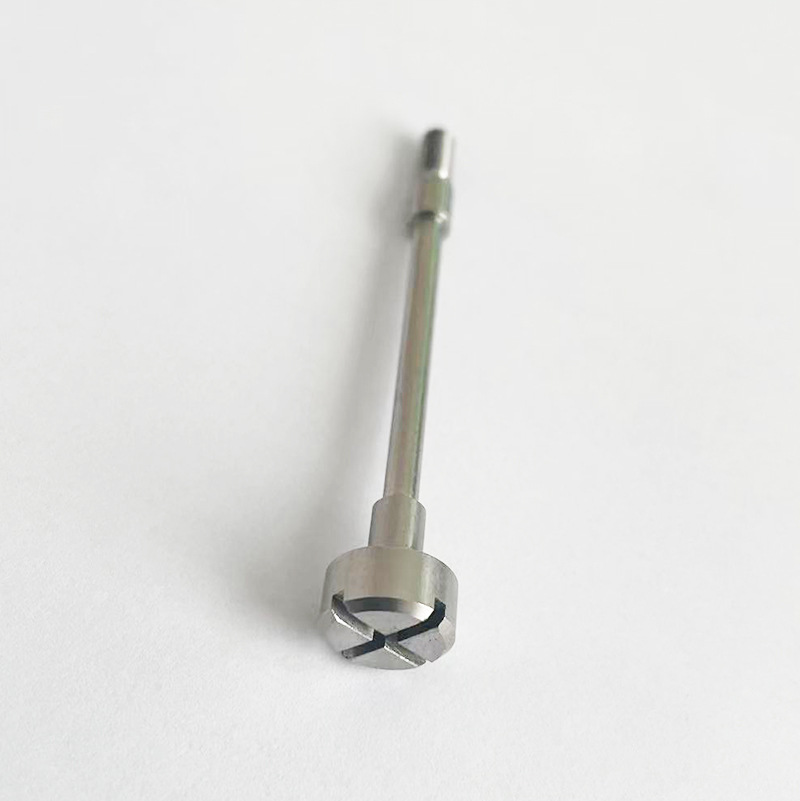
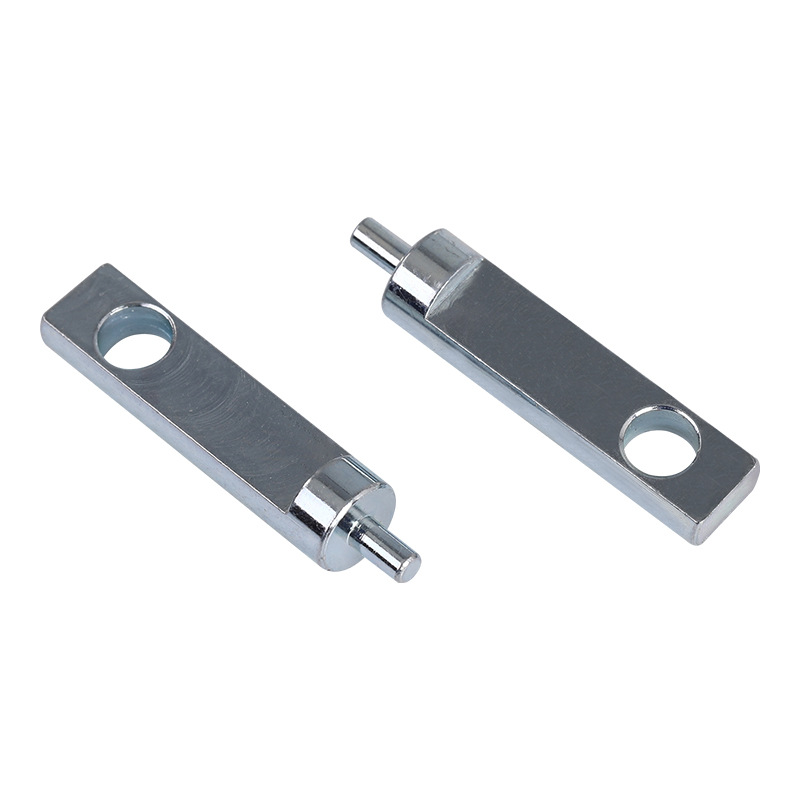
- Electronics and fasteners: Precision connectors, terminal pins, cold-forged fasteners
- Heavy equipment: Gears, axles, hooks, and lifting hardware
According to a U.S. Department of Energy report on the forging industry, the transportation sector accounts for the largest share of forged component demand, driven by the need for lightweight yet high-strength structural parts. [2]
Pro Tip: Don’t assume forging is only for large structural parts. Cold forging is highly effective for small precision components under 38mm in diameter, often producing near-net-shape parts that require minimal secondary machining.
How Metal Forging Services Work
Metal forging services follow a defined sequence from billet preparation through final inspection, with the specific process steps varying based on the forging method, material, and part geometry. [3]
The Three Main Forging Methods
Understanding which method a supplier uses is critical, because each delivers different results in terms of tolerances, surface finish, and cost per part.
- Open-die forging: Metal is shaped between flat or simple-contour dies. The workpiece is repositioned manually during the process. Best for large, simple shapes and low-volume runs where tooling cost must be minimized. [4]
- Closed-die (impression-die) forging: Metal is pressed into a precision die cavity that defines the final part shape. Delivers tighter tolerances and better repeatability than open-die. Higher tooling cost, but lower per-part cost at volume. [5]
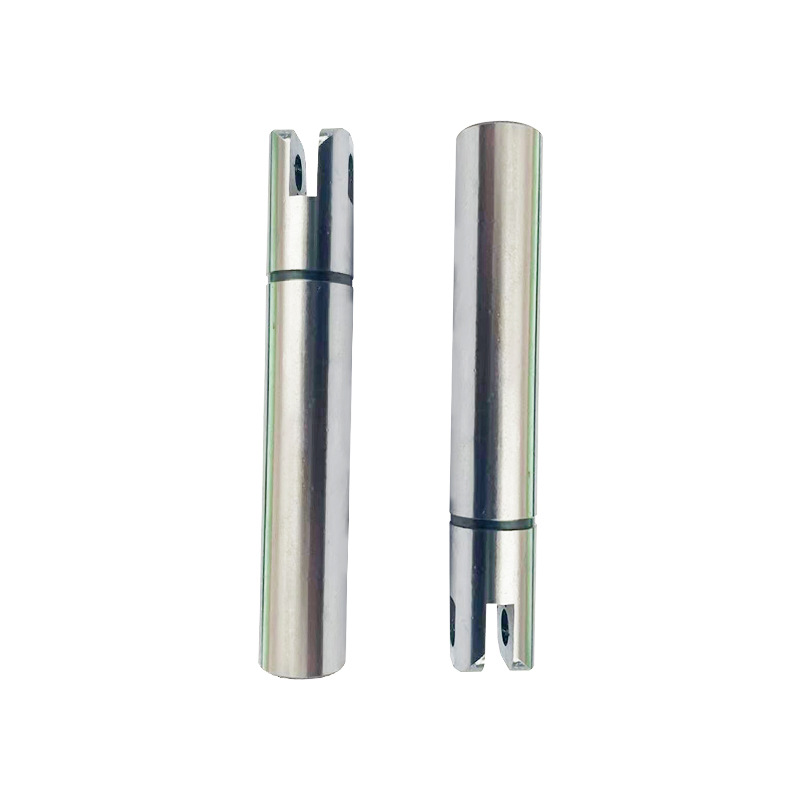
- Cold forging: Deformation occurs at or near room temperature, typically using a cold heading or extrusion process. Produces excellent surface finish and dimensional accuracy. Ideal for small, high-volume fasteners, pins, and precision components. No heating energy is required, which reduces cost. [6]
Step-by-Step Process for a Typical Closed-Die Forging Order
- Design review and die design: The engineering team reviews your part drawing and designs the die cavity, including draft angles, flash allowance, and parting line placement.
- Billet preparation: Raw metal stock (steel, aluminum, brass, copper, titanium) is cut to precise weight and volume to fill the die cavity correctly.
- Heating (hot forging only): Billets are heated to the material’s forging temperature range, typically 1,100–1,250°C for steel, to reduce yield strength and improve plasticity.
- Pressing or hammering: The heated billet is placed in the die and struck or pressed until it fully conforms to the die cavity. Flash (excess metal) is squeezed out at the parting line.
- Trimming: Flash is removed in a trimming press using a matched trim die.
- Heat treatment (if required): Normalizing, annealing, or quench-and-temper operations adjust mechanical properties.
- Secondary machining: CNC turning, Swiss lathe operations, or milling bring critical dimensions to final tolerance. This is where precision machining partners add significant value.
- Inspection and testing: Dimensional inspection, hardness testing, and non-destructive testing (NDT) verify conformance to specification before shipment.
In practice, cold forging compresses this sequence considerably. Steps 3 and 4 are replaced by a room-temperature pressing or cold heading operation, and heat treatment is often unnecessary. That’s why cold forging is so cost-effective for high-volume small parts. [7]
Key Benefits of Metal Forging Services
Metal forging services deliver mechanical properties, material efficiency, and design flexibility that make them the preferred choice for load-bearing, safety-critical, and high-cycle applications. [8]
Mechanical and Structural Advantages
- Superior strength-to-weight ratio: Forged parts achieve higher tensile and yield strength than cast parts of the same weight, enabling designers to reduce material and part mass without sacrificing load capacity.
- Improved fatigue life: The continuous grain flow eliminates internal porosity and shrinkage voids common in castings. Research from the DOE forging industry study confirms that forged components consistently outperform cast equivalents in fatigue testing. [2]
- Material integrity: No internal defects from gas entrapment or solidification shrinkage, which are inherent risks in casting.
- Predictable, repeatable properties: Closed-die and cold forging produce consistent mechanical properties across every part in a production run, which is critical for ISO-certified supply chains.
Production and Business Benefits
- Near-net-shape efficiency: Cold forging in particular produces parts close to final dimensions, reducing material waste and secondary machining time.
- Long die life: A well-maintained closed-die set can produce hundreds of thousands of parts, spreading tooling amortization across large volumes.
- Wide material compatibility: Steel, stainless steel, aluminum, brass, copper, titanium, and nickel alloys are all forgeable. [5]
- Scalability: Once tooling is proven, production rates scale quickly to meet demand spikes.
Industry analysts consistently note that for automotive and medical device applications, the traceability and process consistency of certified metal forging services are non-negotiable. Suppliers operating under IATF 16949 (the automotive quality management standard) and ISO 13485:2016 (the medical device standard) provide documented evidence of process control at every step, which simplifies supplier audits and regulatory submissions.
Pro Tip: Always ask a forging supplier for their grain flow maps or macro-etch reports. These documents prove that the forging process produced the intended grain structure, and they’re essential for aerospace and medical qualification packages.
Forging vs. Casting: Cost and Performance Compared
Forging generally costs more per part at low volumes due to higher tooling and energy costs, but delivers superior mechanical performance and lower total cost of ownership for high-cycle or safety-critical applications. [9]
Side-by-Side Comparison
| Factor | Forging | Casting |
|---|---|---|
| Tooling cost | $5,000–$50,000+ (closed-die) | $2,000–$30,000 (die casting) |
| Tensile strength | High (grain flow intact) | Moderate (risk of porosity) |
| Surface finish (as-processed) | Good (cold forging: excellent) | Good to excellent (die casting) |
| Dimensional tolerance | ±0.1–0.5mm (hot); ±0.02–0.1mm (cold) | ±0.1–0.5mm (die casting) |
| Fatigue life | Significantly higher | Lower (porosity risk) |
| Best for | High-stress, safety-critical parts | Complex geometry, thin walls |
| Material options | Steel, aluminum, brass, titanium, copper | Aluminum, zinc, iron, steel, brass |
| Internal porosity risk | Very low | Moderate to high |
When Casting Wins
Casting has genuine advantages in specific scenarios. Complex internal geometries with undercuts or hollow sections are difficult or impossible to forge. Very thin walls are also easier to achieve by casting. For decorative parts or non-structural components where fatigue life isn’t a concern, casting often delivers lower total cost. [9]
The honest answer is this: if your part must survive cyclic loading, impact, or high stress concentrations, forging is the correct choice. If geometry complexity is the primary driver and structural performance is secondary, casting is worth evaluating.
Common Challenges and Mistakes in 2026
The most common failures in metal forging services procurement come from underestimating tooling lead times, misspecifying material grades, and selecting suppliers without verified quality certifications. [10]
Tooling and Design Mistakes
- Insufficient draft angles: Parts designed without adequate draft angles (typically 3–7 degrees for hot forging) stick in the die, causing surface defects and die damage. Always involve your forging supplier in DFM (Design for Manufacturability) review before finalizing drawings.
- Ignoring flash allowance: Closed-die forgings always produce some flash. Designs that don’t account for flash location and trimming can result in dimensional issues at the parting line.
- Specifying tolerances tighter than forging can hold: Hot forging typically holds ±0.1–0.5mm. Tighter tolerances require secondary CNC machining. Specifying ±0.01mm on a raw forging drawing wastes everyone’s time and inflates quotes unnecessarily.
Supplier Selection Mistakes
A common mistake is selecting a forging supplier based solely on unit price without verifying their quality management system. In one project we handled, a client switched to an uncertified low-cost forging source and received a batch with internal cracks that weren’t detected until the parts were in assembly. The rework and delay cost far exceeded the savings on the forging price itself.
- Not checking certifications: For automotive parts, IATF 16949 is the baseline. For medical components, ISO 13485:2016 is mandatory. General industrial use requires at minimum ISO 9001:2015.
- Overlooking post-forging machining capability: Many forging shops outsource secondary machining, adding lead time and quality risk. Suppliers who handle both forging and precision CNC operations in-house offer better process control and faster turnaround. [8]
- Underestimating tooling lead time: Die design and manufacturing typically takes 4–8 weeks. Buyers who factor only production lead time into their project schedules routinely miss launch dates.
Pro Tip: Request a First Article Inspection (FAI) report on your first production run. This document, common in IATF 16949 and AS9100 supply chains, confirms that the first parts off the production die meet every dimension and material specification before full-volume production begins.
Best Practices for Sourcing Metal Forging Services in 2026
Effective sourcing of metal forging services in 2026 requires evaluating suppliers on certifications, integrated machining capability, quoting speed, and documented process control, not price alone. [7]
Supplier Evaluation Framework
Use this checklist when qualifying a new forging partner:
- Verify certifications: Confirm ISO 9001:2015 as a minimum. Require ISO 13485:2016 for medical parts and IATF 16949 for automotive components. Ask for current certificates, not just claims.
- Assess in-house capability: Does the supplier handle die design, forging, heat treatment, and secondary CNC machining under one roof? Integrated capability reduces lead time and quality risk.
- Evaluate quoting responsiveness: A supplier that takes two weeks to quote a simple part will take two months to resolve a quality issue. Quoting speed is a proxy for operational maturity.
- Request sample inspection reports: Ask for dimensional reports, material certifications (MTRs), and hardness test results from recent production runs.
- Confirm production capacity: Understand the supplier’s press tonnage range, maximum billet size, and monthly production capacity to ensure they can scale with your demand.
- Evaluate communication and engineering support: Suppliers with dedicated engineering teams can catch DFM issues before tooling is cut, saving significant cost and time.
Cold Forging for Small Precision Parts: A Special Case
As of 2026, cold forging has become the dominant method for small precision components under 38mm in diameter, particularly in the electronics and automotive fastener segments. The process delivers near-net-shape parts with surface finishes in the Ra 0.4–1.6 µm range without any heating, which eliminates scale, decarburization, and the dimensional variation associated with thermal cycling.
At MFG SOLUTION, we’ve found that pairing cold forging with Swiss lathe or CNC turning finishing operations produces the best combination of cost efficiency and dimensional precision for high-volume small parts. The forging establishes the basic shape and grain structure; the CNC operation delivers the final tolerances that forging alone can’t consistently hold.
According to the Chicago Industrial Arts & Design Center’s metalworking overview, cold working processes consistently produce parts with higher surface hardness and compressive residual stresses compared to hot-worked equivalents, which further improves fatigue performance. [11]
Our team at MFG SOLUTION recommends that buyers sourcing small forged components always request a process capability study (Cpk analysis) from their supplier before committing to volume production. A Cpk value above 1.33 on critical dimensions indicates a process that’s well within control and unlikely to generate defects at scale.
Sources & References
- Wikipedia, “Forging,” 2026
- U.S. Department of Energy Office of Science, “U.S. Forging Industry Market Research,” 2022
- Contract Manufacturing Companies, “Casting and Forgings,” 2026
- Scot Forge, “Open Die Forging and Rolled Ring Forging Solutions,” 2026
- Interstate Metal, Inc., “Custom Metal Forging Services,” 2026
- GL Forge, “Custom Metal Forging Services,” 2026
- Compass & Anvil, “Sourcing Metal Forging Services,” 2026
- CFS Forge, “Machining Service for Steel Forgings,” 2026
- ISI Integrated Solutions, “Metal Castings & Forging Solutions,” 2026
- Meadville Forging Company, “Steel Forging,” 2026
- Chicago Industrial Arts & Design Center, “Metalworking & Forging,” 2026
Frequently Asked Questions
1. What do you call a place that forges metal?
A facility that forges metal is called a forge or forging shop, not a foundry. A foundry melts metal and pours it into molds (casting), which is an entirely different process. A forge uses presses, hammers, and dies to deform solid metal under compressive force, preserving the grain structure and producing stronger parts. Large-scale operations are sometimes called forging plants or forging mills. this strategy are typically offered by these specialized facilities, often alongside secondary CNC machining.
2. Which is more costly, forging or casting?
Forging typically carries higher upfront tooling costs ($5,000–$50,000+ for closed-die tooling) and greater energy costs for hot forging operations, making it more expensive per part at low volumes. However, casting also involves significant tooling investment for die casting, and cast parts often require more secondary machining to correct porosity and dimensional variation. At medium-to-high volumes, forging’s lower scrap rate, longer tool life, and reduced rework can make it the more cost-effective choice over the full production lifecycle. The right answer depends on your volume, part geometry, and mechanical performance requirements.
3. What materials can be used in metal forging services?
Most structural metals are forgeable. Common materials include carbon steel, alloy steel, stainless steel, aluminum alloys, brass, copper, titanium, and nickel-based superalloys. Material selection depends on the part’s strength requirements, corrosion environment, weight targets, and machinability after forging. Steel alloys are the most widely forged material globally, accounting for the majority of industrial forging volume according to the DOE forging industry report.
4. What is cold forging and how does it differ from hot forging?
Cold forging deforms metal at or near room temperature using high-pressure dies or cold heading equipment. It produces excellent surface finish, tight dimensional tolerances, and compressive residual stresses that improve fatigue life. Hot forging heats the billet to elevated temperatures (1,100–1,250°C for steel) before pressing, which reduces the force needed but introduces thermal scale and dimensional variation. Cold forging is preferred for small, high-volume precision parts; hot forging is better suited for larger, more complex shapes that require significant material displacement.
5. How do metal forging services integrate with CNC machining?
Forging establishes the part’s basic shape, grain structure, and bulk mechanical properties. CNC machining (turning, milling, Swiss lathe operations) then refines the forged blank to final dimensional tolerances, surface finishes, and feature details that forging alone can’t consistently achieve. This combination is standard practice for precision fasteners, automotive components, and medical device parts. Suppliers who offer both forging and CNC machining in-house, as MFG SOLUTION does with cold forging and Swiss lathe and CNC turning operations, eliminate handoff delays and quality risks between processes.
6. How long does a metal forging project typically take from order to delivery?
Lead time depends on whether tooling already exists. New tooling (die design and manufacture) typically adds 4–8 weeks before production begins. Production lead time for an established die varies from a few days to several weeks depending on batch size, material availability, and heat treatment requirements. For cold forging of small precision parts with existing tooling, some suppliers, including MFG SOLUTION for qualifying orders, can ship within 3 days of order approval, which significantly compresses the traditional 4–6 week supply chain cycle.
The right this approach partner combines process expertise, certified quality systems, and integrated machining capability to deliver parts that perform reliably in the most demanding applications. MFG SOLUTION brings all three together: cold forging capability, ISO 9001:2015, ISO 13485:2016, and IATF 16949 certifications, 60+ engineering professionals, and CNC turning, Swiss lathe, and mill-turn finishing operations under one roof. With quotes in 8 hours and shipment in 3 days for qualifying small precision parts up to 38mm in diameter, MFG SOLUTION offers a faster, more transparent path to verified-quality forged components than traditional multi-vendor supply chains.
Recommended Articles
Explore more from our content library: