
2026-06-06
Stainless Steel Forging: Process, Grades & Benefits

| Key Insight | Explanation |
|---|---|
| Forging improves mechanical properties | The process aligns grain flow, producing stronger, more fatigue-resistant parts than casting or machining from bar stock. |
| Temperature control is critical | Stainless steel must be forged between 1700°F and 2300°F depending on grade; exceeding or undershooting this range causes cracking or work-hardening. |
| Grade selection matters | 304 and 316 are the most commonly forged austenitic grades; 410 and 420 are preferred when higher hardness is needed. |
| Forged beats cast in most load applications | Forged stainless steel typically shows 20–30% higher tensile strength and superior impact resistance compared to cast equivalents. |
| Post-forging treatment is often required | Annealing after forging relieves residual stress and restores corrosion resistance, especially for 316 and other molybdenum-bearing grades. |
| Precision machining follows forging | Forged blanks often require CNC turning or milling to achieve final tolerances, combining the strength of forging with the precision of machining. |
Stainless steel forging is the process of shaping stainless steel alloys under compressive force at elevated temperatures to produce components with superior mechanical properties, refined grain structure, and excellent corrosion resistance. It is one of the most demanding metalworking processes, requiring precise temperature control and significant forming force. The result is a part that outperforms cast or machined-from-bar alternatives in strength, fatigue life, and long-term reliability.
This article covers everything you need to know: how the process works, which grades forge best, the real advantages over casting, the pitfalls that trip up even experienced manufacturers, and the best practices that separate good forgings from great ones. Whether you’re a procurement manager sourcing components for a medical device or an engineer specifying parts for an automotive assembly, you’ll find concrete, actionable guidance here.
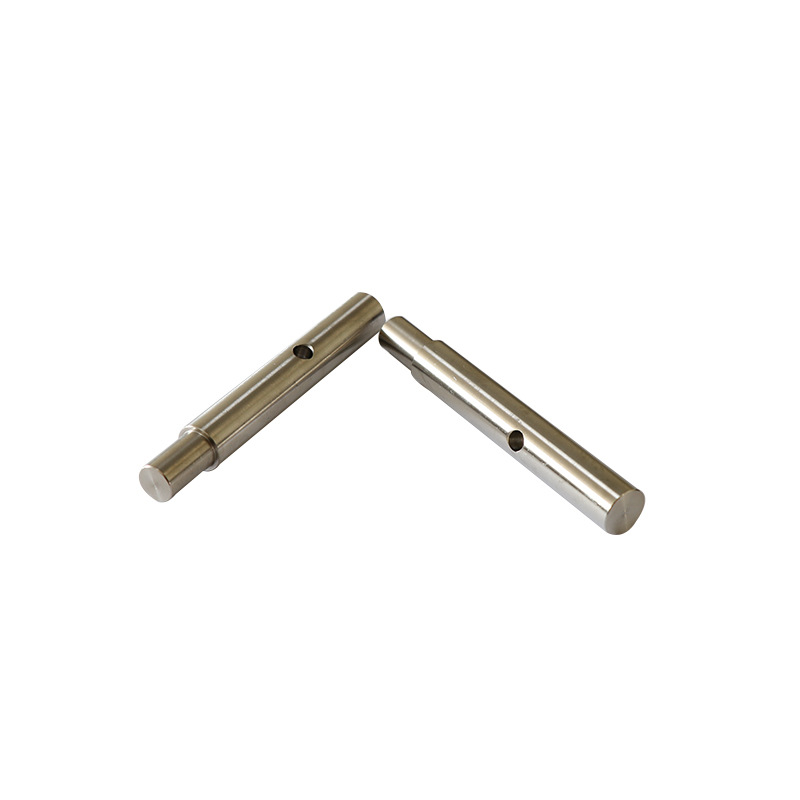
What Is Stainless Steel Forging?
Stainless steel forging is a manufacturing process where stainless steel billets or bars are heated to a specific temperature range and then shaped using compressive dies, hammers, or presses to form near-net-shape components with enhanced mechanical properties.
Definition and Core Concept
The term “forging” refers specifically to plastic deformation under controlled force. Unlike casting, which pours molten metal into a mold, forging works with solid metal. The compressive force during forging breaks up internal voids, refines the grain structure, and aligns the metal’s crystalline flow along the part’s geometry. According to the Steel Forging organization, this process improves both the strength and corrosion resistance of stainless steel, enabling forged grades to outperform and outlast components made by other methods [1].
Stainless steel itself is an iron-based alloy containing a minimum of 10.5% chromium by mass. That chromium content creates a passive oxide layer on the surface, giving the material its characteristic corrosion resistance. Forging doesn’t eliminate this property. It enhances it by closing porosity and producing a denser, more uniform microstructure.
Why Stainless Steel Forging Matters
The applications are broad and demanding. Forged stainless components appear in:
- Surgical instruments and implantable medical devices
- Aerospace fasteners and structural brackets
- Automotive exhaust and fuel system components
- Food processing equipment and valves
- Chemical plant fittings and pump bodies
- Marine hardware and subsea connectors
In each of these environments, the combination of corrosion resistance and high mechanical strength isn’t optional. It’s a baseline requirement. That’s what makes stainless steel forging a critical process rather than a niche one.
According to ASM International’s handbook on forging stainless steels, stainless steels require significantly more forging pressure than carbon or low-alloy steels, making equipment selection and process planning particularly important [2].
How Stainless Steel Forging Works
the practice works by heating a solid billet to a temperature between 1700°F and 2300°F, then applying compressive force through dies or hammers to shape the material while it remains in a plastic, workable state.
The Step-by-Step Forging Process
- Billet selection and preparation: A bar or billet of the specified stainless grade is cut to the correct volume for the target part geometry.
- Heating: The billet is loaded into a furnace and brought up to the forging temperature range for the specific grade. Temperature uniformity matters enormously here. Cold spots cause cracking; hot spots cause grain growth.
- Forging: The heated billet is placed between dies in a hydraulic press, mechanical press, or hammer. Force is applied to deform the material into the die cavity. This may happen in multiple stages using progressively shaped dies.
- Trimming: Flash (excess material squeezed out between die faces) is trimmed away.
- Heat treatment: Most stainless forgings require annealing (solution annealing for austenitic grades) to relieve residual stress and restore corrosion resistance.
- Inspection: Dimensional checks, surface inspection, and non-destructive testing (NDT) are performed to verify the forging meets specification.
- Finish machining: Near-net-shape forgings are transferred to CNC turning or milling operations to achieve final tolerances.
Forging Methods Used for Stainless Steel
Not all forging methods suit every application. The main options are:
| Method | Best For | Typical Tolerance | Volume Range |
|---|---|---|---|
| Open-die forging | Large, simple shapes; low volumes | ±1.0–3.0 mm | 1–500 pieces |
| Closed-die (impression die) forging | Complex net-shape parts; medium-high volumes | ±0.3–1.0 mm | 500–100,000+ pieces |
| Rolled-ring forging | Rings, flanges, bearing races | ±0.5–2.0 mm | 10–10,000 pieces |
| Cold forging | Small, high-volume parts; tight tolerances | ±0.05–0.2 mm | 10,000–1,000,000+ pieces |
GL Forge’s guide to this practices confirms that stainless steel is hot-forged at temperatures between 1700°F and 2300°F depending on the specific grade, with the exact range varying significantly between austenitic, ferritic, and martensitic families [3].
Pro Tip: Always verify your furnace temperature uniformity with calibrated thermocouples before starting a production run. A 50°F variation across the billet can cause inconsistent grain structure and unpredictable mechanical properties in the finished forging.
Best Grades for Stainless Steel Forging
The best grades for this method depend on the application requirements, but 304, 316, 410, and 17-4 PH are the most widely used across industrial, medical, and aerospace sectors.
Austenitic Grades: 304 and 316
Austenitic stainless steels (the 300 series) dominate forging volumes globally. They offer excellent corrosion resistance, good toughness, and reasonable forgeability. The trade-off is that they work-harden rapidly, meaning the forging temperature must stay within a tighter window than carbon steels [4].
- Grade 304 (UNS S30400): The most common forging grade. Good corrosion resistance, excellent weldability, and broad availability. Forged at 1700°F to 2300°F. Widely used in food equipment, architectural hardware, and chemical processing.
- Grade 316 (UNS S31600): Contains 2–3% molybdenum, giving it superior resistance to chloride-induced pitting. The preferred choice for marine, pharmaceutical, and medical applications. Forging range is 2100°F to 2300°F.
- Grade 316L: Low-carbon variant of 316. Preferred when post-weld corrosion resistance is critical. Annealing after forging is strongly recommended.
Martensitic and Precipitation-Hardening Grades
When hardness and wear resistance take priority, martensitic grades come into play:
- Grade 410 (UNS S41000): The standard martensitic forging grade. Can be heat-treated to high strength levels. Used in cutlery, valves, and pump shafts. Forging range: 1750°F to 2250°F.
- Grade 420: Higher carbon content than 410, providing greater hardness after heat treatment. Popular for surgical instruments and knife blades.
- 17-4 PH (UNS S17400): A precipitation-hardening grade that combines high strength with good corrosion resistance. Widely used in aerospace and defense components. Forging range: 1900°F to 2150°F.
According to research from the UNT Digital Library on forging evaluation of 304L stainless steel, forging parameters including temperature, reduction ratio, and strain rate all significantly affect the final metallographic structure and mechanical properties of austenitic stainless forgings [5].
Pro Tip: For medical device components, 316L and 17-4 PH are the two grades most accepted by regulatory frameworks. Confirm your material certification (mill cert) includes the heat number, chemical composition, and mechanical test results before submitting to FDA or CE audits.
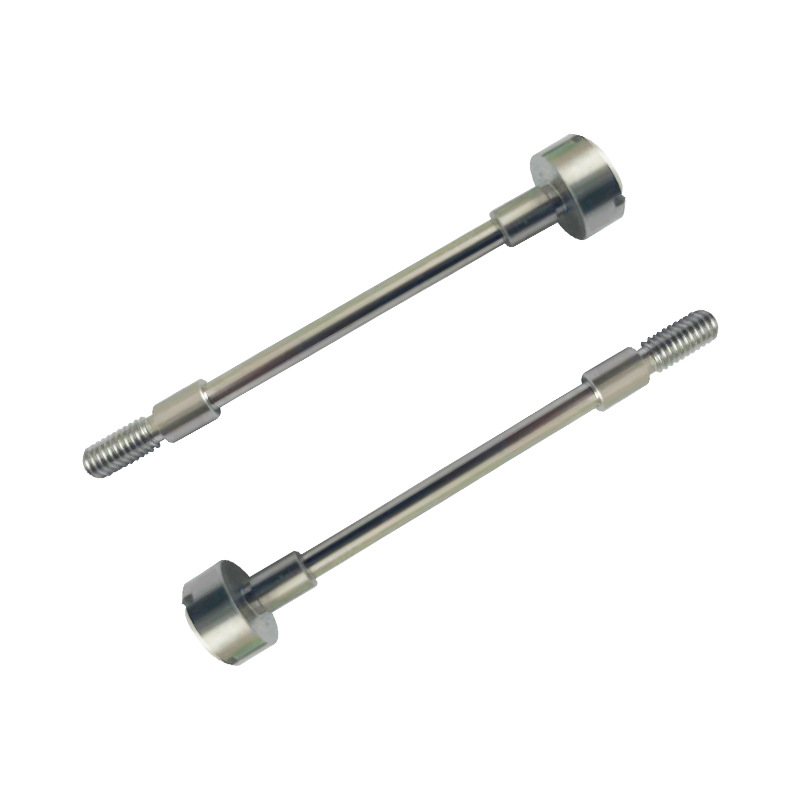
Key Benefits of Stainless Steel Forging
this strategy delivers higher tensile strength, better fatigue resistance, and superior structural integrity compared to cast or machined-from-bar stainless components, making it the preferred choice for safety-critical applications.
Mechanical and Structural Advantages
The forging process physically refines the metal’s grain structure. As the billet is compressed and shaped, the grains elongate and flow along the part’s contour. This directional grain flow (called “fiber flow”) significantly improves resistance to fatigue cracking under cyclic loads.
Key mechanical benefits include:
- Higher tensile strength: Forged stainless steel typically achieves 20–30% higher tensile strength than cast equivalents of the same grade [1].
- Improved impact toughness: The denser, void-free microstructure resists crack propagation under sudden impact loads.
- Better fatigue life: Continuous grain flow reduces stress concentration points, extending the service life of components under cyclic loading.
- Reduced porosity: Casting introduces gas pores and shrinkage voids. Forging eliminates these internal defects by mechanically consolidating the material.
According to Trenton Forging’s technical overview, the continuous grain flow created during forging improves the mechanical properties of stainless steel in ways that cannot be replicated by machining or casting [6].
Corrosion Resistance and Surface Integrity
Forging doesn’t just improve strength. It also enhances corrosion performance. By closing internal porosity and producing a uniform microstructure, the forging process removes the pathways through which corrosive media can penetrate. This is particularly valuable for 316 and 316L grades used in chloride-rich environments.
Titan Fittings’ comparison of forged vs. cast stainless steel confirms that forging enhances both strength and ductility through compressive deformation, making forged parts more reliable in demanding service conditions [7].
From a practical standpoint, a procurement manager sourcing valve bodies for an offshore oil platform faces a clear choice: a cast body that may harbor internal voids undetectable by visual inspection, or a forged body with a documented, traceable grain structure. For safety-critical service, the forged part wins every time.
Common Challenges and Mistakes to Avoid
The most common challenges in this approach are temperature control errors, excessive work-hardening, and inadequate post-forging heat treatment, all of which can compromise the final part’s mechanical properties and corrosion resistance.
Temperature and Work-Hardening Issues
Stainless steel is significantly harder to forge than carbon steel. ASM International notes that stainless steels require substantially more forging pressure and load than carbon or low-alloy steels [2]. The main reasons:
- Rapid work-hardening: Austenitic grades like 304 and 316 harden quickly as they’re deformed. If the temperature drops below the minimum forging threshold, the material becomes extremely resistant to further deformation, risking cracking or die damage.
- Narrow temperature windows: The forging range for stainless is tighter than for carbon steel. Overheating causes grain growth (reducing toughness); underheating causes cracking.
- Scale formation: Stainless steel forms a tenacious chromium oxide scale at forging temperatures. This scale is abrasive and can damage dies if not managed properly.
A common mistake is attempting to forge stainless steel on equipment sized for carbon steel without accounting for the 30–50% increase in forging force required, as noted by practitioners on IForge Iron’s technical forum [8].
Post-Forging Treatment Mistakes
Skipping or improperly performing post-forging heat treatment is one of the most costly errors in stainless forging production:
- Sensitization in austenitic grades: Heating austenitic stainless steel in the 800°F–1500°F range causes chromium carbide precipitation at grain boundaries, depleting the surrounding matrix of chromium and creating susceptibility to intergranular corrosion. Solution annealing followed by rapid quenching prevents this.
- Inadequate stress relief: Residual stresses from forging can cause distortion during subsequent machining. Proper annealing eliminates this risk.
- Skipping NDT: Internal forging defects (laps, cold shuts, internal cracks) won’t show on a surface inspection. Ultrasonic testing (UT) or dye penetrant testing (PT) should be standard for safety-critical parts.
In practice, we’ve seen procurement teams accept forged blanks without requiring a solution anneal certificate, only to discover accelerated corrosion failure in service within 18 months. Don’t skip the heat treatment documentation.
Best Practices for Stainless Steel Forging in 2026
The best practices for the practice in 2026 center on precise thermal management, die design optimization, rigorous post-forging treatment, and integrating digital quality documentation to meet increasingly stringent customer and regulatory requirements.
Process Control and Equipment Standards
As of 2026, leading forging operations follow these non-negotiable process standards:
- Calibrated furnace monitoring: Use multi-zone furnaces with continuous thermocouple logging. ASTM A484 and EN 10088 material standards both require documented heat treatment records.
- Die preheating: Preheat dies to 300°F–500°F before forging stainless steel. Cold dies cause rapid heat extraction from the billet surface, creating temperature gradients that promote cracking.
- Lubrication: Use graphite-based or glass-based lubricants specifically formulated for stainless steel forging. These reduce die wear and prevent the chromium oxide scale from welding to die surfaces.
- Controlled cooling rates: For martensitic grades, controlled cooling after forging is essential to prevent cracking. For austenitic grades, rapid quenching after solution annealing is required.
- Force monitoring: Modern hydraulic presses with load cell monitoring can detect mid-stroke anomalies that indicate temperature drop or die misalignment.
Quality Assurance and Certification Requirements
Quality documentation has become a competitive differentiator, not just a compliance checkbox. Customers in automotive, medical, and aerospace sectors now expect:
- Full material traceability from mill cert to finished part
- Dimensional inspection reports (CMM or optical measurement)
- Hardness testing results per ASTM E18 or ASTM E10
- NDT records (UT, PT, or MT as applicable)
- Heat treatment certification with time-temperature charts
At MFG SOLUTION, we’ve found that customers sourcing stainless forged components increasingly require suppliers certified to ISO 9001:2015 at minimum, with IATF 16949 for automotive applications and ISO 13485:2016 for medical device components. Our team holds all three certifications, with every production step tracked, documented, and auditable for compliance.
The Scot Forge materials guide confirms that this practices are routinely produced for operation in acidic, high-temperature, and cryogenic environments, underscoring the importance of full process documentation for these demanding applications [9].
Pro Tip: When sourcing forged stainless components for medical or automotive applications, always request a PPAP (Production Part Approval Process) package or equivalent first-article inspection report. This documentation confirms the supplier’s process is capable of consistently producing parts within your specification, not just that one sample part passed inspection.
The Nickel Institute’s technical guide on forgings provides detailed guidance on nickel-containing stainless grades, reinforcing the importance of proper heat treatment protocols and post-forging inspection for corrosion-critical applications [10].
Sources & References
- Steel Forging Organization, “Stainless Steel Forging,” 2024
- ASM International, “Forging of Stainless Steels,” ASM Handbook
- GL Forge, “Guide to Stainless Steel Forgings: 304 and 316 SS Forging,” 2024
- Philadelphia Forgings, “Stainless Steel Forgings,” 2024
- UNT Digital Library, “Forging Evaluation of 304L Stainless Steel,” 2017
- Trenton Forging, “Stainless Steel Forging: Benefits,” 2024
- Titan Fittings, “Forged vs. Cast Stainless Steel: Understanding the Differences,” 2024
- IForge Iron, “Forging Stainless Steel — Experts Please,” Community Forum
- Scot Forge, “Stainless Steel Forgings,” 2024
- Nickel Institute, “Forgings Technical Guide,” AISI Publication 9016
Frequently Asked Questions
1. Is 304 stainless steel good for forging?
Yes, 304 stainless steel is one of the most widely forged grades in industrial production. It offers a good balance of corrosion resistance, toughness, and availability. However, it work-hardens rapidly, so forging must be performed within the 1700°F to 2300°F range with minimal interruption. Parts forged from 304 are used extensively in food processing equipment, chemical handling valves, and architectural hardware. Post-forging solution annealing is recommended to relieve residual stress and maintain optimal corrosion resistance.
2. What temperature is needed to forge 316 stainless steel?
316 and 316L stainless steel should be forged within a temperature range of 2100°F to 2300°F (approximately 1150°C to 1260°C). The molybdenum content in 316 makes it slightly more resistant to deformation than 304, so staying toward the upper end of this range is advisable for complex geometries. After forging, solution annealing at 1900°F to 2050°F followed by rapid water quenching is strongly recommended to dissolve any chromium carbide precipitates and fully restore the grade’s superior chloride-pitting resistance.
3. What is the difference between forged stainless steel and cast stainless steel?
Forged stainless steel is shaped from a solid billet under compressive force, producing a refined grain structure with no internal porosity. Cast stainless steel is poured as molten metal into a mold, which can introduce gas pores, shrinkage voids, and dendritic grain structures. Forged parts typically show 20–30% higher tensile strength and significantly better fatigue resistance. Cast parts can achieve more complex geometries in a single operation but are less suitable for safety-critical, high-cycle applications.
4. Which stainless steel grades are easiest to forge?
Ferritic grades (400 series without high carbon) and low-carbon austenitic grades like 304L and 316L are generally the most forgiving to work with. Martensitic grades like 410 and 420 are forgeable but require careful temperature control and post-forging heat treatment to prevent cracking. Precipitation-hardening grades like 17-4 PH are more challenging due to their complex heat treatment requirements but are widely forged for aerospace and defense applications.
5. Can stainless steel be cold forged?
Yes, stainless steel can be cold forged, though it’s more challenging than cold forging carbon steel due to its higher work-hardening rate and strength. Cold forging of stainless steel (performed at or near room temperature) is used for small, high-volume parts like fasteners, connectors, and medical implant components where tight tolerances and excellent surface finish are required. It demands higher-capacity equipment and more frequent die changes than equivalent carbon steel cold forging operations.
6. How does stainless steel forging compare to machining from bar stock?
Machining from bar stock removes material to achieve shape, which can interrupt the grain flow and leave stress risers at machined surfaces. this method shapes the material so the grain follows the part’s contour, producing inherently stronger parts. For high-volume production, forging also reduces material waste significantly. That said, machining remains essential for achieving final dimensional tolerances on forged blanks, and the two processes are frequently used in combination.
Conclusion
this strategy remains one of the most reliable methods for producing components that must handle mechanical stress, corrosive environments, and demanding service conditions simultaneously. The process delivers measurable improvements in tensile strength, fatigue life, and corrosion resistance that casting and bar-stock machining simply can’t match. Grade selection, temperature control, and post-forging heat treatment are the three variables that determine whether a forging succeeds or fails in production.
As of 2026, the industries driving demand for forged stainless components (medical devices, automotive systems, and precision electronics) are applying tighter quality requirements than ever before. Suppliers who can document their process, hold the right certifications, and deliver quickly are the ones winning long-term contracts.
At MFG SOLUTION, our cold forging capability, 60+ engineering professionals, and certifications to ISO 9001:2015, ISO 13485:2016, and IATF 16949 position us to support your this approach requirements from initial design review through finished, inspected parts. We provide quotes within 8 hours and ship within 3 days, so your production schedule doesn’t stall waiting on a supplier. If you’re sourcing precision stainless components up to 38mm in diameter, our team is ready to help you get it right the first time.
Recommended Articles
Explore more from our content library: