
2026-08-25
A Complete Guide to Cold Forging Process Benefits
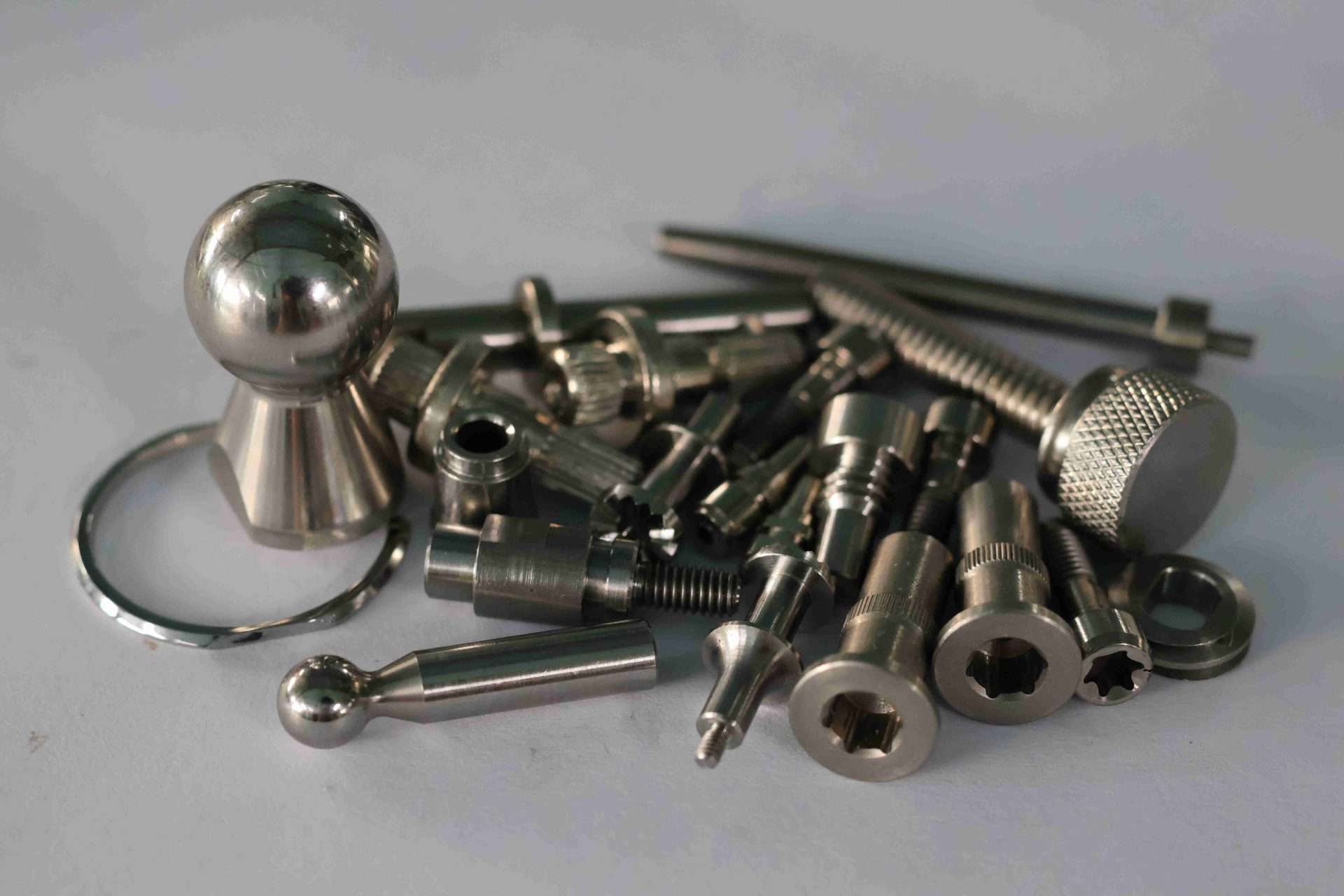
Cold forging process benefits include superior part strength, tighter dimensional tolerances, excellent surface finish, and reduced material waste, all achieved without heating the metal. Because the workpiece is shaped at or near room temperature, the grain structure flows continuously through the part, increasing hardness and fatigue resistance. High production volumes become cost-efficient quickly, making cold forging a preferred method for automotive, aerospace, and medical components that demand consistent mechanical properties at scale.
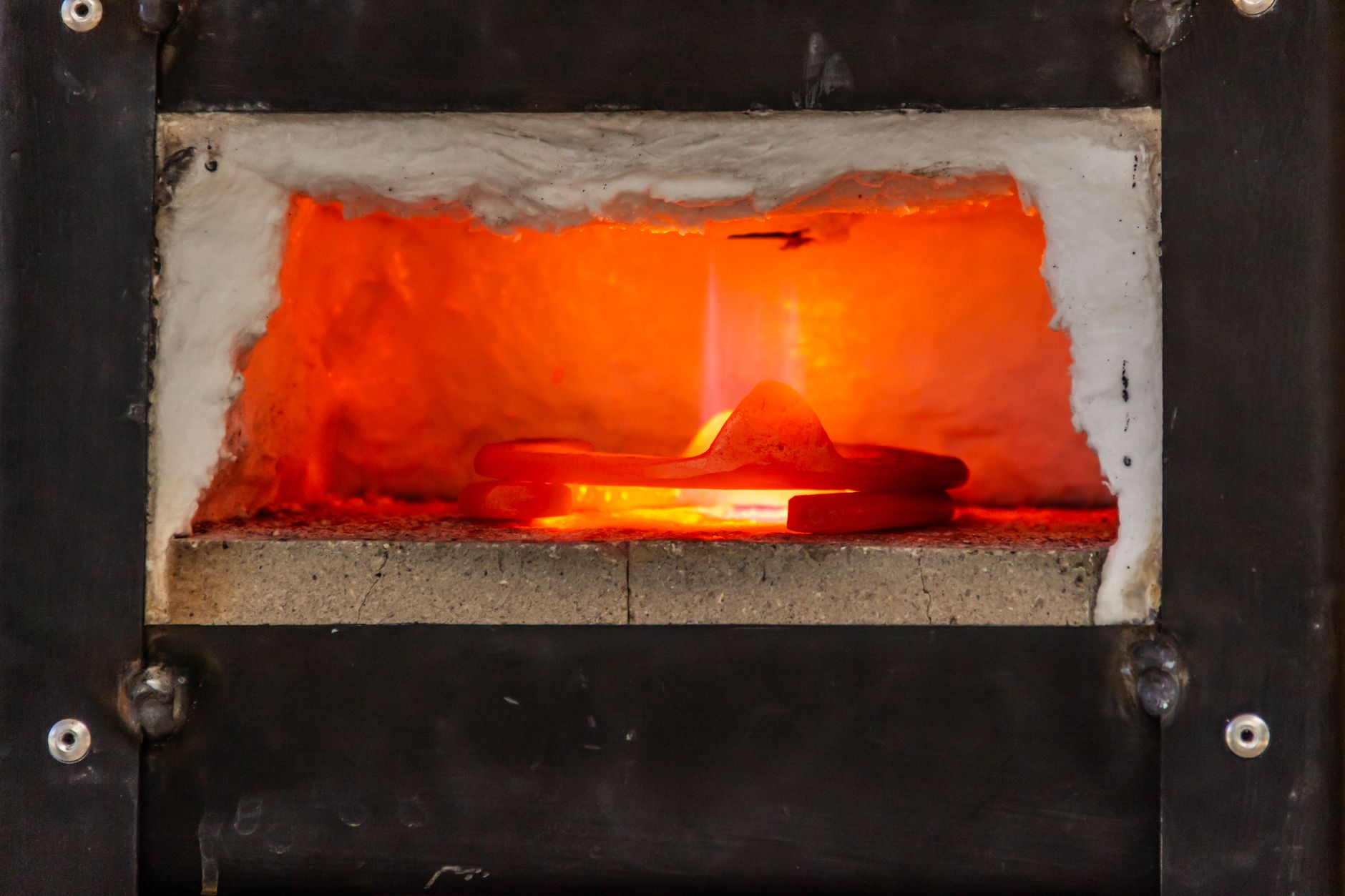
Cold Forging Process Benefits: What They Are and Why They Matter
Cold forging shapes metal through compressive die pressure at or near room temperature, no external heat source, no disrupted grain structure, and measurable gains in part strength.
Unlike hot forging, which heats the workpiece above its recrystallization temperature, cold forging preserves the metal’s crystalline grain structure and forces it to flow continuously through the new shape. Unlike machining, which cuts away material to reach a final geometry, cold forging displaces material, so almost nothing is wasted. For a broader overview of cold forging types and uses, IQS Directory’s cold forging resource provides a useful reference.
How the Work-Hardening Mechanism Produces Stronger Parts
When a metal blank deforms plastically under die pressure, dislocations within the grain structure multiply and interlock. This phenomenon, called work hardening or strain hardening, increases both yield strength and hardness in the finished part without any secondary heat treatment step.
The process sequence on the shop floor follows a consistent pattern:
- Blank preparation — cutting or shearing the raw material to the correct volume
- Lubrication — coating the workpiece and dies to reduce friction and extend die life
- Die loading — positioning the blank precisely within the die cavity
- Pressing or extrusion — applying compressive force to displace material into the final shape
- Ejection — removing the finished part from the die without distortion
Each stage is controlled tightly because die precision at room temperature translates directly into dimensional accuracy in the finished part.
Three mechanics drive the cold forging process benefits that manufacturers care about most: grain continuity produces higher fatigue resistance; die precision produces tighter tolerances; and the absence of oxidation or scale produces a cleaner surface finish, often requiring no additional finishing operations.
What Types of Metals Can and Cannot Be Cold Forged Effectively?
Low-to-medium carbon steels, aluminum alloys, copper, and brass respond well to cold forging because they have sufficient ductility to deform plastically without cracking under die pressure. Metals that are well-suited to cold forging share several characteristics:
- High ductility at room temperature, allowing plastic deformation without cracking
- Moderate flow stress, keeping tonnage requirements within practical press limits
- Predictable work-hardening behavior, enabling consistent final-part properties
- Good lubrication compatibility, supporting die life and surface quality
High-alloy steels and titanium present real challenges. Their flow stress at room temperature exceeds practical die limits, and their lower ductility raises the risk of cracking during deformation, making warm or hot forging the more appropriate choice for those materials.
How Does Cold Forging Differ From Other Metalworking Methods?
Casting introduces porosity and non-uniform grain structure; machining removes material and severs grain flow. Cold forging does neither. The grain structure follows the contour of the finished part, which is why forged components consistently outperform cast or machined equivalents in fatigue and tensile strength.
That structural advantage, combined with high-volume repeatability, is why industries from automotive to medical devices specify cold forging for safety-critical components where consistent mechanical properties are non-negotiable.
Key Cold Forging Process Benefits Compared to Hot Forging
Cold forging outperforms hot forging on strength, dimensional accuracy, surface finish, and material efficiency—making it the preferred process for high-volume precision parts. For a detailed side-by-side comparison, General Kinematics’ cold forging vs. hot forging analysis covers the trade-offs thoroughly.
How Do Material Properties and Strength Differ Between Cold-Forged and Hot-Forged Parts?
Cold forging strengthens metal through work hardening: the grain structure deforms and compresses under the die, increasing tensile and yield strength without adding heat. Hot forging operates above the metal’s recrystallization temperature, which makes the material easier to shape but erases the work-hardening effect as the grains reform during cooling. The result is that two parts made from the same alloy—one cold-forged, one hot-forged—will not have the same mechanical properties. The cold-forged part typically carries higher tensile and yield strength.
That strength advantage matters most in applications where fatigue resistance and load-bearing capacity are design constraints—connector pins, fasteners, and drivetrain components being common examples.
Hot forging still holds clear advantages in specific situations. Complex geometries that require extreme deformation, very high-alloy steels or nickel superalloys that crack under cold working, and parts where residual stress from cold working would cause dimensional instability in service—these all favor hot forging. The cold forging process benefits are real, but they apply within a defined material and geometry envelope.
What Are the Dimensional Accuracy and Surface Finish Advantages of Cold Forging?
Because cold forging takes place at room temperature, the workpiece does not expand or contract thermally during the process. Dies hold tighter tolerances as a result, and parts exit the press closer to final dimensions—reducing or eliminating secondary CNC machining operations that hot-forged blanks typically require.
Surface finish is a direct beneficiary of the same mechanism. Hot forging produces oxide scale on the part surface that must be descaled before finishing. Cold-forged parts carry no scale—the surface emerges clean and smooth, often meeting final-use requirements without grinding or additional finishing steps.
Material efficiency follows the same logic. Cold forging uses closed dies that control material flow precisely, making it a near-net-shape process. Scrap rates are substantially lower than subtractive machining and comparable to—or better than—hot forging, where loose scale and flash add to material loss.
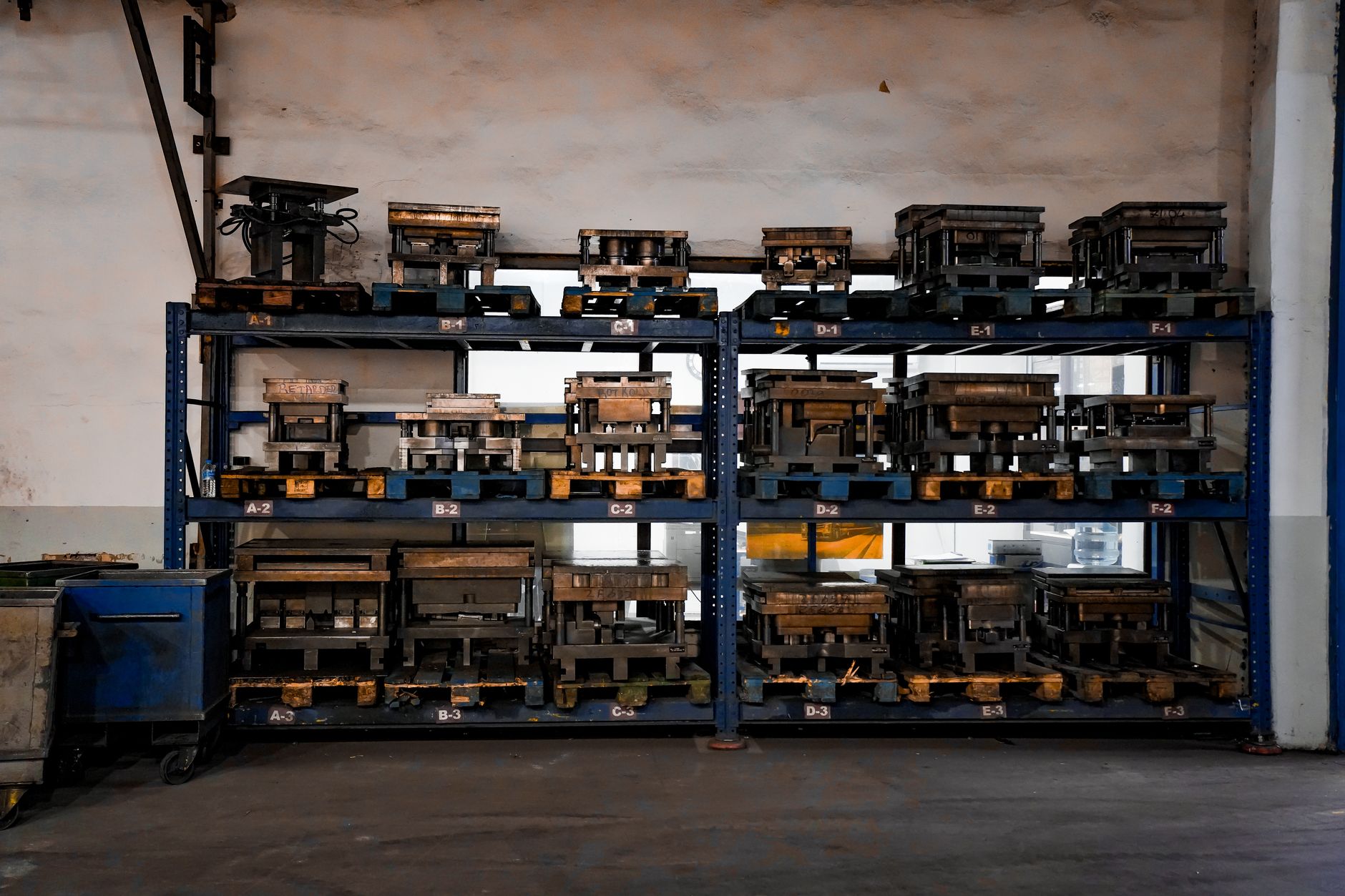
Cost and ROI Considerations for Cold Forging Operations
Cold forging’s economic case rests on volume: high tooling costs upfront, but sharply falling per-unit costs as production scales.
The Tooling Investment Reality
Precision hardened dies represent a meaningful capital commitment before the first part ships. That front-loaded cost structure makes cold forging a poor fit for short runs, but a strong fit when die cost spreads across tens of thousands of parts.
Think of tooling as a fixed overhead that the production volume must absorb. The higher the volume, the smaller the per-part share of that overhead becomes.
How the Per-Unit Cost Curve Behaves
As volume rises, cost-per-part falls sharply in cold forging. Cycle times are fast, labor per part is low, and material waste is minimal, three factors that compound the savings at scale.
Machining behaves differently. Per-unit cost stays relatively flat regardless of volume, because each part still requires the same cutting time and tool wear. Cold forging’s cost curve crosses below machining’s at a volume threshold that depends on part complexity and die cost.
Secondary-Operation Savings
One of the practical cold forging process benefits is the reduction in downstream work. Tighter tolerances and better surface finish from the forging die can eliminate or reduce grinding, turning, and finishing steps, and those savings offset part of the tooling investment over a production run.
Qualitative Cost Tiers and Break-Even Logic
Cold forging is budget-friendly at high volumes for simple-to-moderate geometries. Parts requiring secondary work fall into a mid-range position. At low volumes or for complex geometries, die costs cannot spread far enough to compete.
The crossover point where cold forging beats machining or hot forging depends on part complexity, material, and annual volume. Manufacturers should model this using actual die quotes and cycle time estimates, not industry averages, before committing to a process.
Industries and Applications That Benefit Most From Cold Forging
Automotive, aerospace, and medical device manufacturing extract the greatest cold forging process benefits because each demands high-volume, strength-critical parts with tight dimensional tolerances.
Automotive Manufacturing
Automotive production volumes make cold forging a natural fit for fasteners, gear blanks, steering knuckles, and axle shafts. At the scale automotive suppliers operate, often millions of identical parts per year, the combination of near-net-shape output, minimal material waste, and superior mechanical strength per unit cost is difficult to match with any alternative process.
The grain flow that cold forging produces follows the contour of the finished part, which directly improves fatigue resistance in load-bearing drivetrain and suspension components.
Aerospace and Defense
Structural fasteners, fittings, and brackets in aerospace applications require consistent fatigue strength across every unit in a production run. Cold forging’s process repeatability supports the dimensional traceability and lot-level documentation that aerospace quality systems, including AS9100-aligned programs, demand.
Medical Devices
Implant-adjacent components and surgical instrument parts require surface integrity and dimensional precision that cold forging delivers without introducing heat-induced microstructural changes. Because the process works at room temperature, the base material’s certified properties remain intact, a requirement when material traceability supports regulatory submissions.
Which Specific Components and Part Geometries Benefit Most From Cold Forging?
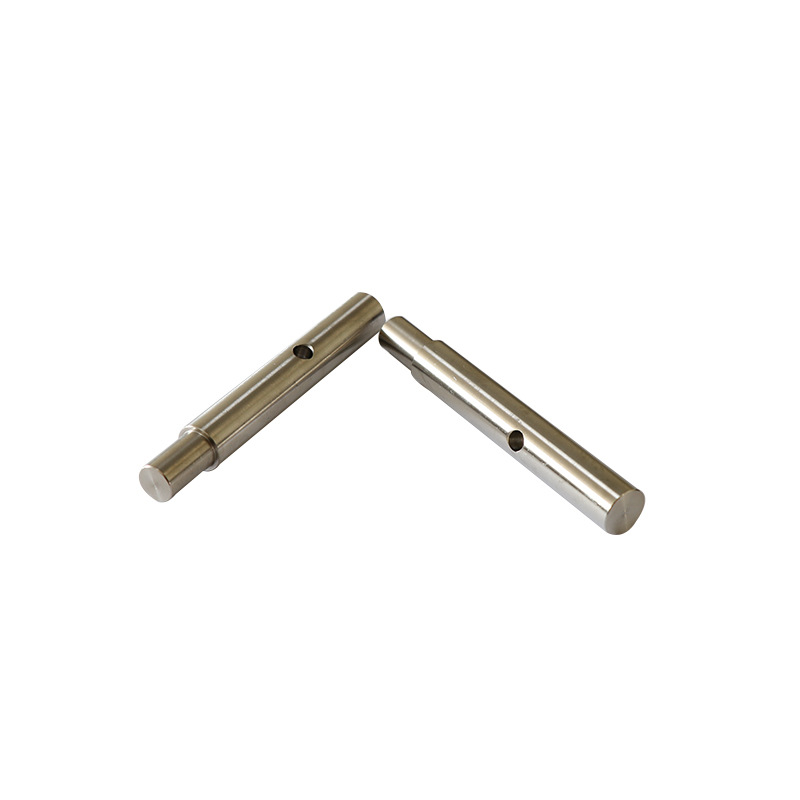
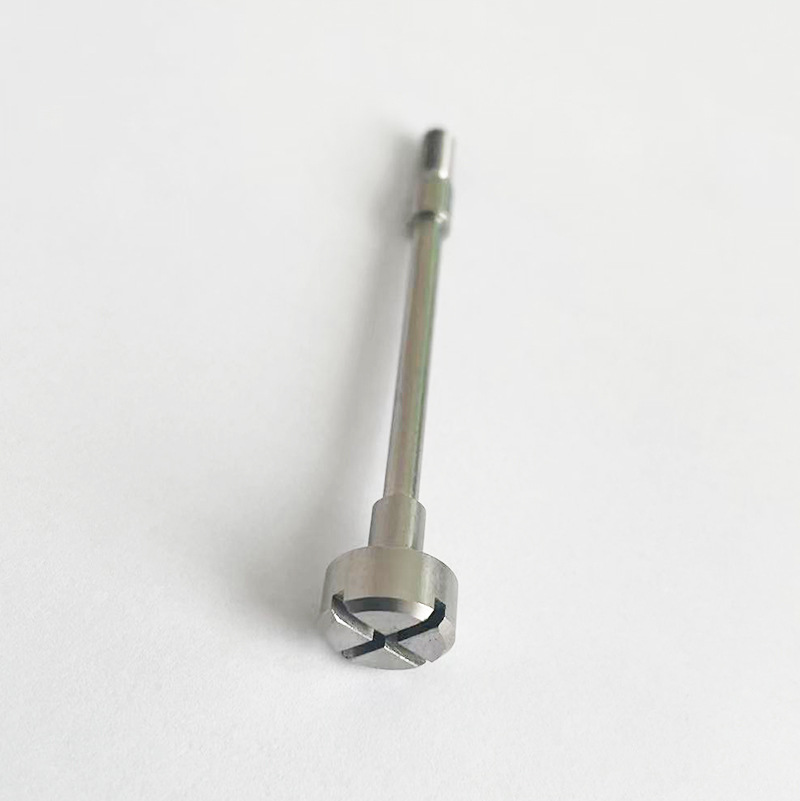
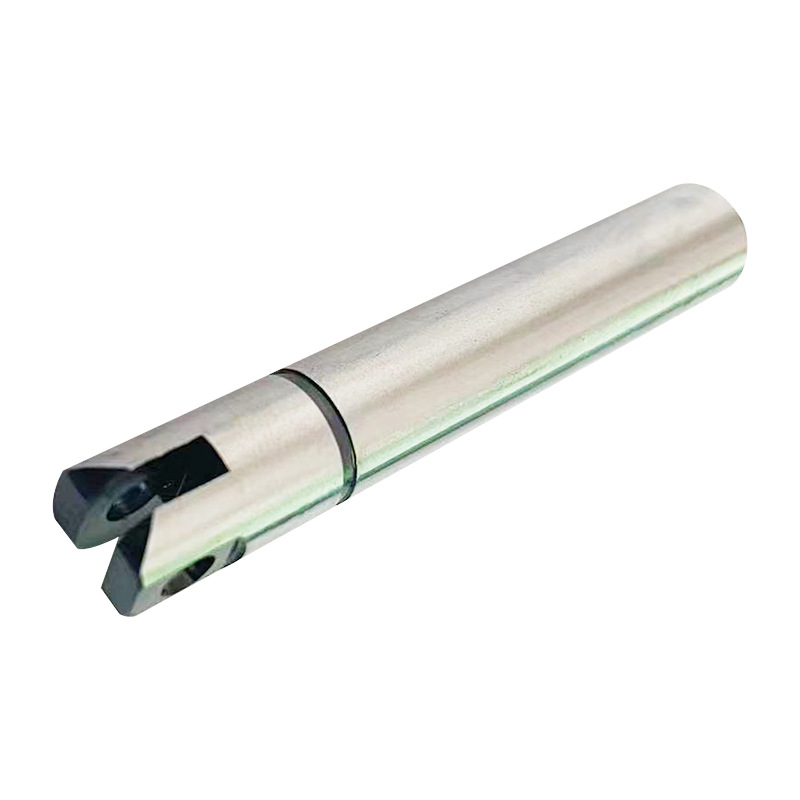
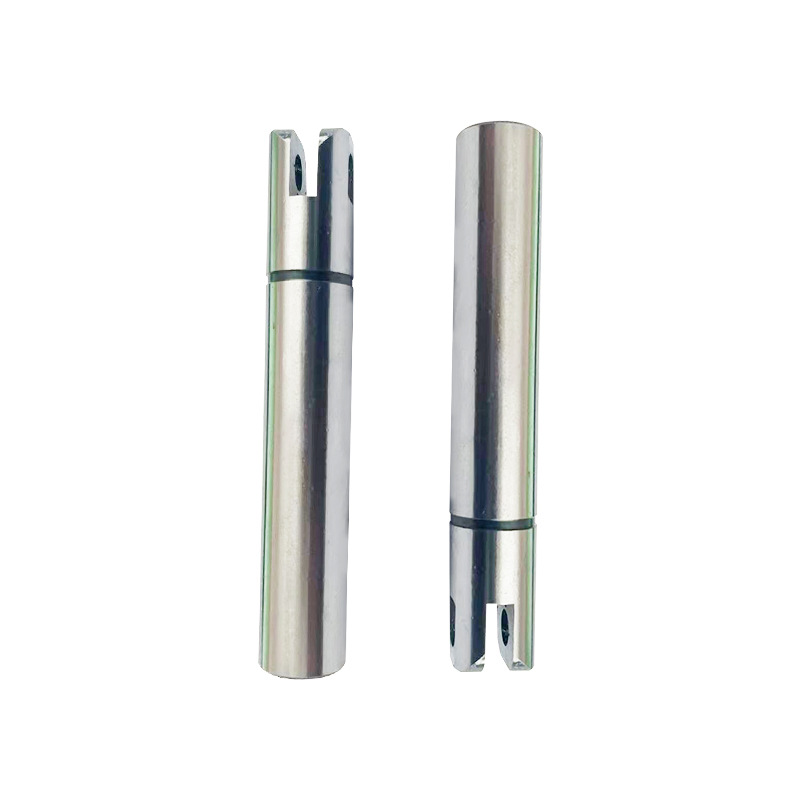
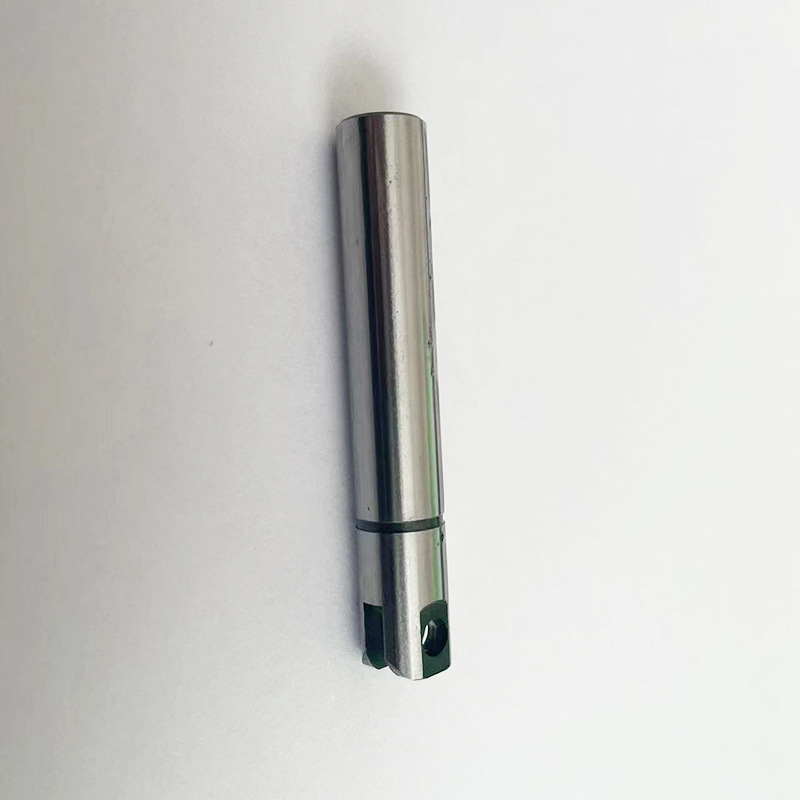
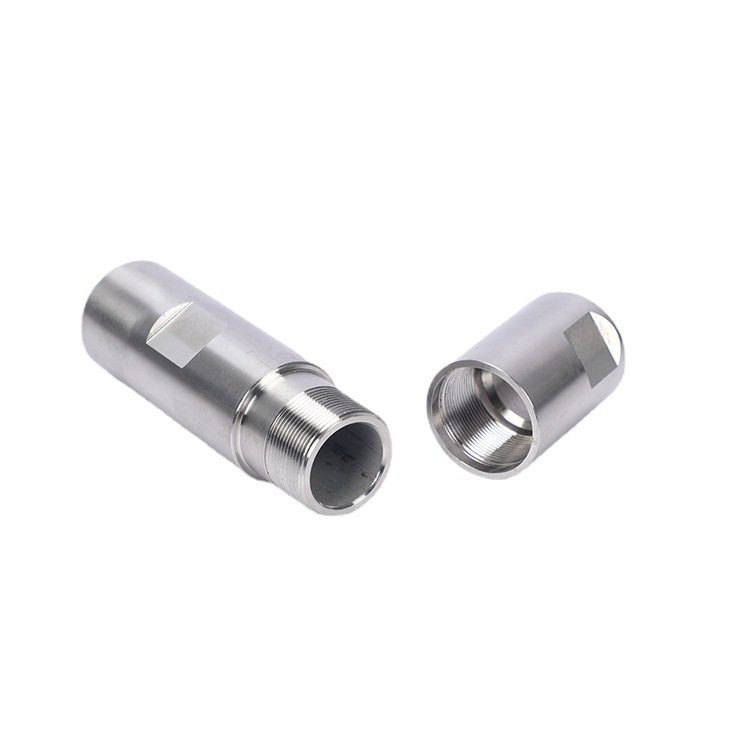
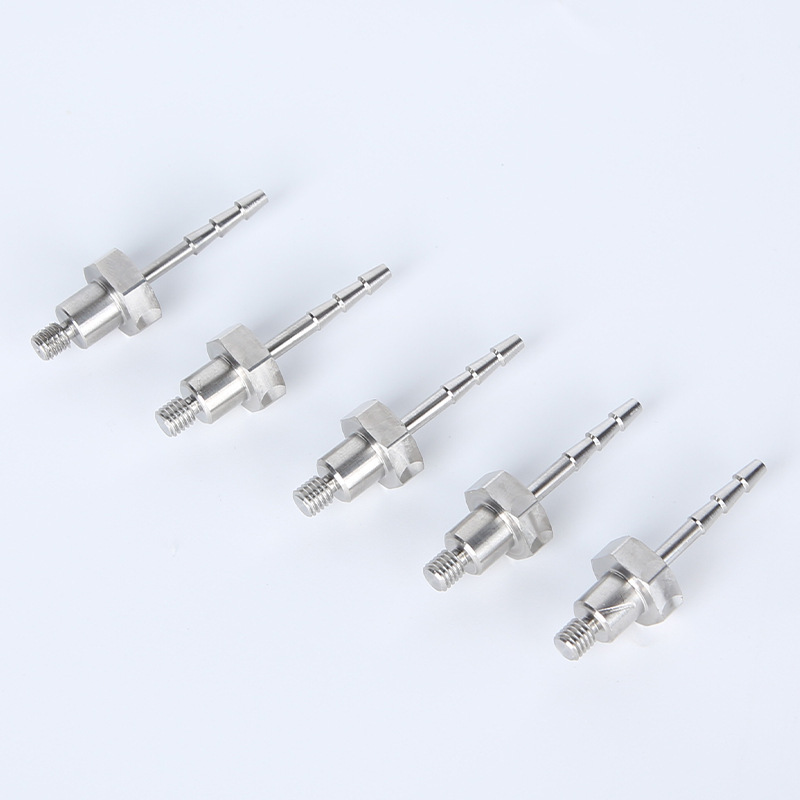
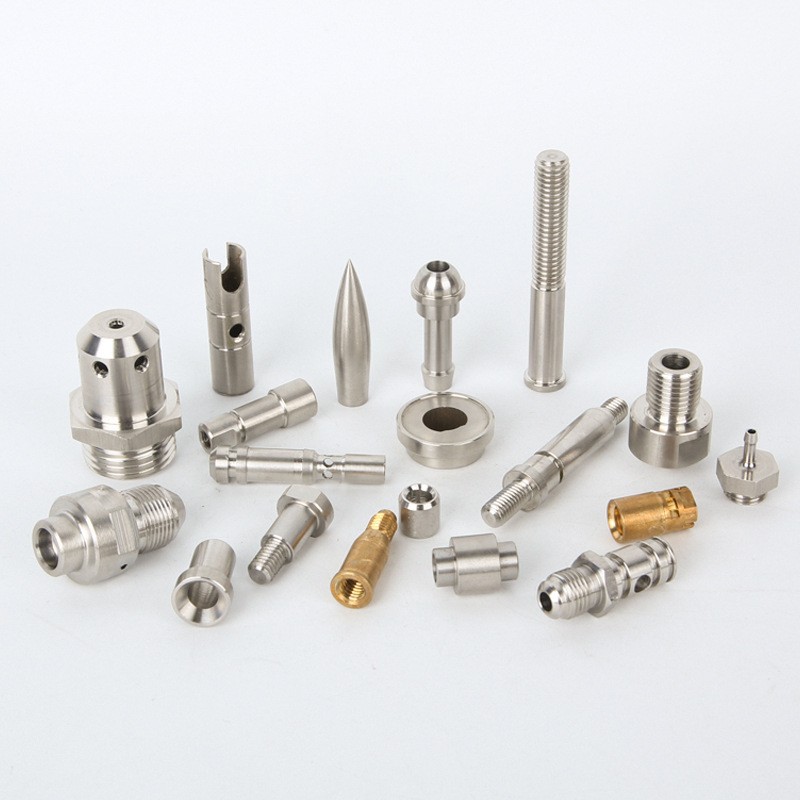
Axisymmetric shapes, shafts, pins, bushings, headed fasteners, are the strongest candidates. Parts with uniform cross-sections and load paths that align with the forged grain direction gain the most fatigue life improvement.
Geometries that are poor fits include thin-walled sections, severe undercuts, and parts with extreme length-to-diameter ratios, where die fill and ejection become problematic. For readers exploring adjacent processes, our articles on forging fundamentals and forging stainless steel cover material-specific considerations in detail.
Equipment, Tooling, and Quality Control Challenges in Cold Forging
Cold forging requires purpose-built presses, high-alloy dies, and structured QC protocols, and operational readiness depends on matching all three to your part geometry and material. Grob Inc.’s overview of cold forging mechanics offers additional context on how the process works in practice.
What Machines and Equipment Are Needed for Different Cold Forging Processes?
Three machine types handle the majority of cold forging work:
- Mechanical presses — deliver high-speed, repeatable strokes suited to simpler geometries and high-volume runs
- Hydraulic presses — offer adjustable force and stroke control, making them better for complex shapes that require precise material flow management
- Cold headers (cold heading machines) — form fasteners and similar small parts by upsetting wire or rod stock in progressive die stations
Tonnage requirements scale directly with part cross-section and the material’s flow stress. A small aluminum blank may require tens of tons of force; a large steel part with tight tolerances can demand hundreds. Equipment selection is therefore part-specific, choosing the wrong press capacity produces incomplete fill or die overload.
Tooling is the primary cost variable in cold forging. Dies operate under extreme compressive stress and must be machined from high-alloy tool steels, typically D2, M2, or carbide-grade materials, held to tight dimensional tolerances. Die wear drives tooling cost over a production run, which is why lubrication systems are non-negotiable. Phosphate coating on blanks, zinc stearate dry lubricants, and oil-based systems each reduce friction and extend die life. Skipping or under-applying lubrication is the fastest way to shorten a die’s service life.
What Are Common Defects and Quality Control Challenges in Cold Forging?
Three defect mechanisms account for most cold forging scrap. Surface cracking occurs when lubrication is insufficient or the reduction per pass exceeds the material’s ductility limit, the metal tears rather than flows. Internal voids trace back to improper blank preparation: inclusions, seams, or incorrect blank volume cause incomplete die fill or subsurface separation. Dimensional drift develops gradually as dies wear, shifting part geometry outside tolerance without any single obvious failure point.
Some parts also require intermediate stress relief annealing between forming stages. When cumulative deformation exhausts a material’s ductility, further pressing without annealing causes cracking. Annealing restores ductility so the next stage can proceed safely. After final forming, light CNC machining or surface treatment may be needed to hit final dimensional targets, one of the reasons manufacturers who understand the full cold forging process benefits often pair forging with precision machining capability.
QC for cold-forged parts rests on three pillars: dimensional inspection using CMM equipment or hard gauging, surface integrity checks for cracks or laps, and hardness testing as a practical proxy for tensile strength. These methods align directly with the documented process control requirements of ISO 9001:2015 and IATF 16949, frameworks that automotive and medical supply chains already mandate from their suppliers. MFG SOLUTION operates under both certifications, with full process documentation at every production stage.

Frequently Asked Questions
Is cold forging suitable for stainless steel?
Cold forging works with stainless steel, but the material’s high work-hardening rate makes it more demanding than aluminum or mild steel. Tooling must withstand significantly higher pressures, and intermediate annealing steps are sometimes required between forming stages to prevent cracking. Grades such as 304 and 316 are commonly cold forged for fasteners and medical components, though tooling wear rates are higher than with softer alloys. Part geometry and wall thickness both affect feasibility, so a process review with your manufacturer is recommended before committing to tooling investment.
How does cold forging affect the fatigue life of a part?
Cold forging improves fatigue life by inducing compressive residual stresses at the part surface, which resist crack initiation under cyclic loading. The grain-flow refinement that occurs during cold deformation also eliminates the internal voids and discontinuities that act as fatigue initiation sites in cast or machined blanks. For automotive and medical components that experience repeated stress cycles in service, this structural improvement is one of the primary reasons engineers specify cold forging over alternative forming methods.
What is the difference between cold forging and cold extrusion?
Cold forging shapes metal by compressing a workpiece between dies to produce a near-net-shape part, while cold extrusion forces material through a die orifice to create a continuous or elongated profile. Both processes occur at or near room temperature and both improve mechanical properties through work hardening. In practice, the two methods often appear together in the same production sequence, a part may be cold forged to rough shape and then cold extruded to form a specific feature such as a shaft or stem.
At what production volume does cold forging become cost-effective?
Cold forging typically becomes cost-effective at volumes of several thousand parts per run, because tooling and die costs are amortized across the batch. Below that threshold, the per-part tooling cost often makes CNC machining or other low-setup methods more economical. High-volume production, tens of thousands of identical parts, is where cold forging delivers its strongest cost advantage, combining fast cycle times, minimal material waste, and reduced secondary machining requirements into a lower total cost per unit.
Can cold forging be combined with other manufacturing processes?
Yes, cold forging is frequently used alongside complementary processes to achieve final part specifications. After forging, parts may undergo light CNC machining to hit tight dimensional targets, surface treatments such as zinc plating or anodizing for corrosion resistance, or heat treatment to further adjust hardness. In some production sequences, cold forging handles the bulk material displacement while precision machining addresses critical features. This hybrid approach captures the material efficiency and strength benefits of forging while maintaining the geometric flexibility that complex part designs require.
Conclusion
Cold forging delivers three compounding advantages that matter most to precision part buyers: stronger grain structure than casting or machining alone, near-net-shape output that cuts material waste, and cycle times fast enough to support high-volume production economics. The process is not universal, tooling investment requires volume commitment, and harder alloys demand careful process planning, but for the right geometry and quantity, it consistently outperforms alternatives on strength-to-cost ratio.
If your parts require consistent mechanical properties across a high-volume run, the practical next step is to submit your part drawing for a cold forging feasibility review. MFG SOLUTION returns quotes within 8 hours, so you can compare cold forging against CNC turning or automatic lathe production for your specific geometry before committing to tooling.
Recommended Articles
Explore more from our content library: