
2026-09-04
Rapid Manufacturing Processes Explained for Buyers
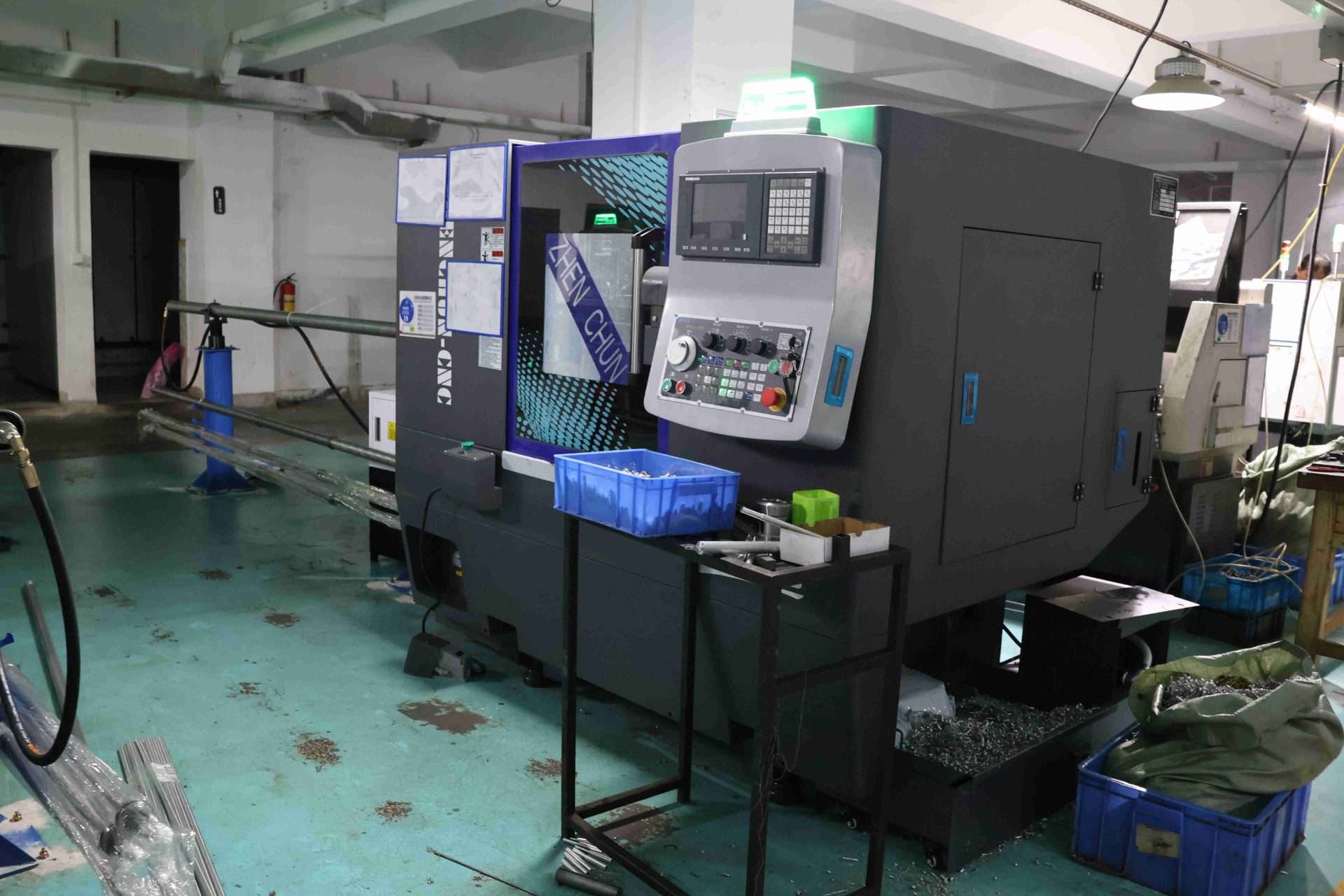
Understanding what is rapid manufacturing is essential. Rapid manufacturing is the direct production of end-use parts and products using fast, digitally driven processes, most commonly additive manufacturing, CNC machining, and injection molding, without the long lead times of traditional tooling. Unlike prototyping, the goal is functional, production-ready output delivered in days rather than weeks or months. It suits low-to-mid volume runs, custom geometries, and time-sensitive supply chains where speed and design flexibility outweigh the per-unit economics of high-volume conventional production.

What Is Rapid Manufacturing and How Does It Work?
Rapid manufacturing produces end-use parts at speed by replacing hard tooling with digital process control, cutting weeks of setup time to hours. This is particularly relevant for what is rapid manufacturing.
Traditional machining requires fixture design, tooling fabrication, and manual programming before a single part runs. Rapid manufacturing eliminates most of that front-end work. A CAD file moves directly into machine instructions, CNC code, print parameters, or mold-fill simulations, and production starts almost immediately. That digital thread, from design file to machine input without manual re-interpretation, is what compresses the design-to-production handoff and makes the speed possible.
When people ask what is rapid manufacturing versus rapid prototyping, the distinction is intent, not technology. Both may use the same CNC machines or additive equipment. Prototyping validates form and fit, the part never ships to a customer. Rapid manufacturing produces parts that enter assemblies, fulfill orders, or replace failed components in live equipment. The output must meet end-use specifications, not just look right on a desk.
What Does Rapid Manufacturing Actually Do for Businesses?
The concrete business outcomes fall into three areas. First, new product launches reach market faster because production can begin while tooling for high-volume runs is still being built, a bridge production strategy. Second, urgent replacement parts can be fulfilled in days rather than weeks, reducing equipment downtime for the buyer. Third, on-demand production reduces the need to hold large finished-goods inventory, which lowers carrying cost and obsolescence risk for short-lifecycle products.
MFG SOLUTION’s model reflects this directly: quotes within 8 hours and shipment within 3 days for precision-machined parts up to 38mm diameter, certified to ISO 9001:2015 and IATF 16949, the kind of documented process control that makes rapid output usable in regulated supply chains.
What Are the Limitations and Quality Control Challenges in Rapid Manufacturing?
Speed does not eliminate trade-offs. Surface finish on additively produced parts often requires post-processing to meet functional tolerances, adding time and cost back into the cycle. Material selection is narrower than conventional machining, not every alloy or polymer grade runs efficiently in tooling-light processes.
The quality control burden is also higher, not lower, when parts are produced at speed. Certifying end-use output requires documented inspection at each process step, dimensional checks, material traceability, and in regulated industries, full audit trails. Without that discipline, speed becomes a liability rather than an advantage. Manufacturers serving medical device or automotive customers must hold the same certification standards regardless of how fast the part was made.
The Main Types of Rapid Manufacturing Processes
Rapid manufacturing draws on three process families, additive, subtractive, and rapid injection molding, each suited to different part geometries, materials, and volumes.
Additive Manufacturing
Additive processes build parts layer by layer from a digital file. FDM deposits thermoplastic filament; SLA cures liquid resin with a UV laser; SLS sinters polymer powder; DMLS sinters metal powder. Because no cutting tool needs to reach every surface, additive methods produce complex internal channels and lattice structures that subtractive machining cannot reach. Tooling cost is effectively zero, which makes low-volume runs economical.
The trade-off is dimensional accuracy and surface finish. As-built additive parts typically require post-processing, sanding, media blasting, or machining, to meet the tight tolerances that precision assemblies demand.
Subtractive CNC Machining
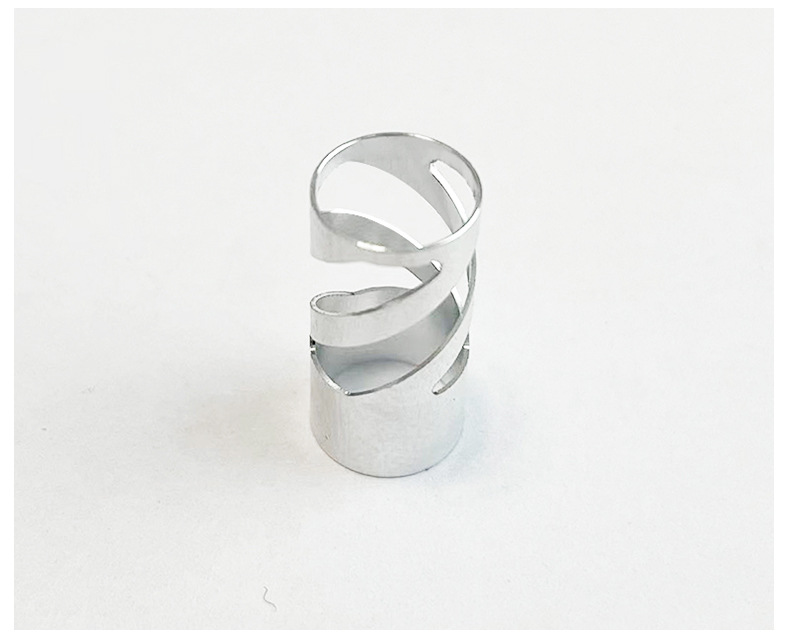
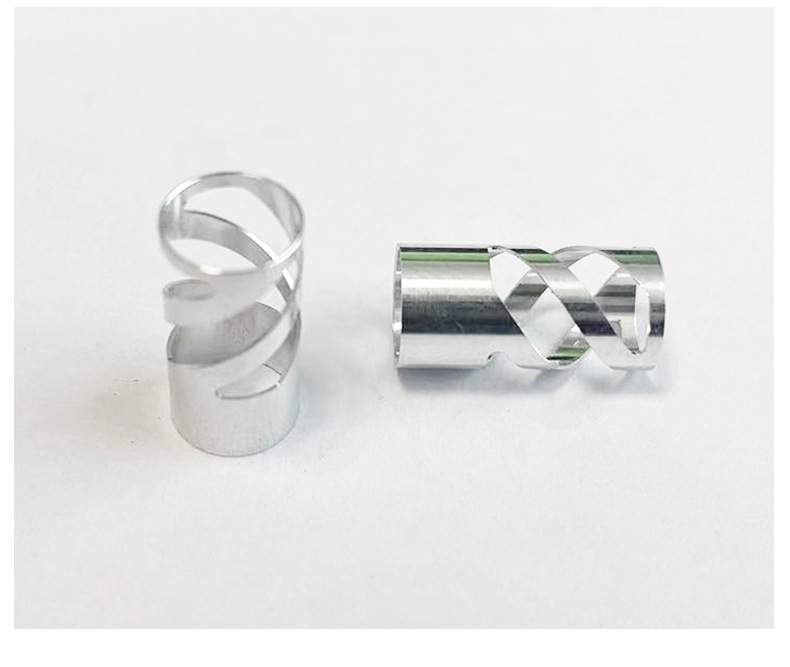
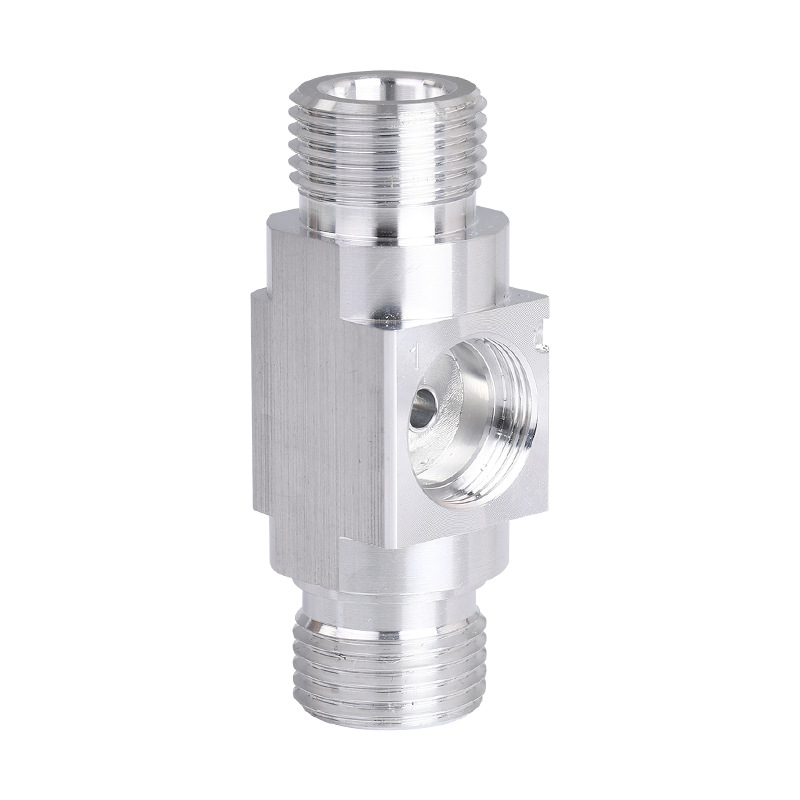
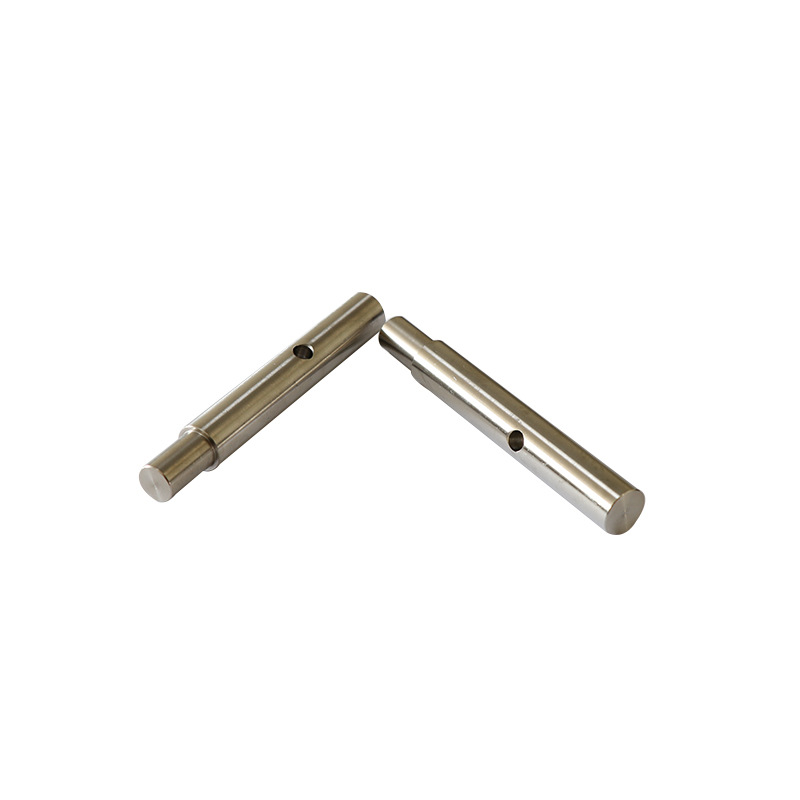
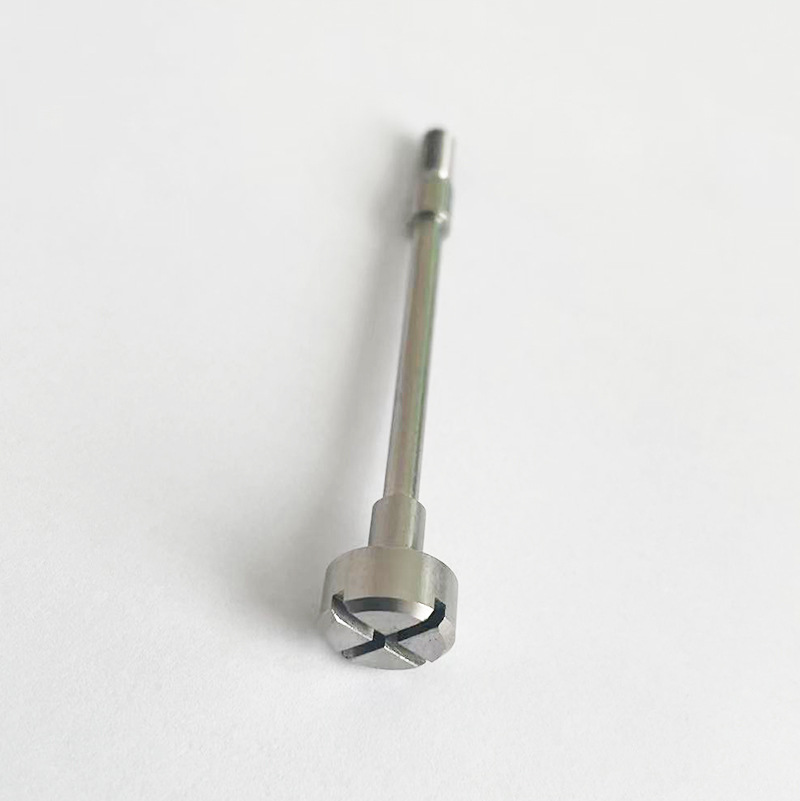
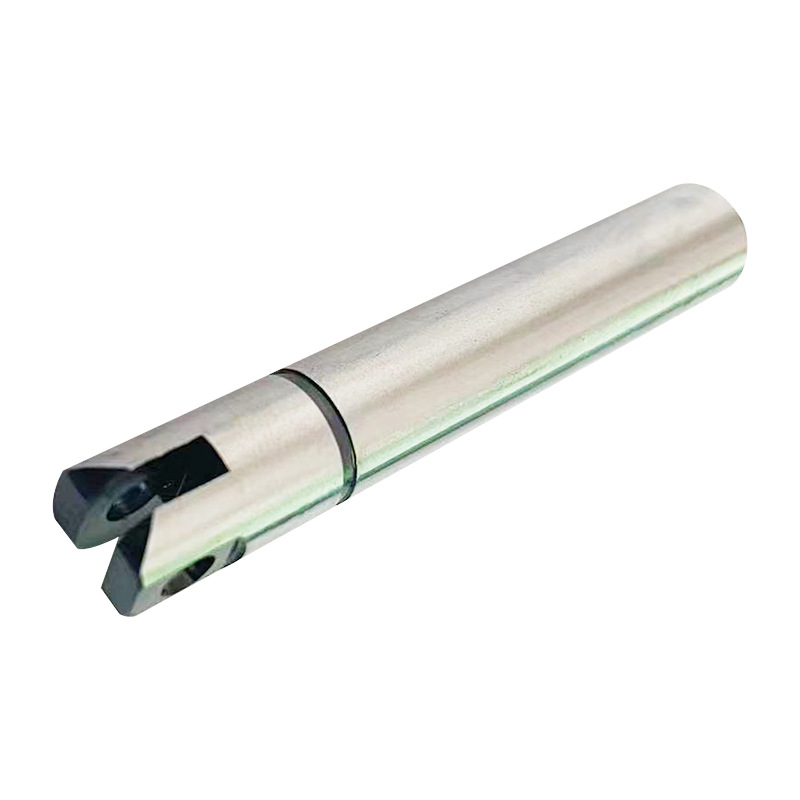
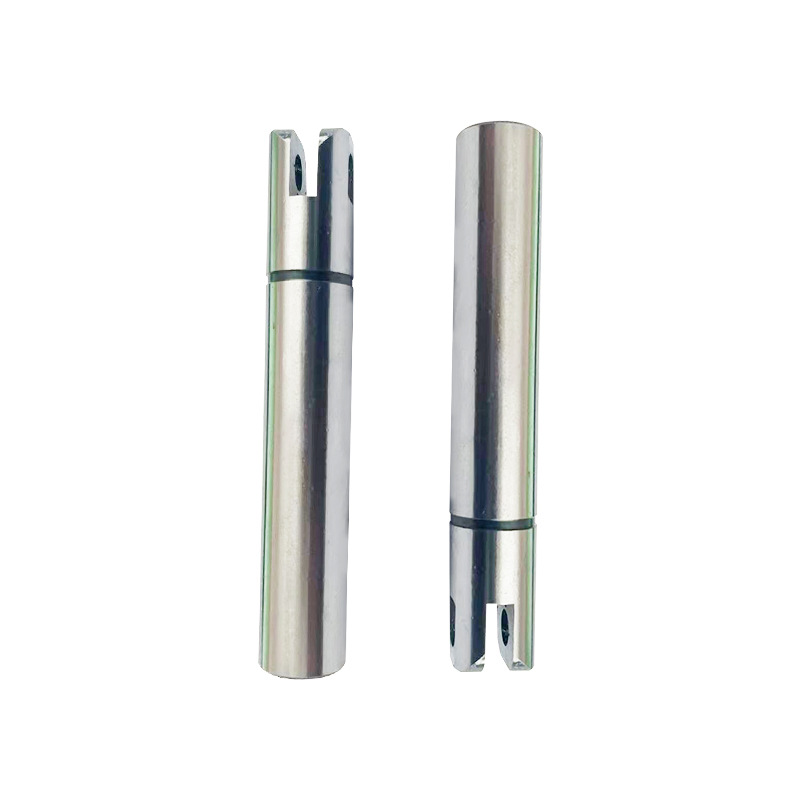
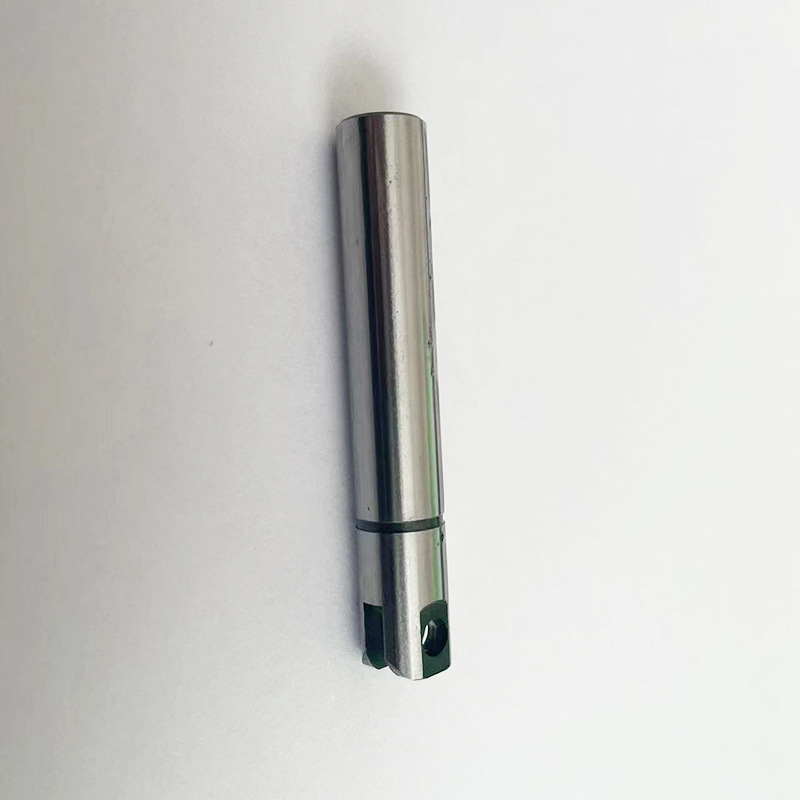
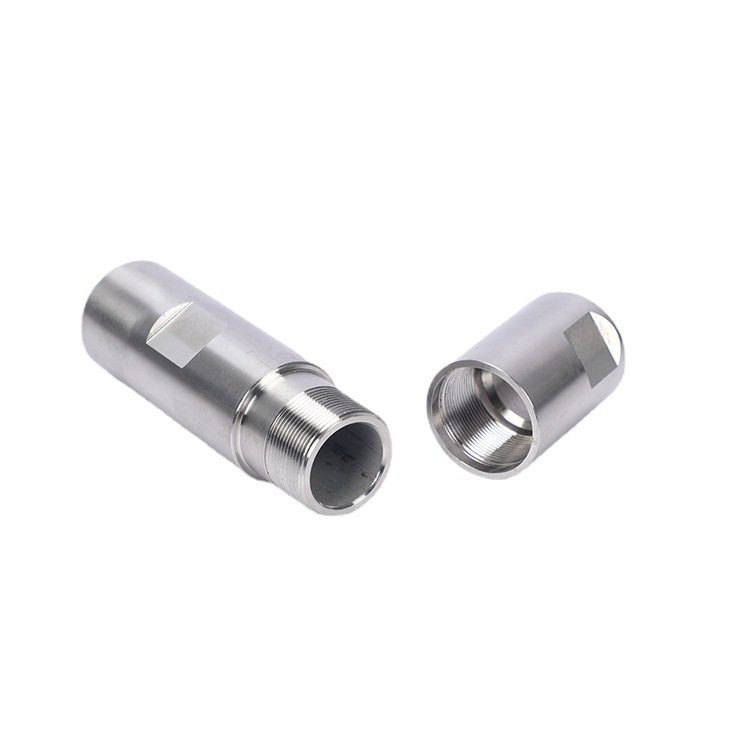
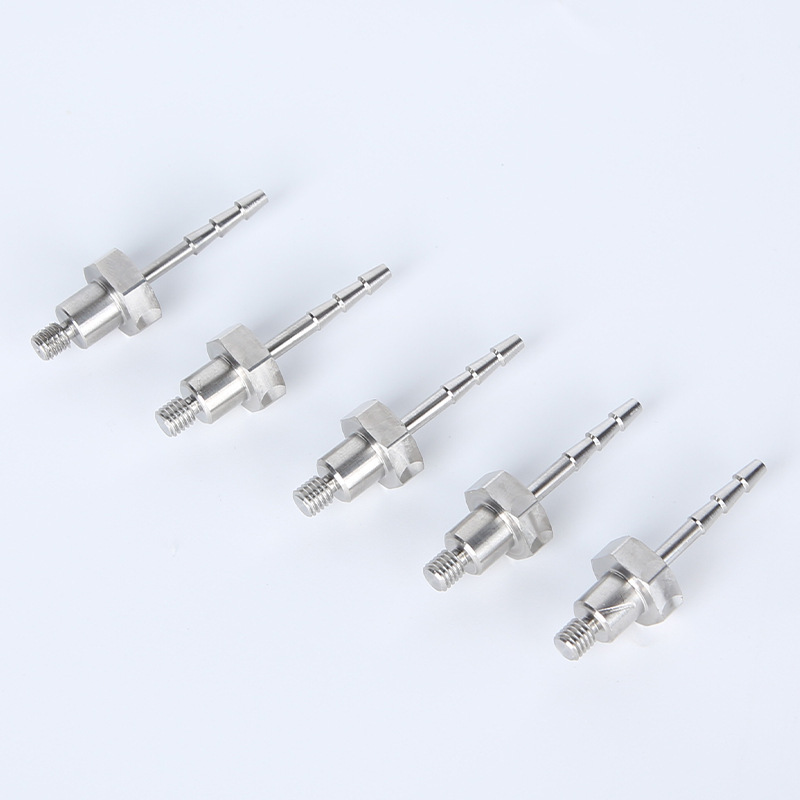
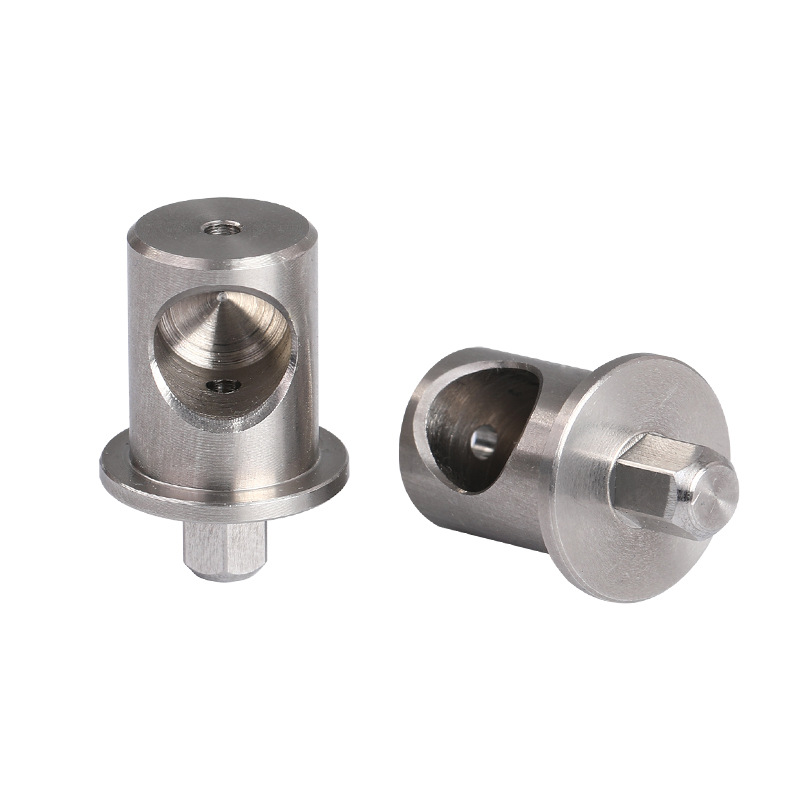
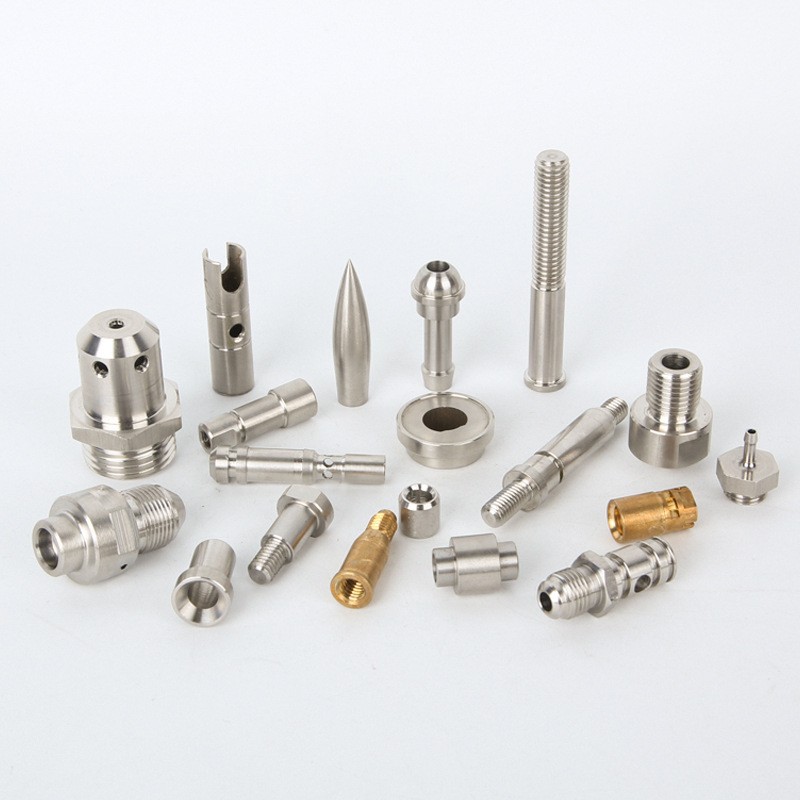
CNC milling, turning, and Swiss lathe operations remove material from a solid billet to produce a finished part. This is the process family most relevant to anyone asking what is rapid manufacturing for metal components: CNC subtractive methods routinely hold tolerances in the range of ±0.005 mm and deliver surface finishes that additive cannot match without additional steps. MFG SOLUTION runs 5-axis CNC machines, 20 automatic lathes, and Swiss lathe equipment to produce parts up to 38 mm in diameter, with quotes returned within 8 hours and shipment within 3 days.
Rapid Injection Molding
Rapid injection molding uses aluminum tooling cut in days rather than the weeks required for hardened steel molds. Aluminum tooling is softer and machines faster, so production-grade polymer parts reach the customer before full-production steel tooling is even finished. This bridges the gap between a functional prototype and a committed production run. When considering what is rapid manufacturing, this point stands out.
How Do You Choose the Right Rapid Manufacturing Process for Your Project?
Match the process to four part requirements: tolerance band, material class, order volume, and required surface finish. Additive suits complex geometries in low volumes where tolerances above ±0.1 mm are acceptable. CNC subtractive suits metals and engineering polymers where tight tolerances and finish quality are non-negotiable. Rapid injection molding suits polymer parts in bridge volumes where production material properties matter. For more information, see What Is Hybrid Work Complete Guide For 2026.
Hybrid approaches combine both logics: additive builds a near-net-shape metal blank, then CNC finishing brings critical dimensions into tolerance. This sequence captures the geometric freedom of additive and the dimensional control of subtractive, particularly useful for metal parts with internal complexity and tight external fits.
How Rapid Manufacturing Compares to Traditional Manufacturing in Cost and Speed
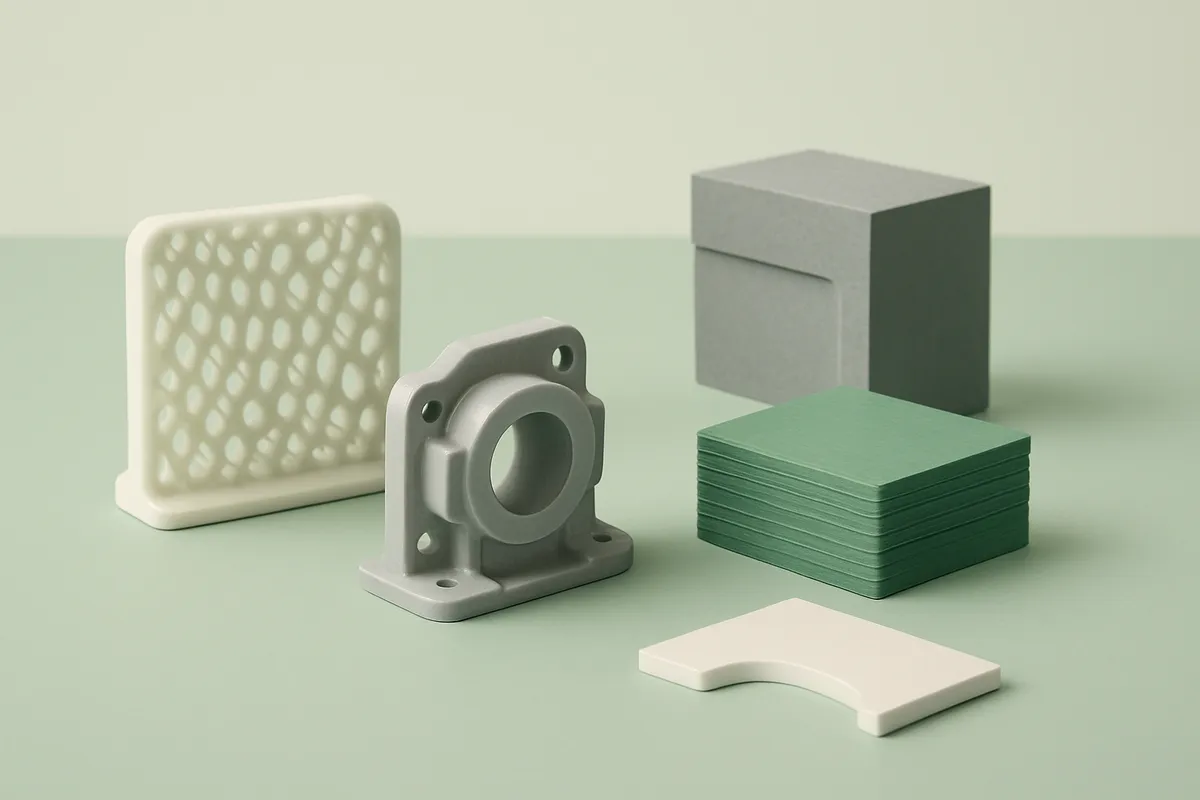
Rapid manufacturing cuts lead time by eliminating tooling design, tooling fabrication, and setup qualification, steps that can consume weeks before a single production part runs.
Traditional manufacturing front-loads cost into hard tooling: a fixed investment that only pays back when spread across a large production volume. Rapid manufacturing replaces that fixed investment with per-part variable spend, no tooling to amortize, but a higher unit cost at any given quantity. That structure makes rapid methods cost-competitive at low-to-mid volumes and progressively less competitive as volumes climb.
The crossover point is a function of your specific tooling cost versus the per-part cost difference between the two methods. Divide your tooling investment by the per-part savings that traditional manufacturing delivers at scale, the result is the volume at which tooling pays back. Below that threshold, rapid manufacturing wins on total cost. Above it, traditional methods do. Running that calculation with your own numbers is more reliable than any rule of thumb.
Speed does not come without a trade-off. Rapid processes can introduce more part-to-part variability than a fully dialed-in production line. In-process inspection and first-article qualification must be built into the workflow from the start, not added after problems appear. Suppliers certified to ISO 9001:2015 or IATF 16949, for example, document process control at every step, which is one reason certification matters when evaluating what rapid manufacturing can realistically deliver on quality.
When Should You Use Rapid Manufacturing Versus Traditional Manufacturing?
Choose rapid manufacturing when delivery is urgent, the design is still iterating, volumes are low, or configurations vary across orders. MFG SOLUTION, for instance, ships precision-machined parts within 3 days of order approval, a timeline that no conventional tooling-dependent process can match for small batches.
Choose traditional manufacturing when the design is stable, volumes are high enough to amortize tooling cost below your rapid per-part price, and consistency across millions of identical parts outweighs flexibility.
Real-World Applications of Rapid Manufacturing Across Industries
Rapid manufacturing solves specific production problems in automotive, aerospace, medical devices, and electronics—each industry uses it differently but for the same core reason: speed without sacrificing precision. For those exploring what is rapid manufacturing, this matters.
How Is Rapid Manufacturing Used in Automotive, Aerospace, and Medical Device Industries?
Automotive teams apply rapid manufacturing to low-volume specialty vehicle builds, discontinued-model replacement parts, and custom assembly line fixtures. The mechanism is straightforward: traditional suppliers impose minimum order quantities that make small runs uneconomical. Rapid manufacturing eliminates that floor, letting engineers order exactly what the job requires—ten brackets or fifty jigs—without paying for thousands.
Aerospace benefits most in two areas. First, lightweight brackets and duct assemblies with complex internal geometries are difficult to machine conventionally without multi-step fixturing setups that add days and cost. Second, MRO (maintenance, repair, overhaul) teams can produce certified replacement parts on demand rather than holding large spare inventories that tie up capital and warehouse space.
Medical devices present the clearest example of what is rapid manufacturing under regulatory pressure. Custom implants, patient-specific surgical guides, and low-volume Class II devices all benefit from fast production cycles—but ISO 13485:2016 quality system requirements apply regardless of how quickly parts are made. Quality infrastructure is non-negotiable, not optional. MFG SOLUTION holds ISO 13485:2016 certification specifically to meet this requirement for medical clients.
Electronics and consumer products use rapid manufacturing to manage short product lifecycles. Enclosures, brackets, and housings can be produced in small batches aligned to a product generation without committing tooling spend to a design that may change within 12 months.
Engineers evaluating whether rapid manufacturing can meet their dimensional requirements should also review CNC machining quality assurance practices and precision tolerance stackup principles before finalizing specifications.
Software, Tools, and Materials Needed to Implement Rapid Manufacturing
Rapid manufacturing runs on three technical layers: digital files, process software, and material selection, and a failure in any one layer produces defective parts regardless of machine speed.
What CAD Integration and Technical Requirements Are Needed for Rapid Manufacturing?
Part files must be delivered in a compatible format, STL, STEP, or IGES are the standard inputs across CNC and additive workflows. Model quality directly determines part quality. Poorly toleranced or under-constrained geometry creates downstream defects that no process speed can correct after the fact.
Design for manufacturability (DFM) review is a prerequisite, not an optional step. A DFM check identifies wall thickness violations, unsupported features, and tolerance conflicts before a single tool path is generated.
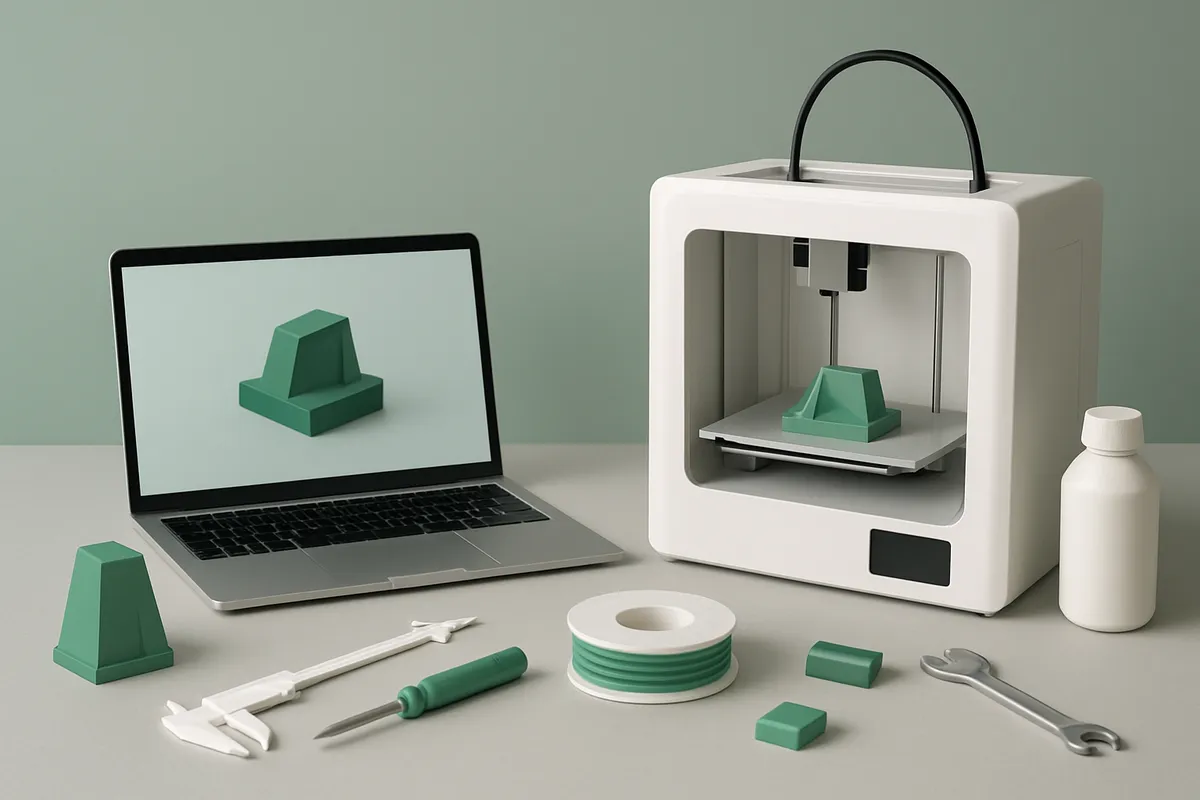
Three software layers sit between the CAD file and the finished part. CAM software translates CAD geometry into machine tool paths for CNC operations. Slicing software does the equivalent job for additive processes, converting geometry into layer-by-layer build instructions. Simulation tools, the third layer, catch stress concentrations and interference fits before material is committed. Skipping simulation to save time typically costs more time in scrapped parts and rework cycles.
What Material Options Are Available and How Do Durability and Post-Processing Affect End-Use Parts?
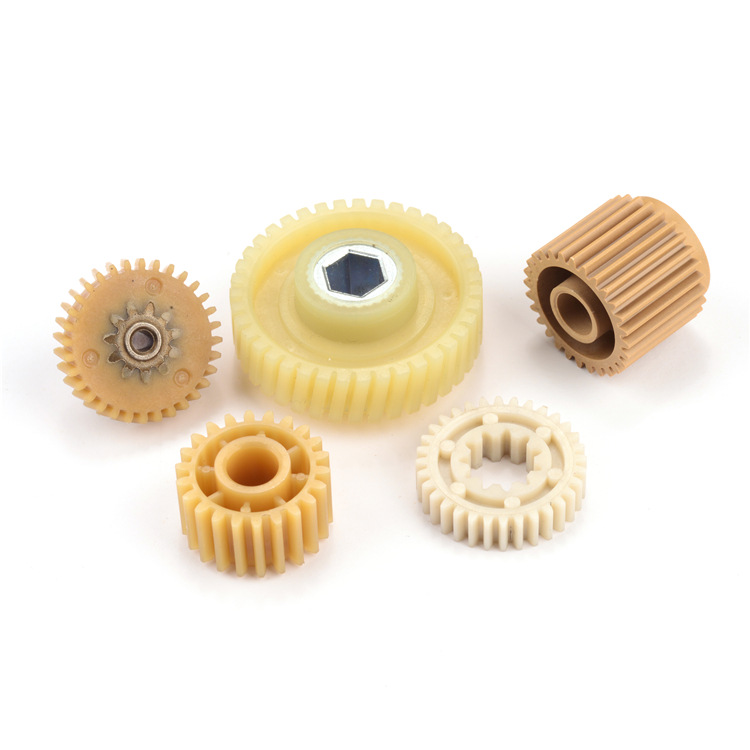
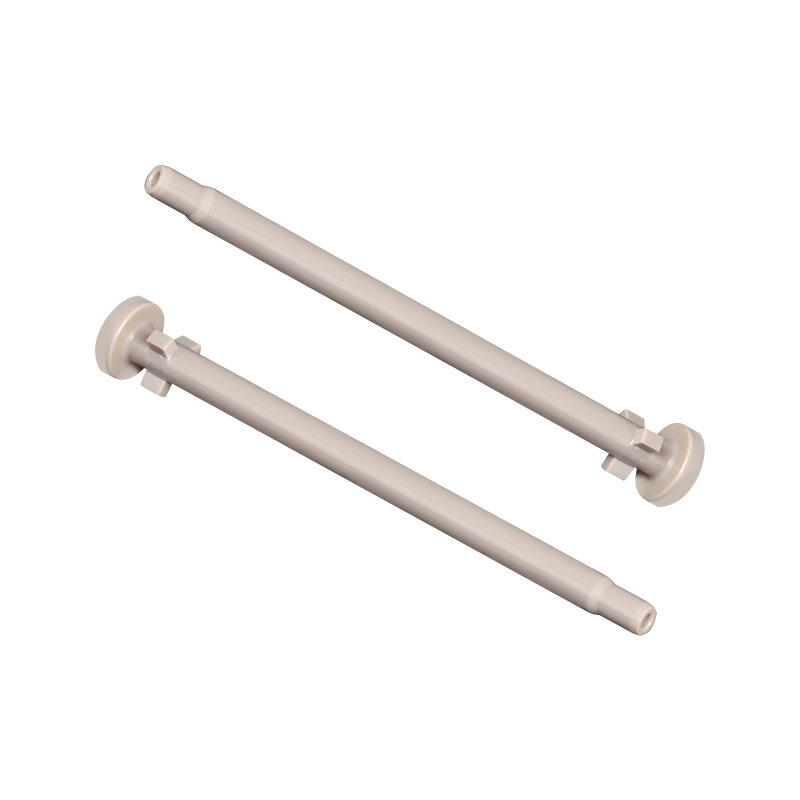
Material selection drives both process choice and post-processing requirements. CNC machining and DMLS handle metals including aluminum, titanium, stainless steel, and tool steel. FDM, SLS, and injection molding cover engineering polymers, nylon, PEEK, ABS, and polycarbonate, each with distinct thermal and chemical resistance profiles. This directly impacts what is rapid manufacturing outcomes.
Post-processing is not cosmetic. Additive metal parts typically require heat treatment and CNC finishing to reach structural and dimensional specification. Polymer parts may need surface sealing or coating to perform in chemically aggressive environments. Skipping these steps to compress lead time directly compromises service performance.
Additive parts also carry an anisotropic strength characteristic, mechanical properties differ along the build direction versus perpendicular to it, unlike wrought or machined stock. Engineers managing tight dimensional chains must account for build orientation during design. Understanding what rapid manufacturing demands at the design stage, including tolerance stackup across mating features, is where part performance is won or lost before production begins.
Frequently Asked Questions
Is rapid manufacturing suitable for high-volume production?
Rapid manufacturing works best for low-to-medium volumes, but CNC machining and cold forging methods scale well into high-volume batch runs. The key distinction is cycle time per part: processes like automatic lathe production and cold forging maintain speed and unit cost at volume, while additive methods typically become less economical as quantities rise. For batch production of small precision parts, a supplier with dedicated automatic lathes, MFG SOLUTION operates 20, can sustain rapid turnaround even at production scale.
What is the difference between rapid manufacturing and rapid prototyping?
Rapid prototyping produces a single or small number of test parts to validate a design; rapid manufacturing produces functional, end-use parts in quantity. Prototyping prioritizes speed and design iteration over material properties or tolerances. Rapid manufacturing applies the same speed principles but uses production-grade processes, CNC turning, Swiss lathe, cold forging, that meet dimensional and material specifications required for actual deployment in electronics, automotive, or medical assemblies.
Can rapid manufacturing meet aerospace and medical quality certifications?
Yes, certified rapid manufacturers hold quality standards that satisfy medical and automotive regulatory requirements, and some aerospace programs as well. ISO 13485:2016 covers medical device component manufacturing, while IATF 16949 governs automotive supplier quality. MFG SOLUTION holds both certifications alongside ISO 9001:2015, with full process control meaning every production step is tracked, documented, and auditable, a requirement for regulated industries where traceability is non-negotiable.
What materials cannot be used in rapid manufacturing processes?
No single rapid manufacturing process handles every material, each method has constraints. Highly brittle ceramics and refractory metals like tungsten are difficult to machine at speed without specialized tooling. Some composite materials with random fiber orientation resist consistent CNC cutting. Cold forging requires materials with sufficient ductility, ruling out hardened tool steels in their final state. Confirming material compatibility with your chosen process before quoting avoids costly mid-run surprises.
Conclusion
Rapid manufacturing is not a single technology, it is a production strategy that matches the right process to a part’s geometry, material, volume, and deadline. The practical takeaways: choose your process based on tolerance and quantity requirements, not just speed; confirm that your supplier holds the certifications your industry demands before placing an order; and treat lead time as a negotiable specification, not a fixed constraint.
If your current supplier quotes 4–6 weeks for small precision parts under 38mm, that lead time is worth challenging. Submit your part specifications to MFG SOLUTION and receive a detailed quote within 8 hours, a concrete first step toward cutting your sourcing cycle from weeks to days.
Recommended Articles
Explore more from our content library: