
2026-09-03
A Complete Guide to Successfully CNC Machining Small Parts

CNC machining small parts uses computer-controlled mills, lathes, and Swiss-type machines to cut precise components from metal or plastic stock with tolerances as tight as ±0.001 inches. The process suits high-mix, low-to-high volume runs where manual machining cannot hold consistency. Choosing the right machine type, material, and certified supplier determines whether your parts arrive on spec and on schedule.

Understand CNC Machining Small Parts: Processes, Machines, and Tolerances
CNC machining small parts spans three core processes, milling, turning, and Swiss-type lathe, each matched to a specific part geometry and tolerance requirement.
CNC Milling vs. CNC Turning for Small Parts
CNC milling removes material by moving a rotating cutting tool across multiple axes, making it the right choice for parts with flat faces, pockets, slots, or compound angles. Use it when your geometry is prismatic or asymmetric, brackets, housings, and connector bodies are typical examples.
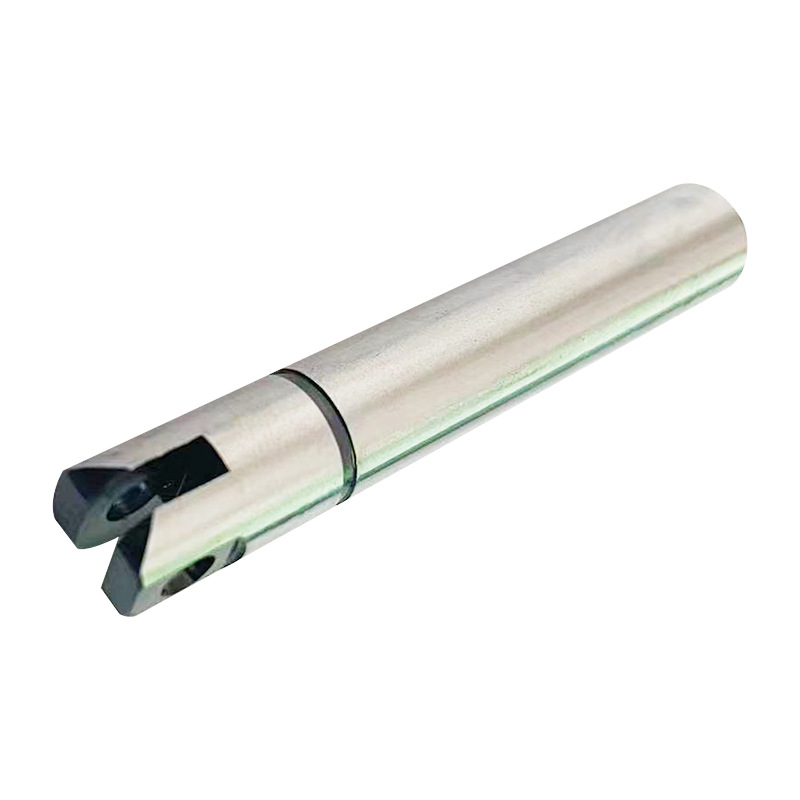
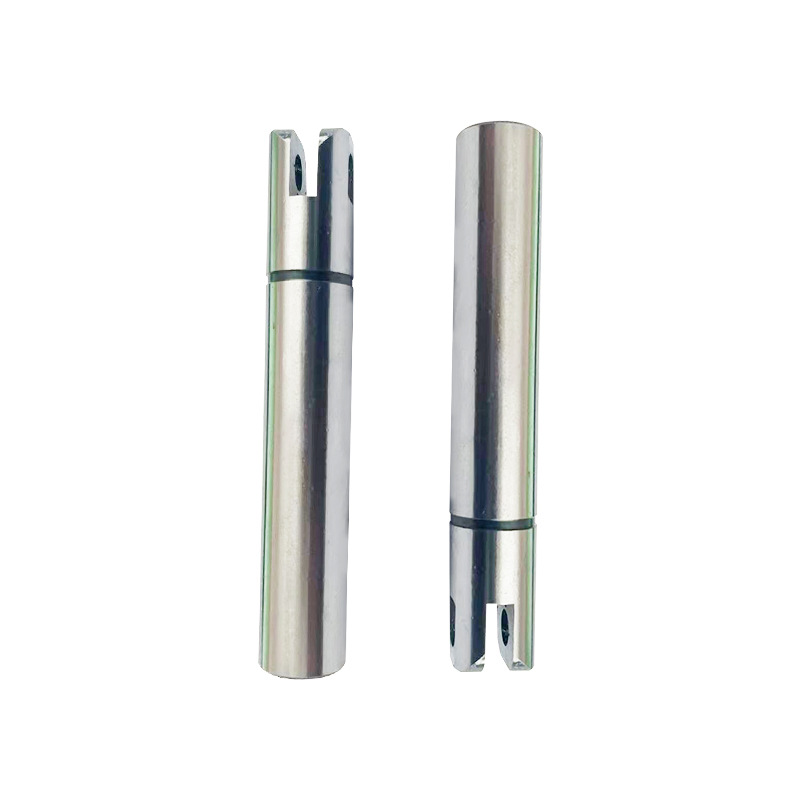
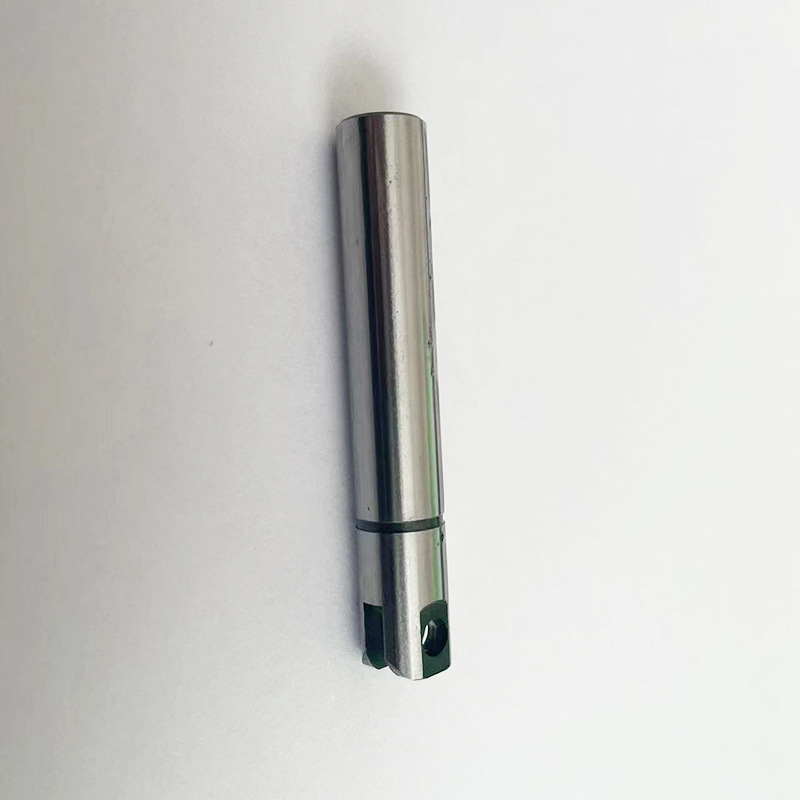
CNC turning rotates the workpiece against a stationary tool to produce cylindrical or symmetric profiles. Shafts, bushings, threaded fasteners, and nozzles are natural candidates. Turning is generally faster and more cost-effective than milling for round stock because fewer tool passes are needed to reach the finished diameter.
5-axis CNC machines handle parts that fall between these two categories, components with compound angles, undercuts, or features on multiple faces. Machining all features in a single setup eliminates the fixturing errors that accumulate each time you reposition the workpiece, which is especially critical when part dimensions are measured in millimeters.
Choosing the right process for your geometry depends on several key factors:
- Part shape: Prismatic or asymmetric geometries favor CNC milling; cylindrical or symmetric profiles favor CNC turning.
- Feature complexity: Compound angles, undercuts, or multi-face features are best handled by 5-axis machining.
- Slenderness ratio: Long, thin parts with high length-to-diameter ratios are best suited to Swiss-type lathe machining.
- Volume: Higher volumes amortize setup costs more effectively, influencing which process delivers the best unit economics.
- Tolerance requirements: Tighter tolerances may require slower feed rates, additional inspection steps, or specialized fixturing regardless of process type.
When to Use Swiss-Type Machining
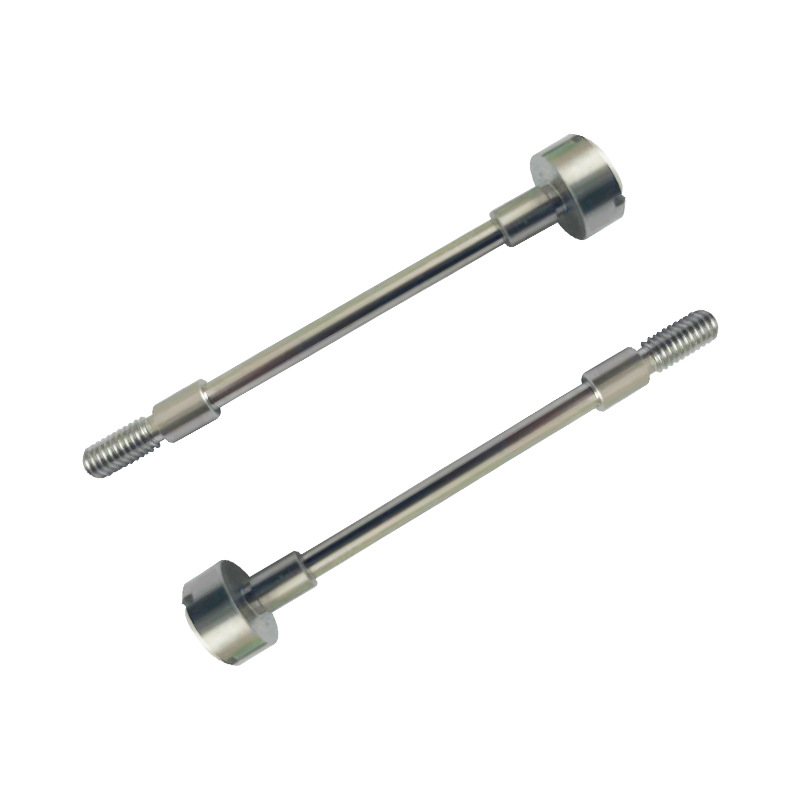
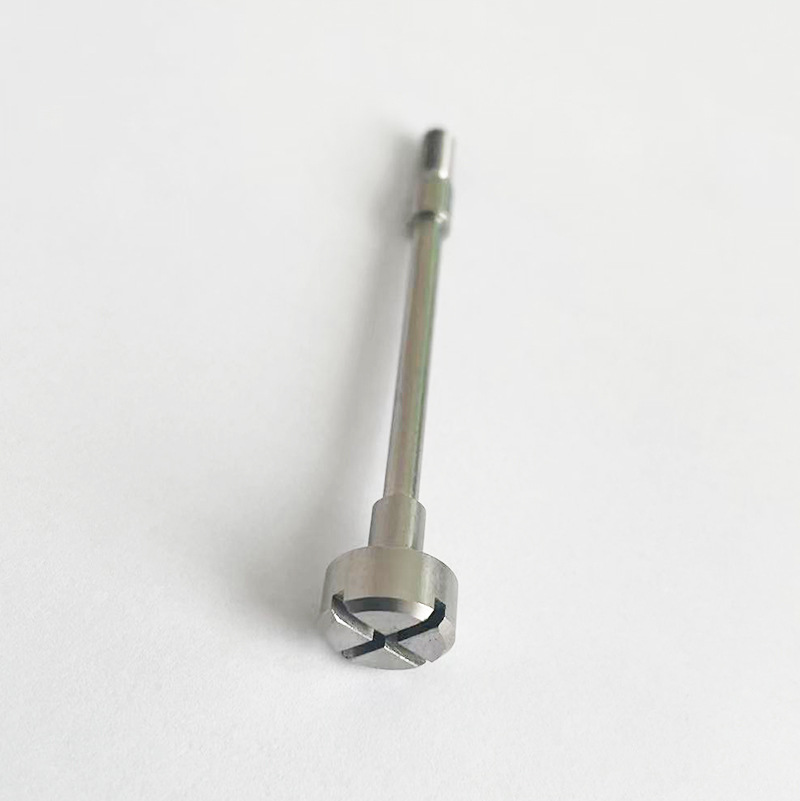
Swiss-type lathe machining is the preferred method for long, slender parts such as shafts, pins, bone screws, and catheter components. A guide bushing supports the workpiece directly behind the cutting zone, keeping the material stable as the tool engages it. That support minimizes deflection, the main reason slender parts bow or chatter on a conventional lathe, and allows tighter tolerances on diameter and concentricity.
Holding tight tolerances on small parts is harder than it sounds. Thermal expansion in the machine and workpiece, tool deflection under cutting load, and clamping distortion from the fixture itself all introduce variation. At small scales, those effects represent a larger share of the total allowable tolerance band, leaving less margin for process drift. For a closer look at how Swiss-type processes manage these challenges, see our guide on how to implement Swiss machining for complex small parts.
MFG SOLUTION runs Swiss lathe machining alongside CNC turning and 5-axis milling, all under one roof, so your part geometry determines the process, not the limits of a single machine type.
Select the Right Material for CNC Machining Small Parts
Match your material to load requirements, environment, and tolerance targets, the wrong choice inflates cycle time, tool cost, and scrap rate.
Aluminum vs. Steel vs. Exotic Alloys for Small Parts Applications
Aluminum alloys, 6061 for general-purpose work, 7075 where higher strength is needed, machine faster than steel and generate less tool wear, making them the default choice for high-volume CNC machining small parts runs where cost per piece matters. Steel grades like 1045 and 4140 cut more slowly and demand more from tooling, but they deliver the hardness and wear resistance that load-bearing or impact-exposed components require. The trade-off is straightforward: aluminum buys you speed and economy; steel buys you durability under stress.
Stainless steel grades 304 and 316 suit corrosive or washdown environments; 17-4 PH adds precipitation-hardened strength for medical and aerospace fasteners. The challenge with austenitic grades like 304 and 316 is work-hardening, the material hardens ahead of the cutting edge during each pass, which forces slower feed rates and demands sharp, frequently replaced tooling. Both factors extend cycle time compared to carbon steel.
Exotic alloys such as titanium and Inconel are specified for aerospace and high-temperature small parts where neither aluminum nor steel survives the service environment. Their low thermal conductivity concentrates heat at the cutting edge rather than dissipating it through the chip, shortening tool life significantly and raising per-part cost. For related material context, see our 15-5 material resource.
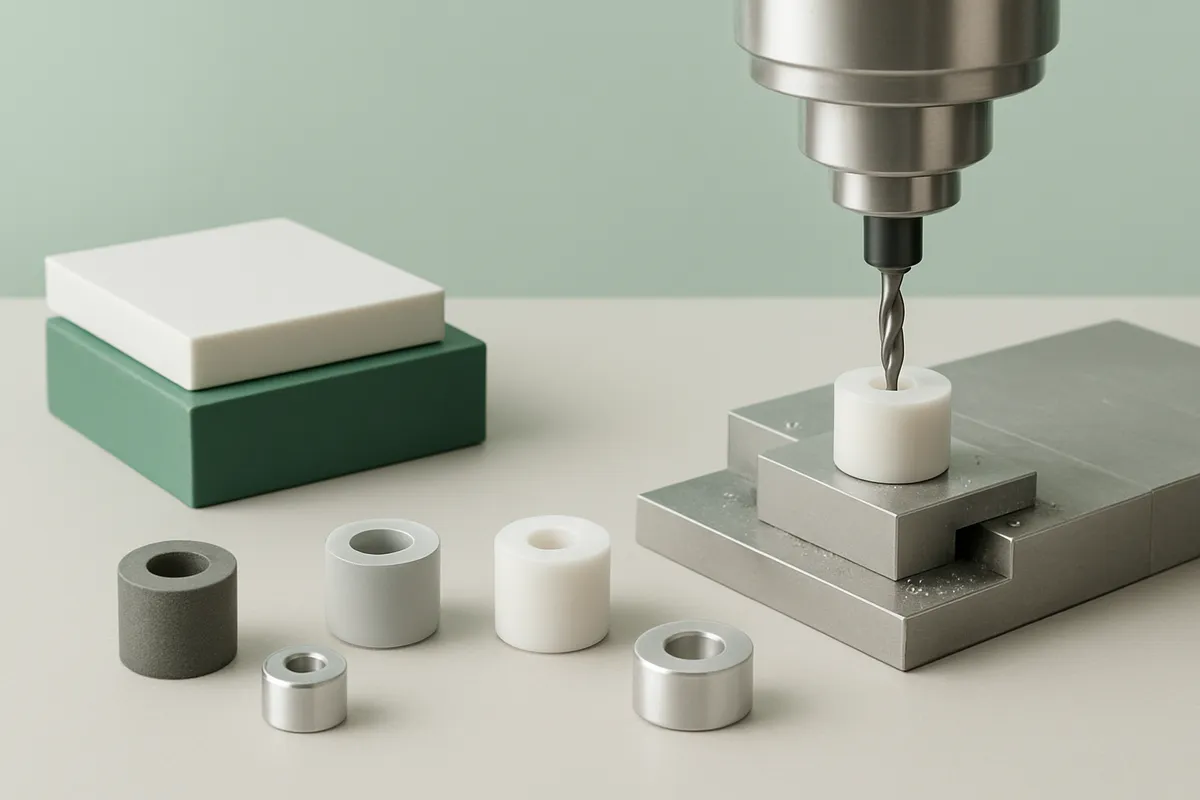
Engineering plastics, PEEK, Delrin, and nylon, are a practical option when electrical insulation or weight reduction outweighs the need for metal-level strength. They machine cleanly and hold reasonable tolerances for non-structural housings, bushings, and insulators.
Material hardness also affects tolerance stackup risk. Harder, less machinable materials introduce more dimensional variability per pass; in multi-component assemblies, that variability compounds across mating features. Review our precision tolerance stackup guide before finalizing material selection for tight-fit assemblies.
The following summary covers the most common material categories and their typical application fit for CNC machining small parts:
- Aluminum 6061 / 7075: Fast to machine, low tool wear, best for high-volume runs where cost per piece is a priority.
- Carbon steel 1045 / 4140: Higher hardness and wear resistance for load-bearing or impact-exposed components; slower cycle times than aluminum.
- Stainless steel 304 / 316: Corrosion resistance for washdown or chemical environments; work-hardening requires sharp tooling and controlled feed rates.
- Stainless steel 17-4 PH: Precipitation-hardened strength for medical and aerospace fasteners where both corrosion resistance and mechanical performance are required.
- Titanium / Inconel: Specified for aerospace and high-temperature applications; low thermal conductivity shortens tool life and raises per-part cost.
- Engineering plastics (PEEK, Delrin, nylon): Lightweight and electrically insulating; suitable for non-structural housings, bushings, and insulators.
Evaluate Cost Drivers and Lead Times for Small Parts CNC Machining
Setup time, batch size, material choice, tolerance requirements, and secondary operations are the primary cost drivers in CNC machining small parts.
Setup time hits small parts orders hardest. Fixturing, tool changes, and first-article inspection consume a fixed block of time whether you’re running 5 parts or 500. On a prototype run of 10 pieces, that fixed cost spreads across very few parts, making per-unit cost high. On a production run of 500 or more, the same setup cost becomes almost negligible per piece. If you’re planning procurement, batch size is the single fastest lever you control.
Tolerance tightness compounds that cost. Parts requiring tolerances at the edge of machine capability demand slower feed rates, additional inspection steps between operations, and higher scrap rates when parts fall outside spec. The tighter the callout, the more time and material the shop consumes to hit it consistently, and that time is billed back to your order.
Secondary operations add both cost and calendar time. Deburring, anodizing, heat treatment, and thread tapping each require dedicated equipment, scheduling slots, and sometimes third-party vendors. For a detailed breakdown of what the deburring step alone involves, see our CNC deburring process guide. Every finishing step you specify extends the total cycle from raw stock to shipped part.
What Factors Influence Turnaround Time for Small Parts Orders
Standard lead times depend on three variables: the supplier’s current capacity utilization, geographic proximity to your facility, and whether expedited scheduling is available. A shop running at full capacity will queue your order behind existing jobs regardless of part complexity. A supplier with idle machine time can start immediately.
MFG SOLUTION ships completed orders within 3 days of approval, a confirmed production window that applies to batch runs up to 38mm diameter parts. That speed is possible because quoting and DFM review happen in parallel: the 8-hour quote process surfaces avoidable cost drivers, unnecessary tight tolerances, redundant finishing steps, suboptimal material specs, before a single tool touches stock. Catching those issues at quoting stage costs nothing. Catching them after first-article inspection costs rework time and delays your ship date.
Verify Quality Certifications and Compliance Standards in a CNC Machining Provider
Request current certificates, sample inspection reports, and accreditation body details before placing any order for CNC machined small parts.
Certifications are not marketing badges, each one mandates specific documented practices that directly affect whether your parts arrive correct and traceable. Knowing what each standard requires lets you ask the right questions during supplier qualification.
What ISO, AS9100, and IATF 16949 Mean for CNC Small Parts Manufacturing
ISO 9001:2015 is the baseline quality management standard every credible machining supplier should hold. It mandates documented processes, material traceability, and corrective action systems. In practice, this means every batch of small parts must be traceable back to its raw material certificate, and inspection records must be auditable on request, not reconstructed after the fact.
ISO 13485:2016 adds risk management and design controls on top of ISO 9001, making it the minimum bar for components entering regulated medical assemblies. If your parts go into a surgical instrument or implantable device, a supplier without ISO 13485 certification cannot meet your regulatory obligations, full stop. MFG SOLUTION holds both ISO 9001:2015 and ISO 13485:2016 certifications, with full process control tracked and documented at every production stage.
IATF 16949 is the automotive quality standard. It emphasizes statistical process control and zero-defect production targets, which is why automotive OEMs require it from their machining suppliers before approving a new source. MFG SOLUTION is also IATF 16949 certified, covering CNC machining small parts for automotive component suppliers.
AS9100 layers aerospace-specific requirements onto ISO 9001: first-article inspection reports, strict material traceability, and counterfeit-part prevention controls. If your supply chain touches aerospace assemblies, confirm your supplier holds a current AS9100 revision D certificate from an accredited certification body.
When qualifying any supplier, request certificates that show the issuing body name and expiry date, not just a logo on a website. Ask for sample CMM data or first-article inspection reports to confirm measurement systems are in use, not just claimed. Verify the certification body is accredited through a recognized national accreditation authority. For a detailed walkthrough of inspection methods and quality documentation, see our CNC machining quality assurance guide.
Avoid Common Mistakes When Sourcing CNC Machined Small Parts
The most costly sourcing errors in CNC machining small parts fall into five categories: over-tolerancing, stackup neglect, unverified suppliers, incomplete drawings, and missed finishing lead times.
Over-Tolerancing Your Specifications
Tighter tolerances than your application actually requires drive up cycle time, increase inspection cost, and raise scrap rate. A tolerance of ±0.005″ that serves no functional purpose forces slower cutting speeds, additional tool passes, and 100% inspection on dimensions that a ±0.010″ callout would clear with a spot check. Define tolerances based on assembly fit and function, not on a desire for precision that the end use never demands.
Ignoring Tolerance Stackup in Assemblies
Parts that individually pass inspection can fail at assembly when stackup is not analyzed at the design stage. If each of five components carries a ±0.003″ tolerance on a mating dimension, the worst-case assembly deviation is ±0.015″, which may exceed your clearance. Conduct a stackup analysis before finalizing part drawings. For a detailed walkthrough, see our article on precision tolerance stackup.
Selecting Suppliers on Price Alone
A low-cost provider without documented quality systems, no first-article inspection, no corrective action process, introduces rework and delay costs that routinely exceed the initial price difference. Verify certifications before you award work. MFG SOLUTION holds ISO 9001:2015, ISO 13485:2016, and IATF 16949 certifications, with every production step tracked and auditable, so quality failures get caught at the source rather than at your receiving dock.
Submitting Incomplete Drawings
Missing GD&T callouts, undefined surface finish requirements, or unspecified material condition, as-machined versus heat-treated, force the machinist to make assumptions that may not match your design intent. Always submit a complete 2D drawing alongside your 3D model. The 3D file defines geometry; the 2D drawing defines the contract.
Underestimating Finishing Lead Time
Anodizing, plating, and passivation are often outsourced by the machining shop, adding days to the schedule that buyers fail to account for. Build finishing lead time into your project timeline from day one, not as an afterthought once machining is complete.
Frequently Asked Questions
What is the minimum batch size for CNC machining small parts?
Minimum batch size varies by process: Swiss lathe and automatic lathe production are optimized for medium-to-high volumes, while CNC turning and mill-turn operations can accommodate smaller runs. Setup costs spread across fewer parts raise the per-unit price on low-volume orders, so batch size directly affects unit economics. Submit your part specifications and volume target to get an accurate quote, MFG SOLUTION provides quotes within 8 hours for any batch size inquiry.
Can CNC machining produce small parts with internal threads or cross-holes?
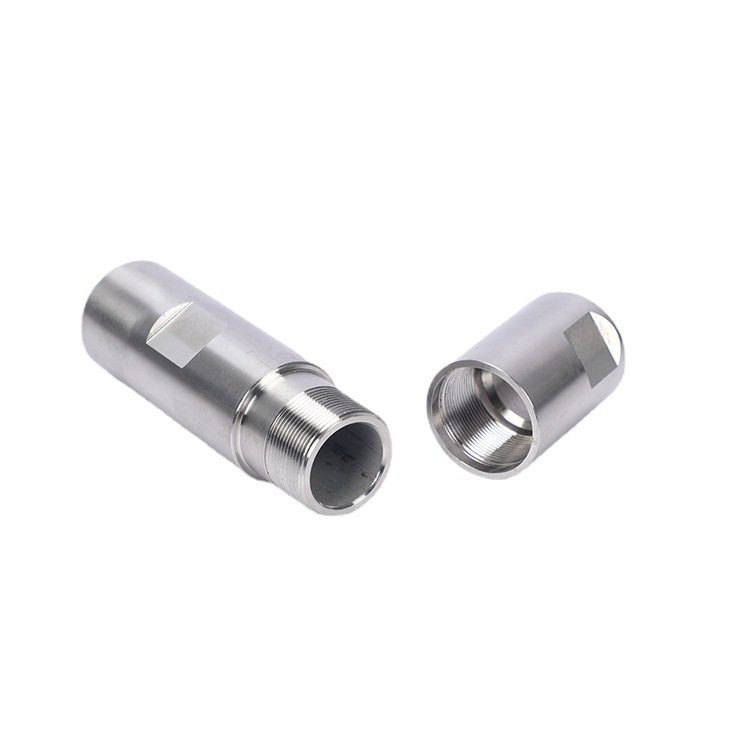
Yes, CNC machining handles internal threads, cross-holes, and intersecting bores reliably, provided the feature geometry is accessible to the cutting tool. Swiss lathe and CNC mill-turn operations are particularly well-suited to these features on parts under 38mm diameter. Specify thread standard (metric or unified), pitch, and tolerance class on your drawing so the machinist can select the correct tooling without ambiguity.
How do I prepare a drawing or file for a CNC small parts quote?
Submit a 2D engineering drawing (PDF or DXF) paired with a 3D CAD file (STEP or IGES) for the fastest, most accurate quote. The drawing must call out all critical dimensions with tolerances, surface finish requirements, material grade, and any applicable standards such as ISO 2768 for general tolerances. Include thread callouts, datum references, and GD&T symbols where applicable. Incomplete drawings are the most common cause of quote delays and preventable rework.
What surface finishes are available for CNC machined small parts?
Common options include as-machined, anodizing (for aluminum), electroless nickel plating, zinc plating, black oxide, and passivation (for stainless steel). The right finish depends on the base material, corrosion requirements, dimensional impact tolerance, and end-use environment, medical and automotive applications each carry specific finish standards. Specify the finish and any applicable standard on your drawing before submitting for a quote.
How does part size affect fixturing and setup when CNC machining small parts?
Small parts present unique fixturing challenges because standard vises and clamps can distort thin walls or delicate features under clamping pressure. Shops often use custom soft jaws, collet chucks, or dedicated fixtures to hold small parts securely without introducing deformation. Each custom fixture adds setup time and cost, so designing parts with adequate clamping surfaces and avoiding extremely thin walls where possible helps reduce fixturing complexity and keeps setup costs manageable.
Conclusion
Producing accurate small parts consistently comes down to three decisions made before the first cut: choosing the right process for your geometry, specifying tolerances that match your actual functional requirements, and submitting complete documentation so nothing gets interpreted in the shop. Cutting corners on any of these steps adds cost and time downstream.
If your current supplier is running 4–6 week lead times on parts under 38mm, that gap is worth addressing directly. Submit your STEP file and 2D drawing to MFG SOLUTION, you’ll have a detailed quote within 8 hours and can evaluate turnaround, process selection, and pricing against what you’re paying now.
Recommended Articles
Explore more from our content library: