
2026-06-18
Power Generation Forged Parts: A Complete Guide

| Key Insight | Explanation |
|---|---|
| Forging outperforms casting in critical applications | The forging process aligns grain structure, producing parts with higher tensile strength and fatigue resistance than cast equivalents. |
| Turbines rely heavily on forged components | Turbine shafts, blades, and rotors are almost universally forged due to extreme temperature and pressure demands. |
| Forged parts can and should be machined | Post-forging CNC machining achieves tight dimensional tolerances that forging alone cannot deliver, combining both processes’ strengths. |
| Material selection is critical | Alloy steels, stainless steels, nickel-based superalloys, and titanium are the primary materials for power generation forged parts. |
| Renewable energy is driving demand growth | Wind turbine hubs, shafts, and flanges require precision-forged components, expanding the market significantly through 2026 and beyond. |
| Quality standards are non-negotiable | ISO 9001:2015 and industry-specific certifications govern forged component quality for power generation applications worldwide. |
Power generation forged parts are metal components shaped under high compressive force to produce superior grain structure, strength, and fatigue resistance for use in turbines, generators, compressors, and other energy systems. They are defined by their manufacturing process: controlled deformation of heated or cold metal stock into a near-net shape. This process delivers mechanical properties that no other manufacturing method can reliably match at scale.
The energy sector is unforgiving. Components inside gas turbines operate at temperatures exceeding 1,400°C. Wind turbine shafts endure millions of load cycles annually. Nuclear reactor pressure vessels must maintain structural integrity for decades. In every one of these scenarios, power generation forged parts are the standard solution — not because they’re conventional, but because they work.
This guide covers what these parts are, how they’re made, where they’re used, and what to look for when sourcing them. Whether you’re a procurement manager evaluating suppliers or an engineer specifying materials, you’ll find concrete, practical information here.
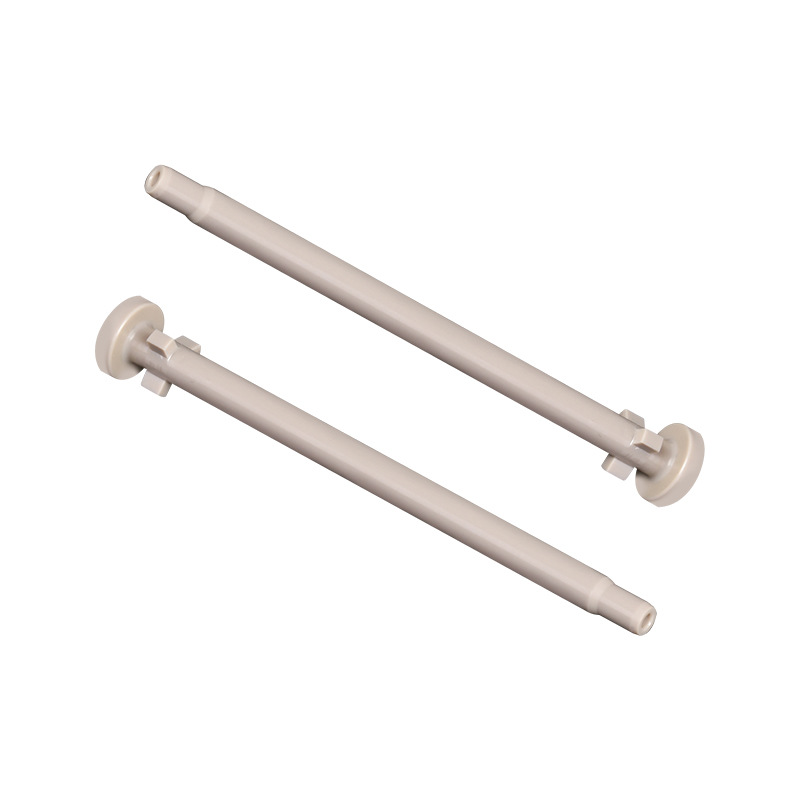
What Are Power Generation Forged Parts?
Power generation forged parts are structural and mechanical components produced through the forging process — applying compressive force to metal billets or ingots — specifically designed to withstand the extreme thermal, mechanical, and chemical stresses found in energy generation equipment.
Definition and Scope
The forging process (compressive deformation of metal at elevated or ambient temperatures) fundamentally changes a metal’s internal grain structure. Unlike casting, where molten metal is poured into a mold and solidifies with a random grain pattern, forging forces the grain to flow continuously along the part’s geometry. The result is a component with aligned grain flow, minimal internal porosity, and dramatically improved mechanical properties.
Power generation encompasses a wide range of energy sources, and forged components appear across all of them:
- Fossil fuel plants (coal, natural gas, oil): turbine shafts, valve bodies, pressure vessel components
- Nuclear power plants: reactor pressure vessel heads, steam generator shells, primary coolant pump casings
- Hydroelectric plants: turbine runners, draft tube components, shaft couplings
- Wind energy: main shafts, hub flanges, gear ring blanks, bearing housings
- Solar thermal: heat exchanger components, pump housings, valve bodies
Why Forging Is the Default Choice for Energy Components
Industry analysts consistently note that forging is chosen for power generation components not simply by tradition but by engineering necessity. The combination of high strength-to-weight ratio, excellent fatigue resistance, and predictable material behavior under stress makes forged parts the most reliable option for critical energy infrastructure.
According to published industry guidance, forged components typically have a longer service life and require less frequent replacement than cast or fabricated alternatives, making them cost-effective over the full lifecycle of a power plant — even when the initial part cost is higher.
Pro Tip: When evaluating forged vs. cast components for power generation, always compare total cost of ownership (TCO), not just unit price. A forged turbine shaft that lasts 30 years versus a cast alternative that requires replacement at 15 years is almost always the more economical choice when downtime costs are factored in.
How Power Generation Forged Parts Are Made
Power generation forged parts are produced through a multi-stage process that begins with material selection and ends with precision machining and quality inspection — each step directly influencing the final component’s performance.
The Core Forging Process
The manufacturing sequence for a typical power generation forged part follows these steps:
- Material selection: Choose the appropriate alloy based on operating temperature, pressure, and corrosion environment. Common materials include carbon steels, alloy steels (4140, 4340), stainless steels (316, 410), nickel-based superalloys (Inconel 718, Waspaloy), and titanium alloys.
- Billet preparation: Cut the raw material to the correct weight and volume. Precision here reduces waste and ensures consistent forging quality.
- Heating: Heat the billet to the appropriate forging temperature — typically 900°C to 1,250°C for steel alloys. Controlled heating prevents thermal gradients that cause internal cracking.
- Forging: Apply compressive force using one of several methods: open-die forging (for large components like turbine shafts), closed-die (impression die) forging (for complex near-net shapes), or ring rolling (for flanges, bearing races, and gear rings).
- Heat treatment: Normalize, anneal, quench, and temper the forging to achieve the target mechanical properties. This step is critical for power generation components, where material certification is mandatory.
- Scale removal and surface preparation: Remove the oxide scale (a thin, hard layer that forms on the metal surface during heating) through shot blasting, pickling, or machining.
- Precision machining: Use CNC turning, milling, drilling, and grinding to achieve final dimensional tolerances. This is where forged near-net shapes become finished parts.
- Inspection and certification: Perform non-destructive testing (NDT), dimensional inspection, and material certification to applicable standards (ASTM, EN, ISO, ASME).
Forging Methods Compared
| Forging Method | Typical Applications | Size Range | Key Advantage |
|---|---|---|---|
| Open-Die Forging | Turbine shafts, generator rotors, large pressure vessels | Very large (tons) | Handles massive components; excellent grain refinement |
| Closed-Die Forging | Valve bodies, connectors, small structural parts | Small to medium | Near-net shape; high repeatability; tight tolerances |
| Ring Rolling | Flanges, bearing races, gear ring blanks, wind turbine rings | Small to very large | Continuous grain flow; ideal for annular shapes |
| Cold Forging | Small precision connectors, fasteners, valve components | Small (under 38mm) | Excellent surface finish; work hardening; minimal waste |
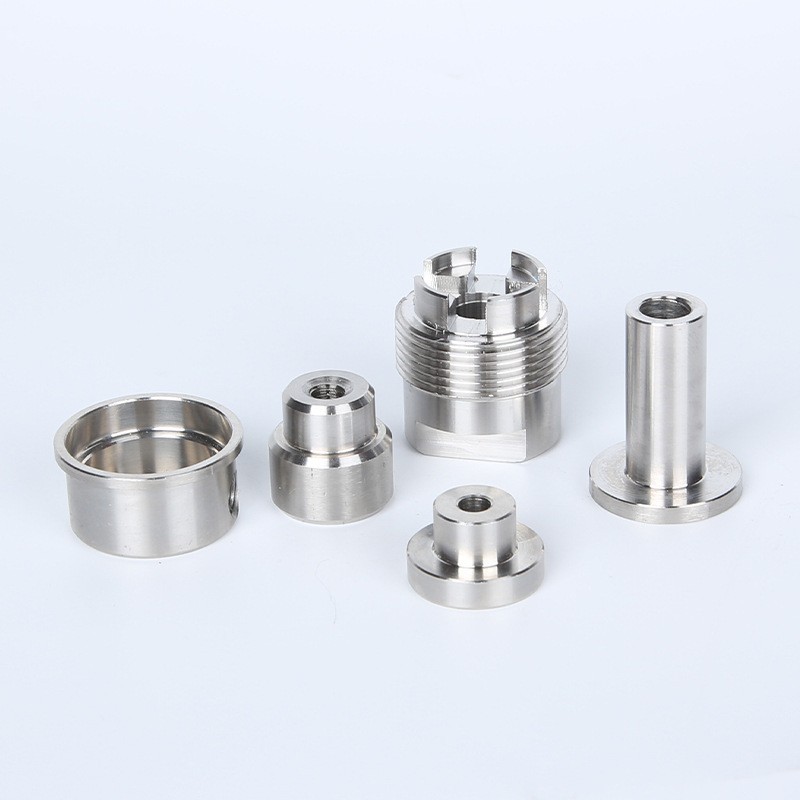
Key Applications of Power Generation Forged Parts in 2026
this practice appear in virtually every type of energy system, from legacy fossil fuel infrastructure to the newest offshore wind installations — each application demanding specific material properties and dimensional precision.
Thermal and Nuclear Power
Thermal power plants (coal, gas, combined cycle) rely on forged components throughout the steam cycle. The turbine shaft is the most prominent example: a single large steam turbine shaft can weigh over 100 tons and must maintain dimensional stability at operating temperatures above 500°C for decades. The World Nuclear Association notes that large forging manufacturers produce components for reactor pressure vessels, steam generators, and turbine shafts, with some suppliers claiming 80% of the global market for large forged nuclear components.
Key forged components in thermal and nuclear power include:
- Turbine shafts and rotors: Must withstand high rotational speeds, thermal cycling, and centrifugal forces
- Reactor pressure vessel (RPV) heads: Forged from low-alloy steel; must meet ASME Section III nuclear code requirements
- Steam generator shells: Large cylindrical forgings in nickel alloy or stainless steel
- Primary coolant pump casings: Stainless steel forgings with complex internal geometries
- Valve bodies and bonnets: Forged for pressure integrity at elevated temperatures
Renewable Energy: Wind, Hydro, and Solar Thermal
Renewable energy is reshaping demand for this method. Wind turbine installations have accelerated globally, and each turbine contains multiple critical forged components. Industry publications note that renewable energy conversion relies heavily on precision-forged components such as shafts, gears, and seamless rolled rings.
A single modern 5 MW+ offshore wind turbine requires:
- Main shaft: A large forged steel shaft transmitting rotor torque to the gearbox or generator
- Hub: Connects the blades to the main shaft; typically a large ductile iron or steel forging
- Rotor blades root flanges: Rolled forged rings that interface the composite blades with the hub
- Gear ring blanks: Forged rings subsequently machined with gear teeth for the planetary gearbox
- Bearing housings: Precision-forged to maintain alignment under variable loads
- Tower flanges: Large rolled rings that connect tower sections
Hydroelectric plants use forged turbine runners, draft tube components, and shaft couplings. Solar thermal plants require forged pump housings and heat exchanger components that handle high-temperature heat transfer fluids.
Pro Tip: For wind turbine applications, always specify the forging’s grain flow direction relative to the primary stress direction in your engineering drawings. Correct grain flow orientation can increase fatigue life by 20-30% compared to a forging where grain flow is perpendicular to the primary load path.
Benefits of Power Generation Forged Parts
this strategy consistently outperform cast and fabricated alternatives in strength, fatigue life, and reliability — advantages that translate directly into lower lifecycle costs and higher plant availability.
Mechanical and Structural Advantages
The core mechanical benefits of forging are well-established in materials science and confirmed by decades of field experience in power plants worldwide:
- Higher tensile and yield strength: The forging process work-hardens the metal and aligns grain structure, producing tensile strengths 20-30% higher than equivalent cast parts in the same alloy
- Superior fatigue resistance: Aligned grain flow and absence of internal porosity dramatically reduce crack initiation sites, extending component life under cyclic loading
- Better impact toughness: Forged parts absorb energy more effectively before fracture, critical in components subject to thermal shock or mechanical impact
- Consistent material properties: Controlled forging parameters produce uniform properties throughout the cross-section, unlike castings where cooling rates vary
- Minimal internal defects: The compressive forging process closes internal voids and porosity present in the original billet
Economic and Operational Benefits
From a procurement and operations perspective, forged components deliver measurable economic advantages over the plant lifecycle:
- Extended service intervals: Longer component life reduces maintenance frequency and associated labor costs
- Reduced unplanned downtime: Higher reliability means fewer unexpected failures, which is critical for base-load power plants where downtime costs can exceed $1M per day
- Lower total cost of ownership: Higher initial part cost is offset by reduced replacement frequency and lower maintenance burden
- Predictable performance: Certified material properties and documented forging parameters enable accurate remaining-life calculations
- Design flexibility: Forging can produce complex shapes with internal features that would require multiple weld-fabricated components otherwise
In practice, procurement teams at power generation companies increasingly require forged components as a specification requirement, not just a preference. This is especially true for components in the critical path of plant availability.
Common Challenges and Mistakes to Avoid
Sourcing and specifying this approach involves real engineering and procurement pitfalls — mistakes that can result in component failure, schedule delays, or costly rework.
Specification and Design Errors
A common mistake is under-specifying the forging. Many procurement teams issue a drawing with dimensional tolerances but omit critical forging-specific requirements. This leads to suppliers delivering parts that meet dimensional specs but fail on material properties.
Always specify:
- Material standard and grade: ASTM A182, ASTM A105, EN 10222, or equivalent — not just a generic “carbon steel”
- Heat treatment condition: Normalized and tempered, quenched and tempered, or solution annealed
- Mechanical property requirements: Minimum yield strength, tensile strength, elongation, and Charpy impact values at the specified test temperature
- Inspection requirements: Ultrasonic testing (UT) acceptance criteria, magnetic particle inspection (MPI) or liquid penetrant inspection (LPI) requirements
- Grain flow direction: Where critical to fatigue performance
- Applicable codes: ASME, EN 13445, or other pressure equipment directives
Supplier Qualification Mistakes
One pitfall to watch for is selecting a forging supplier based solely on price without verifying their quality management system. A supplier without ISO 9001:2015 certification and documented process control cannot reliably deliver consistent mechanical properties across production batches.
A MFG SOLUTION client in the energy sector once received a batch of forged valve bodies from an unqualified supplier that passed dimensional inspection but failed ultrasonic testing — revealing internal laminations invisible to the naked eye. The cost of rework and schedule delay far exceeded the price difference that made the supplier attractive in the first place.
Key supplier qualification criteria:
- ISO 9001:2015 quality management certification
- Documented forging process parameters and heat treatment records
- In-house or third-party NDT capability
- Material traceability from billet to finished part
- Reference experience with similar power generation applications
Pro Tip: Request a First Article Inspection (FAI) report on the first production batch of any new forged component. An FAI documents dimensional, material, and NDT results against your specification — it’s the fastest way to catch specification gaps before they become production problems.
Best Practices for Sourcing Forged Parts in 2026
Sourcing the practice effectively in 2026 requires a structured approach that balances technical requirements, supplier capability, lead time, and total cost — with quality certifications as a non-negotiable baseline.
Specification and Supplier Selection Framework
At MFG SOLUTION, we’ve found that the most successful sourcing outcomes follow a disciplined process that starts with complete technical documentation and ends with verified supplier qualification. Here’s the framework our engineering team recommends:
- Define the operating envelope: Document the maximum temperature, pressure, cyclic load frequency, and corrosive environment the part will experience. This drives material selection.
- Select the forging method: Match the component geometry and size to the appropriate forging process (open-die, closed-die, ring rolling, or cold forging for smaller parts).
- Write a complete material specification: Include alloy grade, heat treatment, mechanical property minimums, and applicable testing standards.
- Qualify the supplier: Verify ISO 9001:2015 certification, review past experience with similar components, and request sample inspection reports.
- Specify post-forging machining requirements: Define dimensional tolerances, surface finish (Ra values), and any features that require CNC machining after forging.
- Establish inspection and documentation requirements: Material test reports (MTRs), NDT reports, dimensional inspection reports, and heat treatment records should all be contractually required.
- Plan for lead time: Large forgings can have lead times of 12-26 weeks. For smaller precision components, suppliers with rapid quoting (8 hours) and fast turnaround (3 days) can significantly compress your supply chain cycle.
The Role of Post-Forging CNC Machining
Forging produces near-net shapes, but virtually all this practice require precision CNC machining to achieve final tolerances. This is where the combination of forging’s mechanical strength and CNC machining’s dimensional accuracy creates the finished component.
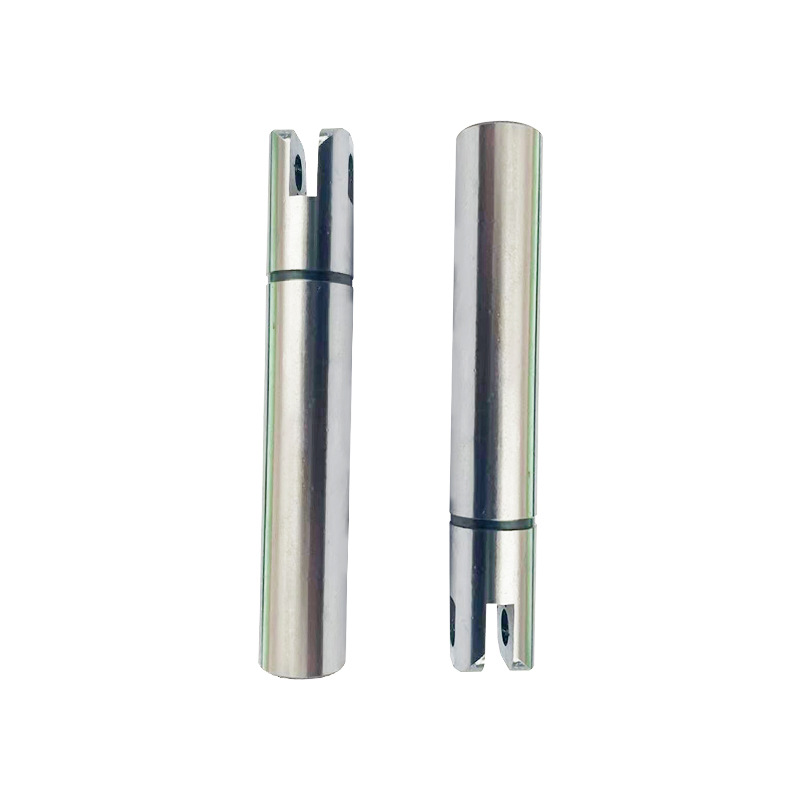
For smaller power generation components (under 38mm diameter) — such as valve stems, connector bodies, and precision fasteners — cold forging combined with CNC turning or Swiss lathe machining is an efficient and cost-effective production path. This approach delivers work-hardened parts with excellent surface finish and tight tolerances in a single integrated workflow.
Our team at MFG SOLUTION recommends always specifying the machining tolerances explicitly on the engineering drawing, even when ordering from a combined forge-and-machine supplier. Vague callouts like “machine all over” leave too much room for interpretation and can result in parts that are technically compliant but functionally inadequate.
Frequently Asked Questions
1. Can you machine forged parts?
Yes, and in most power generation applications, you must. Forging produces a near-net shape with superior grain structure, but it cannot achieve the tight dimensional tolerances required for turbine shafts, bearing seats, or valve sealing surfaces. Post-forging machining — including CNC turning, milling, drilling, and grinding — removes the oxide scale layer (a hard, brittle skin formed during heating) and brings the part to final dimensions. The combination of forging’s mechanical strength and CNC machining’s precision is the standard production method for critical power generation components. Results depend on alloy type, heat treatment condition, and the specific machining operations required.
2. What materials are used in power generation forged parts?
Material selection depends on operating conditions. Carbon steels (ASTM A105, A181) are used for ambient-temperature pressure components. Alloy steels (4140, 4340, Cr-Mo grades like F11, F22) handle elevated temperatures up to approximately 600°C. Stainless steels (316, 410, 17-4PH) are specified for corrosive environments. Nickel-based superalloys (Inconel 718, Waspaloy, Hastelloy) are used in the hottest sections of gas turbines. Titanium alloys appear in aerospace-derived turbine components. As of 2026, nickel superalloy forgings remain the dominant material for high-temperature turbine applications.
3. What is the difference between open-die and closed-die forging for power generation parts?
Open-die forging (also called free forging) uses flat or simple-shaped dies to work the metal progressively, making it suitable for very large components like turbine shafts and generator rotors. The process allows significant shape flexibility but requires more machining stock. Closed-die (impression die) forging uses matched dies that define the final shape more precisely, producing near-net shapes with less machining allowance. Closed-die forging is preferred for smaller, complex shapes like valve bodies, flanges, and connector components where dimensional repeatability is critical.
4. How long do power generation forged parts typically last?
Service life varies significantly by component type, material, and operating conditions. Turbine shafts in well-maintained thermal power plants routinely achieve 30-40 year service lives. Wind turbine main shafts are typically designed for a 20-25 year design life. Smaller forged components like valve bodies and flanges may be replaced during planned maintenance outages every 5-10 years. In all cases, forged components consistently outperform cast equivalents in service life, primarily due to superior fatigue resistance and absence of internal porosity. Actual results depend on operating conditions, maintenance practices, and inspection intervals.
5. What quality standards apply to power generation forged parts?
Multiple standards govern this method, depending on the application and geography. ASME Section II (materials) and Section VIII (pressure vessels) apply to boiler and pressure vessel components in North America. EN 10222 covers steel forgings for pressure purposes under European directives. ASTM standards (A182, A105, A336) specify material requirements for pressure-containing forgings. ISO 9001:2015 governs the quality management system of the manufacturing facility. For nuclear applications, ASME Section III and 10 CFR 50 Appendix B impose additional requirements. Suppliers should hold relevant certifications and provide full material traceability documentation with every shipment.
6. Are small forged components used in power generation, or only large parts?
Both large and small forged components are essential in power generation systems. While turbine shafts and pressure vessel heads get the most attention, power plants also require thousands of smaller forged parts: valve stems, connector bodies, fasteners, precision fittings, and sensor housings. These smaller components (often under 38mm diameter) are typically produced by cold forging or closed-die forging, followed by CNC turning or Swiss lathe machining to achieve final tolerances. Precision, material certification, and traceability requirements are equally stringent for small components in critical service.
Conclusion
this strategy are foundational to every type of energy system operating today, from aging thermal plants to the newest offshore wind installations. Their superior mechanical properties, extended service life, and predictable performance under extreme conditions make them the engineering standard for critical energy infrastructure — not a preference, but a requirement.
Sourcing these components effectively requires complete technical specifications, qualified suppliers with documented quality systems, and a clear understanding of how post-forging machining integrates with the forging process to deliver finished parts. For smaller precision components under 38mm, cold forging combined with CNC turning or Swiss lathe machining offers an efficient, cost-effective production path.
At MFG SOLUTION, we manufacture precision small forged and machined parts for energy, automotive, medical, and electronics applications. With ISO 9001:2015, ISO 13485:2016, and IATF 16949 certifications, 60+ engineering professionals, and a quote-to-ship cycle of 8 hours to 3 days, we provide the speed and quality assurance that power generation supply chains demand. If you need precision this approach with full process documentation and rapid turnaround, our team is ready to help.
Recommended Articles
Explore more from our content library: