
2025-08-18
CNC Precision Machining for Industrial Automation and Robotics Components
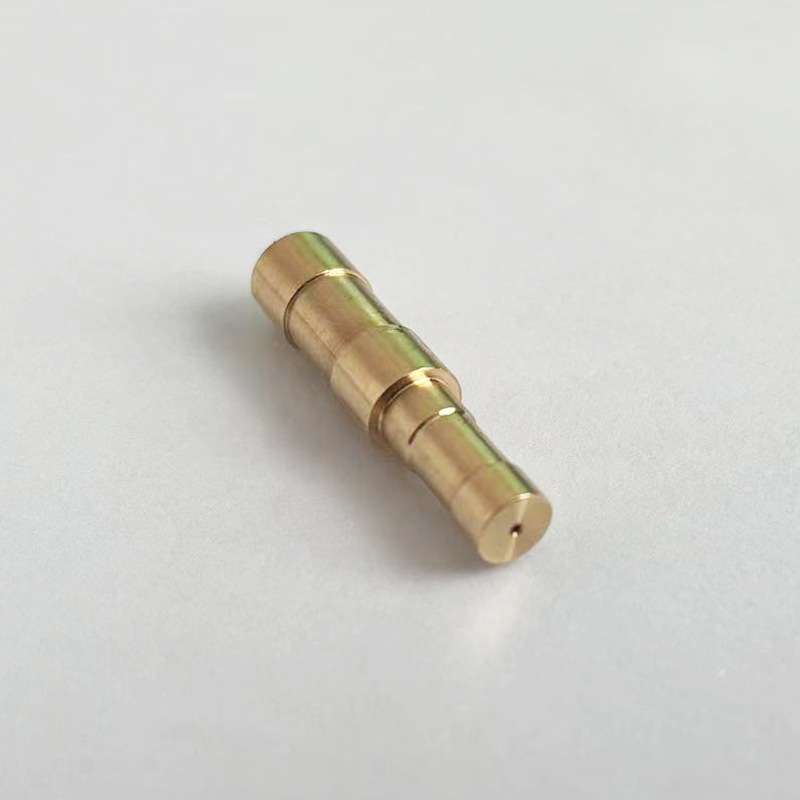
The industrial automation and robotics sector demands components that are highly precise, durable, and reliable. From robotic arms and actuators to precision gears and structural frames, CNC machining ensures the tight tolerances and functional integrity required for modern automated systems.
At MFG SOLUTION CO., LIMITED, we specialize in CNC precision machining for industrial automation and robotics, delivering components that enhance efficiency, reliability, and performance.
1. Key CNC Applications in Industrial Automation
Our CNC capabilities support the production of:
- Robotic arms and joints – linkages, pivot points, end-effectors
- Actuators and servo components – precision shafts, housings, couplings
- Precision gears and transmission parts – for motion control systems
- Sensor and mounting components – brackets, housings, and fixtures
- Prototyping and small-batch custom automation parts – tailored for machine builders
Each part requires tight tolerances, smooth surfaces, and material reliability to maintain system performance.
2. Materials for Robotics and Automation Components
Industrial automation parts often face repetitive motion, wear, and stress, requiring durable materials:
- Alloy steels (42CrMo4, 34CrNiMo6) – shafts, gears, and high-stress components
- Aluminum alloys (6061, 7075) – lightweight frames and housings
- Stainless steels (304, 316, 17-4PH) – corrosion-resistant structural parts
- Engineering plastics (PEEK, PTFE, Delrin) – wear-resistant, low-friction components
- Copper and brass – conductive and low-wear components for sensors or actuators
3. Precision Standards for Automation Components
Robotics components demand micron-level tolerances and precise surface finishes:
- Tolerances as tight as ±0.005 mm for motion-critical parts
- Surface finishes Ra < 0.4 μm to minimize friction and wear
- Roundness, concentricity, and flatness control for shafts, gears, and joints
- Burr-free machining for smooth operation and assembly
4. Surface Treatments and Finishing
To improve durability, wear resistance, and performance, we provide:
- Heat treatment and nitriding – increase hardness of alloy steel components
- Anodizing – corrosion protection for aluminum parts
- Powder coating and passivation – extend lifespan in industrial environments
- Electroplating (nickel, zinc, silver) – reduce wear and improve conductivity
- Polishing and deburring – ensure smooth motion and precise assembly
5. Case Study: CNC-Machined Precision Actuator Shaft
An industrial robotics manufacturer required precision actuator shafts:
- Material: 42CrMo4 alloy steel
- Process: CNC turning, milling, and heat treatment
- Tolerance: ±0.008 mm diameter and concentricity
- Surface: Nitrided for wear resistance
- Quantity: 1,000 pcs for high-speed assembly lines
This project demonstrated our ability to deliver high-precision, durable components for demanding automation systems.
6. Why CNC Machining is Critical for Industrial Automation
- Ensures precise motion control with high-tolerance components
- Enhances durability through proper material selection and surface treatment
- Supports complex geometries in robotic joints and actuators
- Delivers consistent quality for batch and small-lot production
- Enables innovation for custom automation and robotics solutions
Conclusion
The industrial automation and robotics industry relies on CNC precision machining to produce components that are durable, precise, and reliable. From robotic arms and actuators to gears and mounting fixtures, CNC machining ensures performance and longevity in automated systems.