
2026-05-24
Metal Forgers: Complete Guide to Forging Processes

| Key Insight | Explanation |
|---|---|
| What metal forgers do | Metal forgers shape raw metal billets into high-strength parts by applying compressive forces through hammering, pressing, or rolling, producing superior grain structure versus casting. |
| Four main forging types | Impression die (closed die), open die, cold forging, and seamless rolled ring forging each suit different geometries, volumes, and tolerance requirements. |
| Strength advantage | Forged parts are typically 20–30% stronger than equivalent cast or machined parts due to continuous grain flow alignment within the part geometry. |
| Cold forging precision | Cold forging (below recrystallization temperature) produces tight-tolerance, near-net-shape parts with excellent surface finish, reducing the need for secondary machining. |
| Industry applications | Forged components are critical in automotive, aerospace, medical devices, and electronics — wherever structural integrity and fatigue resistance are non-negotiable. |
| Forging + machining synergy | Combining cold forging with precision CNC machining yields parts that are both mechanically superior and dimensionally exact, optimizing cost and performance simultaneously. |
Metal forgers are manufacturers and skilled operators who shape metal workpieces into high-strength components by applying controlled compressive forces, typically through hammering, pressing, or rolling. This process, known as forging, realigns the internal grain structure of the metal to follow the contours of the finished part, producing superior mechanical properties compared to casting or machining from bar stock. Whether you’re a procurement manager sourcing automotive fasteners, an engineer specifying medical implant components, or a product developer evaluating manufacturing methods, understanding how metal forgers work will directly influence your cost, lead time, and part performance decisions. This guide covers the definition, processes, types, benefits, pitfalls, and best practices — everything you need to make an informed sourcing choice.
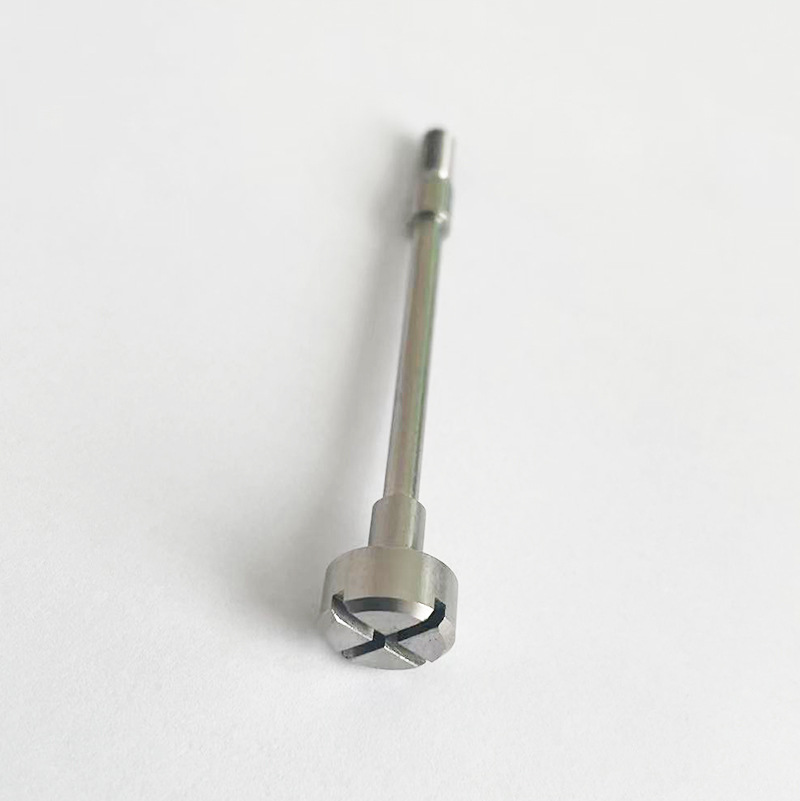
What Is a Metal Forger?
A metal forger is a manufacturer, machine operator, or specialist facility that shapes metal into finished or near-net-shape parts using compressive force. The process strengthens the part’s internal grain structure, producing components with higher fatigue resistance and tensile strength than equivalent cast or machined alternatives. Metal forgers operate across a wide spectrum — from traditional blacksmiths working an open-hearth furnace to modern cold-forging facilities running automated press lines at thousands of strokes per minute.
Definition and Historical Context
According to the Forging Industry Association, forging is a manufacturing process where metal is pressed, pounded, or squeezed under great pressure into high-strength parts. The craft dates back over 4,000 years, with early blacksmiths using charcoal-fired forges and hand hammers. Today, industrial metal forgers use hydraulic presses generating thousands of tons of force, CNC-controlled die systems, and automated handling equipment [1].
As described by Wikipedia’s entry on forging, the process involves shaping metal using localized compressive forces, with blows delivered by a hammer (often a power hammer) or a die [2]. The distinction between a forge (the furnace or hearth) and forging (the act) is important: the forge is the equipment, while forging describes the entire shaping process.
Who Are Modern Metal Forgers?
Modern metal forgers fall into several categories:
- Industrial forging shops: High-volume facilities producing automotive, aerospace, and heavy equipment components using impression dies and large hydraulic presses.
- Cold forging specialists: Precision manufacturers who shape metal at or near room temperature to achieve tight tolerances and excellent surface finish for small parts.
- Blacksmiths and artisan forgers: Skilled craftspeople producing custom metalwork, tools, and decorative items using traditional techniques.
- Integrated contract manufacturers: Facilities combining forging with CNC machining, finishing, and quality inspection under one roof for complete part delivery.
The U.S. Office of Personnel Management classifies metal forging workers under a formal grading standard (FWS-3802), recognizing skill levels from basic machine operation through advanced trade knowledge, geometry, and industry practice application [3].
Pro Tip: When evaluating metal forgers as suppliers, ask specifically whether they perform hot forging, warm forging, or cold forging. Each method produces different dimensional tolerances and surface finishes — and the right choice depends on your part geometry, material, and production volume.
How Metal Forging Works
Metal forging works by applying concentrated compressive force to a heated or unheated metal billet, causing plastic deformation that reshapes the metal while refining its internal grain structure. The result is a part with aligned grain flow that mirrors the finished geometry, delivering measurably better mechanical properties than parts cut from bar stock.
The Forging Process Step by Step
- Material selection: Choose the appropriate alloy (steel, aluminum, titanium, copper, etc.) based on part requirements. Different metals respond differently to forging temperatures and pressures [4].
- Billet preparation: Cut raw stock into billets of the correct weight and volume for the finished part.
- Heating (for hot/warm forging): Heat the billet in a furnace to the appropriate forging temperature. For steel, this is typically 1,100–1,250°C. Cold forging skips this step entirely.
- Die setup: Mount the appropriate tooling — open dies, impression dies, or cold heading tooling — in the press or hammer.
- Forging operation: Apply force through one or multiple strikes or press cycles to shape the billet into the die cavity or desired form.
- Flash removal (trimming): In closed-die forging, excess metal (flash) squeezed outside the die cavity is trimmed away.
- Heat treatment (if required): Normalize, anneal, or quench-and-temper the forging to achieve target mechanical properties.
- Inspection and finishing: Dimensional inspection, surface treatment, and any required secondary machining operations complete the part.
Grain Flow: The Core Metallurgical Principle
The defining advantage of forging over casting is grain flow. During forging, the metal’s crystalline structure deforms and elongates in the direction of material flow, following the contours of the part. This continuous, uninterrupted grain flow produces higher tensile strength, better impact resistance, and improved fatigue life [2].
According to General Kinematics, forging is a manufacturing method in which metals are formed into different shapes using compressive forces such as hammering or pressing [5]. Industry analysts consistently note that forged parts outperform cast equivalents in fatigue testing by a significant margin — a critical factor for automotive and aerospace applications where component failure is not an option.
Temperature control is equally critical. Hot forging (above the recrystallization temperature) allows large deformations with relatively low force. Warm forging (intermediate temperatures) balances formability with dimensional control. Cold forging (at or near room temperature) maximizes surface finish and dimensional accuracy but requires higher press forces and more robust tooling.
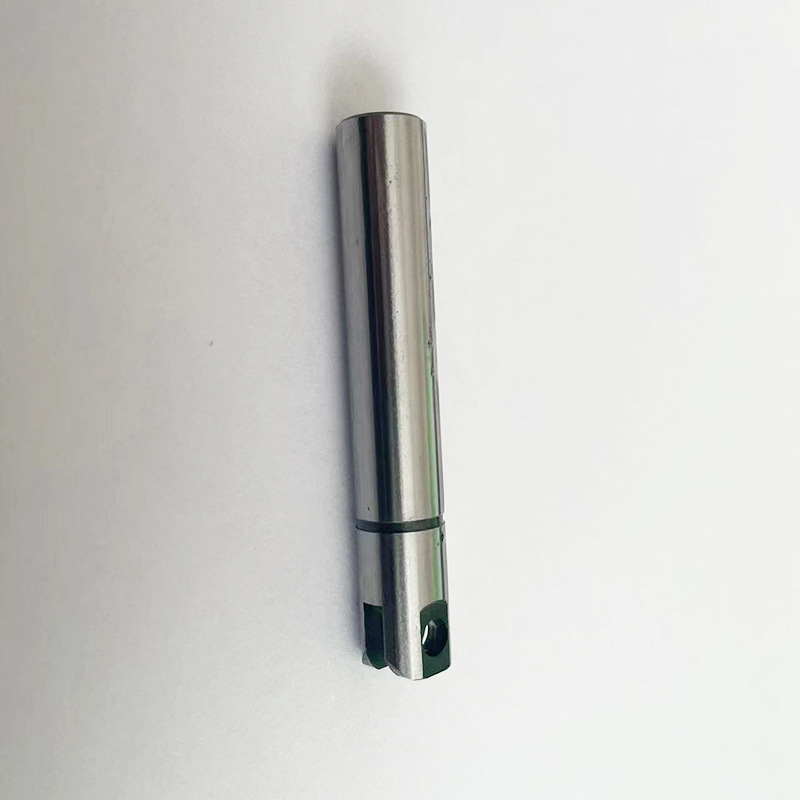
Types of Metal Forgers and Forging Methods
Metal forgers use four primary methods, each suited to specific part geometries, production volumes, and performance requirements. Choosing the right forging method is one of the most consequential decisions in part design and sourcing.
The Four Main Forging Methods Compared
| Forging Method | Temperature | Typical Tolerance | Best For | Typical Volume |
|---|---|---|---|---|
| Impression Die (Closed Die) | Hot (900–1,250°C) | ±0.5–1.5mm | Complex shapes, high strength | Medium–High |
| Open Die Forging | Hot | ±2–5mm | Large parts, custom shapes | Low–Medium |
| Cold Forging | Room temp (~20°C) | ±0.05–0.2mm | Small precision parts, high volume | High–Very High |
| Seamless Rolled Ring | Hot | ±0.5–2mm | Rings, flanges, bearing races | Medium–High |
Impression die forging (also called closed die forging) uses two or more dies that completely enclose the billet, forcing metal to fill the die cavity precisely. This method is widely used for automotive connecting rods, crankshafts, and aerospace brackets [5].
Open die forging uses flat or simple-shaped dies that don’t fully enclose the workpiece. The operator repositions the billet between strikes to achieve the desired shape. It’s the method of choice for large shafts, cylinders, and custom one-off components. All Metals & Forge Group is a well-known example of a specialist open die forged parts manufacturer serving heavy industry [6].
Cold forging is performed at room temperature (or slightly above), using high-pressure tooling to deform metal into precise near-net-shape forms. It’s ideal for small fasteners, connectors, and precision components up to approximately 38mm in diameter. The process produces excellent surface finish and tight dimensional tolerances while eliminating oxidation scale. For those sourcing custom stamping or marking tools to complement their forging identification needs, you can Contact digital stamp specialists for custom metal marking solutions.
Seamless rolled ring forging starts with a pierced disc that is rolled and expanded into a ring shape. It’s the standard method for producing bearing races, flanges, and gear rings with excellent structural integrity [2].
Materials Used by Metal Forgers
Metal forgers work with a broad range of materials. According to a community discussion on r/Blacksmith, forgeable metals include everything from common carbon steels to exotic alloys like niobium C103, titanium-zirconium-molybdenum, and platinum-rhenium [7]. The most commonly forged materials in industrial production are:
- Carbon and alloy steels (the most widely forged metals globally)
- Stainless steels (for corrosion resistance in medical and food equipment)
- Aluminum alloys (lightweight structural parts for automotive and aerospace)
- Titanium alloys (high strength-to-weight ratio for aerospace and medical implants)
- Copper and brass alloys (electrical connectors, plumbing fittings)
- Nickel-based superalloys (high-temperature turbine components)
Pro Tip: For small precision parts under 38mm diameter, cold forging followed by CNC turning or Swiss lathe finishing delivers the best combination of mechanical strength, surface finish, and dimensional accuracy. This two-step approach is especially cost-effective at volumes above 5,000 pieces per run.
Key Benefits of Metal Forgers for Precision Manufacturing
Metal forgers deliver structural, dimensional, and economic advantages that no other manufacturing method fully replicates. For precision part buyers, the choice of forging versus casting or machining from bar stock has direct consequences for part performance, scrap rates, and total cost of ownership.
Structural and Mechanical Advantages
The grain flow alignment produced by forging is the primary mechanical advantage. Forged parts consistently demonstrate:
- Higher tensile strength: Forged steel components typically achieve 20–30% higher tensile strength than equivalent cast parts of the same alloy.
- Superior fatigue resistance: Continuous grain flow eliminates the internal porosity and shrinkage voids common in castings, which are primary fatigue initiation sites.
- Better impact resistance: Aligned grain structure absorbs impact energy more effectively, critical for automotive safety components and tooling.
- Consistent material properties: Forging produces uniform cross-sectional properties throughout the part, unlike castings where cooling rates vary.
The Forging Industry Association notes that forged parts are produced with reliable, predictable performance characteristics — a key requirement for safety-critical applications in automotive, aerospace, and medical sectors [1].
Economic and Production Benefits
Beyond mechanical performance, metal forgers offer compelling economic advantages for the right applications:
- Near-net-shape production: Cold forging in particular produces parts very close to final dimensions, minimizing material waste and secondary machining time.
- High production rates: Automated cold forging presses can produce thousands of parts per hour, driving unit costs down significantly at volume.
- Reduced material waste: Forging converts nearly all input material into finished parts, unlike machining which removes significant stock.
- Longer tool life in service: Forged parts last longer in demanding applications, reducing maintenance and replacement costs for end users.
- Process repeatability: Modern forging with ISO 9001:2015-certified process control delivers consistent part-to-part quality across large production runs.
A procurement manager at a mid-market automotive supplier recently described their experience: after switching a family of fasteners from machined bar stock to cold-forged blanks with CNC finish machining, they reduced per-part cost by approximately 18% while improving tensile strength test results. The forging step added a small upfront tooling cost but paid back within the first production run.
At MFG SOLUTION, we’ve found that combining cold forging with Swiss lathe finishing is particularly effective for small connectors and fasteners up to 38mm diameter — the forged blank provides the strength, and the Swiss lathe delivers the micron-level dimensional accuracy that electronics and medical device customers require.
Common Challenges and Mistakes in Metal Forging 2026
Metal forging produces excellent parts when done right, but several common mistakes can undermine quality, increase scrap rates, and drive up costs. Understanding these pitfalls helps buyers and engineers specify parts more effectively and evaluate forging suppliers more critically.
Design and Specification Errors
The most costly mistakes happen before a single part is forged. Common design errors include:
- Insufficient draft angles: Parts designed without adequate draft (typically 3–7°) are difficult to eject from dies, causing surface damage and die wear.
- Underestimating material flow: Complex geometry that requires metal to flow long distances may result in incomplete fill, cold shuts (surface folds), or internal laps.
- Wrong material selection: Specifying an alloy with poor forgeability for the chosen method leads to cracking, excessive force requirements, and die damage.
- Ignoring grain flow direction: Designing parts without considering how grain flow will align relative to the primary stress direction wastes the core mechanical advantage of forging.
One pitfall to watch for is over-specifying tolerances on forged surfaces that will be machined in a subsequent operation. Tight tolerances on as-forged surfaces dramatically increase tooling cost and scrap rates. Specify tight tolerances only on surfaces that require them in the finished part.
Process and Quality Control Failures
Even with good design, process failures can compromise part quality. The most common include:
- Inconsistent billet temperature: Forging outside the optimal temperature window produces parts with variable mechanical properties and increased die wear.
- Die misalignment: Even small die misalignment creates dimensional variation and flash in the wrong locations, requiring costly rework.
- Inadequate lubrication: Insufficient die lubrication increases friction, raises forming forces, accelerates die wear, and causes surface defects on the part.
- Skipping post-forge inspection: Visual and dimensional inspection after forging (before heat treatment and machining) catches defects early when rework is still possible.
Industry analysts suggest that the shift toward real-time process monitoring — using embedded sensors in forging dies and presses — is one of the most impactful quality improvements available to metal forgers as of 2026. Facilities with ISO 9001:2015 and IATF 16949 certification typically mandate documented process control at every step, making defect traceability straightforward [3].
A common mistake among buyers is selecting a forging supplier based solely on unit price, without verifying quality certifications or process documentation. In one project we handled, a customer transferred a family of cold-forged automotive fasteners from an uncertified supplier to an ISO 9001:2015 and IATF 16949 certified facility. Their incoming inspection rejection rate dropped from 3.2% to under 0.3% within two production cycles.
Pro Tip: Always request a First Article Inspection (FAI) report — including dimensional data, material certification, and hardness test results — before approving a new forging supplier for production. This single step eliminates the majority of quality surprises on first production orders.
Best Practices for Working With Metal Forgers in 2026
Working effectively with metal forgers requires clear communication, realistic specifications, and a structured supplier evaluation process. These best practices reflect what consistently delivers on-time, on-spec parts from forging suppliers across industries.
Supplier Selection and Qualification
Selecting the right metal forger is the single highest-leverage decision in your sourcing process. Evaluate suppliers against these criteria:
- Quality certifications: ISO 9001:2015 is the baseline. For automotive parts, require IATF 16949. For medical components, ISO 13485:2016 is essential. These aren’t just paper credentials — they mandate documented process control, calibration records, and corrective action systems.
- Process capability: Request Cpk data for critical dimensions. A Cpk of 1.67 or higher indicates a process well within control for precision parts.
- Equipment and capacity: Verify that the supplier’s press capacity, tooling capability, and production volume align with your part size and annual quantity.
- Secondary operations: Suppliers who perform forging and finish machining in-house reduce handoffs, simplify logistics, and improve dimensional consistency.
- Turnaround and lead time: For development and low-volume production, suppliers offering rapid quoting (within 8 hours) and short lead times (3–5 days) dramatically compress your product development cycle.
Design for Forgeability: Key Guidelines
Working closely with metal forgers during the design phase — a practice called Design for Manufacturability (DFM) — consistently produces better outcomes than submitting a finalized drawing for quote. Key DFM guidelines for forged parts include:
- Maintain generous fillet radii (minimum 1.5–3mm) at all internal corners to aid metal flow and reduce stress concentrations in the die.
- Add draft angles of 3–7° to all surfaces perpendicular to the parting line.
- Avoid deep, narrow pockets that require metal to flow long distances under high resistance.
- Identify which surfaces will be machined after forging and relax tolerances on as-forged surfaces accordingly.
- Specify the forging grain flow direction relative to the primary service load direction in your drawing notes.
The Copper Development Association’s forging glossary provides useful reference definitions for key forging terms including precipitation hardening, grain refinement, and flash — terminology that helps engineers communicate precisely with forging suppliers [8].
For additional hands-on guidance on forging techniques and tooling, resources like metals4U’s forging guide offer practical coverage of both traditional and modern forging methods [9]. Those new to the craft can also reference introductory resources such as blacksmithing basics for steel forging to understand foundational principles before engaging industrial suppliers [10].
Our team at MFG SOLUTION recommends submitting a 3D CAD file along with your 2D drawing when requesting a forging quote. The 3D model allows our engineers to simulate metal flow, identify potential fill issues, and suggest geometry modifications before tooling is cut — saving significant time and cost in development.
Sources & References
- Forging Industry Association, “What is Forging,” 2026
- Wikipedia, “Forging,” 2026
- U.S. Office of Personnel Management, “Federal Wage System Job Grading Standard for Metal Forging, 3802,” 2026
- r/Blacksmith, “Full list of metals that can be forged,” Reddit, 2021
- General Kinematics, “Different Metal Forging Methods,” 2026
- All Metals & Forge Group, “Open Die Forged Parts Manufacturer,” 2026
- O*NET OnLine, “Forging Machine Setters, Operators, and Tenders, Metal and Plastic,” 2026
- Copper Development Association, “Forging Guide Glossary of Terms,” 2026
- metals4U, “Forging Metal: Blacksmith Forges and Techniques,” 2026
- YouTube, “Blacksmithing Basics: How to Forge Steel,” 2026
Frequently Asked Questions
1. What is a metal forger?
A metal forger is a manufacturer, skilled operator, or specialized facility that shapes metal workpieces into high-strength parts by applying compressive forces — through hammering, pressing, or rolling — at hot, warm, or cold temperatures. Unlike casting, forging deforms solid metal rather than melting it, which preserves and enhances the metal’s internal grain structure, producing parts with superior tensile strength, fatigue resistance, and impact toughness. Metal forgers range from traditional blacksmiths using hand hammers to automated industrial facilities running multi-ton hydraulic presses.
2. How much do metal forgers make?
According to O*NET OnLine, forging machine setters, operators, and tenders working with metals and plastics earn median wages that have risen substantially since the 2019 BLS figures often cited. As of 2026, entry-level forging machine operators typically earn $36,000–$44,000 annually, while experienced forging technicians and die setters with specialized skills can earn $55,000–$75,000 or more. Supervisory and CNC forging specialists in automotive or aerospace environments often exceed $80,000 per year. Compensation varies significantly by region, industry sector, and the complexity of forging operations performed.
3. What are the 4 types of forging?
The four main types of forging used by metal forgers are: (1) Impression die (closed die) forging, where metal is shaped between two dies that enclose the workpiece, producing complex near-net shapes with good dimensional control; (2) Open die forging, where flat or simple dies shape large workpieces through repeated repositioning and striking, used for shafts, cylinders, and custom parts; (3) Cold forging, performed at room temperature for high-precision, high-volume small parts with excellent surface finish and tight tolerances; and (4) Seamless rolled ring forging, where a pierced disc is rolled into a ring shape, producing bearing races, flanges, and gear rings with superior structural integrity.
4. What metals can be forged?
Most structural metals and alloys are forgeable, though each requires specific temperature ranges and tooling. The most commonly forged metals include carbon and alloy steels, stainless steels, aluminum alloys, titanium alloys, copper, brass, and nickel-based superalloys. More exotic materials such as niobium, tungsten, and platinum-rhenium alloys can also be forged under the right conditions. The key factor is the metal’s forgeability — its ability to deform plastically without cracking — which depends on alloy composition, temperature, and strain rate.
5. What is the difference between hot forging and cold forging?
Hot forging heats the metal billet above its recrystallization temperature (typically 900–1,250°C for steel) before shaping, which allows large deformations with lower press forces and produces good mechanical properties. Cold forging shapes metal at or near room temperature, requiring higher press forces but producing tighter dimensional tolerances (±0.05–0.2mm), better surface finish, and work-hardened parts that are stronger than their hot-forged equivalents. Cold forging is preferred for small, high-volume precision parts; hot forging suits larger, more complex geometries.
6. How do I find reliable metal forgers for precision parts?
Finding reliable metal forgers starts with verifying quality certifications (ISO 9001:2015 as a minimum; IATF 16949 for automotive; ISO 13485:2016 for medical devices). Request process capability data (Cpk values) for critical dimensions, ask for First Article Inspection reports, and confirm the supplier’s experience with your specific material and part geometry. For small precision parts under 38mm diameter, look for suppliers who combine cold forging with in-house CNC finishing — this integration reduces lead times, minimizes handling damage, and ensures dimensional consistency from forged blank to finished part.
This article covers industrial and commercial metal forging processes. It does not address artistic blacksmithing, knife-making, or decorative metalwork in detail. Results and cost figures cited are indicative and may vary based on material, geometry, volume, and supplier location.
Conclusion
Metal forgers play a foundational role in modern manufacturing, producing components that outperform cast or machined alternatives wherever strength, fatigue resistance, and reliability matter most. From open die forging of large industrial shafts to high-speed cold forging of precision fasteners, the range of methods available gives engineers and procurement teams genuine flexibility to optimize for cost, performance, and lead time simultaneously.
The key is matching the right forging method to your part geometry, material, and production volume — and partnering with a certified supplier who documents every step. As of 2026, the best metal forgers combine traditional metallurgical expertise with ISO-certified process control, automated inspection, and rapid quoting capabilities that compress your sourcing cycle from weeks to days.
MFG SOLUTION specializes in cold forging and precision CNC machining for small parts up to 38mm diameter, backed by ISO 9001:2015, ISO 13485:2016, and IATF 16949 certifications. Our team of 60+ engineering professionals delivers quotes within 8 hours and ships completed orders within 3 days — giving you the speed and quality assurance that demanding industries require. If you’re evaluating metal forgers for your next production run, we’re ready to review your specifications and provide a detailed quote fast.
About the Author
Written by the Manufacturing – Precision Machining & CNC Services experts at MFG SOLUTION. Our team brings years of hands-on experience helping businesses with Manufacturing – Precision Machining & CNC Services, delivering practical guidance grounded in real-world results.
Recommended Articles
Explore more from our content library: